Orbital rocket is one of 48 vehicle types in this atlas. The pages treat it as a full system — history, anatomy, operating principles, culture, icons, future pressure and market shape — not a product brochure.
Scores compare orbital rocket with the other types on speed, efficiency, accessibility, safety, cultural impact and tech disruption. They are relative editorial judgements, not laboratory ratings.
Seven chapters dig in: origins, systems and cutaways, how it works, cultural life, legendary icons, what comes next, and how money and regions structure the fleet.
Deep introduction
Deep dive: Orbital rocket
Orbital rocket is not a single machine — it is a family of designs, duties and cultures inside the space atlas. This deep intro maps how the type varies, what systems make it work, and why places adopt it differently.
Diversity, systems, culture and markets — plus a lens tuned to this language region.
Diversity inside the type
Smallsats launchers, medium lift and heavy/super-heavy vehicles serve incompatible payload classes.
Expendable vs reusable architectures rewrite cost curves and failure modes.
Systems that decide the ride
Propellant chemistry, stage separation, guidance and range safety destruct systems define the stack.
Ground cryogenics and integration tents are part of the vehicle system.
Culture, status and meaning
Countdown livestreams turn engineering into mass spectacle.
National flags on fairings keep soft power bolted to hardware.
Markets, fleets and money
Manifest backlog and launch insurance price access to orbit.
Ride-share pricing remade smallsat economics.
Technical deep dive
Technical deep dive: Orbital rocket
Orbital rocket engineering is a stack of structure, energy conversion, control loops and certified envelopes inside the space atlas. This page maps how loads travel, how power becomes motion, and where the hard limits sit.
Structure, propulsion, control and limits — plus certification language for this region.
Structure & load paths
Thrust structure carries millions of newtons into pad and interstage frames.
Fairing and upper stage see acoustic and aerodynamic loads far exceeding orbital quiet.
Energy & propulsion
Chemical rockets dominate Isp trade space; solids vs liquids set throttle and restart.
Reusable boosters add landing fuel margin that subtracts from payload unless scaled up.
Control, sensing, human interface
Autonomous flight terminates human reaction time—ground only commands abort boxes.
Telemetry displays hundreds of channels; launch director polls go/no-go by discipline.
Failure modes & hard limits
Cascading engine-out on multi-engine cores may still reach orbit or trigger abort per design.
Single-point failures in upper stage leave payloads in suborbital disposal trajectories.
Booster recovery zones and shipping notices — maritime coordination.
Labour, crews & operations
Pad turnaround labour — reusable era changes shift patterns.
Payload integration tents — cleanroom discipline.
Environment & energy
RP-1 vs methane vs hydrogen — soot and boil-off trade-offs.
Sonic boom and debris risk — environmental licensing.
100speedEditorial 0-100 browsing score
10efficiencyEditorial 0-100 browsing score
3accessibilityEditorial 0-100 browsing score
55safetyEditorial 0-100 browsing score
Orbital rocket: concrete atlas depth on Tool-Lifes.
Visual field notes
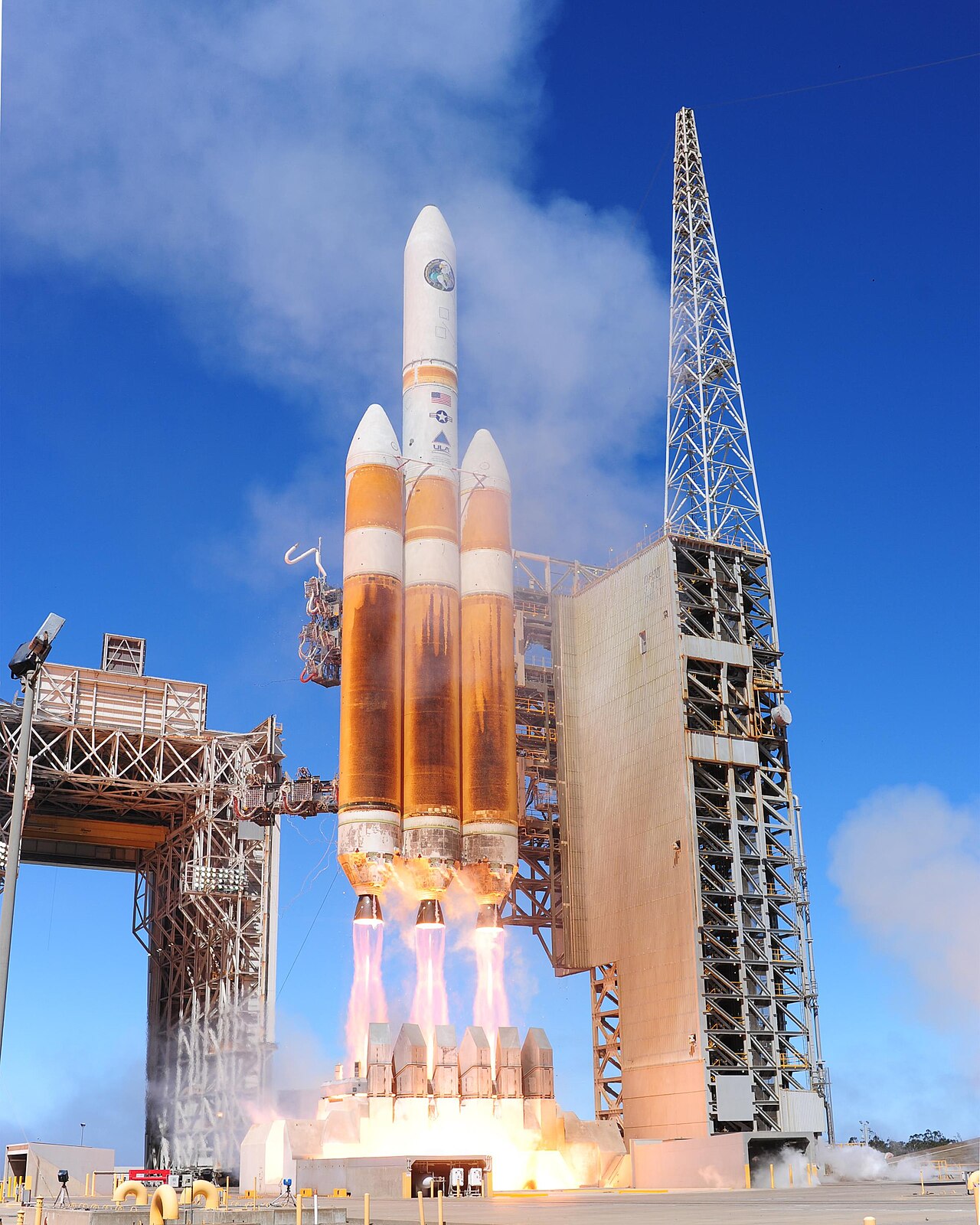
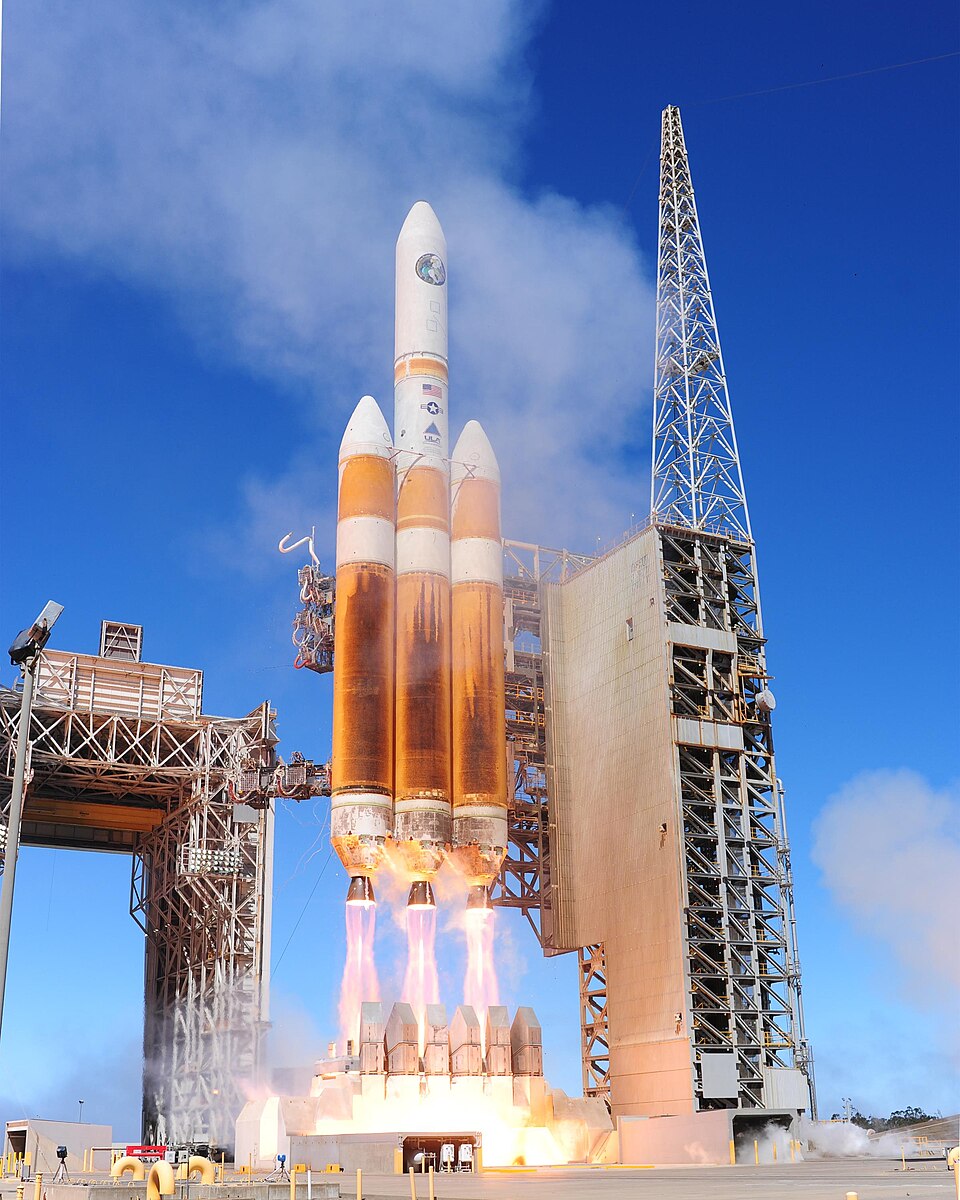
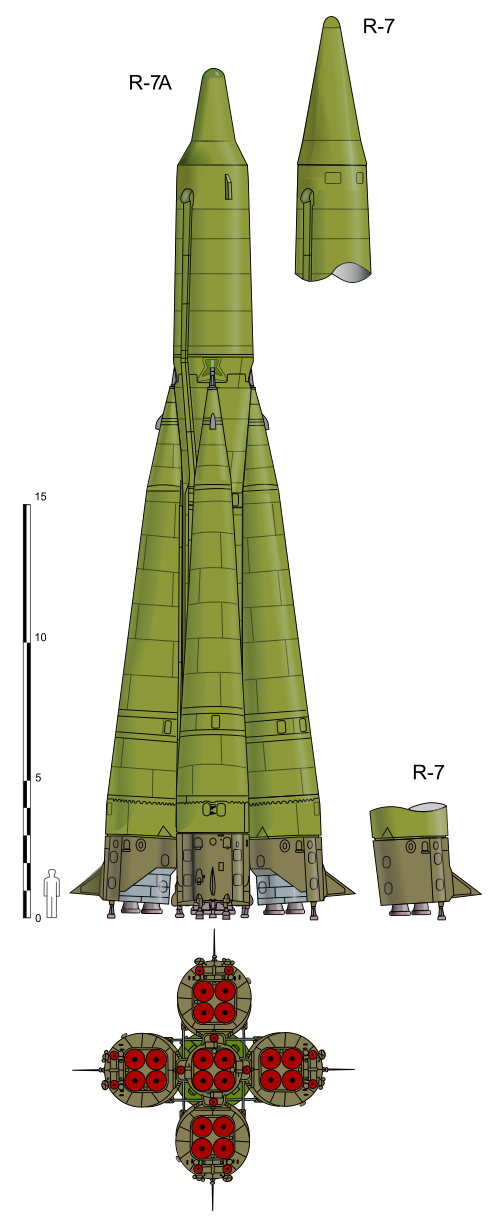
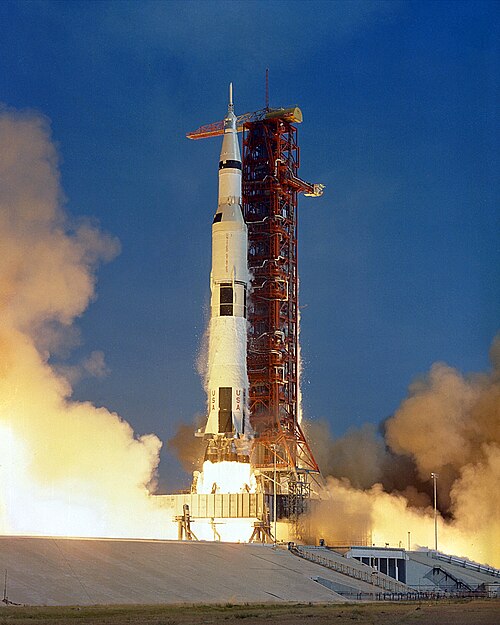
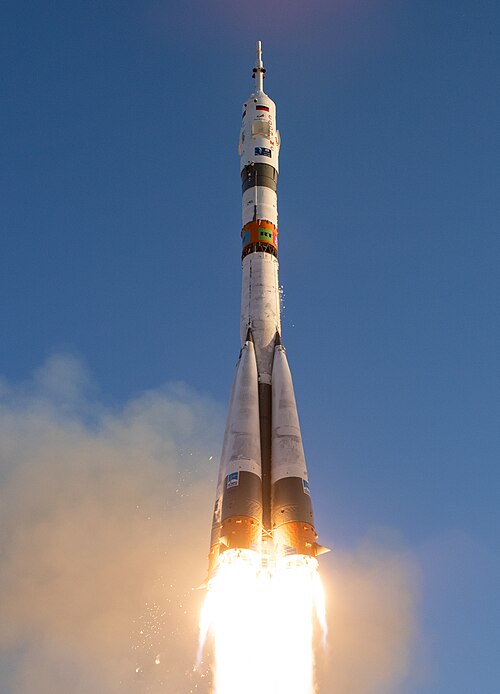
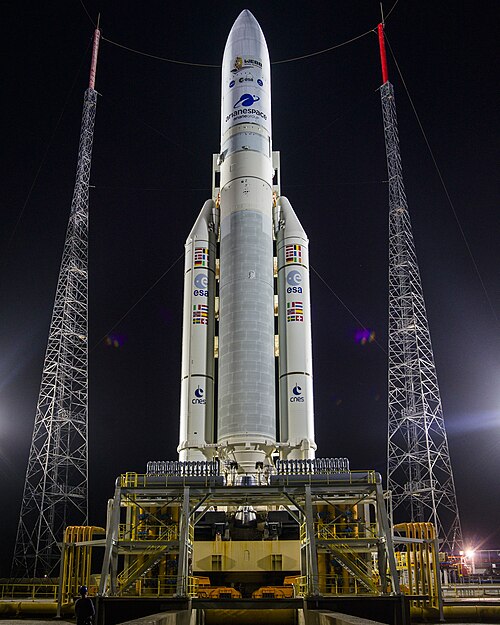
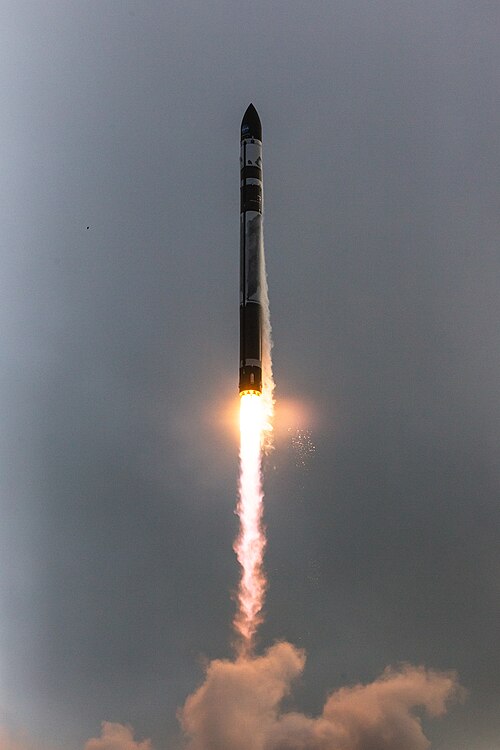
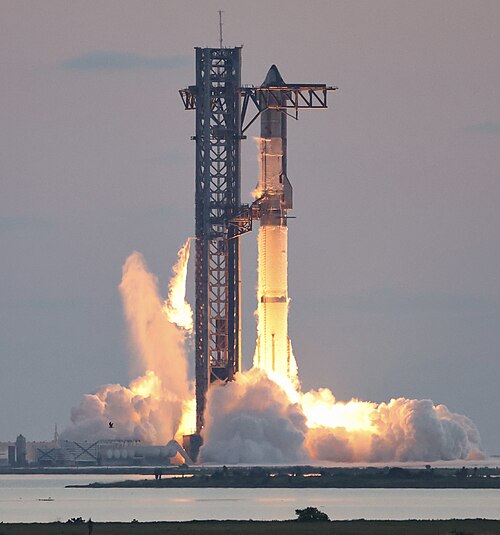
Licensed photographs of this type — heroes, eras and icons on one wall.
U.S. Air Force/Joe DavilaU.S. Air Force/Joe DavilaHeriberto Arribas AbatoNASAPhilip Terry GrahamNASA Headquarters / NASA/Bill IngallsChris GunnNASA Kennedy Space Center / Rocket LabSteve Jurvetson