- 1 Start
- 2 Mid
- 3 End
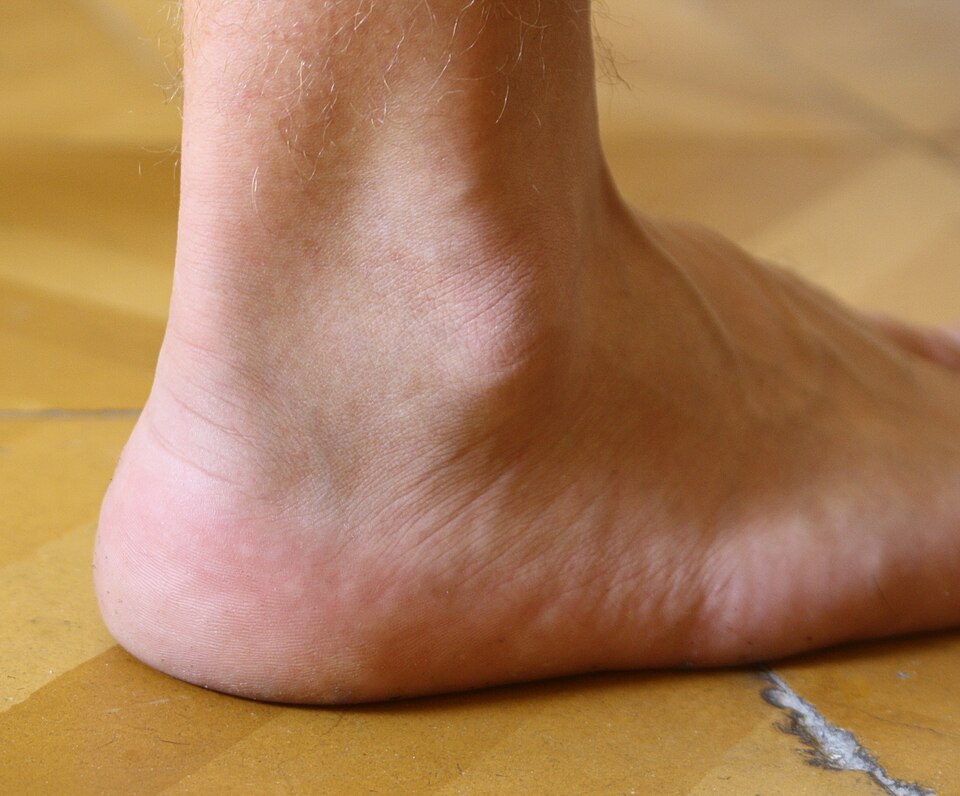
Ankle alphabet
●○○○○2 × 1 full set each foot
Trace the letters of the alphabet in the air with the foot, moving only at the ankle.
Ankle & Foot · The ankle and foot absorb and redirect the full force of body weight with every step, making sprains and overuse injuries among the most common in sport and daily life.
Darker cells mean a higher score for this topic on that metric.
LessMore
Last reviewed Sources & creditsMedia creditsMethodology
The large majority of ankle sprains are inversion injuries affecting the ligaments on the outer side of the ankle, most often the anterior talofibular ligament.
Mild sprains often improve substantially within two to three weeks, while moderate to severe sprains can take four to eight weeks or longer for a full return to sport-level activity.
Clinical decision rules such as the Ottawa ankle rules help determine when an X-ray is needed, generally reserving imaging for cases with specific bony tenderness or an inability to bear weight.
Chronic ankle instability describes a persistent tendency for the ankle to give way or feel unstable, often following an inadequately rehabilitated sprain, and is associated with a higher risk of repeat sprains.
Plantar fasciitis is irritation of the thick band of tissue running along the bottom of the foot, commonly producing sharp heel pain that is often most noticeable with the first steps in the morning.
Ice is commonly used for short-term pain and swelling relief after an acute sprain, though current guidance places comparatively more emphasis on early protected movement and graded loading for the overall recovery process.
Exercise for ankle and foot conditions typically progresses from restoring comfortable range of motion toward balance and proprioceptive retraining, which is particularly emphasized after a sprain given the high recurrence risk without it.
Progressive calf and foot strengthening rounds out most programs, since adequate strength in these muscles supports both shock absorption and propulsion during walking, running, and sport.
Simple picture of a move already published on this page — not a prescription or medical advice.
2 × 1 full set each foot
Trace the letters of the alphabet in the air with the foot, moving only at the ankle.
2 × 3, held 20–30s
With the back leg straight and heel down, lean forward into a wall until a gentle stretch is felt in the calf.
2 × 3, held 20–30s
Sitting with the affected foot crossed over the opposite knee, gently pull the toes back to stretch the arch.
3 × 20–30s each side
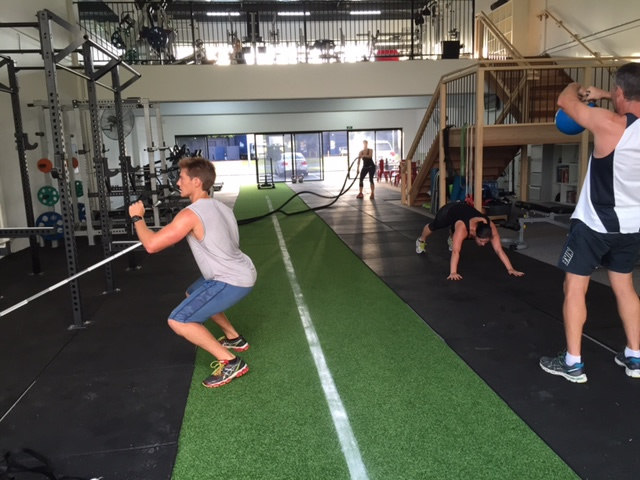
Stand on one foot with a slight knee bend, keeping the standing leg and pelvis stable.
3 × 12 each direction
With a light band around the foot, move the ankle up, down, in, and out against resistance.
3 × 15
Rise onto the toes of both feet, pause briefly, then lower slowly with control.
3 × 12 each side
Rise onto the toes of one foot, pause briefly, then lower slowly with control.
3 × 8 each direction
Hop sideways a short distance and land softly on the same or opposite leg with a controlled, stable landing.
Balance and proprioceptive exercises are typically continued well beyond the point of symptom resolution, given strong evidence that ongoing balance training reduces the risk of repeat ankle sprains.
Neighbouring topics share region literacy — not a severity ranking.
The hip is a deep, stable ball-and-socket joint that bears several times body weight during walking and running, making it a common site of both overuse pain and degenerative change.
Pain frequency 55 Same body regionThe knee is the body's largest joint and one of its most frequently injured, relying on ligaments and surrounding muscles rather than bony shape for stability.
Pain frequency 65 Same body regionThe anterior cruciate ligament stabilizes the knee against pivoting and forward-sliding forces, and its rupture is one of the most studied and rehabilitation-intensive sports injuries.
Pain frequency 50 Same body region