Anaerobic energy path
Cells oxidise sugars part-way and dump electrons on lactate, ethanol or acetate.
Fermentation — Microbes turning food into kimchi, doenjang, yoghurt and other living crafts — chemistry plus culture.
Darker cells mean a higher score for this topic on that metric.
LessMore
Last reviewed Sources & creditsMedia creditsMethodology
Read Identity → How they live → Body & health, then use compare rails.
Public-health education — not a care plan, prescription, or outbreak briefing.
It names everyday desks for Beneficial allies before English norms look universal.
No — editorial 0–100 browsing aids inside this atlas only.
Use related cards and best-of / quiz rails after the first three chapters.
How they live and Body & health carry mechanisms; skim Identity first.
In the kitchen, fermentation is controlled change: lactic bacteria sour cabbage into kimchi, moulds and bacteria build doenjang, yoghurt cultures thicken milk.
In the cell it remakes NAD+ so glycolysis can continue. Pasteur (1857) tied living yeast to the vat.
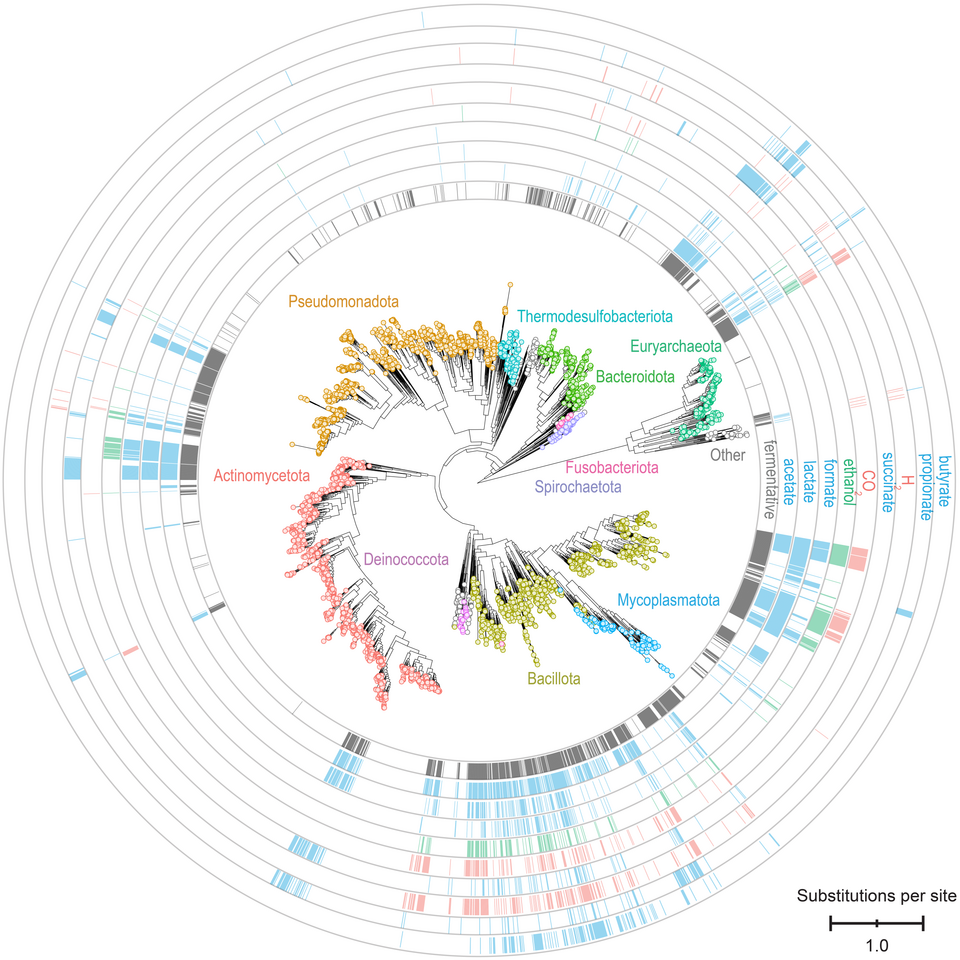
Cells oxidise sugars part-way and dump electrons on lactate, ethanol or acetate.
Without a respiratory chain, fermentation keeps glycolysis running.
Lactic and acetic acids lower pH so many spoilers fail.
Kimchi and doenjang are successions, not one branded cell.
The same microbes can spoil a jar if salt, temperature or hygiene slip.
Every inhabited region invented a ferment. Chemistry is shared; recipes are local.
Fermentation is an ally of flavour and storage, not a pathogen protocol.
A diverse intestinal community fed by fibre — not a single ideal species list and not a wellness shop.
Familiarity 88Live microbes in food or capsules — strain-specific guests, not a whole microbiome and not medical advice.
Familiarity 90A site-specific living film — oily, moist and dry neighbourhoods, not a sterile wrapper.
Familiarity 62The hidden workforce of land — decomposers, mycorrhizae and a mostly uncultured majority.
Familiarity 48How microbes move nitrogen between air, soil, water and food — plus the industrial shortcut that feeds billions.
Familiarity 40