Achaemenid
Bread and wine
An imperial pantry already.
Iranian cuisine · Rice, saffron and a sour-herb clock: stews, chelo and technique 82 without chili as the main story.
Milestones in order. This is history, not a weekly activity grid.
Darker cells mean a higher score for this topic on that metric.
LessMore
Last reviewed Sources & creditsMedia creditsMethodology
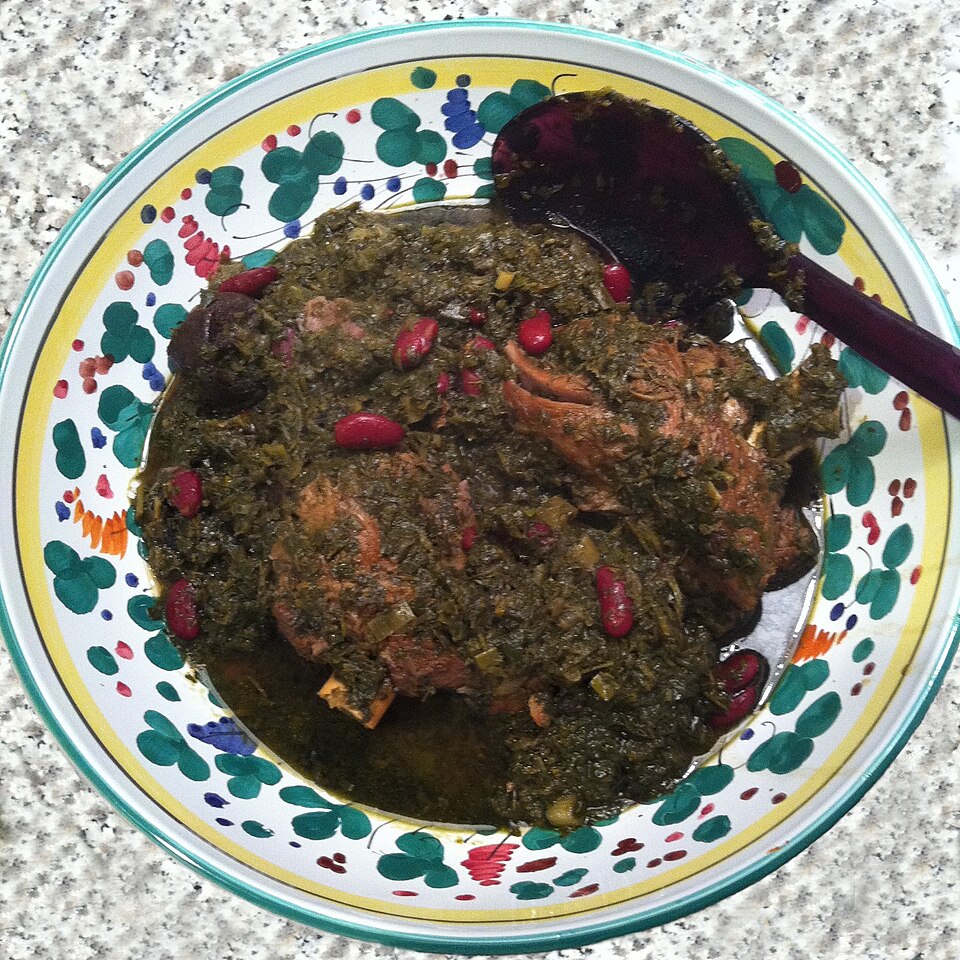
Iranian cuisine (آشپزی ایرانی) grew from yogurt / pickles / dried limes and rice / bread. Ghormeh sabzi is the postcard, not the whole map.
Iranian cuisine sits at spice 42 in this atlas. Ghormeh sabzi and Chelow kabab show the range better than a single heat number.
Ghormeh sabzi plus one regional plate — not only the export icon.
Cooked rice, often steamed and jeweled.
Tehran, Isfahan and Shiraz do not cook the same dinner. Regional stubbornness is the cuisine, not a footnote.
The home pantry around Polo / chelo and the labour behind Chelow kabab rarely fit a takeaway box.
Iranian cuisine did not arrive as a single national plate. Its older structure is visible in Ghormeh sabzi, Polo / chelo and the regional kitchens that still disagree.
Court, village and street cooked on different clocks. The ten-point timeline below keeps those clocks in view rather than flattening them into a brand story.
Iranian cuisine (آشپزی ایرانی) grew from yogurt / pickles / dried limes and rice / bread. Ghormeh sabzi is the postcard, not the whole map.
An imperial pantry already.
A grain that becomes the feast starch.
A refined sour-sweet stew culture.
Tahdig and jeweled polo as status.
The public grill-and-rice room.
Los Angeles and London Persian rooms.
The stew that defines homesickness.
A spice as national colour.
The crust as a global rice idea.
A younger urban table beside the stew.
An imperial pantry already.
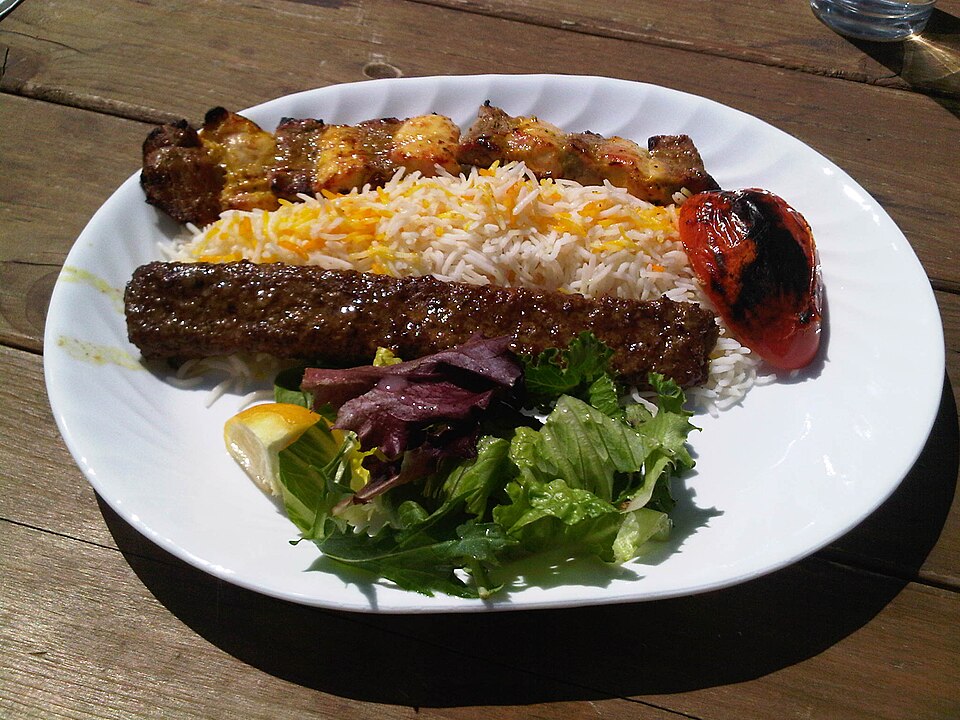
A refined sour-sweet stew culture.
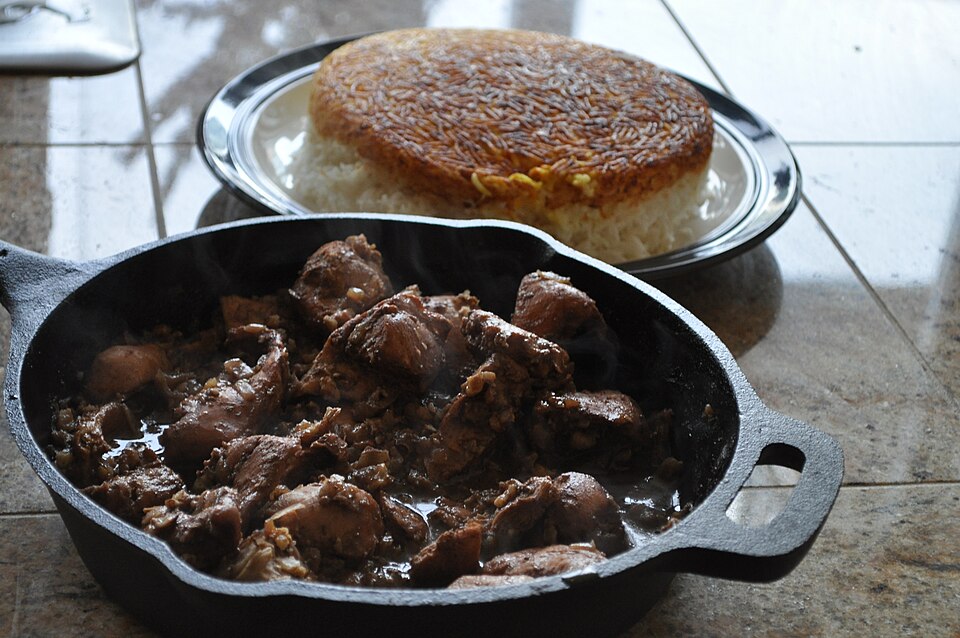
The public grill-and-rice room.
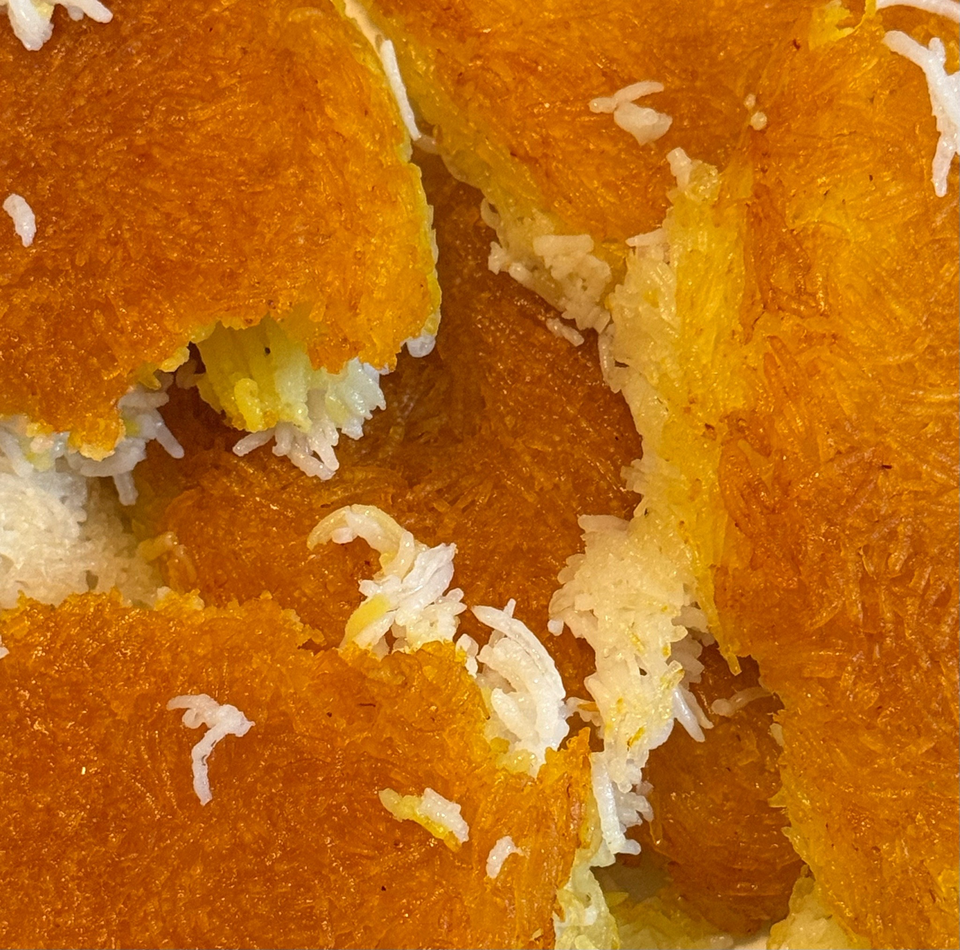
The stew that defines homesickness.
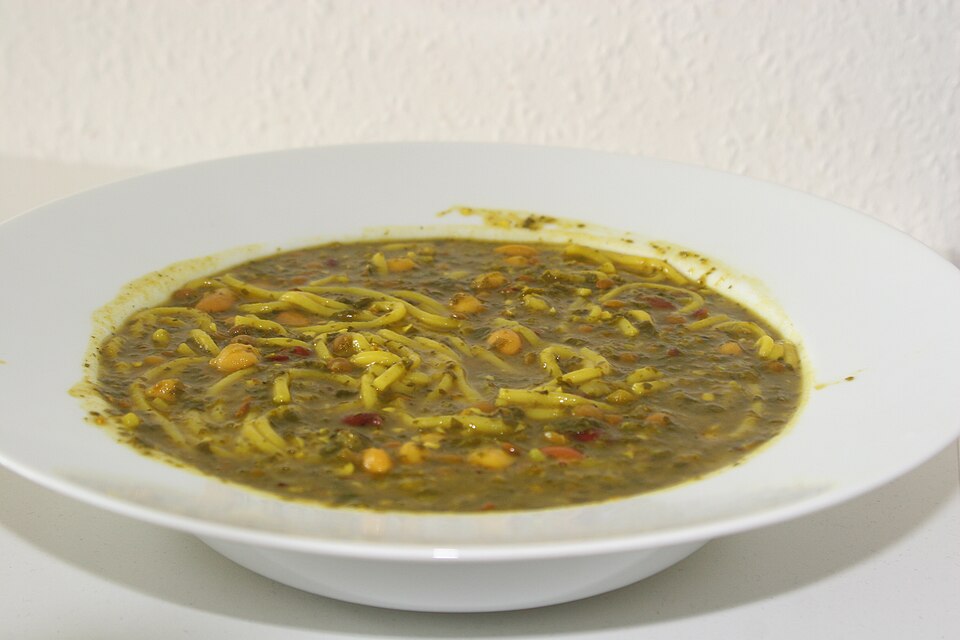
The crust as a global rice idea.
A grain that becomes the feast starch.
The public grill-and-rice room.
The crust as a global rice idea.
A history of Iranian cuisine that starts at the airport restaurant will miss the ferments, markets and labour that actually built the table.
Yogurt, charcoal and a meze clock: kebabs, bread and an Ottoman map from breakfast to baklava.
Overall 68 🧆Lemon, parsley and a mezze clock: hummus, grilled meats and the eastern Mediterranean export table.
Overall 63 🍲Cumin, preserved lemon and a tagine clock: couscous Friday, mint tea and a Maghreb spice box.
Overall 65 🫓Berbere, injera and a shared-platter clock: spice 80, a fermented flatbread, no forks required.
Overall 62 🧆Ful, taameya and a Nile bread clock: koshari, molokhia and a cheap, dense street table.
Overall 60 🍲Pepper, palm oil and a swallow clock: jollof arguments, suya and streetFood 88.
Overall 66