Ancient
Two grains
Millet north, rice south — the split still visible in dumplings vs rice bowls.
Chinese cuisine · Eight great traditions, one wok logic: soy, rice, wheat and the regional map behind "Chinese food".
Milestones in order. This is history, not a weekly activity grid.
Darker cells mean a higher score for this topic on that metric.
LessMore
Last reviewed Sources & creditsMedia creditsMethodology
中餐 grew from millet and rice civilisations, soy fermentation and a wok that could feed cities. "Chinese food" abroad is mostly Cantonese and later Sichuan, not the eight-great-tradition map.
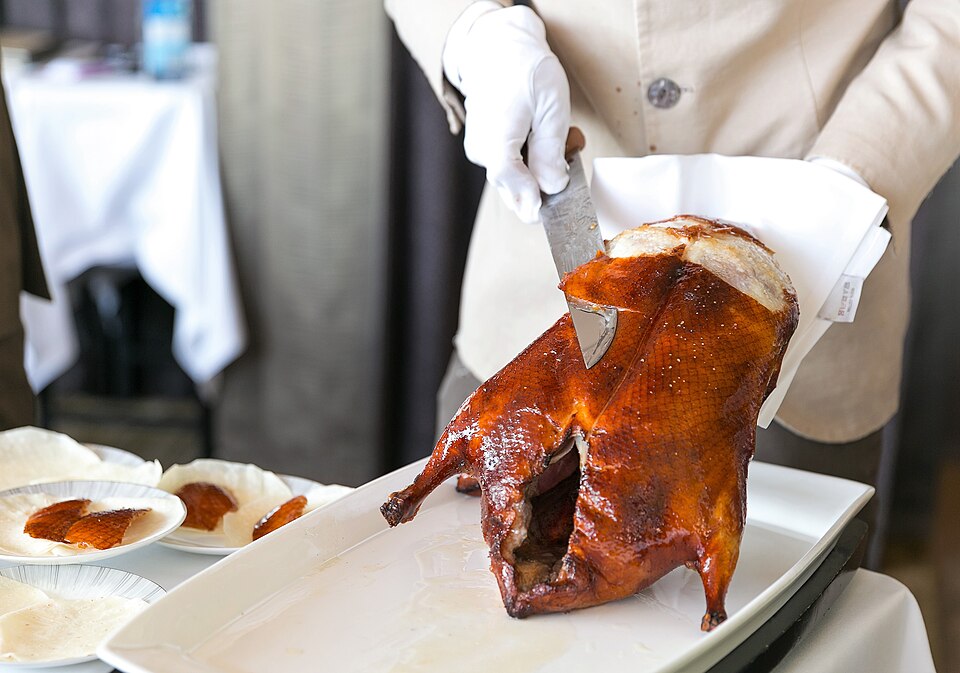
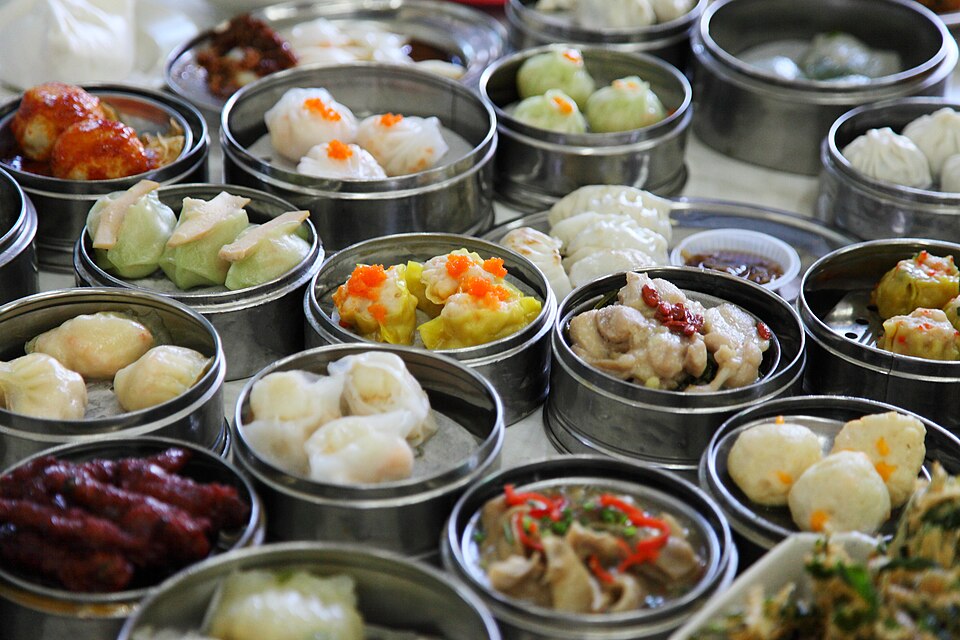
Chinese cuisine sits at spice 62 in this atlas. Peking duck and Dim sum show the range better than a single heat number.
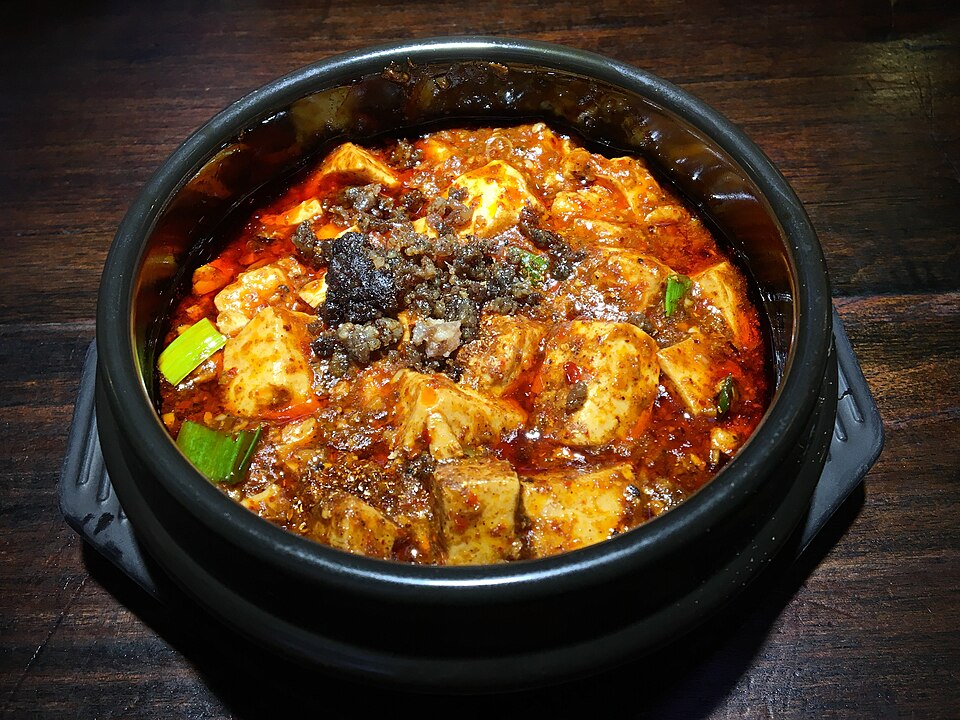
Peking duck plus one regional plate — not only the export icon.
The seared aroma from a properly hot wok — "breath of the wok".
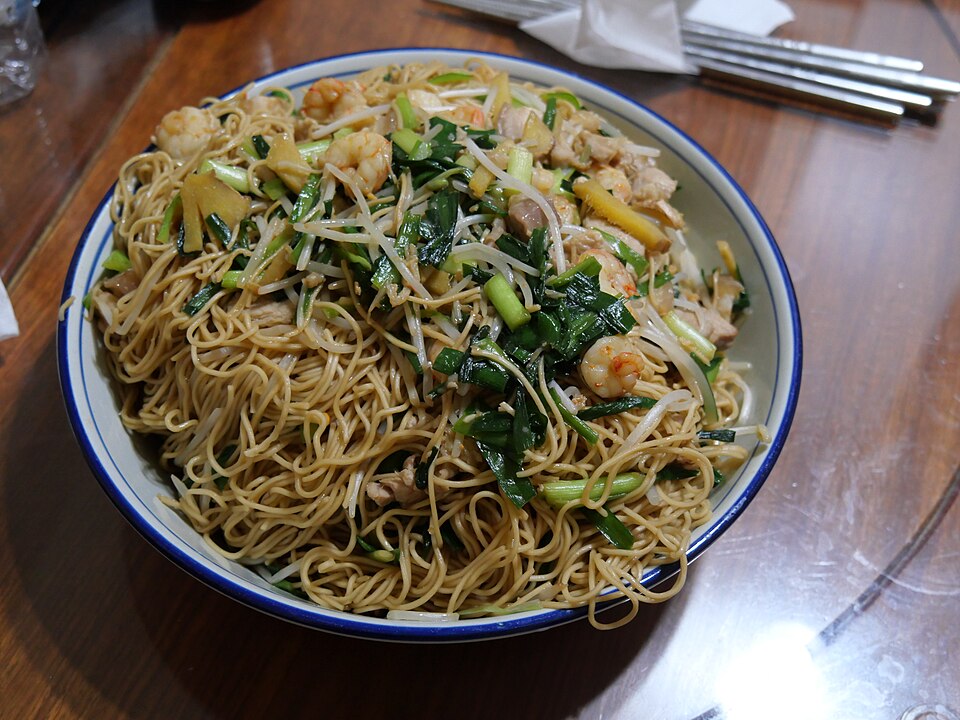
A home table is rice or noodles, a green, a protein and a soup — not a single plated "main". Street China is jianbing, skewers and late-night noodles; banquet China is whole fish and ceremony.
The home pantry around Wok hei and the labour behind Dim sum rarely fit a takeaway box.
Chinese cuisine did not arrive as a single national plate. Its older structure is visible in Peking duck, Wok hei and the regional kitchens that still disagree.
Court, village and street cooked on different clocks. The ten-point timeline below keeps those clocks in view rather than flattening them into a brand story.
中餐 grew from millet and rice civilisations, soy fermentation and a wok that could feed cities. "Chinese food" abroad is mostly Cantonese and later Sichuan, not the eight-great-tradition map.
Northern millet and Yangtze rice agriculture set the grain split that still organises lunch.
Han-era records already treat fermented soy as a staple condiment.
Chang'an mixed Central Asian wheat breads into the northern pantry.
Kaifeng and Hangzhou developed commercial restaurants and regional fame.
Capsicum entered Sichuan and Hunan and remade those palates.
Guangzhou and Hong Kong cooking became the first export Chinese food.
Chop suey houses in North America created a new Chinese-American cuisine.
Collective dining and scarcity simplified home tables; regional restaurants later returned.
Mala left the southwest and colonised national and then global menus.
Haidilao and peers industrialised the communal pot abroad.
Millet north, rice south — the split still visible in dumplings vs rice bowls.
Capitals advertised local products; soy and tea became long-distance goods.
New World capsicum remade Sichuan and Hunan.
Cantonese migration wrote the first world Chinese menu.
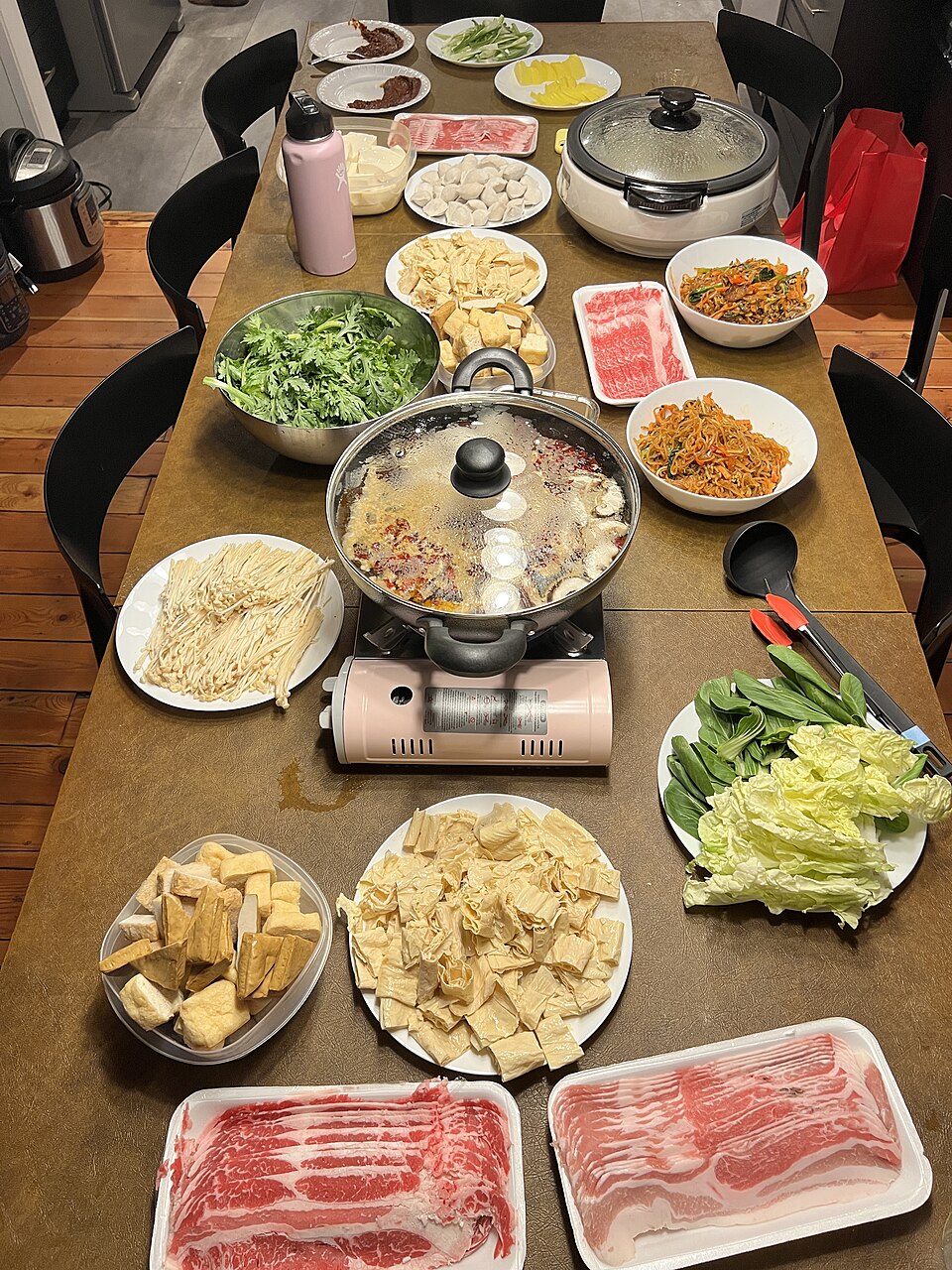
Hotpot and regional rooms went global after 1990.
Fermented soy became the shared condiment of a continent-sized cuisine.
Capsicum created mala, now a global Chinese flavour.
Overseas menus became their own authentic cuisines.
A history of Chinese cuisine that starts at the airport restaurant will miss the ferments, markets and labour that actually built the table.
Fermented heat and shared grills: kimchi, gochujang and banchan from the Korean Peninsula.
Overall 76 🍣Dashi, rice and seasonal restraint: washoku from sushi counters to home miso soup.
Overall 72 🍲Herbs, nuoc mam and a French-colonial overlay: pho, banh mi and the regional split from Hanoi to the Mekong.
Overall 68 🌶️Hot, sour, salty, sweet: nam prik, fish sauce and the regional map from Bangkok street to Isan grilled chicken.
Overall 77