Cargo aircraft is one of 48 vehicle types in this atlas. The pages treat it as a full system — history, anatomy, operating principles, culture, icons, future pressure and market shape — not a product brochure.
Scores compare cargo aircraft with the other types on speed, efficiency, accessibility, safety, cultural impact and tech disruption. They are relative editorial judgements, not laboratory ratings.
Seven chapters dig in: origins, systems and cutaways, how it works, cultural life, legendary icons, what comes next, and how money and regions structure the fleet.
Deep introduction
Deep dive: Cargo aircraft
Cargo aircraft is not a single machine — it is a family of designs, duties and cultures inside the air atlas. This deep intro maps how the type varies, what systems make it work, and why places adopt it differently.
Diversity, systems, culture and markets — plus a lens tuned to this language region.
Diversity inside the type
Cargo aircraft is not uniform: duty, climate and regulation carve distinct sub-types inside the air family.
Operators choose variants for duty cycle first — peak brochure numbers rarely decide the fleet mix.
Systems that decide the ride
Structure, propulsion, energy store, control loops and human interfaces jointly set what a Cargo aircraft can promise on a timetable.
Safety envelopes — crash structures, redundancy, certification — are part of the product, not an optional sticker.
Culture, status and meaning
Status, film portrayals and workplace lore shape how people judge a Cargo aircraft before they ever read a spec sheet.
Rituals of boarding, maintenance and naming rights turn hardware into belonging — or resentment — in different cities.
Markets, fleets and money
Capex, energy, crew and infrastructure fees decide whether a Cargo aircraft programme expands or stalls.
Regional makers and import rules create parallel markets that look similar in photos and diverge in spare parts.
Technical deep dive
Technical deep dive: Cargo aircraft
Cargo aircraft engineering is a stack of structure, energy conversion, control loops and certified envelopes inside the air atlas. This page maps how loads travel, how power becomes motion, and where the hard limits sit.
Structure, propulsion, control and limits — plus certification language for this region.
Structure & load paths
Main-deck beams and side posts carry nine-g forward restraint into keel beams.
Nose-door cutouts need massive surround structure—conversions are expensive for a reason.
Energy & propulsion
Freighters often fly night banks; engines spend life at high cruise power settings.
Unlike pax, no cabin HVAC load—but live animal and pharma ULDs add heat rejection needs.
Control, sensing, human interface
Loadmaster authority parallels captain on weight—disagreements stop departure.
Automated warehouses push ULDs to aircraft faster than human build-up at peak.
Failure modes & hard limits
Shifted ULD in flight can exceed CG limits beyond trim authority—locks are legal safety gear.
Main-deck smoke without accessible crew endangers entire aircraft—detection standards are strict.
All-cargo airports, night curfew exemptions and long runways for heavy takeoff.
Cross-dock warehouses adjacent to aprons — minutes matter.
Labour, crews & operations
Weight-and-balance math per pallet — loadmaster signature.
Ground handler injury rates on main-deck lifts.
Environment & energy
Express sector fuel burn per parcel — sustainability pressure.
SAF blends and older fleet retirement timelines.
88speedEditorial 0-100 browsing score
45efficiencyEditorial 0-100 browsing score
35accessibilityEditorial 0-100 browsing score
82safetyEditorial 0-100 browsing score
Cargo aircraft: concrete atlas depth on Tool-Lifes.
Visual field notes
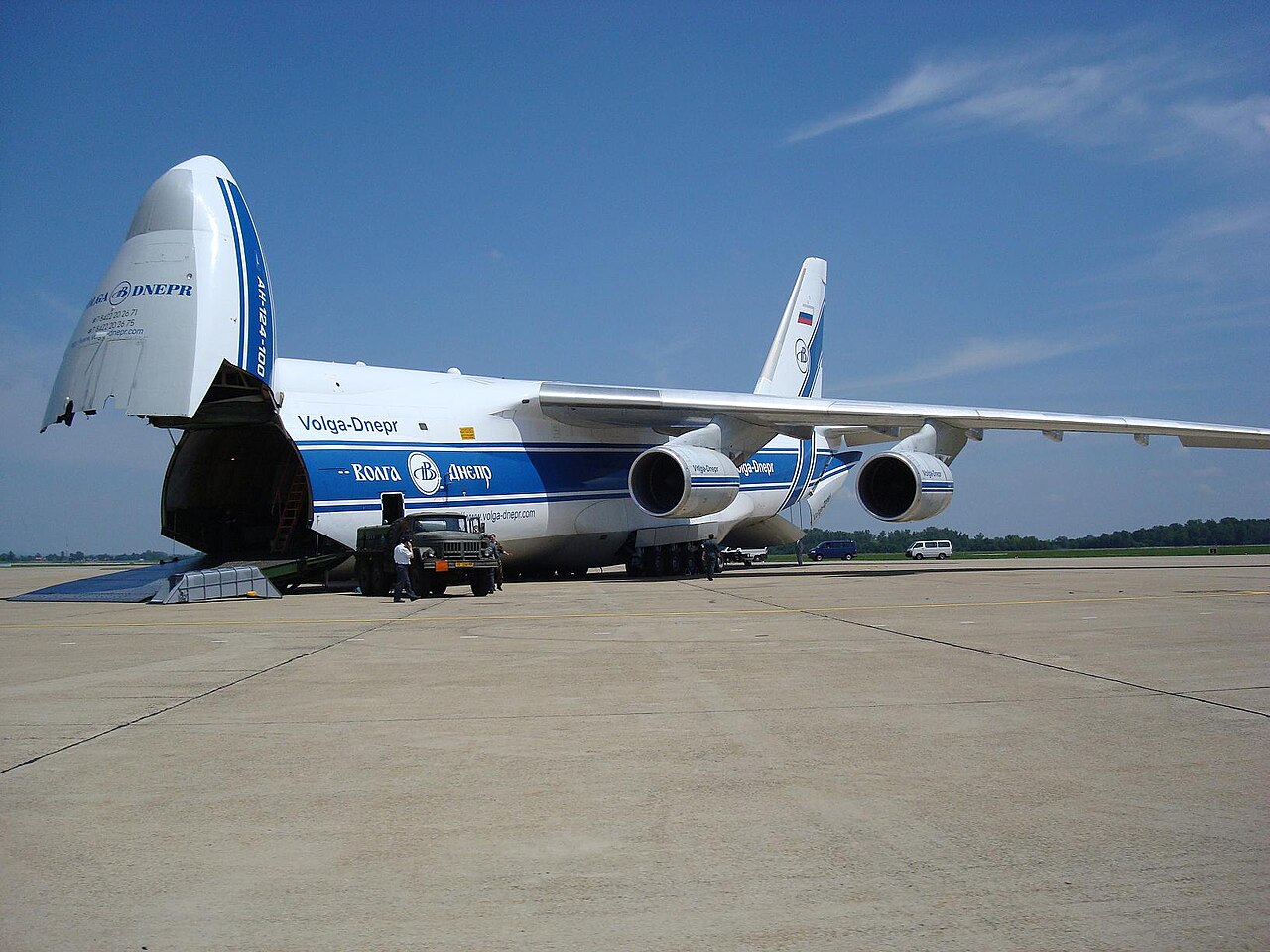
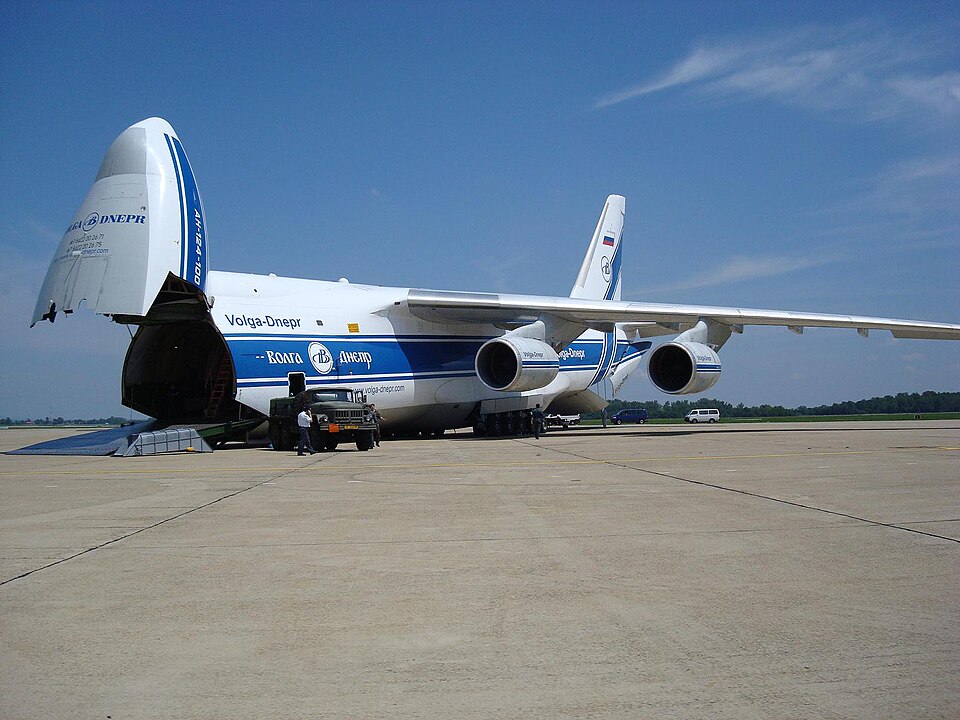
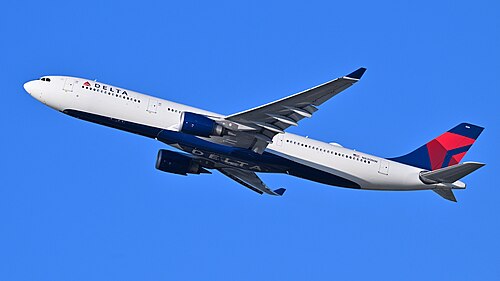
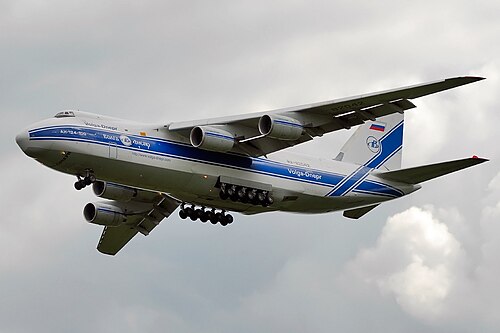
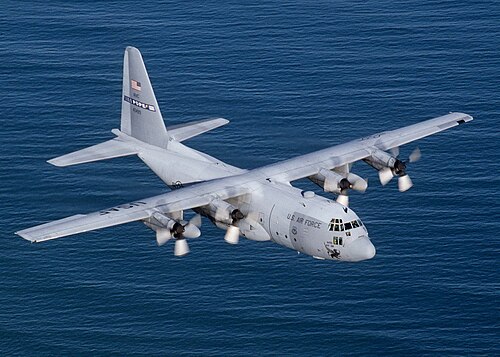
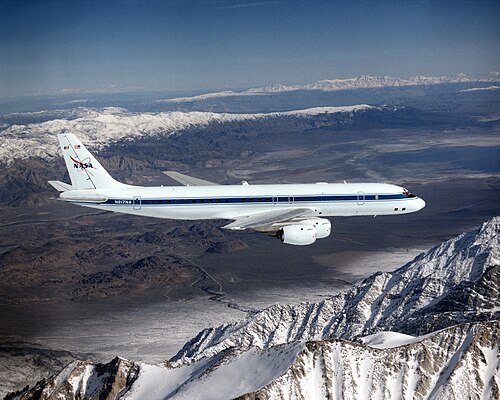
Licensed photographs of this type — heroes, eras and icons on one wall.
DtomDtomJuke SchweizerAero Icarus from Zürich, Switzerland4300streetcarAlex BeltyukovU.S. Air Force photo by Tech. Sgt. Howard BlairNASA Photo by: Jim RossKen FieldingRichard Vandervord