Airship is one of 48 vehicle types in this atlas. The pages treat it as a full system — history, anatomy, operating principles, culture, icons, future pressure and market shape — not a product brochure.
Scores compare airship with the other types on speed, efficiency, accessibility, safety, cultural impact and tech disruption. They are relative editorial judgements, not laboratory ratings.
Seven chapters dig in: origins, systems and cutaways, how it works, cultural life, legendary icons, what comes next, and how money and regions structure the fleet.
Deep introduction
Deep dive: Airship
Airship is not a single machine — it is a family of designs, duties and cultures inside the air atlas. This deep intro maps how the type varies, what systems make it work, and why places adopt it differently.
Diversity, systems, culture and markets — plus a lens tuned to this language region.
Diversity inside the type
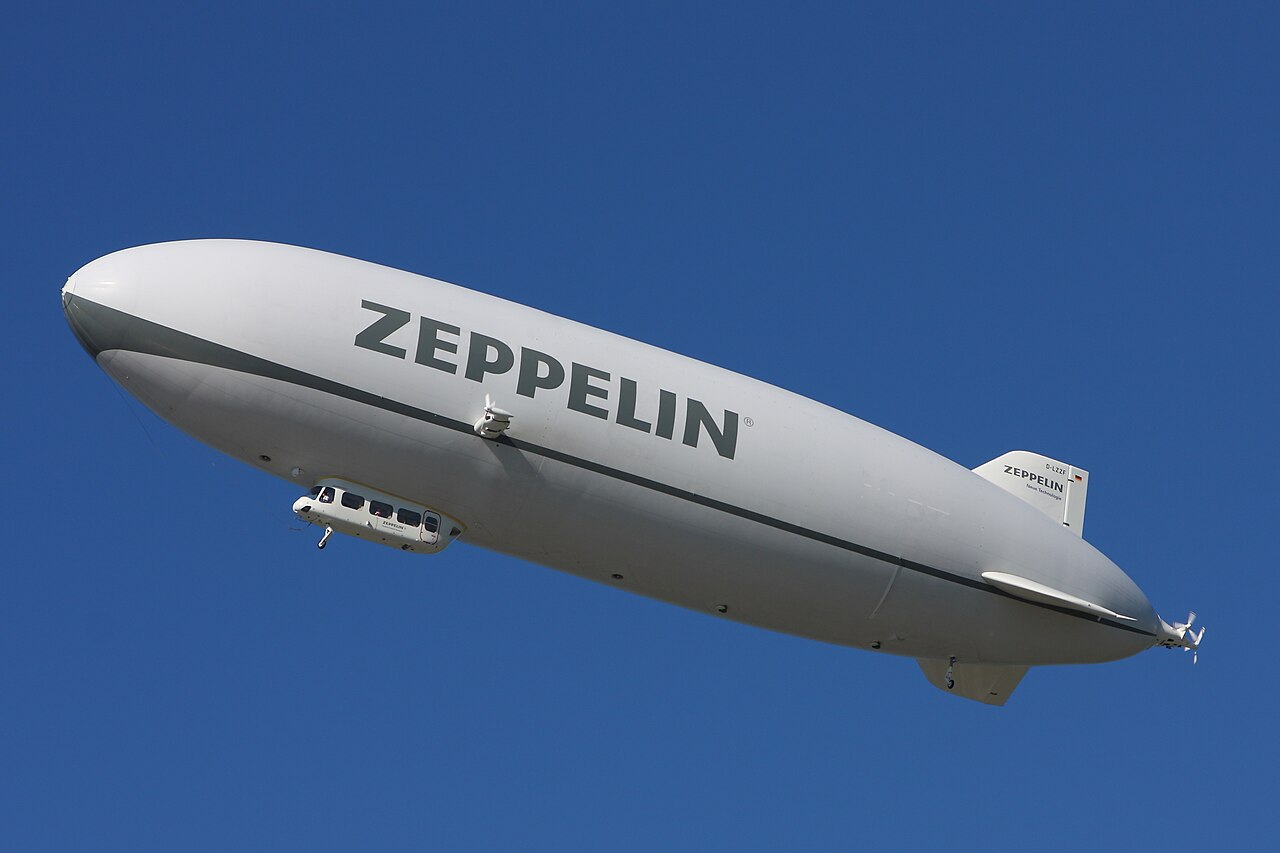
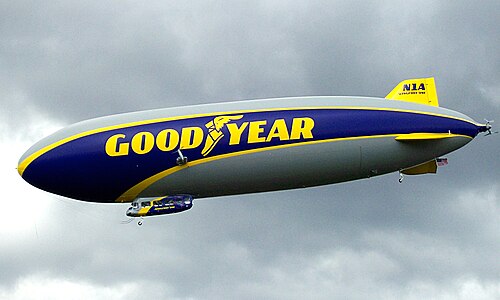
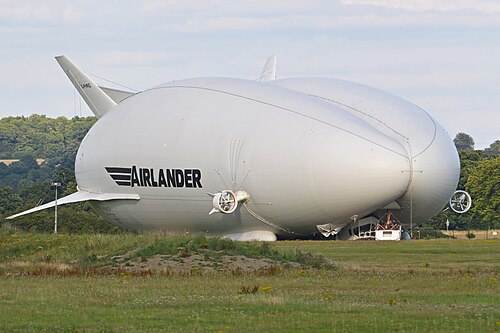
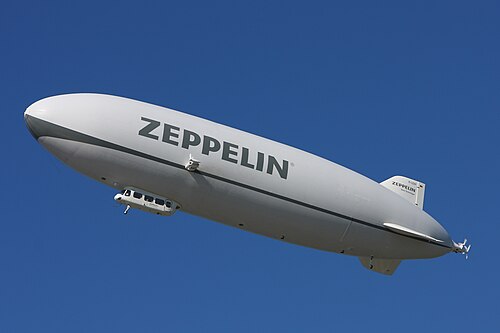
Advertising blimps, semi-rigid prototypes and proposed cargo airships revive a thin family tree.
Helium vs hydrogen debates still haunt design choices.
Weather limits are operational systems more than footnotes.
Culture, status and meaning
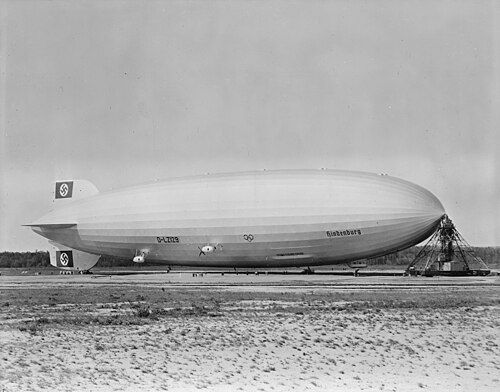
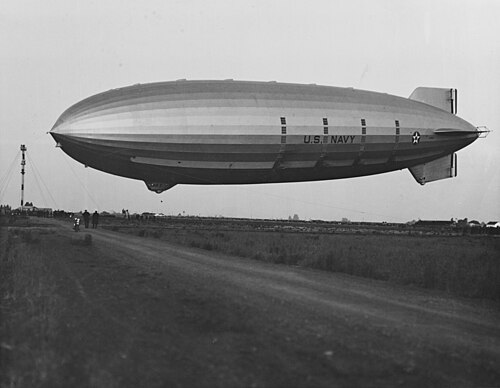
Hindenburg memory and gentle-giant branding pull in opposite emotional directions.
Stadium flyovers keep the type culturally visible without cargo relevance.
Markets, fleets and money
Tiny fleets mean every programme is almost bespoke finance.
Tourism and advertising still out-earn freight dreams.
Technical deep dive
Technical deep dive: Airship
Airship engineering is a stack of structure, energy conversion, control loops and certified envelopes inside the air atlas. This page maps how loads travel, how power becomes motion, and where the hard limits sit.
Structure, propulsion, control and limits — plus certification language for this region.
Structure & load paths
Catenary nets transfer lift into gondola keel; semi-rigid keels carry bending on longer ships.
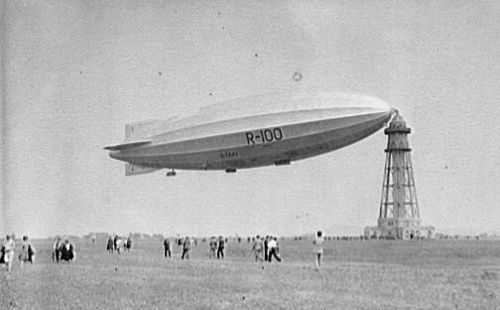
Mooring loads concentrate at nose ring—local reinforcement is critical.
Energy & propulsion
Thrust is for trim and transit, not primary lift; fuel fraction is small versus buoyancy.
Electric demos target urban surveillance with quiet vectored fans.
Control, sensing, human interface
Elevator-like pitch and yaw response demands patience; autopilot rare on small blimps.
Ground crew communication is as vital as cockpit instruments during capture.
Failure modes & hard limits
Loss of mast in gust can drag ship into obstacles faster than engines counter.
Helium fire risk is low but envelope tears descend uncontrollably if ballast exhausted.
Gas bag structure — helium preferred post-Hindenburg.
Ballast
Weight drop for ascent — water or sand.
Semi-rigid
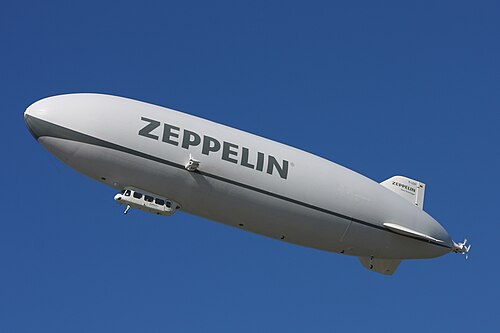
Internal frame — hybrid structural class.
Ground handling
Mast mooring crew — wind limit factor.
Static lift
Buoyancy vs dynamic wing — no stall speed.
Hangar
Indoor storage scale — infrastructure gate.
Infrastructure & corridors
Stadium overflights need TFR coordination — weather windows narrow.
Hangar height limits fleet size — few suitable sites.
Labour, crews & operations
Large handler teams on mooring — labour-intensive vs fixed-wing.
Lighter-than-air rating — small pilot pool.
Environment & energy
Helium supply and vent-on-descent waste economics.
Cargo airship proposals recycle every decade — energy per tonne-km debated.
42speedEditorial 0-100 browsing score
65efficiencyEditorial 0-100 browsing score
25accessibilityEditorial 0-100 browsing score
40safetyEditorial 0-100 browsing score
Airship: concrete atlas depth on Tool-Lifes.
Visual field notes
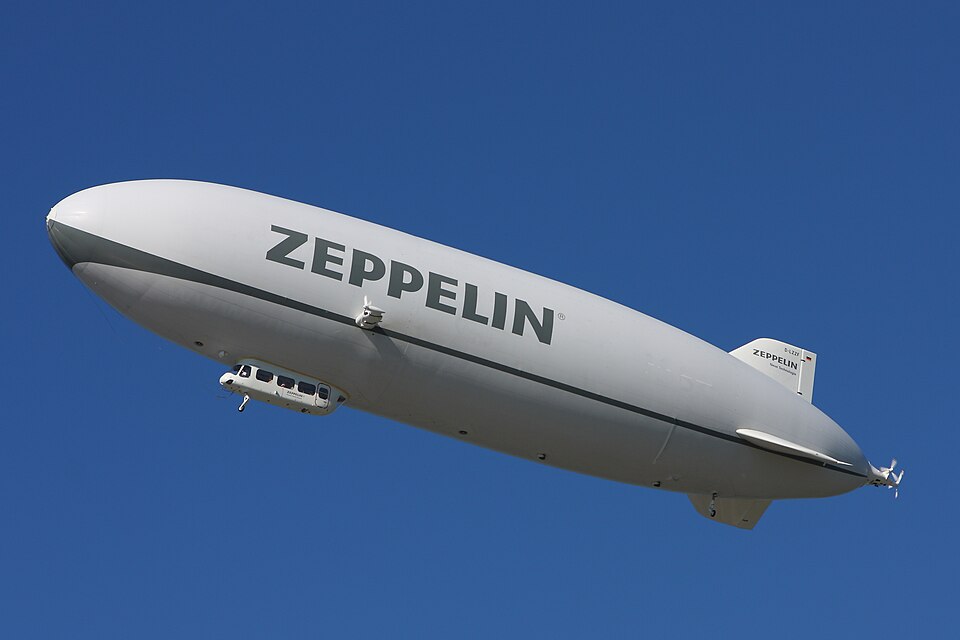
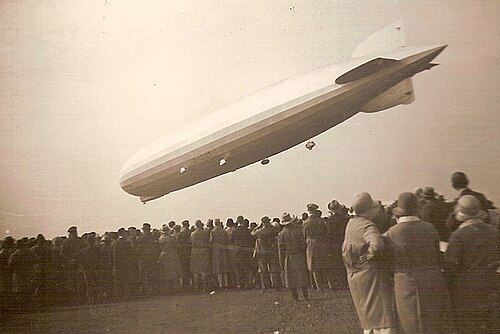
Licensed photographs of this type — heroes, eras and icons on one wall.
AngMoKioAngMoKioGromboU.S. Department of the Navy. Bureau of Aeronautics. Naval Aircraft Factory, Philadelphia, Pennsylvania (USA).Levdr1lpUSNAngMoKioAlan Wilson from Stilton, Peterborough, Cambs, UKTheodor HorydczakAngMoKio