
Skip to content Skip to a section

🏸GOAT Rankings

Badminton · The world's fastest racquet sport, where 400 km/h smashes and feather-soft net shots collide inside a single rally.

At a glance
All-time shape

#1 Lin Dan

#2 Lee Chong Wei

#3 Rudy Hartono

Last reviewed Sources & creditsMedia creditsMethodology

Quick answers

Why did badminton change to 21-point rally scoring?

Until 2006, badminton used a service-only system in which points could be scored only by the serving side — men played games to 15, women to 11 — which made matches unpredictable in length and hard to schedule for television. The BWF adopted rally-point scoring to 21 in 2006, awarding a point on every rally regardless of who served. The change made matches faster and more consistent in duration, rewarded relentless shot-to-shot consistency, and suited broadcasters. A game is now won by the first to 21 with a two-point margin, capped at 30, and a match is the best of three games. The reform is widely credited with modernising the sport's rhythm.

How fast does a badminton shuttle actually travel?

The shuttlecock is the fastest object in racquet sport off the racket. In a controlled Yonex test in 2013, Malaysia's Tan Boon Heong recorded a smash of 493 km/h (306 mph), and in-competition hits have been measured above 400 km/h. However, the shuttle decelerates more violently than any comparable projectile because its feathered skirt creates enormous drag. That is why a smash struck at 400 km/h can still be returned — by the time it crosses the net and reaches the defender it has shed most of its speed. This unique combination of blistering launch speed and rapid deceleration is exactly what makes badminton both explosive and, for defenders, improbably retrievable.

Who is the greatest badminton player of all time?

The most common answer is China's Lin Dan, and it is close to consensus. Nicknamed Super Dan, he won consecutive Olympic golds in 2008 and 2012 — the first man to defend the singles title — took five World Championships and six All England titles, and is the only player to have held all nine of the sport's major titles, the Super Grand Slam. His fiercest rival, Malaysia's Lee Chong Wei, spent a record 349 weeks as world No. 1 but never won Olympic or world gold, losing several finals to Lin. Across eras, figures such as Rudy Hartono, Susi Susanti and Carolina Marin also enter the debate, but Lin Dan survives every version of the argument.

Why is Asia so dominant in badminton?

Elite badminton is overwhelmingly concentrated in Asia — China, Indonesia, Malaysia, Japan and Korea — for reasons of culture and structure. In Indonesia the sport is a national passion with a deep grassroots club system, while China operates a centralised state academy that identifies and develops talent from childhood, producing extraordinary depth across all five disciplines. The intensity of domestic competition in these countries means players face world-class opponents constantly. Denmark is the lone traditional European power, and India, Thailand and Chinese Taipei have risen strongly in recent years. But the combination of mass participation, institutional investment and fierce internal competition keeps East and Southeast Asia as the sport's unshakeable heartland, producing the majority of Olympic and world champions.

What is the difference between the singles and doubles court?

The court is the same length, 13.4 metres, for both, but the width and service boxes differ. Singles uses the inner side lines, making the court 5.18 metres wide, and the full-length back boundary, creating a long, narrow court that rewards deep clears and corner-to-corner movement. Doubles uses the full outer side lines, 6.1 metres wide, but a shorter service court — the serve must land inside the doubles long service line, roughly 0.76 metres short of the back line — to prevent an overwhelming serving advantage in the faster doubles game. In practice this means the side tramlines are in for doubles but out for singles, and the deep service area is out for the doubles serve.

Why did Lee Chong Wei never win Olympic or world gold?

Lee Chong Wei was one of the greatest players in history and spent a record 349 weeks as world No. 1, yet the biggest titles eluded him largely because of Lin Dan. He reached three Olympic finals (2008, 2012, 2016) and four World Championship finals, losing all of them, three of those decisive defeats coming against Lin. The 2011 and 2013 world finals and the 2012 Olympic final, in particular, were agonisingly close contests decided by the finest of margins. He also overcame a 2015 doping ban and a 2018 nasal cancer diagnosis late in his career. His story is the sport's great near-miss: sustained dominance and 69 titles, but never the single gold his career deserved.

Start with this section - GOAT Rankings

Ranking badminton's greatest is complicated by eras, disciplines and the sport's brutal concentration of talent in Asia. The amateur giants played for All England glory before Olympic gold existed; the modern professionals contest a packed World Tour under television lights. Singles and doubles demand different genius. Any list must weigh Olympic and World titles, sustained dominance, longevity and the eye test.

This ranking leans on hardware and impact: multiple Olympic and World crowns, weeks at world No. 1, and the ability to define an era. Lin Dan sits at the summit almost uncontested, but the arguments below him — for Lee Chong Wei's dominance without a major gold, for Hartono's untouchable All England streak, for the women who reshaped the game — are where the real debate lives.

All-time podium

🥈
Lee Chong Wei
Lee Chong Wei
Malaysia
2
🥇
Lin Dan
Lin Dan
China
1
🥉
Rudy Hartono
Rudy Hartono
Indonesia
3

Comparison Lab

Toggle athletes on and off — every bar rescales to the leader of your selection.

Peak keeps each athlete’s strongest metrics; Career averages the full published set. Both stay editorial teaching marks.

5 / 12

Drag only reorders the cosmetic shortlist — it does not change teaching scores.

Default shortlist below works without JavaScript. Toggle chips after load to rebuild bars.

Compare · in selection · Career

  1. 1Lin Dan93
  2. 2Lee Chong Wei88
  3. 3Rudy Hartono69
  4. 4Susi Susanti55
  5. 5Viktor Axelsen52

Olympic golds

Lin Dan2
Viktor Axelsen2
Susi Susanti1

World titles

Lin Dan5
Viktor Axelsen2

All England

Rudy Hartono8
Lin Dan6
Lee Chong Wei4
Susi Susanti4
Viktor Axelsen2

Career titles

Lee Chong Wei69
Lin Dan66

Weeks at No. 1

Lee Chong Wei349

Super Series titles

Lee Chong Wei47

World title

Rudy Hartono1
Susi Susanti1

Straight All England

Rudy Hartono7

Thomas Cup golds

Rudy Hartono4

World Cup titles

Susi Susanti5

Tour titles

Viktor Axelsen30+

The top 10

1
Lin Dan

Lin Dan

China · 2000-2020

Widely regarded as the greatest of all time, Lin Dan is the only man to hold all nine major titles at once, completing the so-called Super Grand Slam by 2011. Super Dan won consecutive Olympic golds in Beijing 2008 and London 2012 — the first man to defend the singles crown — and took five World Championships (2006, 2007, 2009, 2011, 2013) and six All England titles. His left-handed attacking game paired a thunderous jump smash with tactical patience and an unbreakable big-match temperament. The rivalry with Lee Chong Wei, 40 meetings with Lin winning the majority, defined an era; their 2012 Olympic final is routinely called the greatest match ever played. Fierce, charismatic and famously tattooed, he anchored six Thomas Cup-winning Chinese teams before retiring in 2020 after two decades at the very summit of the sport.
Olympic golds
2
World titles
5
All England
6
Career titles
66
2
Lee Chong Wei

Lee Chong Wei

Malaysia · 2000-2019

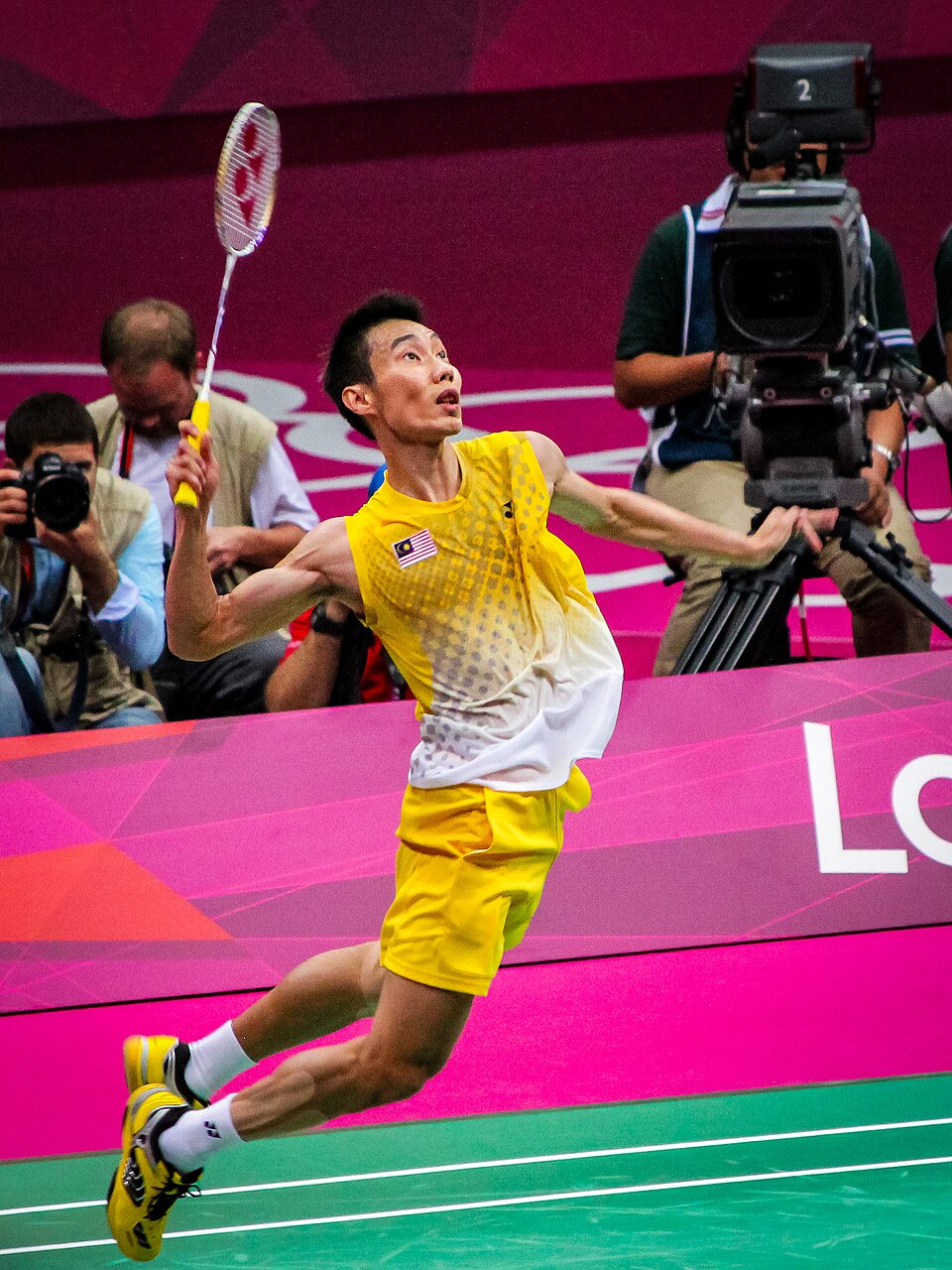
Malaysia's greatest athlete spent a record 349 weeks as world No. 1, yet is defined by the medals he never won: three Olympic finals (2008, 2012, 2016) and four World Championship finals all ended in silver, three of them against Lin Dan. That framing undersells a staggering career of 69 titles, including a record 47 Super Series crowns and four All England titles (2010, 2011, 2014, 2017). His speed, court coverage and defensive retrieving were unmatched; he turned defence into attack from impossible positions and dominated week in, week out for over a decade. He returned from a 2015 doping ban and a 2018 nasal cancer diagnosis before retiring in 2019. A national hero who carried a badminton-obsessed country, he remains, statistically, the most consistent men's singles player of the modern age.

Weeks at No. 1
349
Career titles
69
Super Series titles
47
All England
4
3
Rudy Hartono

Rudy Hartono

Indonesia · 1965-1981

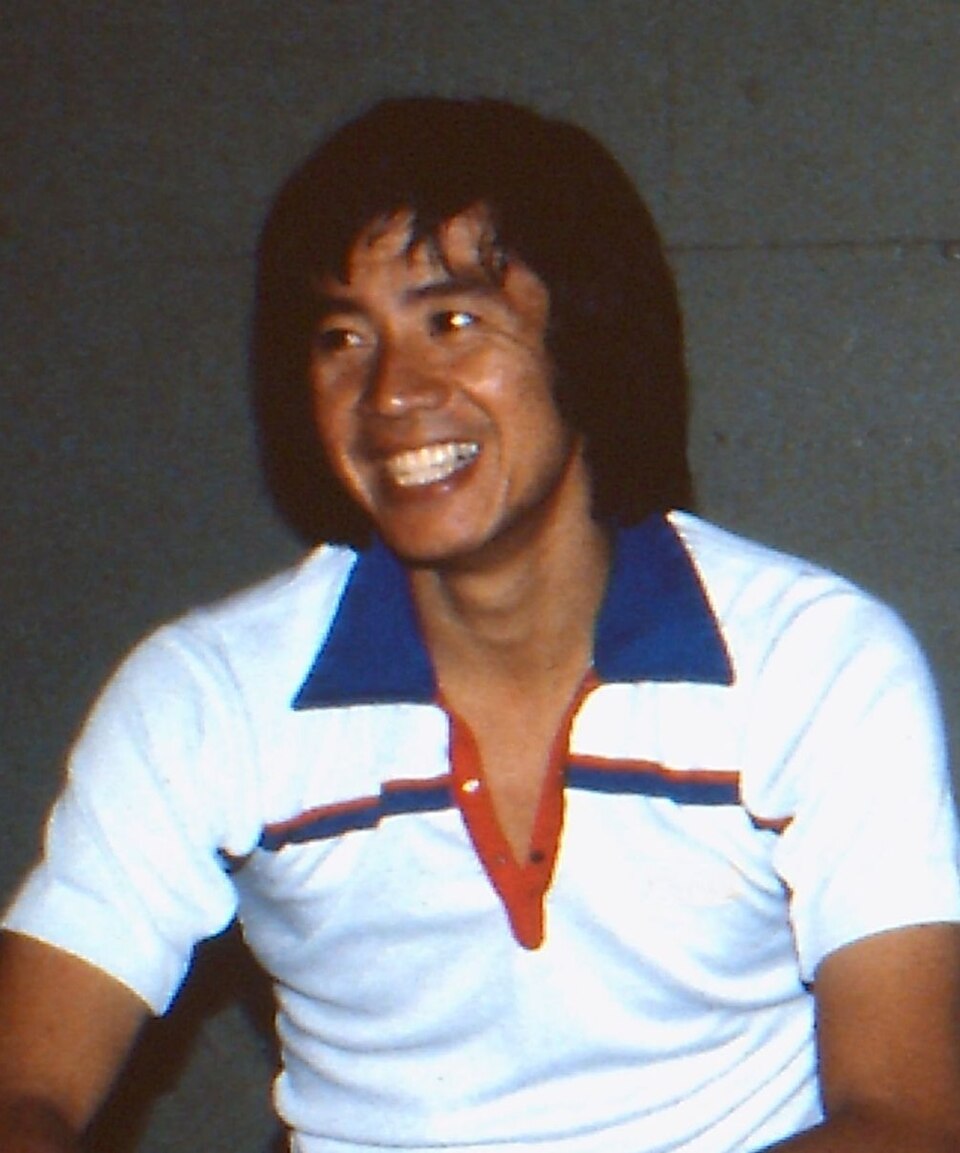
Before the Open era's riches, Rudy Hartono was badminton's first global superstar. He won the All England Championship a record eight times, including seven in succession from 1968 to 1974 — a feat unmatched in any singles racquet sport — adding an eighth in 1976. He crowned his career as an undisputed World Champion in 1980 at 31, and anchored four Thomas Cup-winning Indonesian teams. Renowned for elegant, effortless movement and a whip-like smash, Hartono dominated an amateur age when the All England effectively served as the world title, drawing fervent crowds and giving the sport its first true glamour. Widely named among the greatest players of the twentieth century, he set the template for Indonesia's enduring badminton dynasty and remains the benchmark against which all All England greatness is measured, more than four decades after his final title.

All England
8
World title
1
Straight All England
7
Thomas Cup golds
4
4
Viktor Axelsen

Viktor Axelsen

Denmark · 2010-present

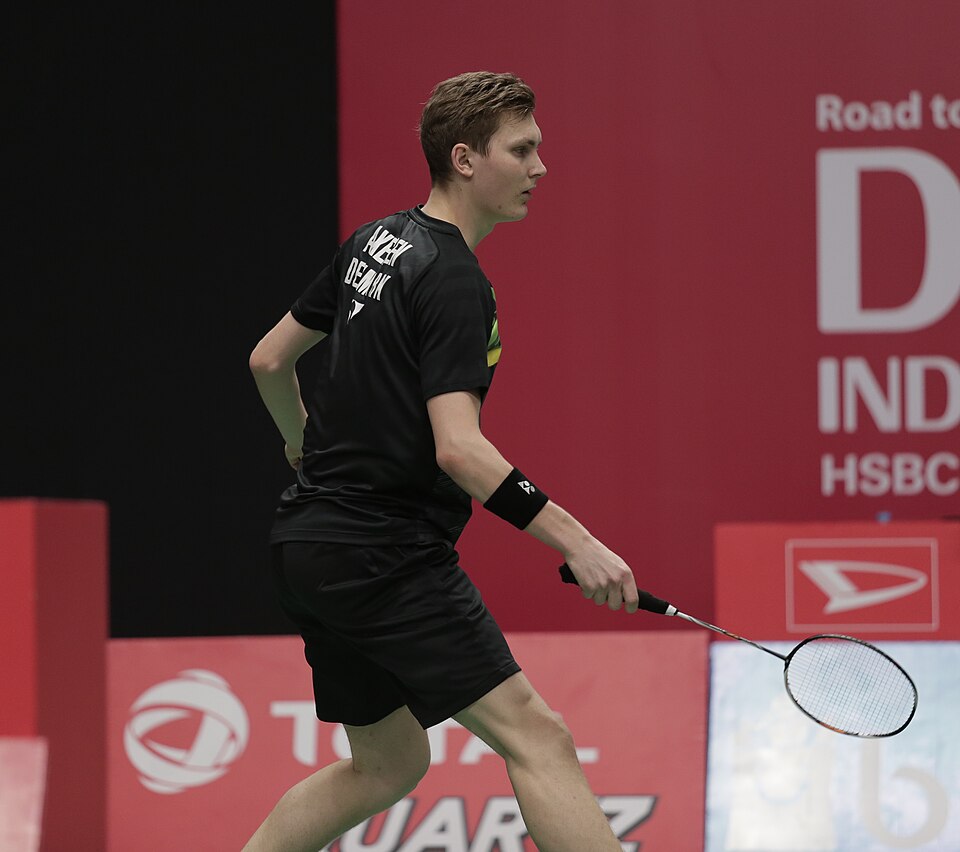
The dominant men's singles player of the 2020s and Europe's finest since the amateur era, Viktor Axelsen became the first non-Asian man in decades to rule the sport outright. The 1.94-metre Dane won Olympic gold in Tokyo 2020 and defended it in Paris 2024, and holds two World titles (2017, 2022) plus All England crowns in 2020 and 2022. Blending a colossal reach, a steep jump smash and hard-won patience, he strung together a spell of near-total dominance around 2021 and 2022, losing only a handful of matches across the seasons. Fluent in Mandarin and famously professional, he relocated to train at altitude in Dubai to extend his career. His rivalries — with Kento Momota, and later a rising field of Asian challengers — have defined the post-Lin Dan landscape and proved that the sport's summit is no longer an Asian monopoly.

Olympic golds
2
World titles
2
All England
2
Tour titles
30+
5
Susi Susanti

Susi Susanti

Indonesia · 1989-1998

Susi Susanti delivered Indonesia's first-ever Olympic gold medal of any kind at Barcelona 1992, winning the inaugural women's singles title on the same day her future husband Alan Budikusuma took the men's crown — a national fairy tale watched by a spellbound country. She added the 1993 World Championship and four All England titles (1990, 1991, 1993, 1994), and won the World Cup a record five times. Playing with metronomic consistency, tireless defence and an unbreakable competitive calm, she was the finest women's player of the early 1990s and the pioneer who proved the women's game could carry a nation's hopes. Her Barcelona gold remains one of the sport's most emotionally resonant moments and the foundation of Indonesia's badminton identity, and she is universally regarded as one of the greatest women ever to play the game.

Olympic golds
1
World title
1
All England
4
World Cup titles
5
6
Zhang Ning

Zhang Ning

China · 1991-2008

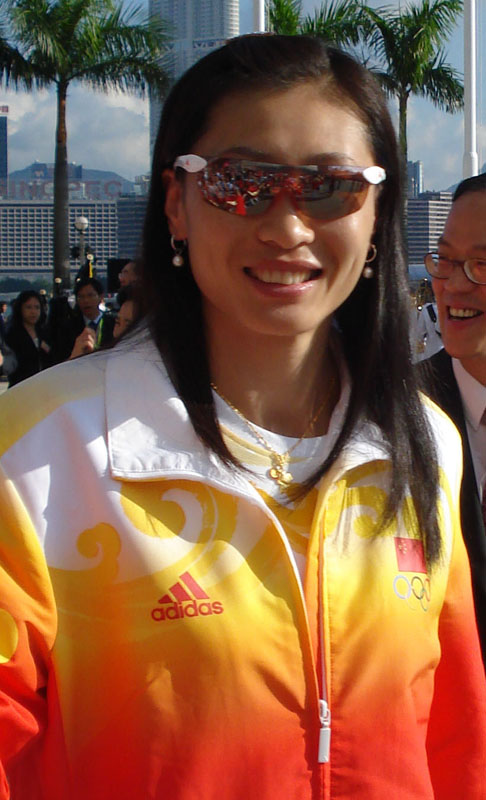
Zhang Ning defied age and expectation to become the only woman to win two Olympic singles gold medals, at Athens 2004 and Beijing 2008 — the latter aged 33, making her the oldest Olympic badminton champion. A late bloomer who broke through only in her late twenties, she added the 2003 World Championship and multiple Uber Cup team titles for China. Her game was built on suffocating consistency, deep clears and superb defence rather than flashy winners, wearing opponents down over long, punishing rallies. The 2008 gold, won on home soil in Beijing over compatriot Xie Xingfang, capped a remarkable second act and reinforced China's grip on women's singles. Few champions have peaked so late or defended an Olympic title so improbably, and her longevity at the top makes her one of the most quietly formidable players the women's game has produced.

Olympic golds
2
World title
1
World medals
2
Uber Cup titles
2
7
Taufik Hidayat

Taufik Hidayat

Indonesia · 1999-2013

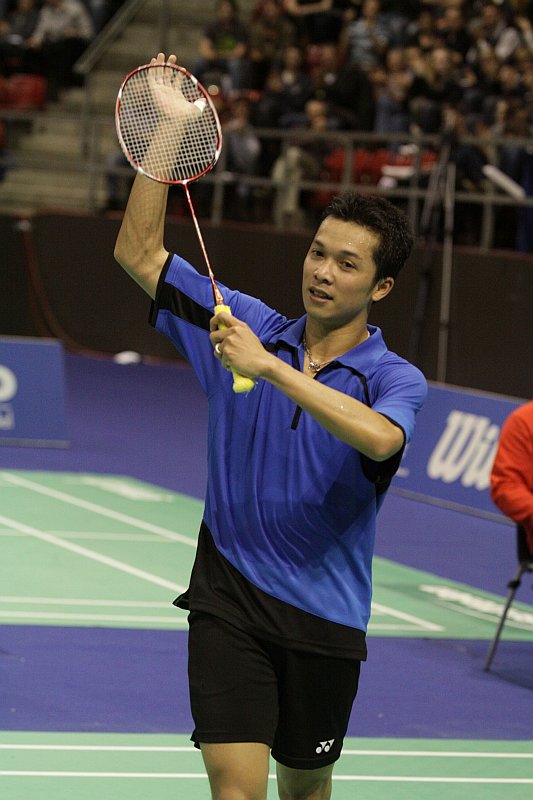
Blessed with the most beautiful backhand the sport has seen, Taufik Hidayat completed the singles set that eluded even some legends: Olympic gold at Athens 2004 and the World Championship in 2005, won at home in Jakarta before a delirious crowd. He captured the Indonesia Open a record six times and won Asian Games gold in 2006. His signature backhand smash and around-the-head attacking play were matched by a mercurial temperament that made him box-office. At his best — the 2004 to 2005 peak — he combined artistry with ruthlessness, dismantling opponents with angles and disguise rather than brute force. Though injuries and inconsistency meant he never held prolonged No. 1 dominance, at his height Taufik was the most watchable and technically gifted player of his generation, and his backhand remains a reference point for coaches and players the world over.

Olympic golds
1
World title
1
Indonesia Open
6
Asian Games gold
1
8
Carolina Marin

Carolina Marin

Spain · 2013-present

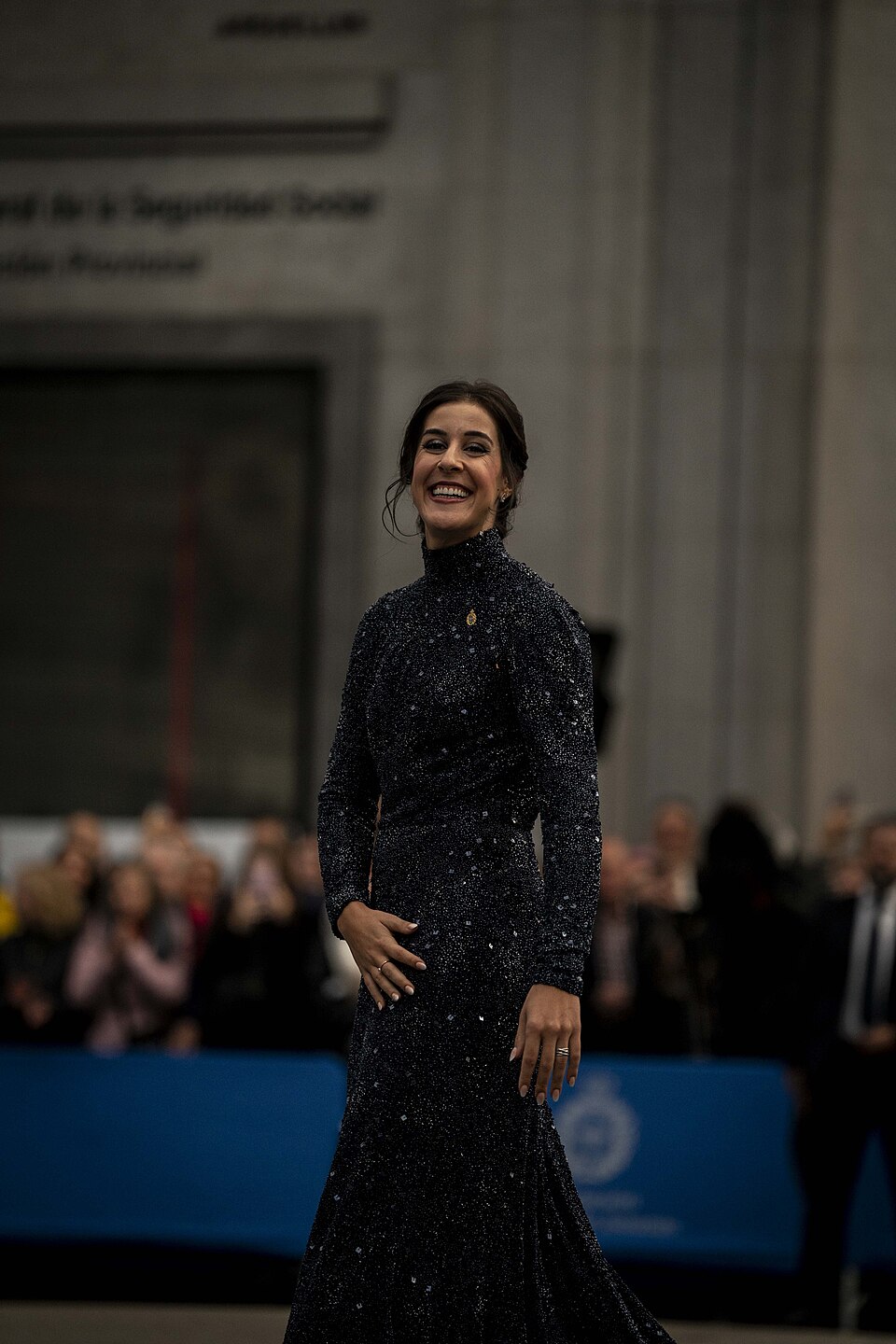
Carolina Marin shattered Asia's monopoly on women's singles, becoming the first European to win Olympic gold in the discipline at Rio 2016 and the only player, of either sex, to win the World Championship three times in singles (2014, 2015, 2018). The left-handed Spaniard brought an unprecedented ferocity to the women's game — a relentless, aggressive attacking style punctuated by primal on-court screams — and has dominated the European Championships, winning it a record seven times. Two devastating ACL injuries, in 2019 and again during the Paris 2024 semi-final while she was leading, robbed her of likely further Olympic medals and became the great cruelty of her career. Marin single-handedly made badminton a mainstream sport in Spain and inspired a generation far beyond the traditional powerhouses, proving that a European could not merely compete with, but overwhelm, the Asian elite.

Olympic golds
1
World titles
3
European titles
7
Tour titles
20+
9
Tai Tzu-ying

Tai Tzu-ying

Chinese Taipei · 2010-2024

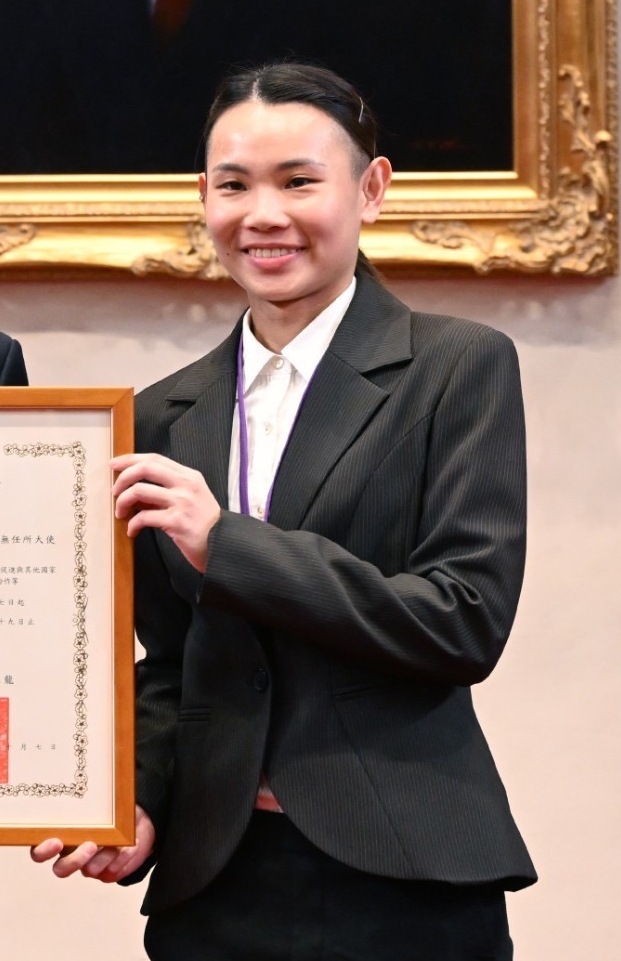
Tai Tzu-ying is the greatest player never to win a major singles title, and perhaps the most naturally gifted shot-maker the women's game has produced. She held the world No. 1 ranking for a record 214 weeks and won more than 30 titles, including back-to-back All England crowns (2017, 2018) and the World Tour Finals. Her badminton was defined by outrageous deception — wrist-flick disguises, no-look drops and impossible angles that left opponents frozen mid-court. Yet Olympic and World Championship gold eluded her: she took silver at Tokyo 2020, losing to Chen Yufei, and never won the Worlds despite years of dominance. Retiring in 2024 after persistent injury, Tai Tzu leaves a legacy measured not in the biggest titles but in a style so joyful and inventive that she permanently expanded the imagination of what the women's game could look like.

Weeks at No. 1
214
All England
2
Tour titles
30+
Olympic silver
1
10
Kento Momota

Kento Momota

Japan · 2013-2024

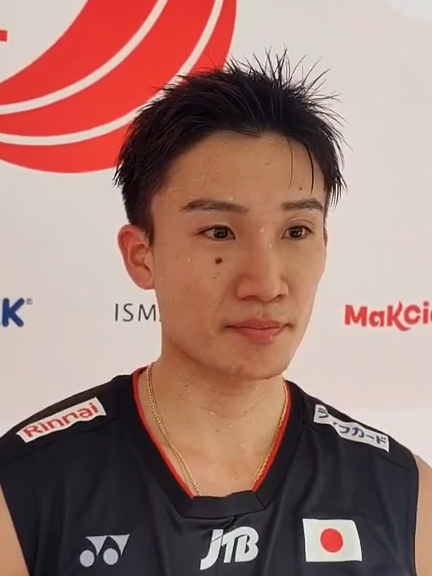
At his 2018 to 2019 peak, Kento Momota was untouchable. He won back-to-back World Championships (2018, 2019) and captured a record 11 titles in the 2019 calendar season, the most in the sport's history, finishing the year as an utterly dominant world No. 1. A left-hander who relied on pinpoint control, elite defence and tactical intelligence rather than raw power, he had already rebuilt his career after a 2016 gambling scandal cost him a place at the Rio Olympics. Then, in January 2020, a car crash in Malaysia that killed the driver left Momota with a fractured eye socket; he was never quite the same, exiting Tokyo 2020 in the group stage. He retired in 2024. For roughly two seasons, however, few players in history have been more complete, and that fleeting peak was as high as anyone has reached.

World titles
2
2019 season titles
11
Career titles
20+
Thomas Cup gold
1
11

Fu Haifeng

China · 2000-2016

The finest men's doubles player of his generation, Fu Haifeng powered China's dominance with the hardest smash the sport had seen — his 332 km/h effort at the 2005 Sudirman Cup stood as a world record and helped define the modern power-doubles era. Partnering Cai Yun, he won Olympic gold at London 2012 and four World Championships (2006, 2009, 2010, 2011), a men's doubles record, then added a second Olympic gold at Rio 2016 alongside Zhang Nan, aged 32. A left-handed rear-court hitter of terrifying force, he anchored multiple Thomas Cup and Sudirman Cup-winning Chinese teams across a 16-year career. Fu proved that doubles could be as thrilling and as decorated as singles, and his blistering attack reshaped how the discipline was played, making the flat, fast, downward game the template for every top pairing that followed.

Olympic golds
2
World titles
4
Thomas Cup golds
5
Fastest smash
332 km/h
12

P.V. Sindhu

India · 2013-present

India's most decorated badminton player, P.V. Sindhu turned the World Championship podium into her own: five medals between 2013 and 2019 — a women's singles record — culminating in the 2019 title in Basel, where she demolished Nozomi Okuhara in the final. She is a two-time Olympic medallist, taking silver at Rio 2016 in an epic loss to Carolina Marin and bronze at Tokyo 2020, becoming the first Indian woman to win two individual Olympic medals. Tall, powerful and relentless, with a punishing cross-court smash, she carried Indian badminton's global breakthrough alongside coach Pullela Gopichand. More than her titles, Sindhu's marketability and big-match presence helped transform badminton into a mainstream sport in a cricket-obsessed nation of 1.4 billion, making her one of the most recognisable and commercially significant athletes the sport has produced.

World title
1
World medals
5
Olympic medals
2
Tour titles
10+

Bars are scaled to the leader in this list.

The debate

Lin Dan's place at No. 1 is as close to consensus as any GOAT debate offers: two Olympic golds, five world titles and the only Super Grand Slam settle it. The fiercest argument is over No. 2. Lee Chong Wei never won an Olympic or world gold, yet spent 349 weeks as world No. 1 and beat every peer except, agonisingly, Lin Dan on the biggest days. Is sustained dominance without the ultimate title worth more than a shorter career with the medals? Most rank Lee second on the sheer weight of his consistency and the cruelty of his near-misses.

Cross-era and cross-discipline comparisons muddy everything else. Rudy Hartono's eight All England titles came before Olympic gold or a world tour existed, so his hardware understates his dominance. The women's game forces hard choices between Susi Susanti's pioneering 1992 gold, Zhang Ning's two Olympic titles, Carolina Marin's three world crowns and Tai Tzu-ying's genius without a major. And doubles greats like Fu Haifeng are almost impossible to weigh against singles legends. The honest verdict is that badminton has several GOATs — one per era and per discipline — with Lin Dan the only name that survives every version of the argument.

Embed this ranking

Paste this code into your blog or site — the ranking stays up to date.

Keep exploring

More in this category