- 1 Start
- 2 Mid
- 3 End
Isometric hold
●○○○○3×30–45 s
Build gentle tension without sharp symptom spike; breathe steadily.
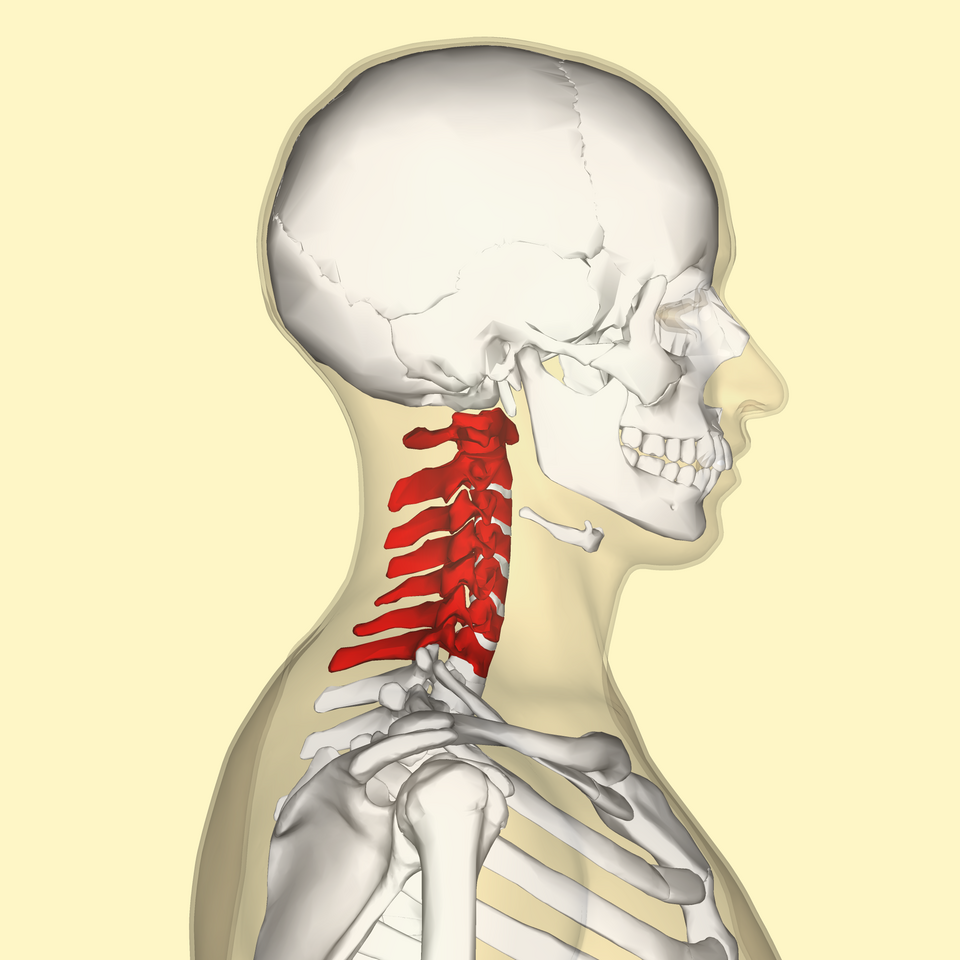
Neck · The seven cervical vertebrae and the soft tissues that carry the head — posture load, disc and facet pain, and graded mobility work.
Darker cells mean a higher score for this topic on that metric.
LessMore
Last reviewed Sources & creditsMedia creditsMethodology
Not always. Sensitivity can rise with load spikes, sleep loss and stress even when imaging is unremarkable. Clinicians separate serious pathology from common nociplastic or mechanical patterns.
Many soft-tissue presentations settle over weeks to a few months with graded loading; post-operative and neuro pathways often run longer and are criteria-based.
Guidelines generally reserve early imaging for red flags or when results would change management — not for every first presentation of mechanical pain.
Transient soreness after new loading is common; sharp, escalating, night-waking or neurological change is a reason to stop and reassess with a clinician.
They can be adjuncts for confidence or tissue protection in defined windows, but durable capacity usually comes from progressive loading and skill practice.
Red flags, progressive neurological deficit, failed adequate conservative care, or surgical candidacy discussions — timing varies by condition and health system.
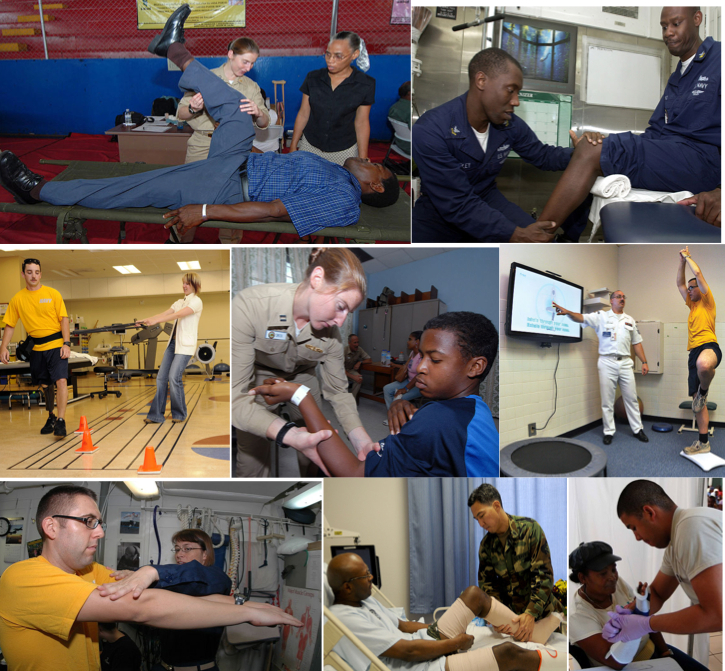
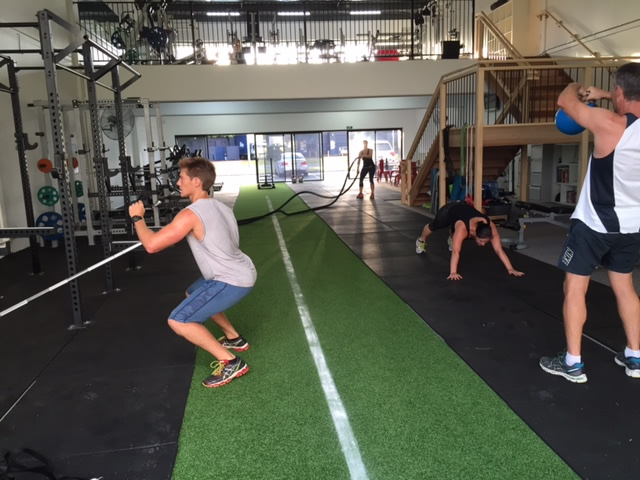
The menu below reflects common educational progressions, not a prescription. Dose, order and contraindications are individual.
Difficulty stars (1–5) are relative within this topic for layout comparison.
Simple picture of a move already published on this page — not a prescription or medical advice.
3×30–45 s
Build gentle tension without sharp symptom spike; breathe steadily.
2×10–15
Move through comfortable arc; stop short of guarding.
3×8–12
Smooth tempo; match resistance to form quality.
3×6–10
Slow lowering phase; monitor next-day irritability.
3×8
Keep alignment cues; progress stance or reach challenge.
3×4–6
Only after strength baseline; emphasise soft landings.
4–6 quality reps
Rehearse the goal task under fatigue management.
Planned exposures
Graded volume toward full demands with exit criteria.
When images resolve from Wikimedia, they illustrate context — not perfect technique models for every body.
Neighbouring topics share region literacy — not a severity ranking.
The lumbar spine bears more compressive load than any other spinal region, making low back pain the single most common musculoskeletal complaint worldwide.
Pain frequency 80 Same body regionThe core is the coordinated group of trunk muscles that stabilizes the spine and pelvis, transferring force between the upper and lower body during nearly every movement.
Pain frequency 35 Same body region