- 1 Start
- 2 Mid
- 3 End
Feet-together stance
●○○○○3 × 20–30s
Stand with feet together near a stable surface for support if needed, gradually reducing reliance on the hands.
Balance · Balance depends on the brain continuously combining signals from the inner ear, eyes, and joints, and its decline is one of the strongest predictable predictors of falls in older adults.
Darker cells mean a higher score for this topic on that metric.
LessMore
Last reviewed Sources & creditsMedia creditsMethodology
Balance decline in older adults is typically multifactorial, involving age-related changes in the vestibular system, reduced muscle strength, slower reaction times, medication side effects, and sometimes vision changes.
Yes — structured balance training is one of the most consistently supported interventions for reducing fall risk, with meaningful improvements often measurable within a few months of regular practice.
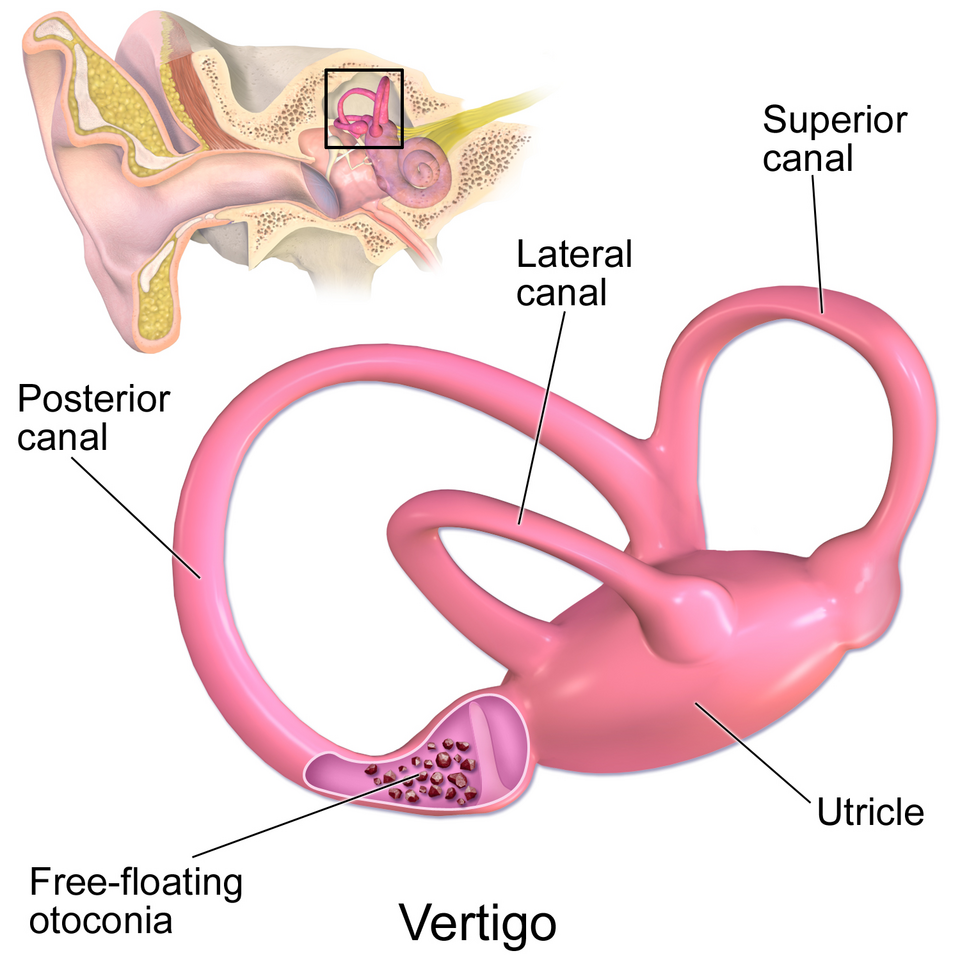
Benign paroxysmal positional vertigo, or BPPV, is a common inner ear condition causing brief episodes of spinning sensation triggered by specific head movements, related to displaced calcium crystals within the inner ear's balance organs.
Balance depends on sensory integration and rapid postural adjustments, while strength refers to the force muscles can produce; both contribute to fall prevention but are trained somewhat differently.
Several medication classes, including some blood pressure medications, sedatives, and certain psychiatric medications, are associated with increased fall risk, partly through effects on balance and alertness.
Vestibular rehabilitation therapy is a specialized exercise-based approach targeting inner ear-related balance and dizziness problems, often including gaze stabilization and habituation exercises.
Balance exercise programs typically progress from simple static stance tasks toward dynamic, multi-tasking movements that better reflect the challenges of daily life, such as walking while turning the head or navigating uneven surfaces.
For individuals with a specific vestibular condition, gaze stabilization and habituation exercises are often included alongside general balance training, following approaches used in vestibular rehabilitation therapy.
Simple picture of a move already published on this page — not a prescription or medical advice.
3 × 20–30s
Stand with feet together near a stable surface for support if needed, gradually reducing reliance on the hands.
2 × 10 each direction
Standing with feet shoulder-width apart, shift weight slowly from side to side and front to back with control.
3 × 20–30s
Stand with one foot directly in front of the other, heel to toe, near a support surface if needed.
3 × 15–30s each side
Balance on one leg with a slight knee bend, using a nearby support if needed and reducing reliance over time.
2 × 30s
Fix the eyes on a stationary target while turning the head side to side, keeping the target in clear focus.
3 × 20–30s
Stand on a soft, unstable surface such as a foam pad to challenge balance in a safe, controlled way.
2 × 10m
Walk a straight path while turning the head left and right at a steady pace, maintaining a straight walking line.
3 × 8 each direction
Step forward, backward, and sideways in a controlled sequence, focusing on stable footing with each step.
Exercises are typically tailored to the specific contributing systems identified during assessment, with vestibular-specific exercises added for inner ear conditions and general strength and reaction-time training emphasized for age-related decline.
Neighbouring topics share region literacy — not a severity ranking.