Error-prone copy
RNA-dependent polymerases often lack tight proofreading, so each burst of replication adds diversity.
Mutation and variants — Populations of genomes, not cartoon villains — RNA viruses copy sloppily, and public-health names track clusters that spread.
Darker cells mean a higher score for this topic on that metric.
LessMore
Last reviewed Sources & creditsMedia creditsMethodology
Read Identity → How they live → Body & health, then use compare rails.
Public-health education — not a care plan, prescription, or outbreak briefing.
It names everyday desks for Change & defence before English norms look universal.
No — editorial 0–100 browsing aids inside this atlas only.
Use related cards and best-of / quiz rails after the first three chapters.
How they live and Body & health carry mechanisms; skim Identity first.
A mutation is a change in a genome when it is copied. A variant is a cluster of genomes that share changes and a transmission story.
Headlines compress that into a single name. The biology underneath is a cloud of slightly different copies competing in hosts.
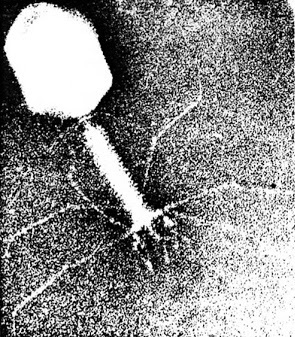
RNA-dependent polymerases often lack tight proofreading, so each burst of replication adds diversity.
Immunity, transmissibility and chance decide which mutants become common, not a plan inside one particle.
Changes in HA, spike or other outer proteins can weaken last season's antibody binding.
Segmented influenza genomes can shuffle in a co-infected host; 1957 and 1968 are the textbook pandemic examples.
Pango lineages, WHO Greek letters and flu clade names are filing systems for clusters that matter to vaccines or spread.
Calling a lineage 'evil' hides the real work: measuring spread, severity and immune escape in people.
Once 'variant' means a population, scare costumes become optional and surveillance becomes the point.
A shared drug budget under selection in hospitals, farms and wastewater — stewardship, not a lab manual.
Familiarity 85Antibodies, memory cells and community arithmetic — conceptual, not a prescription and not an anti-vaccine tract.
Familiarity 94Surface cities of microbes — plaque and catheters explain persistence, without a grow-your-own kit.
Familiarity 38Clean water saves lives; missing old microbial partners is a separate, still-debated immune story.
Familiarity 70Sideways DNA traffic — conjugation, transduction, transformation as names and history, not protocols.
Familiarity 45