No nucleus
Transcription and translation happen in one compartment, so gene control is fast and crowded.
Bacteria — Single-celled prokaryotes with cell walls — the oldest widespread life form, and both partners and pathogens.
Darker cells mean a higher score for this topic on that metric.
LessMore
Last reviewed Sources & creditsMedia creditsMethodology
Read Identity → How they live → Body & health, then use compare rails.
Public-health education — not a care plan, prescription, or outbreak briefing.
It names everyday desks for Tree of microbes before English norms look universal.
No — editorial 0–100 browsing aids inside this atlas only.
Use related cards and best-of / quiz rails after the first three chapters.
How they live and Body & health carry mechanisms; skim Identity first.
Identity starts with a negative: no nucleus, no mitochondria. A typical cell is a few micrometres of cytoplasm, ribosomes and a tightly packed nucleoid.
Shapes — rods, spheres, spirals, filaments — are teaching labels. Ecology and metabolism tell you more than silhouette.
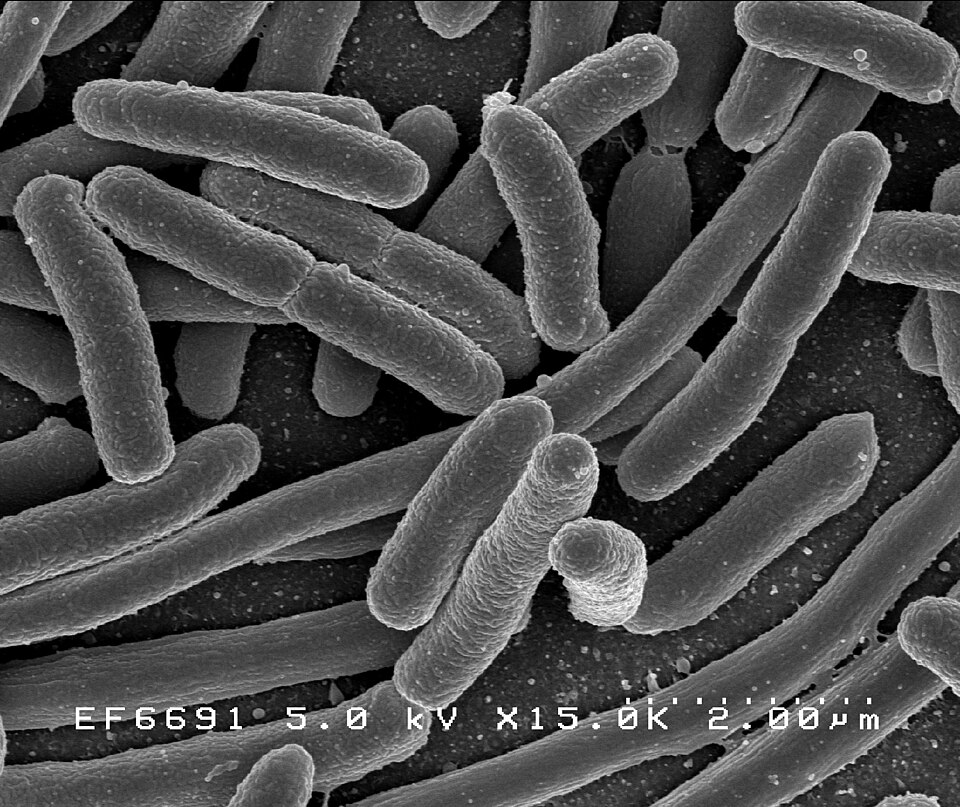
Transcription and translation happen in one compartment, so gene control is fast and crowded.
A mesh of sugars and peptides. Beta-lactams target its construction in many pathogens.
Usually one main circle plus optional plasmids that can carry resistance or extra metabolism.
A slow-changing gene used to place unknown cells on the tree without growing them.
One cell becomes two. Sexual meiosis is absent; diversity arrives by mutation and gene transfer.
From oxygen photosynthesis to eating rock chemistry — unmatched among familiar life.
Once you see bacteria as a domain, 'germ' becomes a thin slice of a much older story.
Packets of DNA or RNA that are not cells — they replicate only inside living hosts.
Familiarity 96A eukaryotic kingdom of yeasts, moulds and mushrooms — chitin walls, external digestion, partners of plants.
Familiarity 80A prokaryotic domain that is not bacteria — methanogens, extremophiles and no known human pathogens.
Familiarity 35Viruses that infect bacteria — Earth's most abundant biological entities, and a concept-level idea in medicine.
Familiarity 42Motile unicellular eukaryotes — a teaching grade that includes pond ciliates and a minority of serious parasites.
Familiarity 58