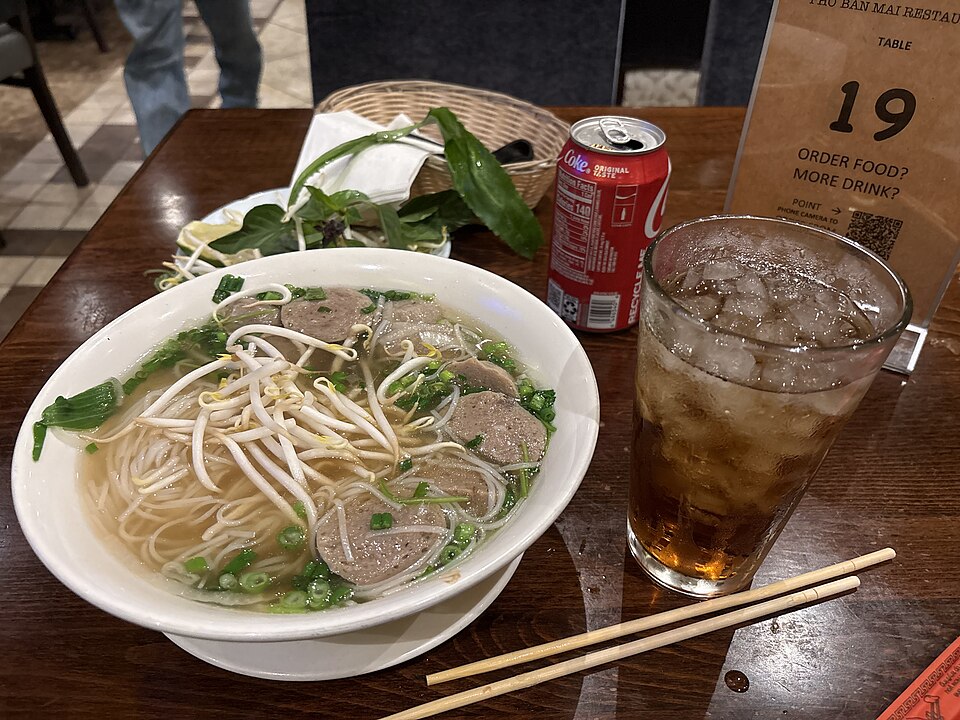
Dai Viet
River rice
Red River paddies and fish sauce set the northern bowl.
Vietnamese cuisine · Herbs, nuoc mam and a French-colonial overlay: pho, banh mi and the regional split from Hanoi to the Mekong.
Milestones in order. This is history, not a weekly activity grid.
Darker cells mean a higher score for this topic on that metric.
LessMore
Last reviewed Sources & creditsMedia creditsMethodology
Vietnamese cooking sits on rice, fish sauce and herbs. Chinese domination, Cham and Khmer neighbours, and French colonialism left baguette, coffee and pate inside a Southeast Asian table.
Vietnamese cuisine sits at spice 58 in this atlas. Pho and Banh mi show the range better than a single heat number.
Pho plus one regional plate — not only the export icon.
Vietnamese fish sauce; the primary salt.
Street Vietnam is the cuisine. Plastic stools, pho at dawn, banh mi from a cart, bun cha at lunch. The French overlay is not a tourist add-on — the baguette is Vietnamese now.
The home pantry around Nuoc mam and the labour behind Banh mi rarely fit a takeaway box.
Vietnamese cuisine did not arrive as a single national plate. Its older structure is visible in Pho, Nuoc mam and the regional kitchens that still disagree.
Court, village and street cooked on different clocks. The ten-point timeline below keeps those clocks in view rather than flattening them into a brand story.
Vietnamese cooking sits on rice, fish sauce and herbs. Chinese domination, Cham and Khmer neighbours, and French colonialism left baguette, coffee and pate inside a Southeast Asian table.
A millennium of Chinese rule left noodles, stir-fry and a bureaucratic food vocabulary.
A Red River state began to cook as itself, still next to a giant neighbour.
Southward expansion met Cham and Khmer sour-and-coconut pantries.
Imperial cuisine in Hue layered ritual onto central heat.
Baguette, coffee, pate and dairy entered the street pantry.
Northern and southern restaurant styles hardened along the 17th parallel.
Refugee kitchens in the US, France and Australia globalised pho and banh mi.
Market reform brought street stalls and tourist pho houses back into the open.
Fast-casual pho chains spread through English-speaking cities.
A Hanoi plastic-stool lunch became a global image of the cuisine.
Red River paddies and fish sauce set the northern bowl.
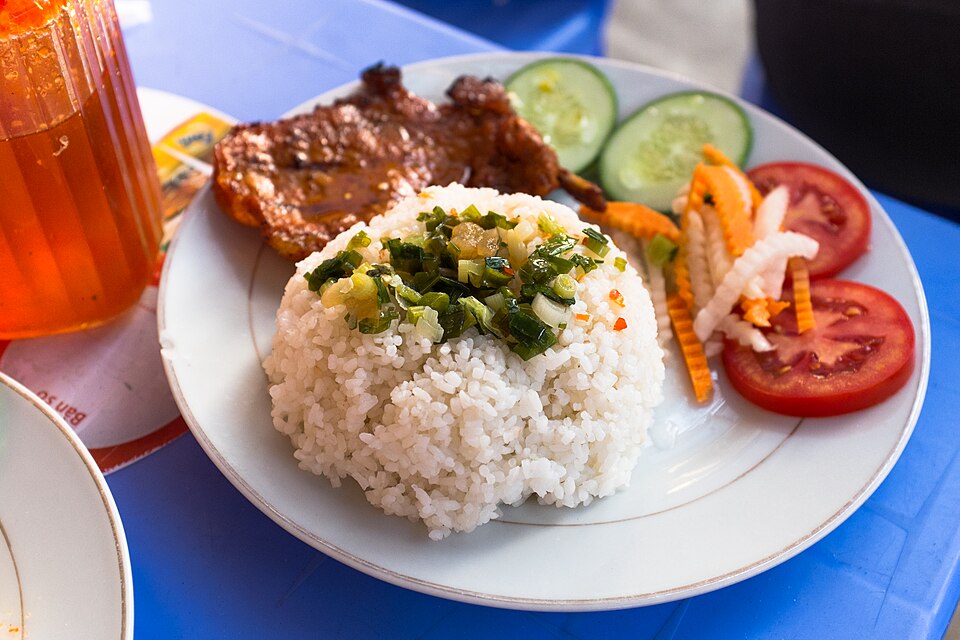
Khmer and Cham sour-sweet notes entered the south.
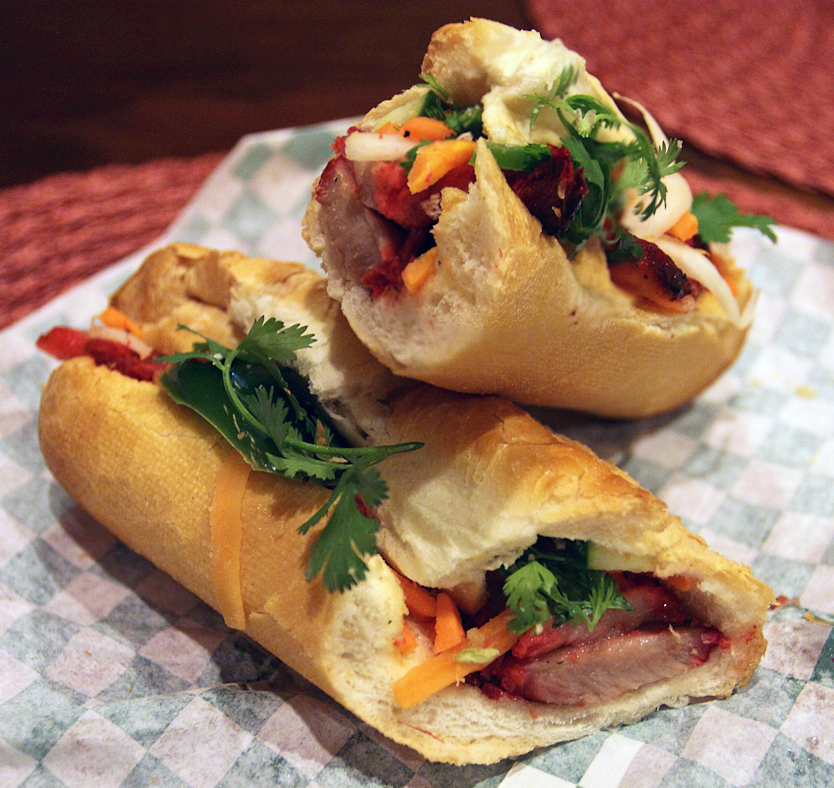
French bread and coffee became Vietnamese.
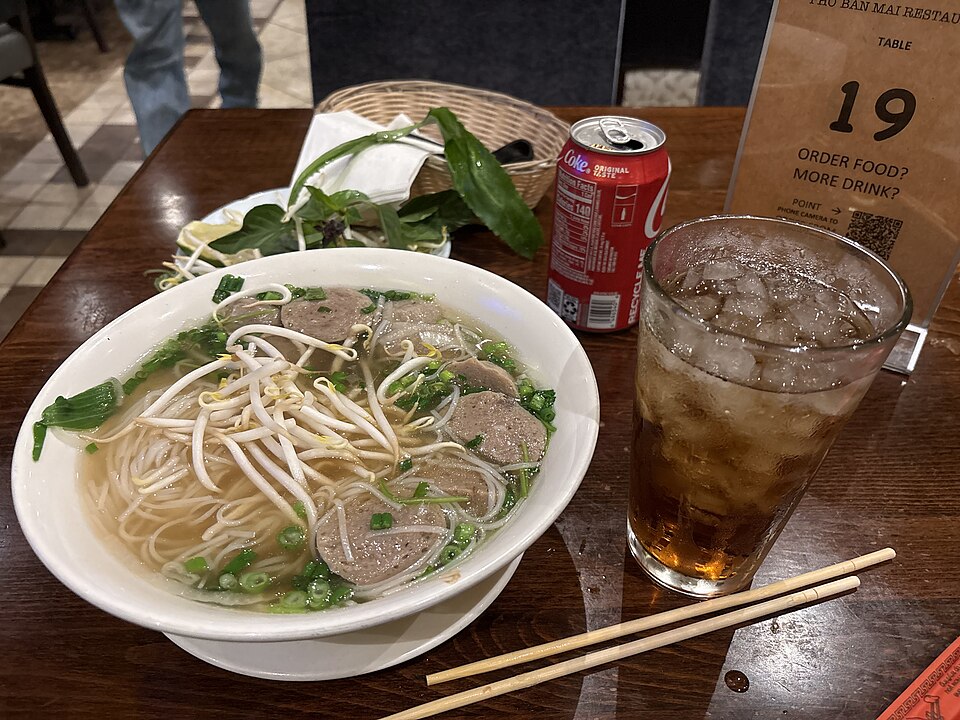
Overseas Viet tables wrote the global menu.
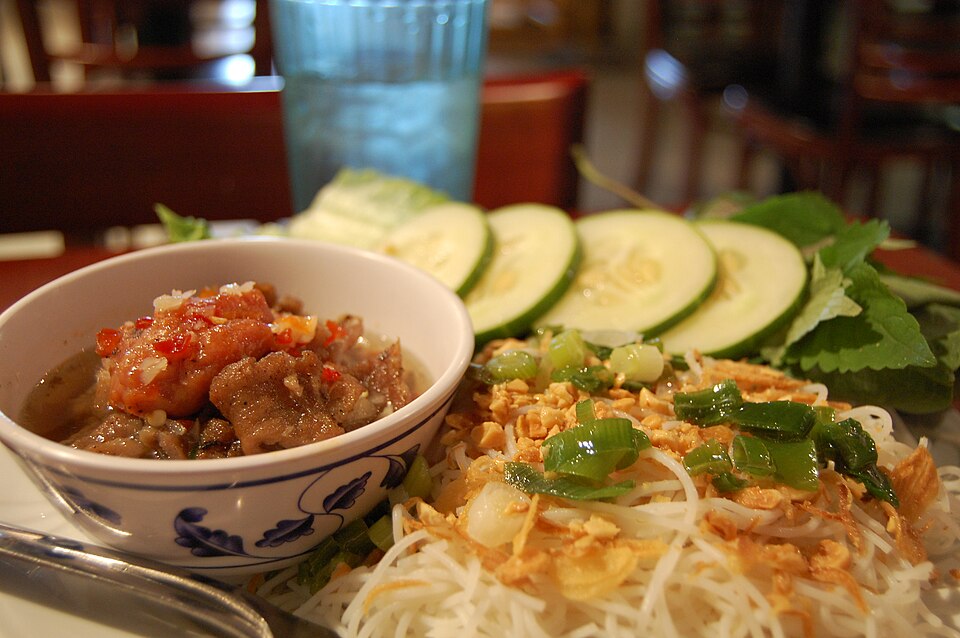
Plastic stools became a national brand.
Nuoc mam became the primary seasoning of a rice civilisation.
The loaf turned into banh mi, not a souvenir.
Refugee restaurants taught the world the southern bowl.
A history of Vietnamese cuisine that starts at the airport restaurant will miss the ferments, markets and labour that actually built the table.
Fermented heat and shared grills: kimchi, gochujang and banchan from the Korean Peninsula.
Overall 76 🍣Dashi, rice and seasonal restraint: washoku from sushi counters to home miso soup.
Overall 72 🥟Eight great traditions, one wok logic: soy, rice, wheat and the regional map behind "Chinese food".
Overall 80 🌶️Hot, sour, salty, sweet: nam prik, fish sauce and the regional map from Bangkok street to Isan grilled chicken.
Overall 77