8th–15th c.
Al-Andalus
Rice, citrus, spices enter Iberian cooking.
Spanish cuisine · Olive oil, sofrito and a tapas clock: paella, jamón and the regional map from Basque to Andalusia.
Milestones in order. This is history, not a weekly activity grid.
Darker cells mean a higher score for this topic on that metric.
LessMore
Last reviewed Sources & creditsMedia creditsMethodology
Spanish cuisine sits on Roman olive oil, an Andalusi spice-and-rice memory, New World tomato and pepper, and a tapas service that is urban and late. Cocina española is regional long before it is "paella night".
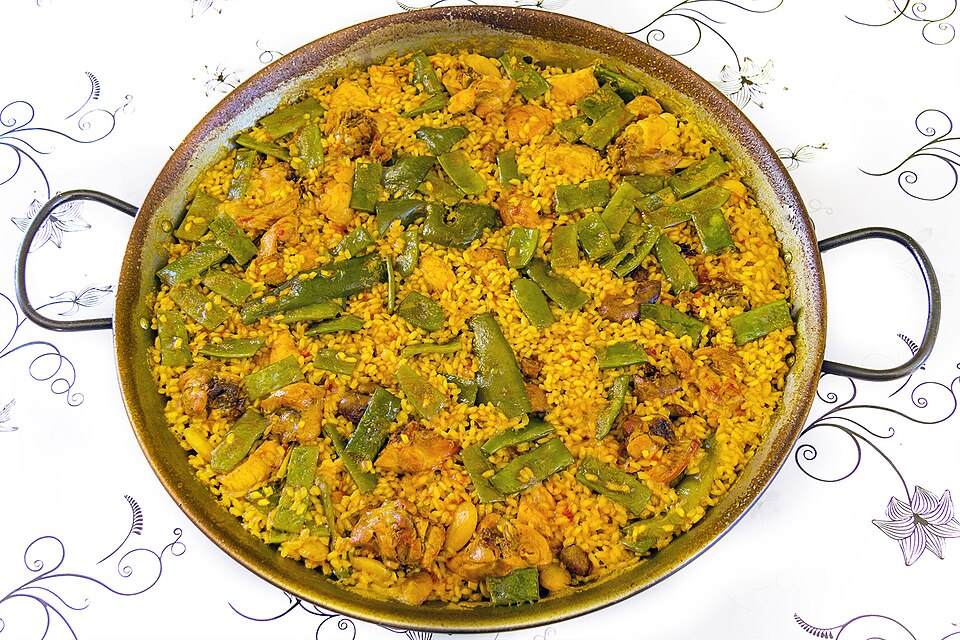
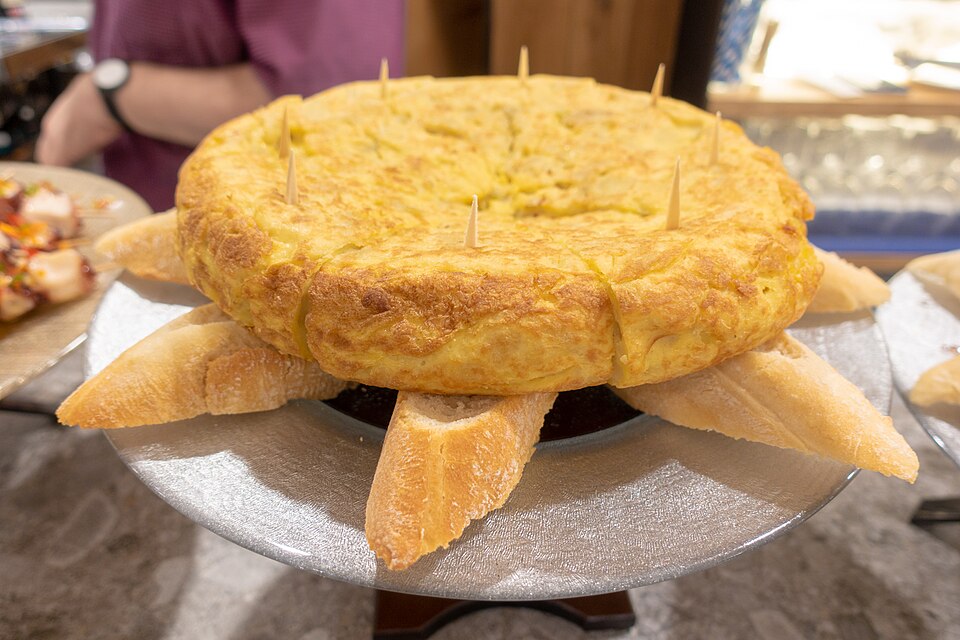
Spanish cuisine sits at spice 38 in this atlas. Paella and Tortilla española show the range better than a single heat number.
Paella plus one regional plate — not only the export icon.
Onion-garlic-tomato base.
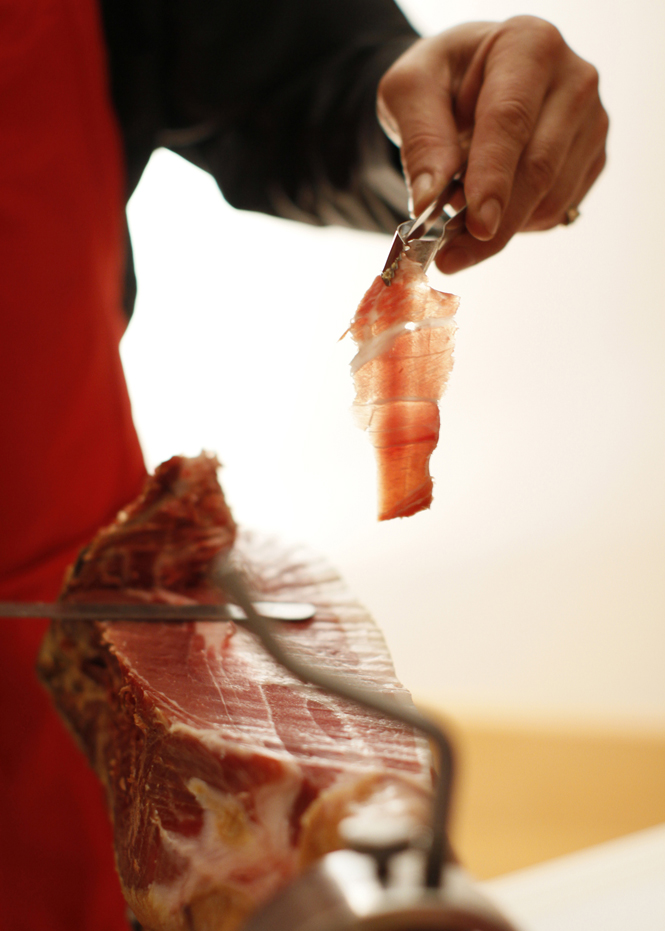
Tapas are a clock more than a dish — standing, late, shared. Jamón and anchovy are the umami, not a chili paste.
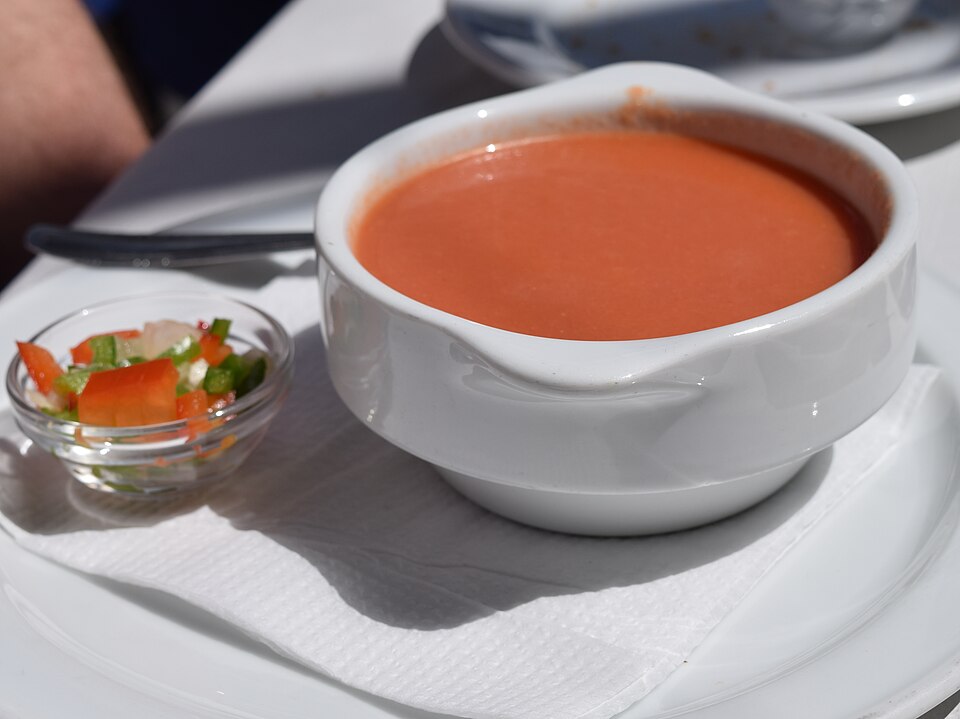
The home pantry around Sofrito and the labour behind Tortilla española rarely fit a takeaway box.
Spanish cuisine did not arrive as a single national plate. Its older structure is visible in Paella, Sofrito and the regional kitchens that still disagree.
Court, village and street cooked on different clocks. The ten-point timeline below keeps those clocks in view rather than flattening them into a brand story.
Spanish cuisine sits on Roman olive oil, an Andalusi spice-and-rice memory, New World tomato and pepper, and a tapas service that is urban and late. Cocina española is regional long before it is "paella night".
Rice, citrus, spices enter Iberian cooking.
Tomato, pepper, potato remake the pot.
Jamón as estate and village labour.
Valencian rice becomes a national postcard.
Bar counters as the public dining room.
Regional kitchens re-enter public life.
Technical restaurants put Spain on the global fine-dining map.
The world copies the small-plate bar, not always well.
Regional service forms stay tourist-and-local at once.
Boqueria-style markets as food-hall theatre.
Rice, citrus, spices enter Iberian cooking.
Jamón as estate and village labour.
Bar counters as the public dining room.
Technical restaurants put Spain on the global fine-dining map.
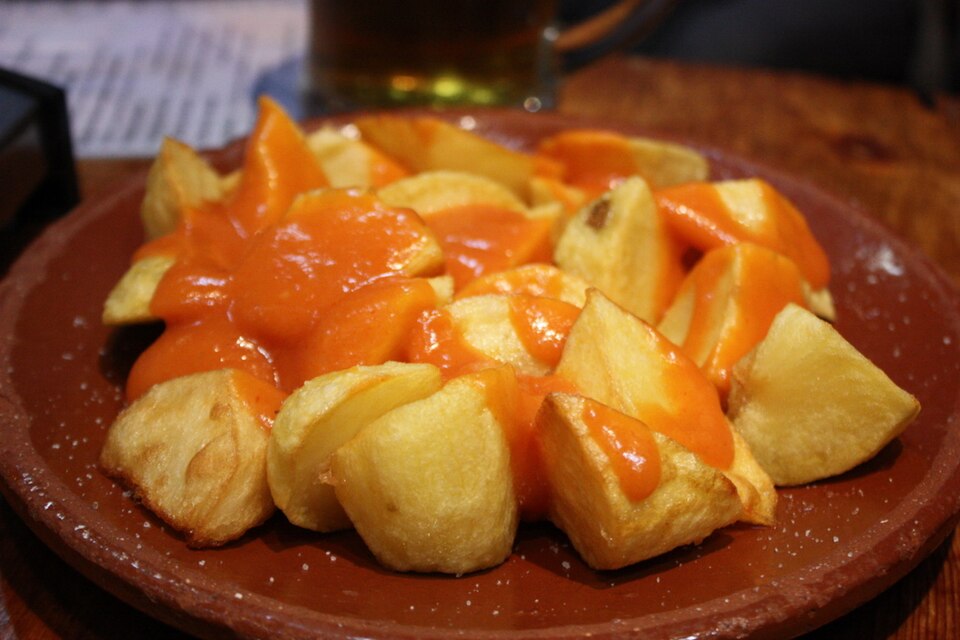
Regional service forms stay tourist-and-local at once.
Tomato, pepper, potato remake the pot.
Bar counters as the public dining room.
Regional service forms stay tourist-and-local at once.
A history of Spanish cuisine that starts at the airport restaurant will miss the ferments, markets and labour that actually built the table.
Butter, stock and a regional map: baguette, wine and the technique ceiling of the atlas.
Overall 65 🍝Pasta, tomato and a fierce regional map: the most accessible European table in the atlas.
Overall 67 🥨Bread, pork and a beer-garden clock: sausage, sauerkraut and a regional map from Bavaria to the North Sea.
Overall 53 🍲Paprika, sour cream and a dumpling clock: goulash, lángos and a table that is not Austrian and not only spicy.
Overall 59 🐟Bacalhau, olive oil and a pastry clock: grilled sardines, vinho and the Atlantic pantry.
Overall 59 🫒Olive oil, lemon and a meze clock: feta, grilled lamb and the eastern Mediterranean table.
Overall 56 🥧Roast, pie and a curry-house overlay: Sunday beef, fried breakfast and a food island that absorbed the world.
Overall 56 🥟Sour cream, pickle and a vast grain belt: borscht arguments, pelmeni and a tea-and-zakuski table.
Overall 50 🥟Dumpling, dill and a sour-rye broth: pierogi, kielbasa and a table built for winter.
Overall 49 🐟Dill, herring and a cinnamon-bun clock: husmanskost, fika and the lowest spice score in the atlas.
Overall 53