Prefrontal cortex
Maintains goals, suppresses competing impulses, supports reappraisal of meaning.
Belief, Expectation & Becoming · Where self-help, manifestation metaphors and religious hope meet expectancy, attention and prediction — and where they overclaim.
Reviewed 2026-08·Sources & research·Methodology·Media credits
Darker cells mean a higher score for this topic on that metric.
LessMore
Last reviewed Sources & creditsMedia creditsMethodology
Read Overview → Anatomy → Function, then use compare rails.
Educational atlas — not a diagnosis, treatment plan, or medical advice.
It names everyday desks for Cognition before English norms look universal.
No — editorial 0–100 browsing aids inside this atlas only.
Use related cards and best-of / quiz rails after the first three chapters.
Anatomy and Function carry mechanisms; skim Overview first.
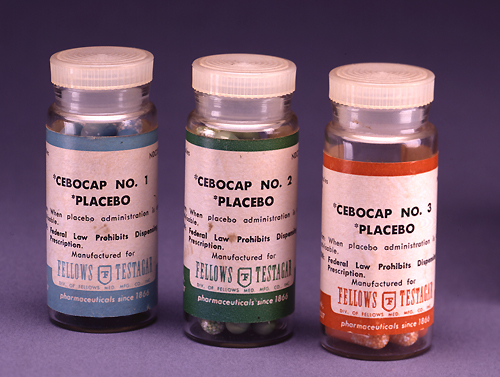
There is no single “belief nucleus”. Expectancy and meaning recruit distributed networks — prefrontal control, limbic valuation, interoceptive cortex, brainstem autonomic cores.
Teaching landmarks below are entry points, not a phrenology of manifestation.
Maintains goals, suppresses competing impulses, supports reappraisal of meaning.
Conflict monitoring and the affective weight of predicted outcomes.
Interoception — bodily feeling that colours confidence and threat.
Salience and threat tagging; belief can amplify or dampen vigilance.
Reward prediction and “wanting” — central to craving and goal pursuit.
Heart rate, arousal and gut signals that make expectation feel embodied.
Carry goal values into action selection.
Flags what deserves attention — including belief-congruent cues.
A key substrate for expectancy analgesia.
Translate appraisal into visceral state — the “gut feeling” of conviction.
Classic demonstration that meaning changes nociceptive gain.
Psychometric bridge between belief and behaviour.
Memory and search favour the hypothesis you already hold.
Symbols, healers and settings amplify expectancy — studied in anthropology and medicine.
Open the atlas for prefrontal, cingulate, insula, amygdala and ventral striatum neighbours.
How the brain encodes, stores and retrieves experience across systems.
Research 75 🎯Selecting what enters awareness — and what the brain must ignore.
Research 88 💬Speech, comprehension and the cortical networks that make meaning.
Research 74 💓Affective circuits linking body states, appraisal and social meaning.
Research 67 ⚖️Value, risk and control — how choices emerge from competing signals.
Research 66 😴Oscillations, stages and the nightly work of memory and repair.
Research 97 🔄How experience rewires synapses, maps and recovery trajectories.
Research 50 ✨Awareness, reportability and the hard problem still facing science.
Research 89 📚How practice, prediction and reward reshape circuits over time.
Research 90 👁️Building a usable world from noisy sensors and prior expectations.
Research 77 🔥A protective percept built from nociception, context and prediction.
Research 74 ⏳Lifelong change in structure, networks and cognitive reserve.
Research 57 🕯️Meditation, prayer and liturgy as trained attention and regulation — evidence, limits and cultural context.
Research 82 🧭Working memory, inhibition and cognitive flexibility — the control system that steers thought and action toward goals.
Research 88 🤝How brains read minds, faces and norms — theory of mind, empathy and the networks that make us social.
Research 85 🏃From intention to muscle — cortico-basal ganglia-cerebellar loops that select, time and correct movement.
Research 90