Tuk-tuk is one of 48 vehicle types in this atlas. The pages treat it as a full system — history, anatomy, operating principles, culture, icons, future pressure and market shape — not a product brochure.
Scores compare tuk-tuk with the other types on speed, efficiency, accessibility, safety, cultural impact and tech disruption. They are relative editorial judgements, not laboratory ratings.
Seven chapters dig in: origins, systems and cutaways, how it works, cultural life, legendary icons, what comes next, and how money and regions structure the fleet.
Deep introduction
Deep dive: Tuk-tuk
Tuk-tuk is not a single machine — it is a family of designs, duties and cultures inside the micromobility atlas. This deep intro maps how the type varies, what systems make it work, and why places adopt it differently.
Diversity, systems, culture and markets — plus a lens tuned to this language region.
Diversity inside the type
Tuk-tuk is not uniform: duty, climate and regulation carve distinct sub-types inside the micromobility family.
Operators choose variants for duty cycle first — peak brochure numbers rarely decide the fleet mix.
Systems that decide the ride
Structure, propulsion, energy store, control loops and human interfaces jointly set what a Tuk-tuk can promise on a timetable.
Safety envelopes — crash structures, redundancy, certification — are part of the product, not an optional sticker.
Culture, status and meaning
Status, film portrayals and workplace lore shape how people judge a Tuk-tuk before they ever read a spec sheet.
Rituals of boarding, maintenance and naming rights turn hardware into belonging — or resentment — in different cities.
Markets, fleets and money
Capex, energy, crew and infrastructure fees decide whether a Tuk-tuk programme expands or stalls.
Regional makers and import rules create parallel markets that look similar in photos and diverge in spare parts.
Technical deep dive
Technical deep dive: Tuk-tuk
Tuk-tuk engineering is a stack of structure, energy conversion, control loops and certified envelopes inside the micromobility atlas. This page maps how loads travel, how power becomes motion, and where the hard limits sit.
Structure, propulsion, control and limits — plus certification language for this region.
Structure & load paths
Delta layouts put steer load on one contact patch; rear axle carries most passenger weight.
Cargo hitches overload rear frame—cracks propagate from weld toes unnoticed.
Energy & propulsion
Tiny engines maximize km per litre at 30–40 km/h, not highway speed.
Electric tuk-tuks swap daily range for zero local emissions and lower noise in alleys.
Control, sensing, human interface
Handlebar steering feels familiar to motorcycle culture but surprises car drivers merging.
Open sides expose passengers to pollution and close passes—doorless design is cultural, not safe.
Failure modes & hard limits
Rollover in sharp turns with offset passenger load is the signature crash mode.
CNG leaks in enclosed alleys create fire risk—certification and vent checks are life-critical.
Narrow soi and bazaar lanes where cars cannot contract — tuk-tuk territory.
Intermodal feeds at bus terminals — negotiated queue politics.
Labour, crews & operations
Owner-driver vs fleet lease — debt and fuel daily math.
City ban politics — livelihood vs emissions.
Environment & energy
Two-stroke phase-outs and electric tuk-tuk pilots — grid optional battery swap.
Noise and particulate politics drive bans faster than charger networks in many cities.
32speedEditorial 0-100 browsing score
72efficiencyEditorial 0-100 browsing score
88accessibilityEditorial 0-100 browsing score
38safetyEditorial 0-100 browsing score
Tuk-tuk: concrete atlas depth on Tool-Lifes.
Visual field notes
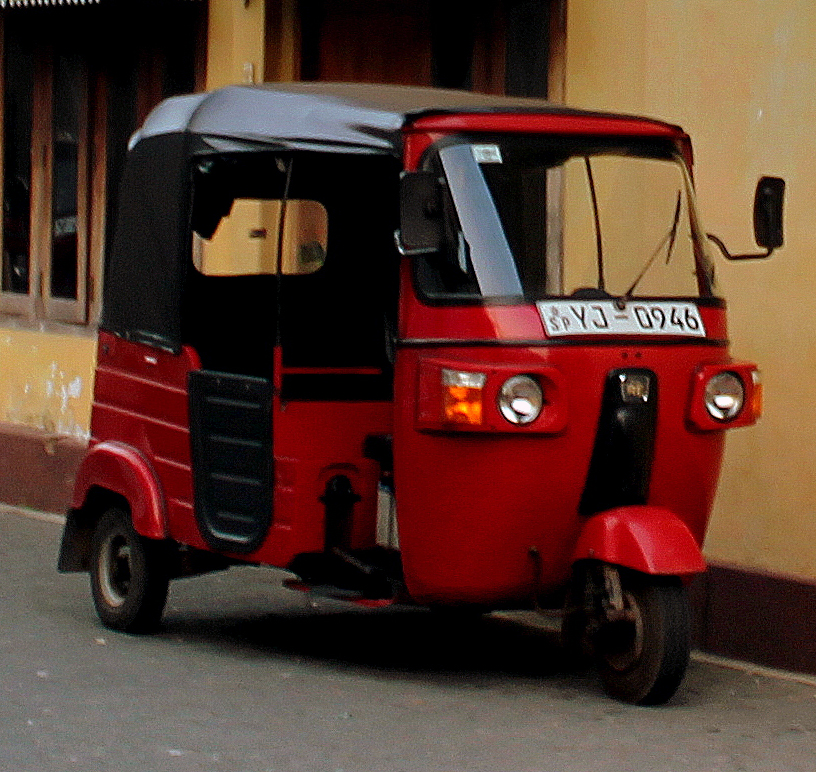
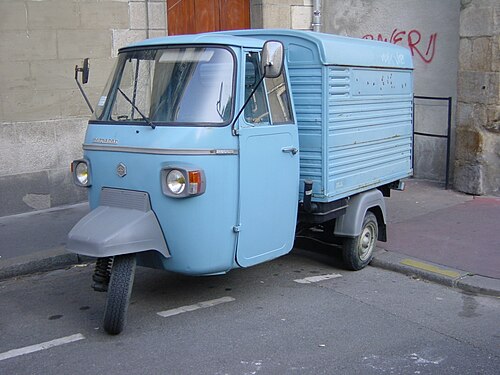
Licensed photographs of this type — heroes, eras and icons on one wall.
calflier001 , cropped by uploader Mr.chopperscalflier001 , cropped by uploader Mr.choppersXhienneBajaj Autocalflier001 , cropped by uploader Mr.choppersModel S charging at a Tesla station.jpg : Jakob Härter derivative work: Mariordo (Mario Roberto Durán Ortiz)Rsrikanth05