📍 Airliner: the local fact in “Cruise”
Turbofan passenger aircraft that collapsed continents into hours. Locally, Airliner is discussed through Cruise: ~850 km/h.
📍 Bicycle: the local fact in “Weight”
Human-powered two wheels — the most efficient personal vehicle ever mass-produced. Locally, Bicycle is discussed through Weight: ~10–20 kg.
🛠 E-scooter: use “Speed cap” in the tool
Stand-on electric scooters for short urban hops — owned and dockless fleets. Bring Speed cap into the tool that is already published. The figure is ~20–25 km/h.
📍 E-scooter: the local fact in “Range”
Stand-on electric scooters for short urban hops — owned and dockless fleets. Locally, E-scooter is discussed through Range: 20–40 km.
🛑 Electric car: what “Range band” does not decide
Battery-electric passenger cars shifting the car from oil pumps to power grids. Range band is a boundary — 250–600 km — not a winner and not a league table.
🔎 Funicular: read “Are the scores official?” before you decide
Cable-hauled cars on steep grades — cities and mountains climbing without adhesion alone. The figure to read first is Are the scores official?: No. The six scores are relative editorial 0–100 marks across the 40 types on this site.
🛠 Maglev: use “Top band” in the tool
Trains that float on magnetic fields — frictionless guideways at airliner speeds. Bring Top band into the tool that is already published. The figure is 400–600 km/h.
🔎 Monorail: read “Are the scores official?” before you decide
Single-beam elevated transit — iconic at expos, useful in constrained corridors. The figure to read first is Are the scores official?: No. The six scores are relative editorial 0–100 marks across the twenty-four types on this site.
🛠 Orbital rocket: use “Fuels” in the tool
Multi-stage rockets that deliver payloads — and crews — beyond the atmosphere. Bring Fuels into the tool that is already published. The figure is LOX / RP-1 / CH4.
🔎 Private jet: read “Which local authority or corridor rules matter for this type?” before you decide
Small cabin jets for point-to-point travel outside airline schedules. The figure to read first is Which local authority or corridor rules matter for this type?: Start with the local lens: type approval, operator licences and the hubs named on this page — not a single global checklist.
🔎 Space Shuttle: read “Which local authority or corridor rules matter for this type?” before you decide
Reusable winged orbiters that launched like rockets and landed like gliders. The figure to read first is Which local authority or corridor rules matter for this type?: Start with the local lens: type approval, operator licences and the hubs named on this page — not a single global checklist.
📍 Steam locomotive: the local fact in “Era peak”
Coal-and-water iron horses that invented the railway age — still steaming in heritage service. Locally, Steam locomotive is discussed through Era peak: 1900–1950.
🔎 Tuk-tuk: read “Engine” before you decide
Three-wheeled auto rickshaws — cheap last-mile taxis and goods haulers across South and Southeast Asia. The figure to read first is Engine: 2-stroke / CNG / EV
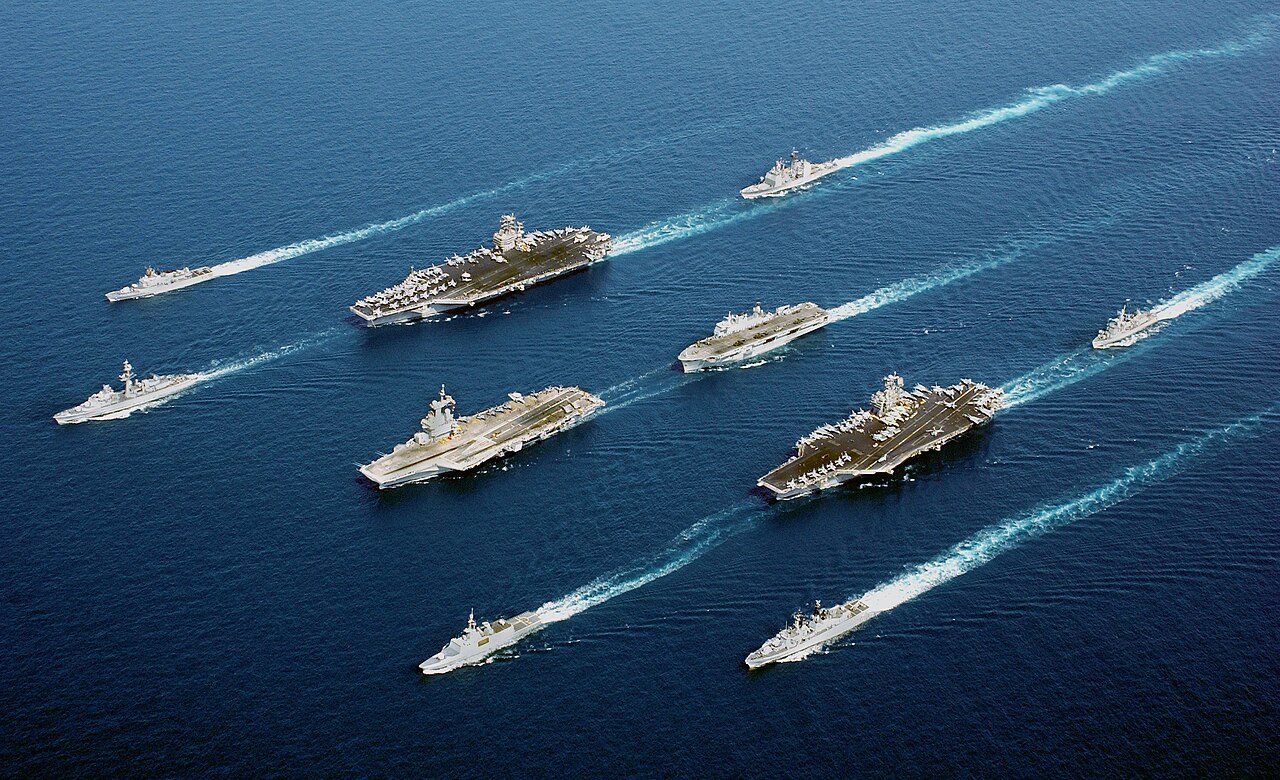
→ Aircraft carrier: after “tagline”, what about “Scores compare aircraft carrier with the other types on speed, e”?
Floating airfields that project naval air power across oceans. Aircraft carrier is one of 48 vehicle types in this atlas. The pages treat it as a full system — history, anatomy, operating principles, culture, icons, future pressure and market shape — not a product brochure.
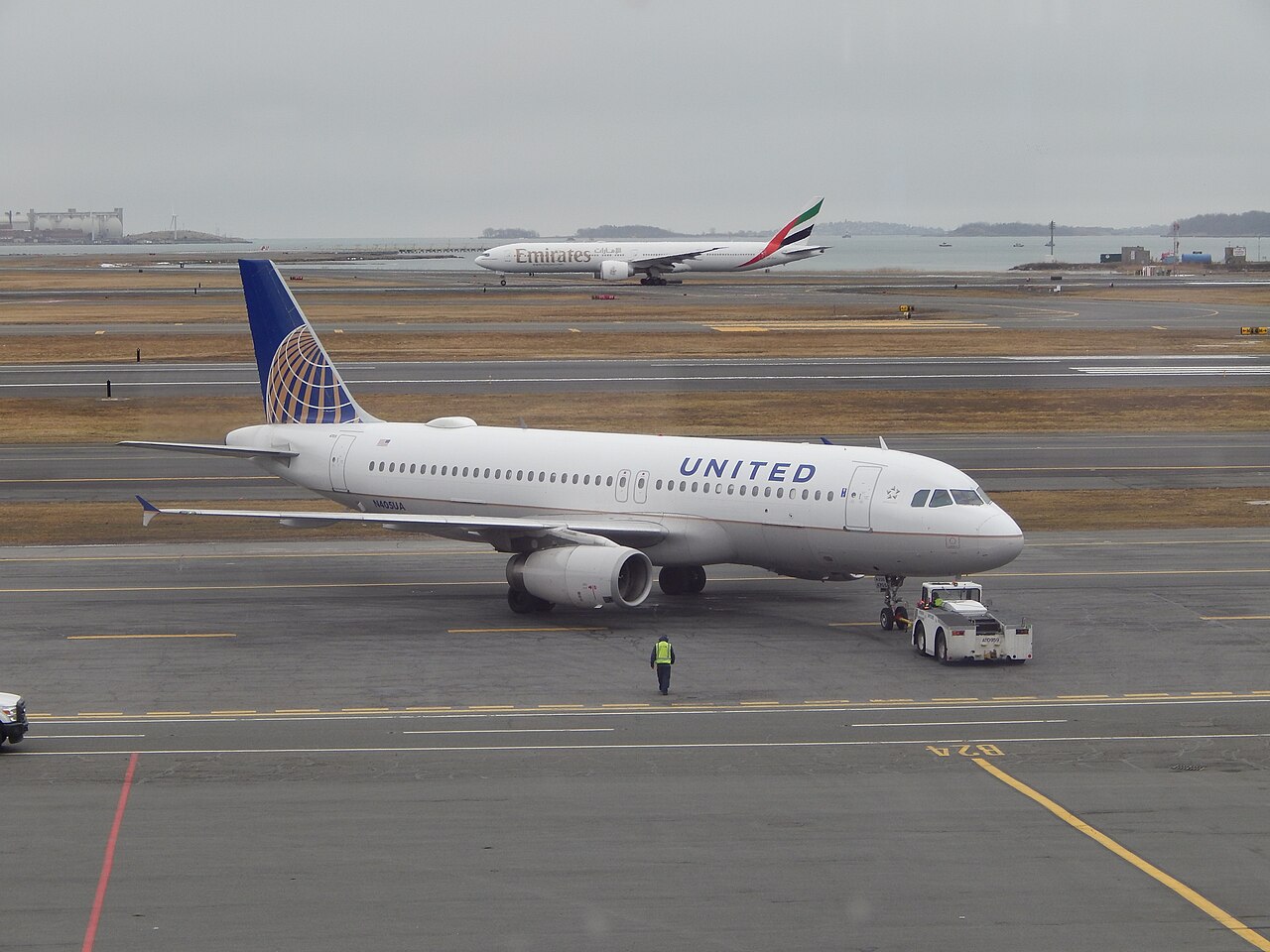
→ Airliner: after “tagline”, what about “Scores compare airliner with the other types on speed, efficienc”?
Turbofan passenger aircraft that collapsed continents into hours. Airliner is one of 48 vehicle types in this atlas. The pages treat it as a full system — history, anatomy, operating principles, culture, icons, future pressure and market shape — not a product brochure.
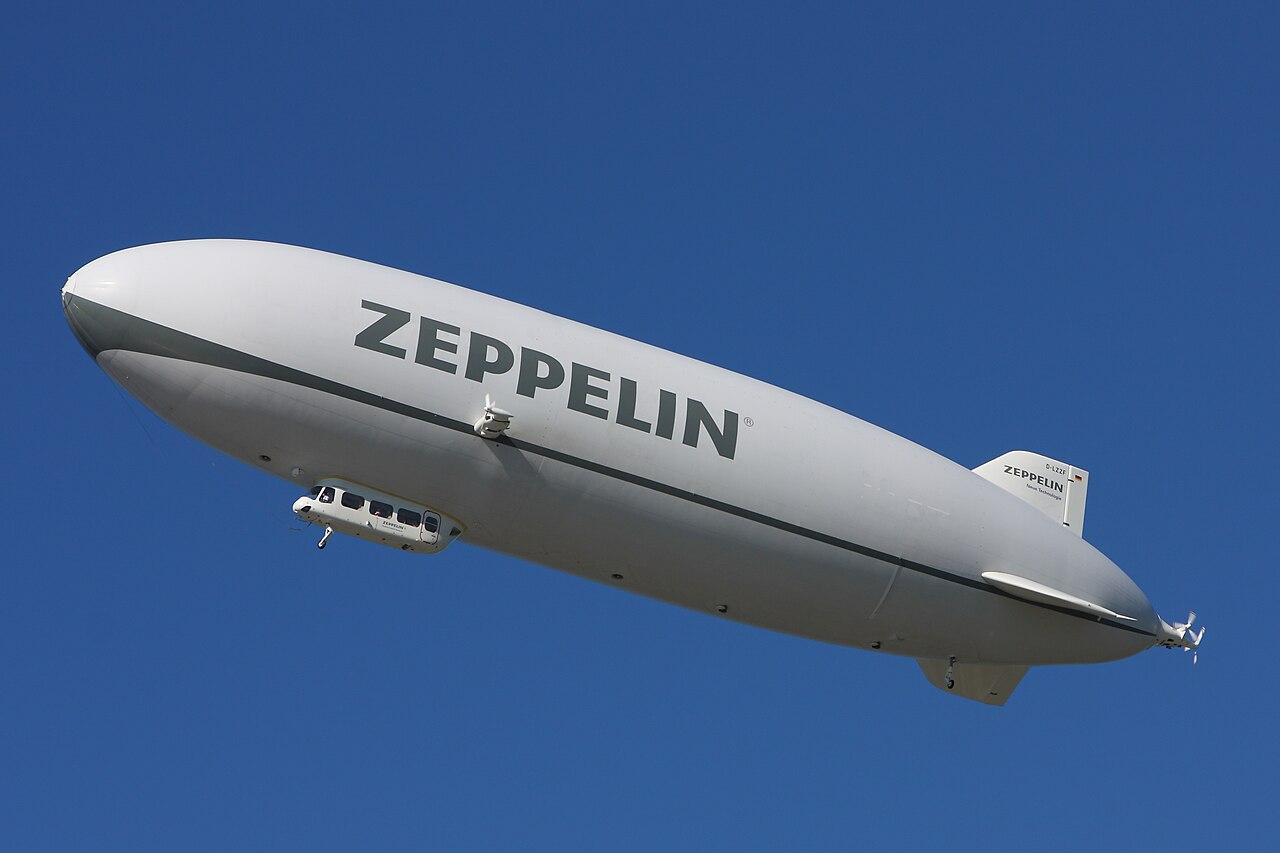
→ Airship: after “tagline”, what about “Scores compare airship with the other types on speed, efficiency”?
Lighter-than-air craft — rigid zeppelins, blimps and modern cargo concepts. Airship is one of 48 vehicle types in this atlas. The pages treat it as a full system — history, anatomy, operating principles, culture, icons, future pressure and market shape — not a product brochure.
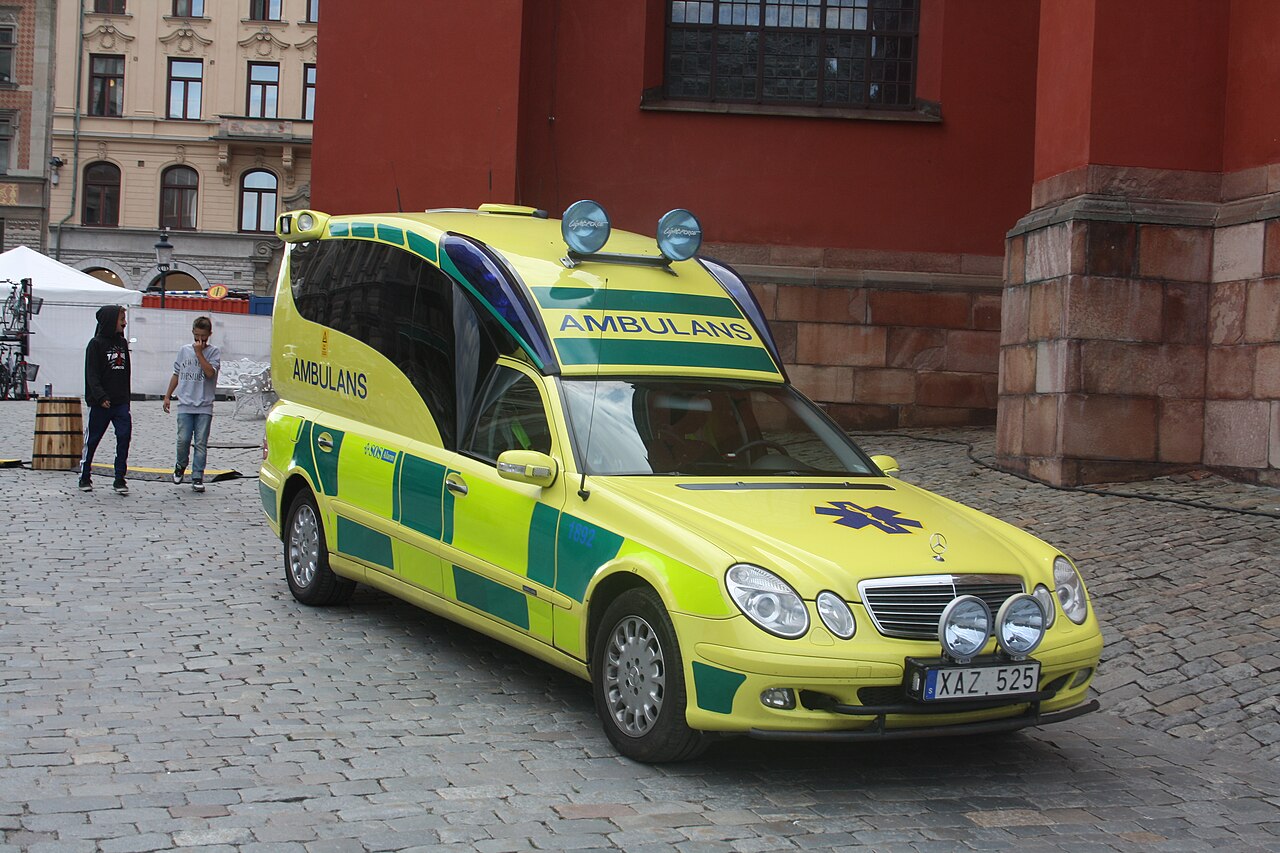
→ Ambulance: after “tagline”, what about “Scores compare ambulance with the other types on speed, efficien”?
Emergency medical road vehicles that turn minutes into survival margins. Ambulance is one of 48 vehicle types in this atlas. The pages treat it as a full system — history, anatomy, operating principles, culture, icons, future pressure and market shape — not a product brochure.
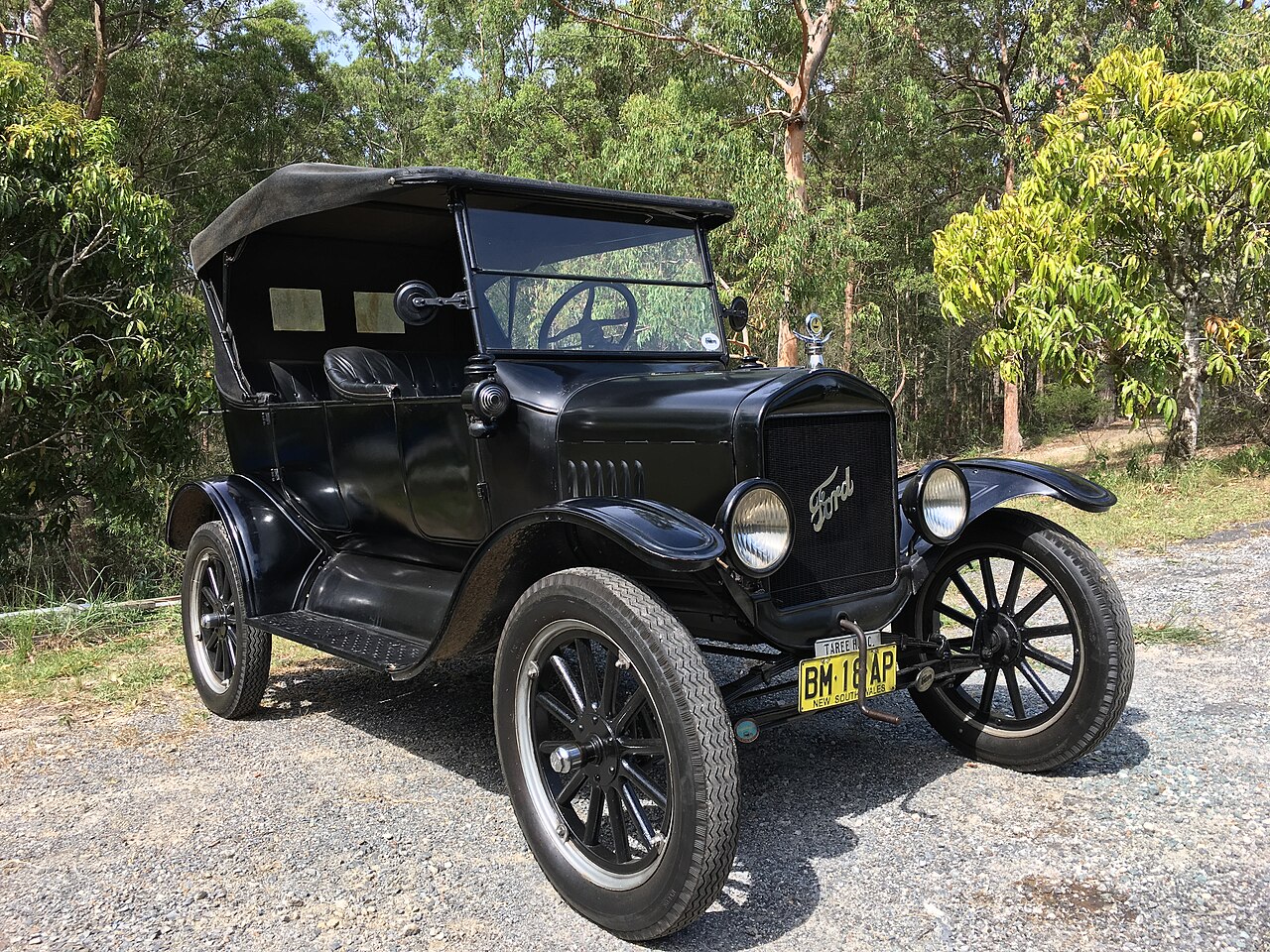
→ Automobile: after “tagline”, what about “Automobile is one of 48 vehicle types in this atlas”?
The private motor vehicle that remade cities, work and leisure in the twentieth century.
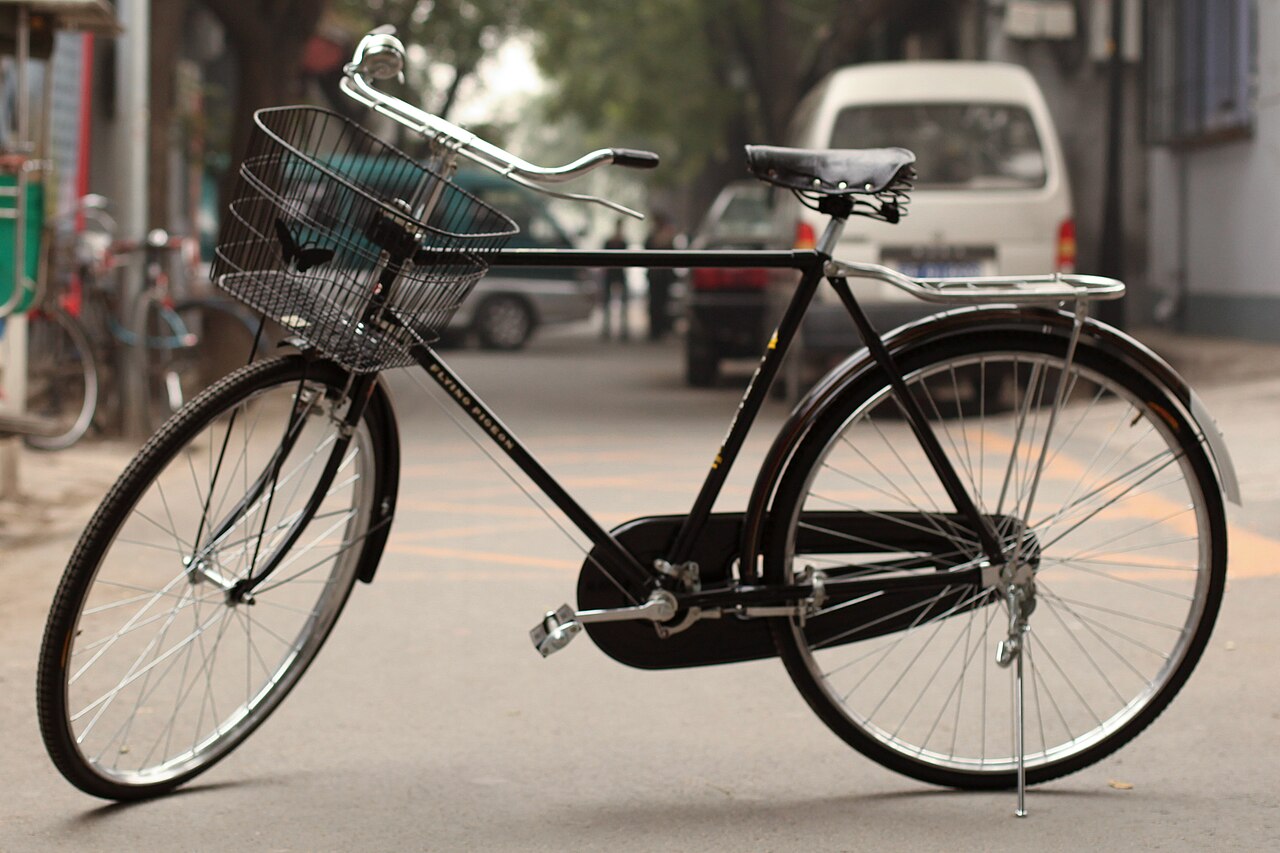
→ Bicycle: after “tagline”, what about “Scores compare bicycle with the other types on speed, efficiency”?
Human-powered two wheels — the most efficient personal vehicle ever mass-produced. Bicycle is one of 48 vehicle types in this atlas. The pages treat it as a full system — history, anatomy, operating principles, culture, icons, future pressure and market shape — not a product brochure.
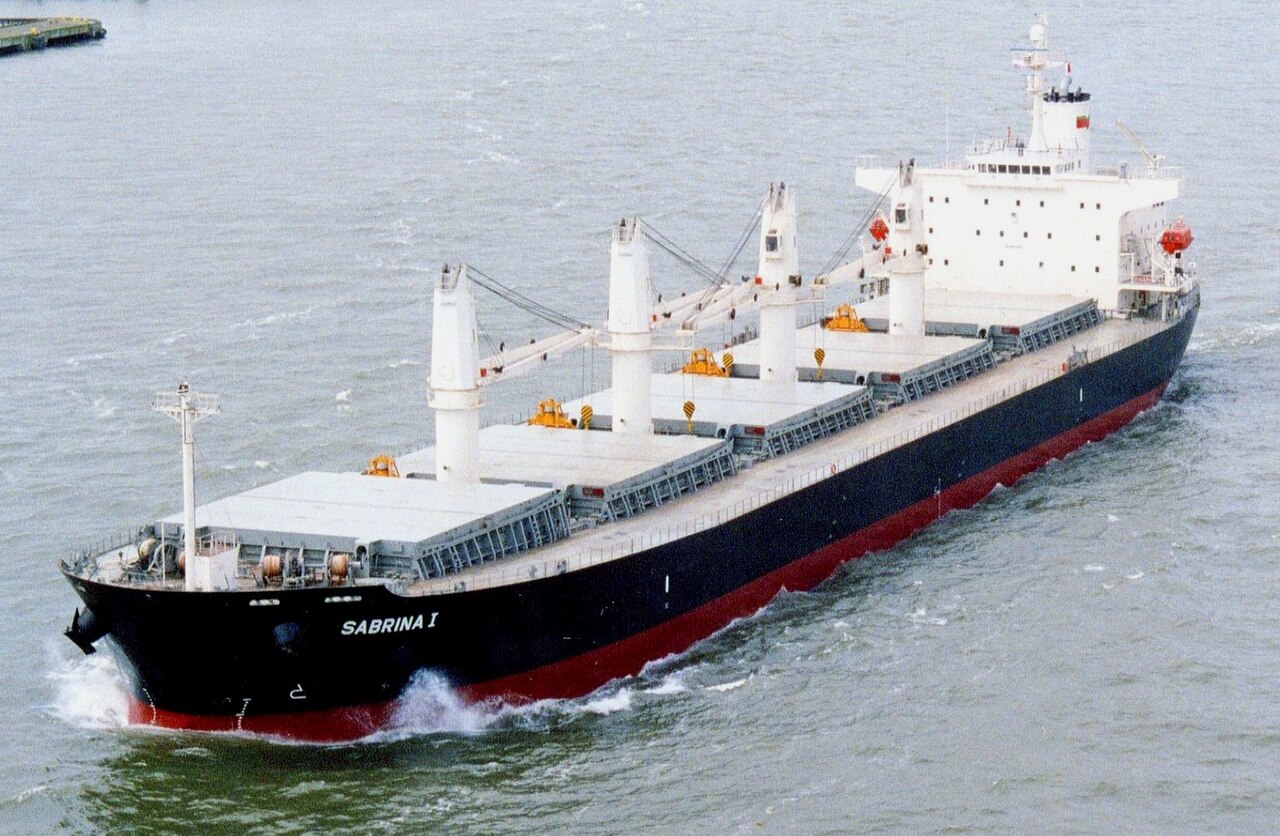
→ Bulk carrier: after “Bulk carrier is one of 48 vehicle types in this atlas”, what about “Scores compare bulk carrier with the other types on
Bulk carrier is one of 48 vehicle types in this atlas. The pages treat it as a full system — history, anatomy, operating principles, culture, icons, future pressure and market shape — not a product brochure.
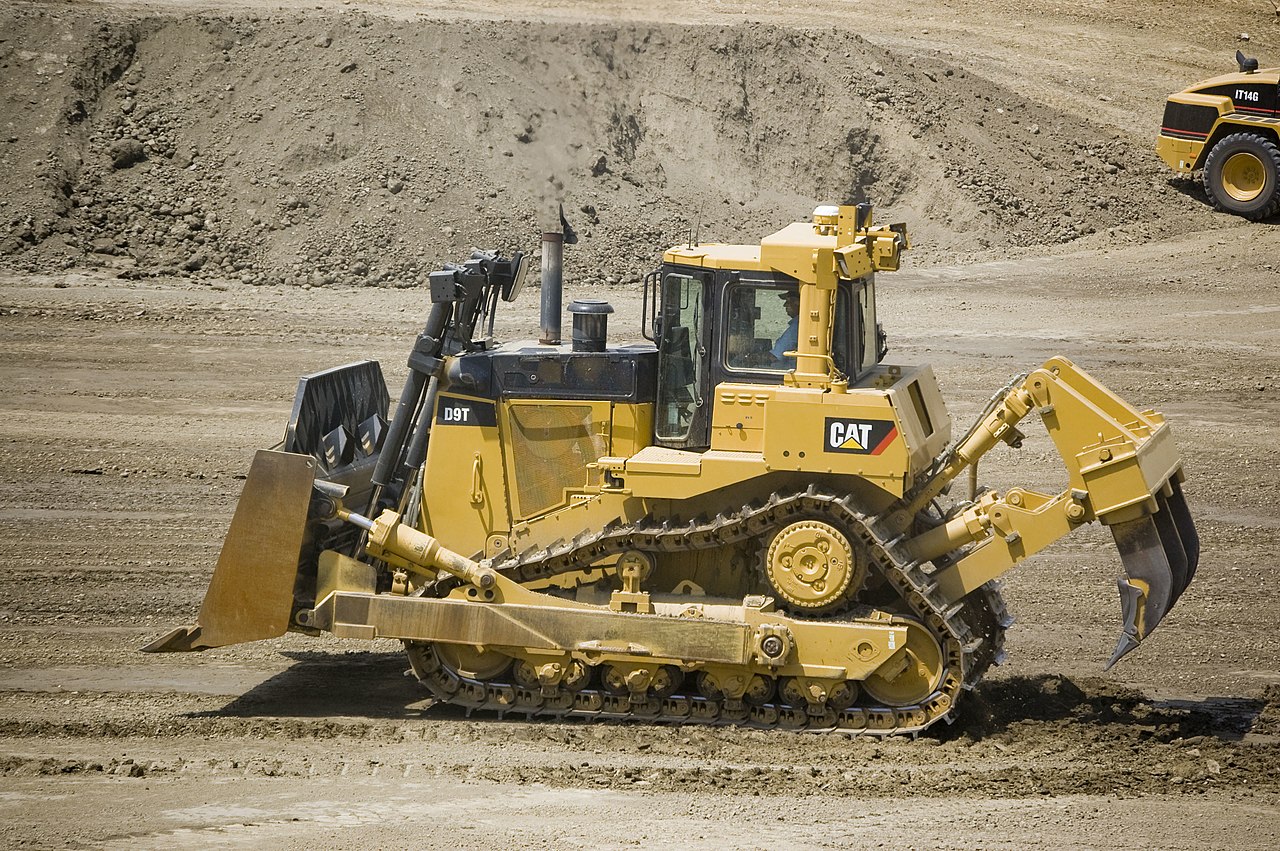
→ Bulldozer: after “Bulldozer is one of 48 vehicle types in this atlas”, what about “Scores compare bulldozer with the other types on speed, e
Bulldozer is one of 48 vehicle types in this atlas. The pages treat it as a full system — history, anatomy, operating principles, culture, icons, future pressure and market shape — not a product brochure.
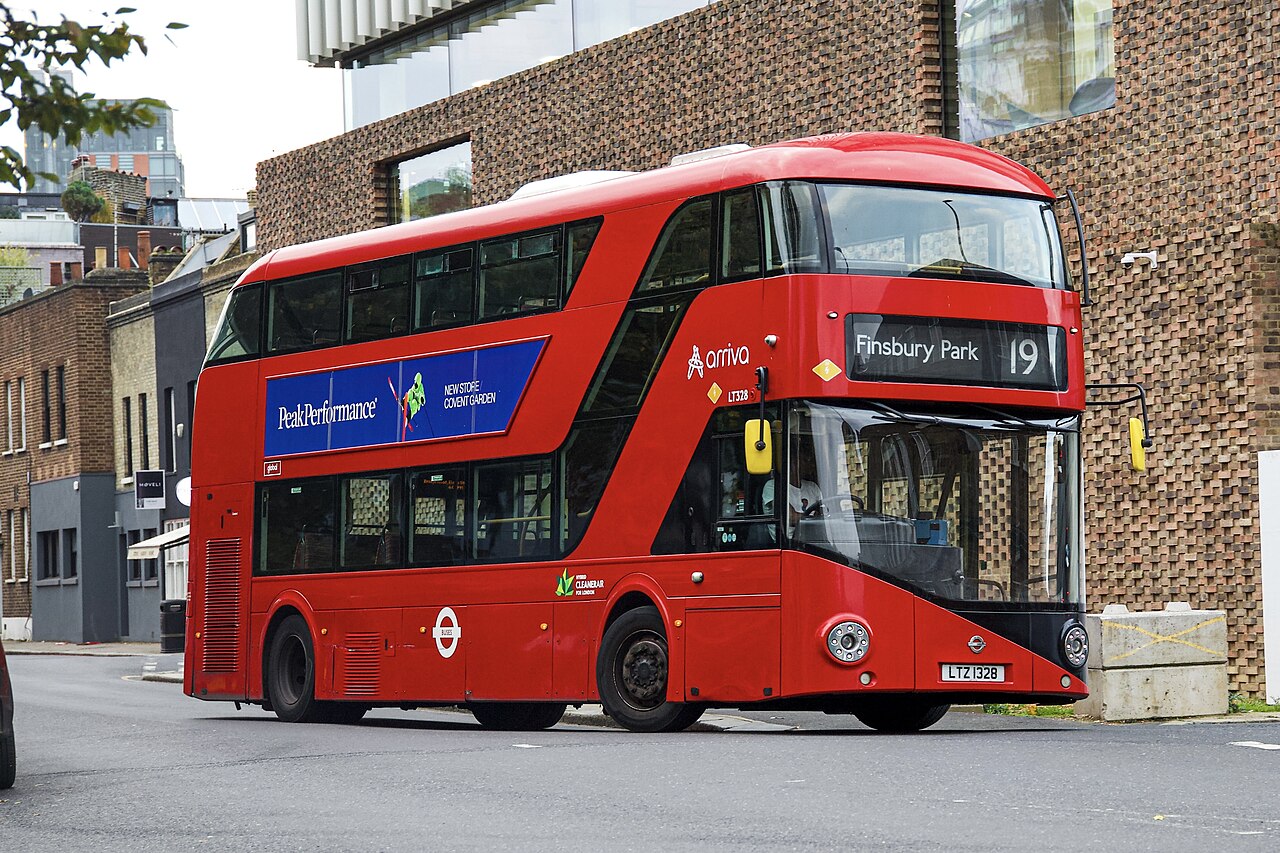
→ Bus: after “tagline”, what about “Scores compare bus with the other types on speed, efficiency, ac”?
Shared road vehicles that move cities — from diesel fleets to electric BRT corridors. Bus is one of 48 vehicle types in this atlas. The pages treat it as a full system — history, anatomy, operating principles, culture, icons, future pressure and market shape — not a product brochure.
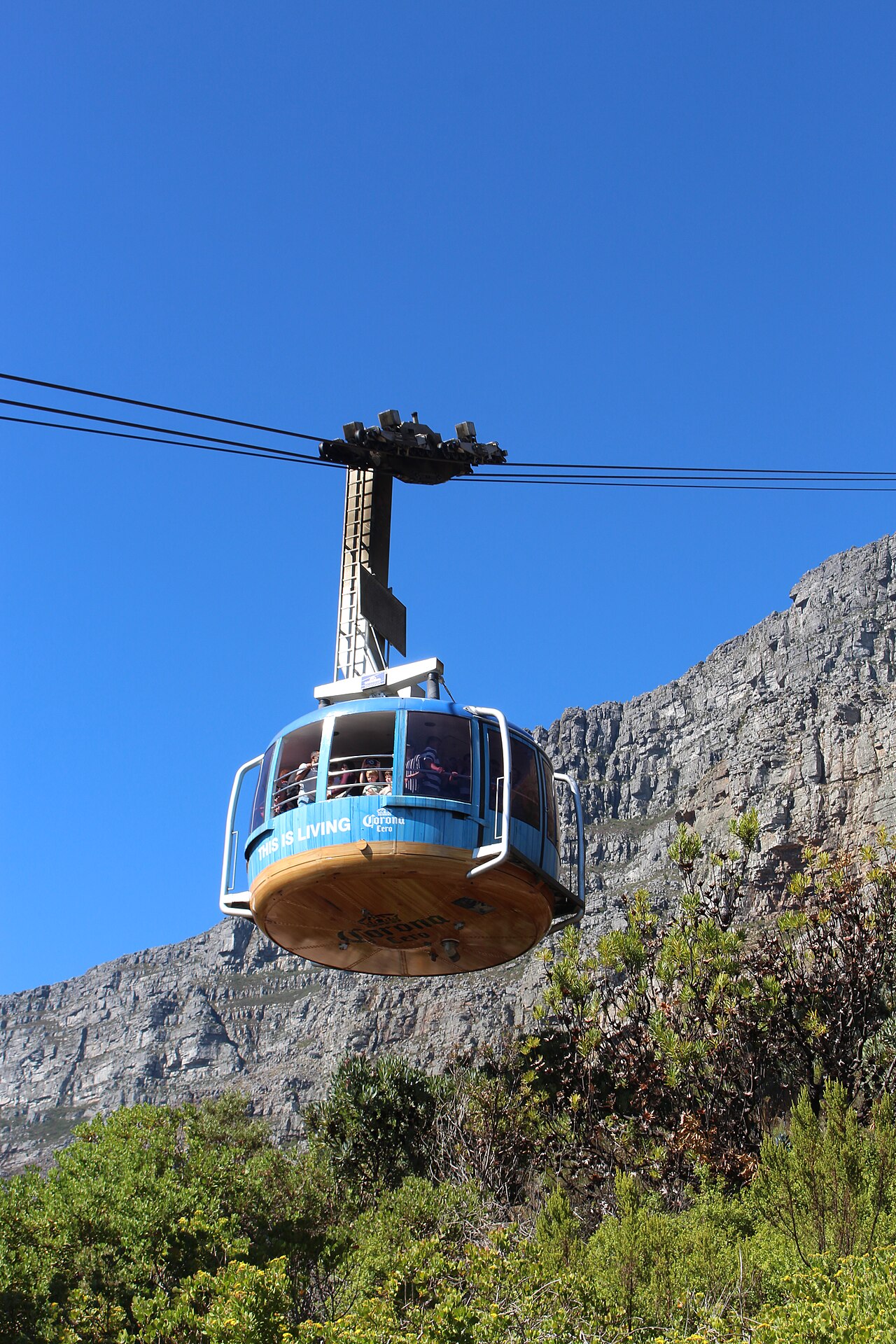
→ Cable car: after “tagline”, what about “Scores compare cable car with the other types on speed, efficien”?
Cable-hauled cabins climbing mountains and bridging urban valleys. Cable car is one of 48 vehicle types in this atlas. The pages treat it as a full system — history, anatomy, operating principles, culture, icons, future pressure and market shape — not a product brochure.
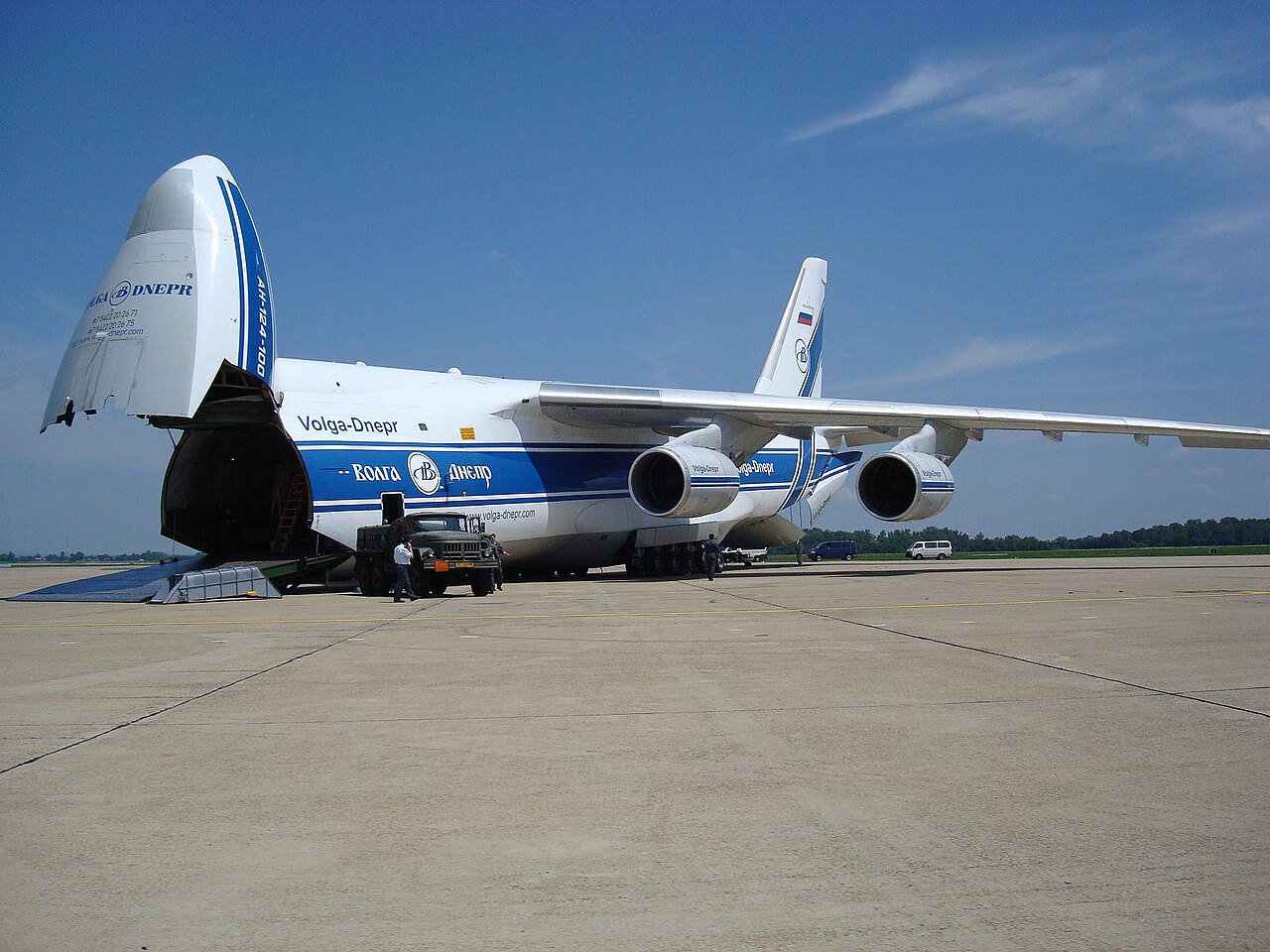
→ Cargo aircraft: after “Cargo aircraft is one of 48 vehicle types in this atlas”, what about “Scores compare cargo aircraft with the other ty
Cargo aircraft is one of 48 vehicle types in this atlas. The pages treat it as a full system — history, anatomy, operating principles, culture, icons, future pressure and market shape — not a product brochure.
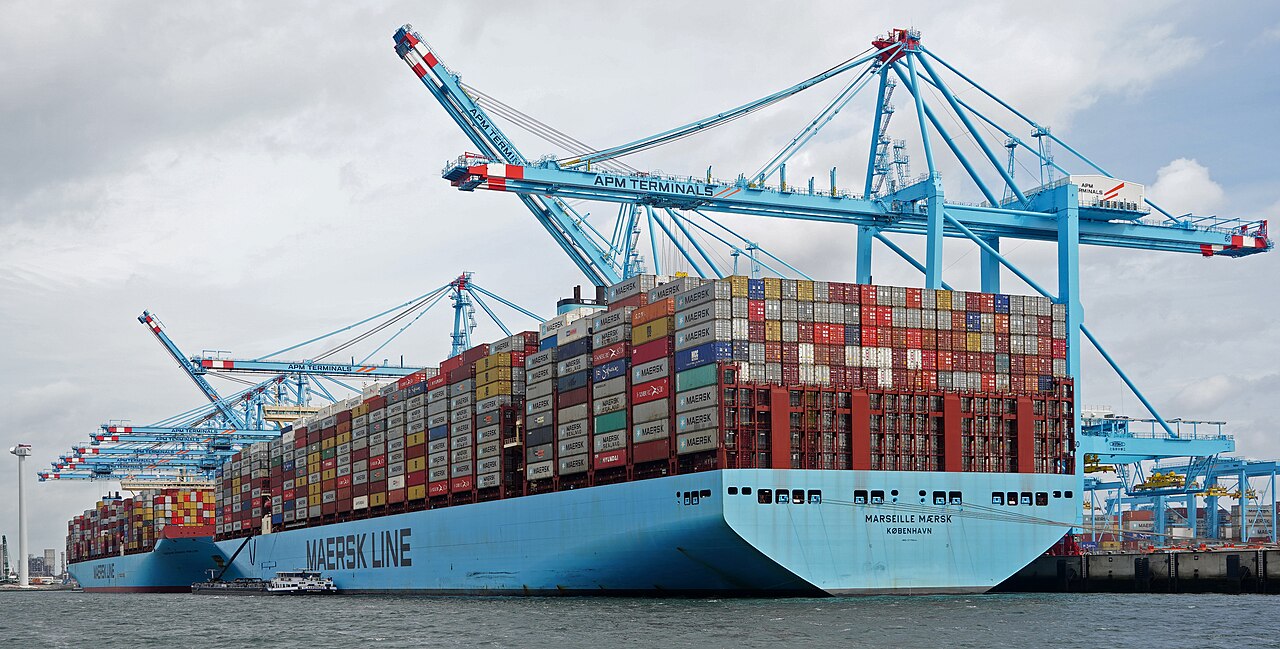
→ Container ship: after “tagline”, what about “Scores compare container ship with the other types on speed, eff”?
Cellular freighters that carry the TEU boxes of globalized trade. Container ship is one of 48 vehicle types in this atlas. The pages treat it as a full system — history, anatomy, operating principles, culture, icons, future pressure and market shape — not a product brochure.
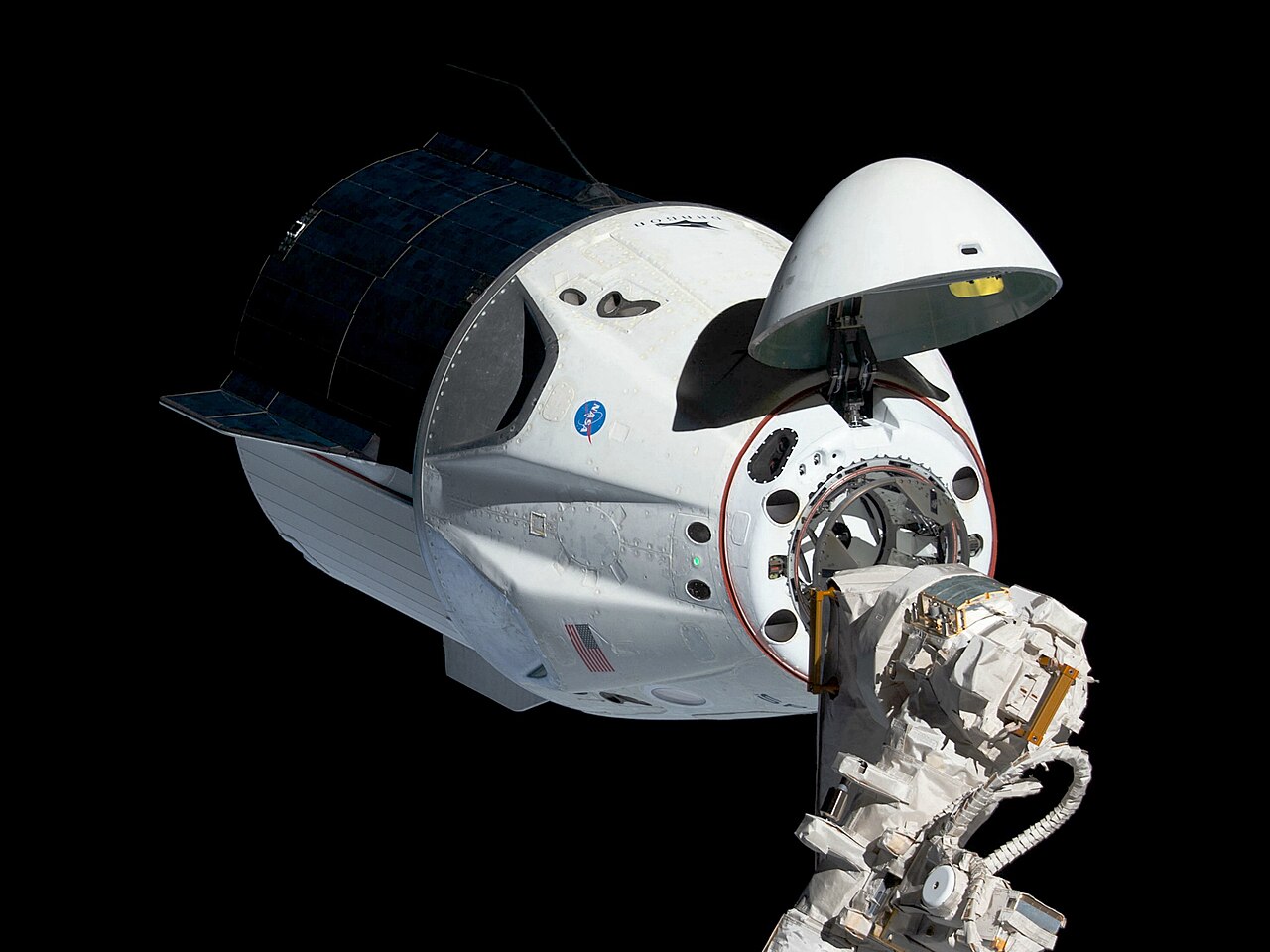
→ Crewed capsule: after “tagline”, what about “Scores compare crewed capsule with the other types on speed, eff”?
Pressurized crew vehicles that launch on rockets and return through re-entry. Crewed capsule is one of 48 vehicle types in this atlas. The pages treat it as a full system — history, anatomy, operating principles, culture, icons, future pressure and market shape — not a product brochure.
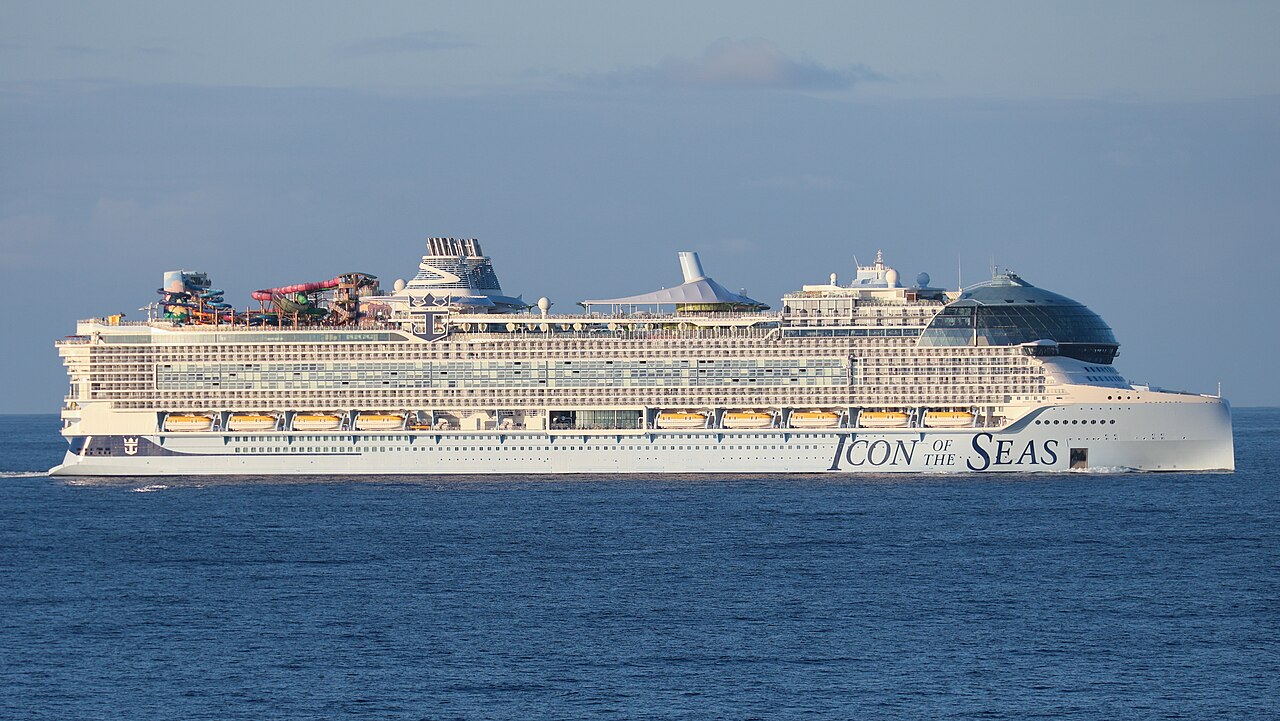
→ Cruise ship: after “tagline”, what about “Scores compare cruise ship with the other types on speed, effici”?
Floating resorts built for itineraries, not point-to-point migration. Cruise ship is one of 48 vehicle types in this atlas. The pages treat it as a full system — history, anatomy, operating principles, culture, icons, future pressure and market shape — not a product brochure.
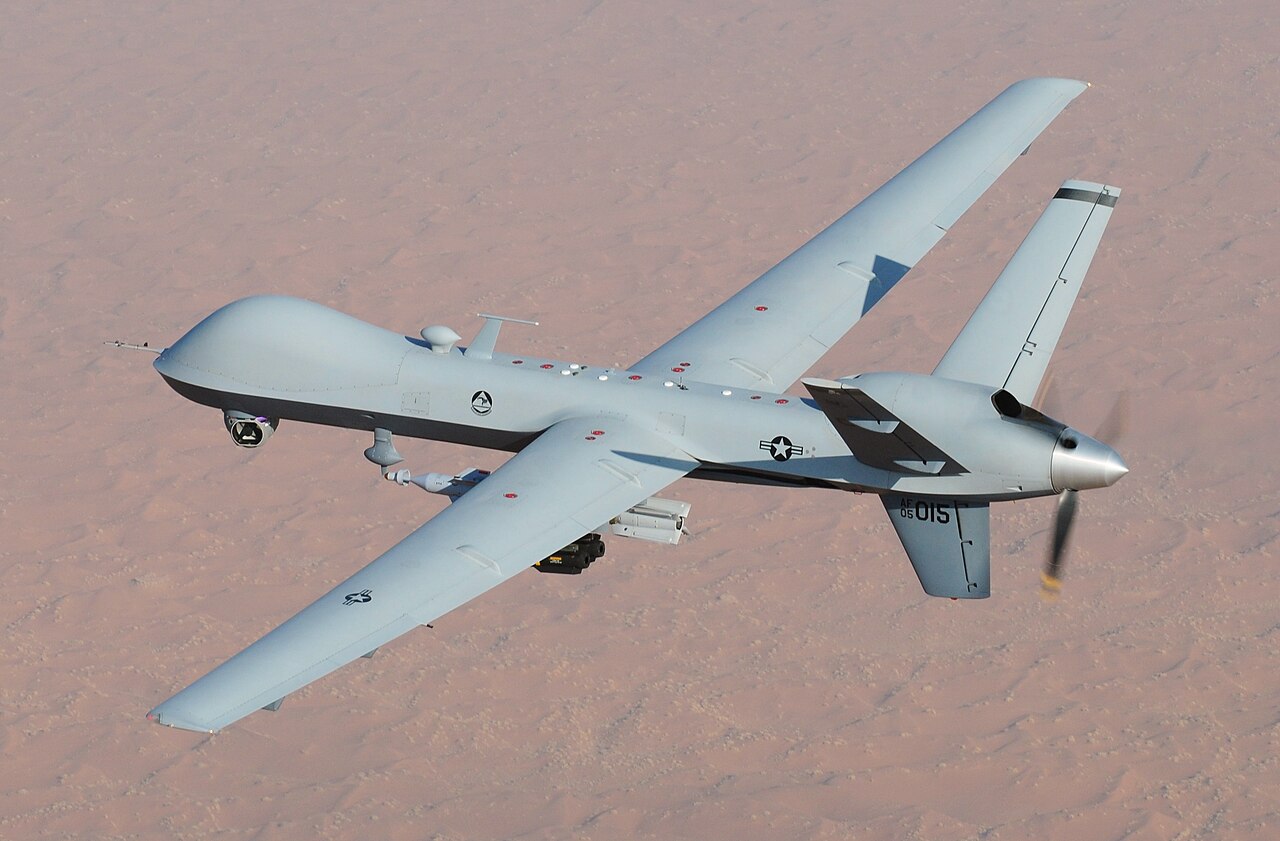
→ Drone: after “tagline”, what about “Scores compare drone with the other types on speed, efficiency, ”?
Uncrewed aircraft from pocket quadcopters to long-endurance military UAVs. Drone is one of 48 vehicle types in this atlas. The pages treat it as a full system — history, anatomy, operating principles, culture, icons, future pressure and market shape — not a product brochure.
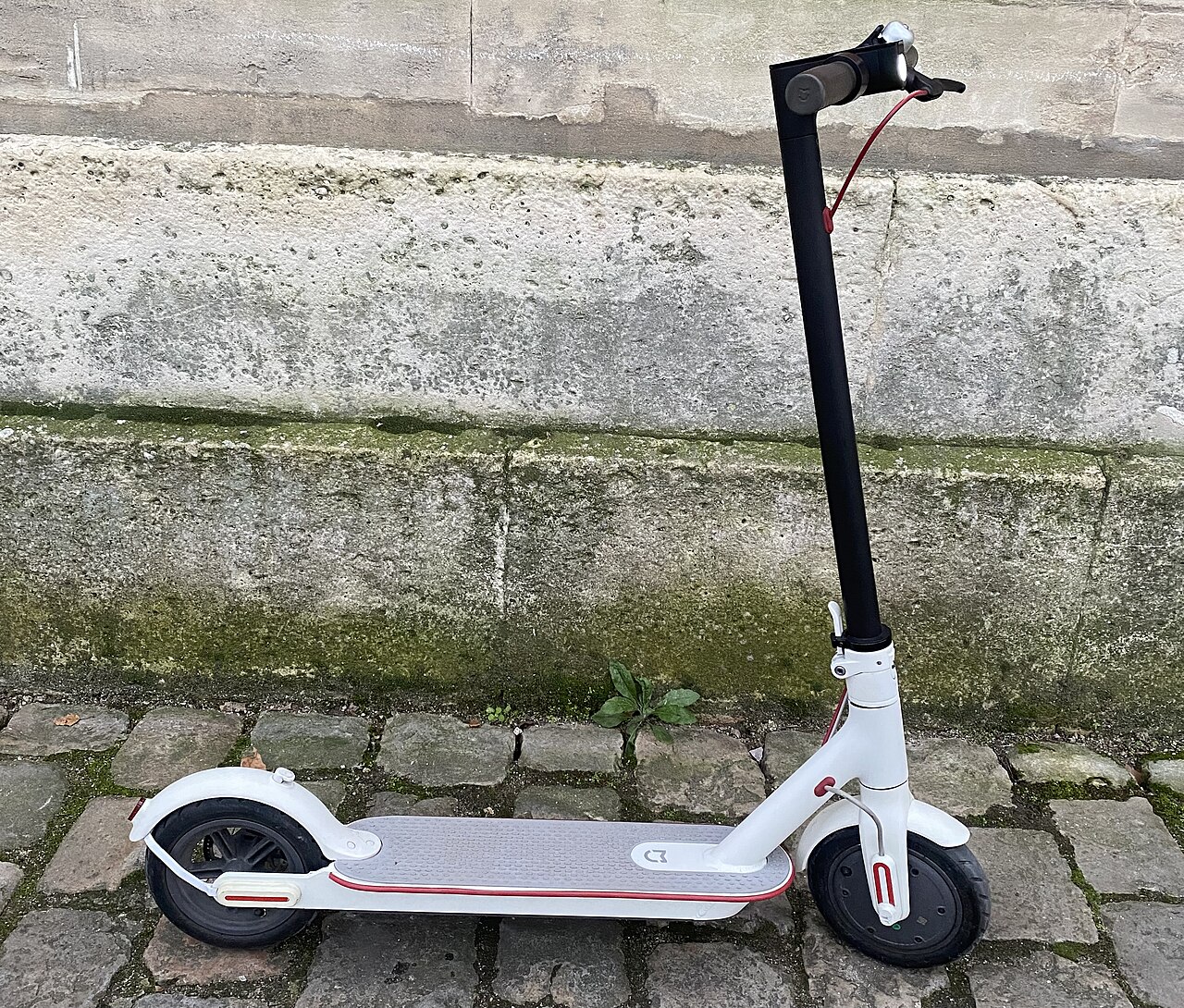
→ E-scooter: after “E-scooter is one of 48 vehicle types in this atlas”, what about “Seven chapters dig in: origins, systems and cutaways, how
E-scooter is one of 48 vehicle types in this atlas. The pages treat it as a full system — history, anatomy, operating principles, culture, icons, future pressure and market shape — not a product brochure.
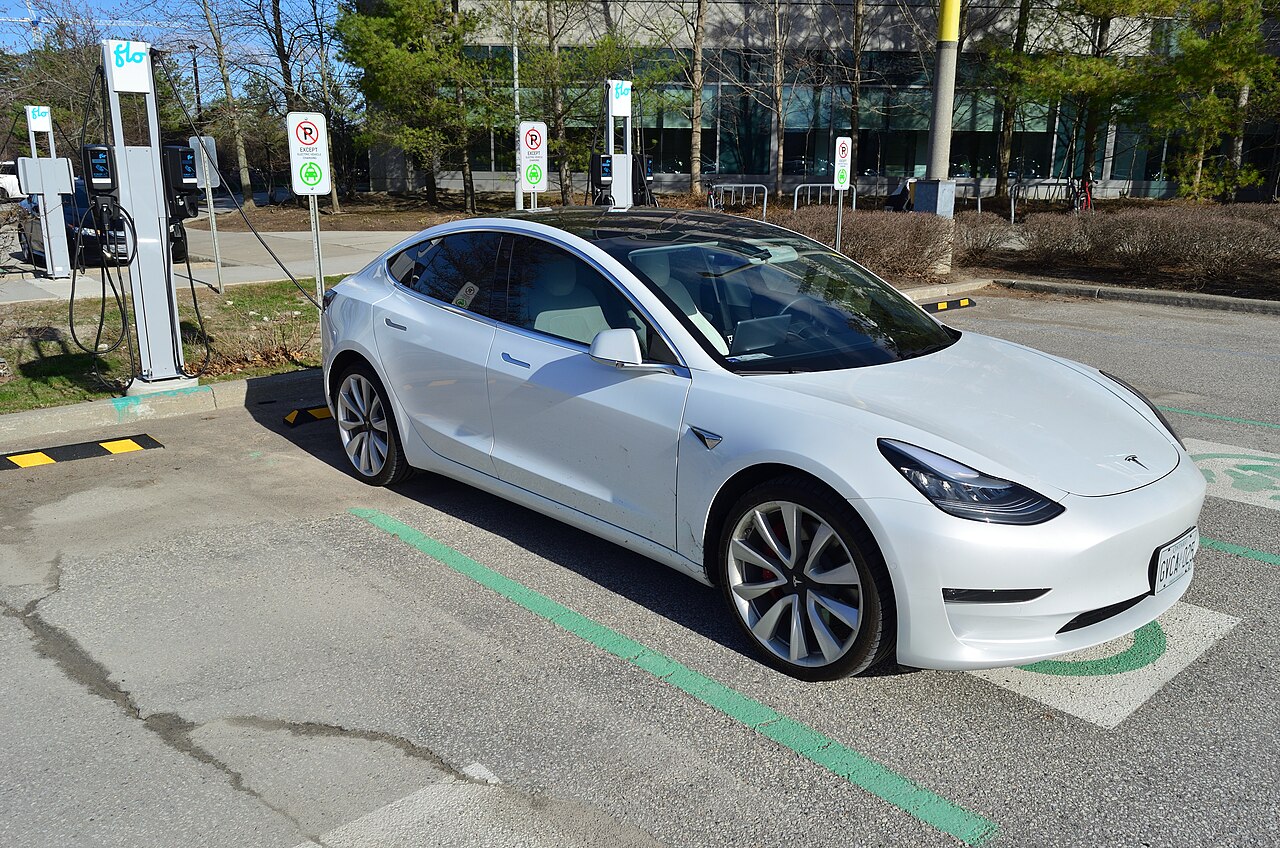
→ Electric car: after “tagline”, what about “Scores compare electric car with the other types on speed, effic”?
Battery-electric passenger cars shifting the car from oil pumps to power grids. Electric car is one of 48 vehicle types in this atlas. The pages treat it as a full system — history, anatomy, operating principles, culture, icons, future pressure and market shape — not a product brochure.
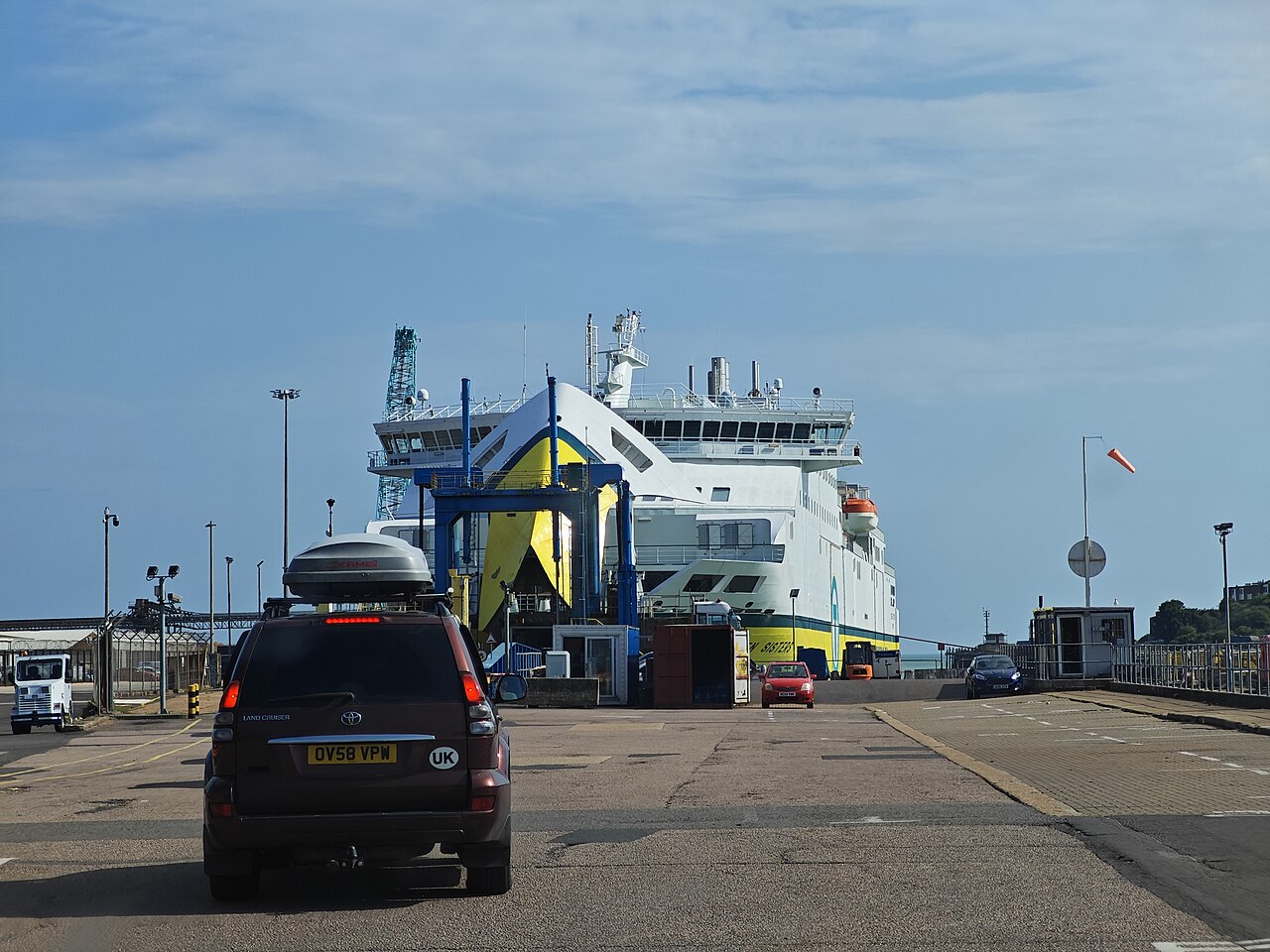
→ Ferry: after “tagline”, what about “Scores compare ferry with the other types on speed, efficiency, ”?
Scheduled water links for people and vehicles across straits and islands. Ferry is one of 48 vehicle types in this atlas. The pages treat it as a full system — history, anatomy, operating principles, culture, icons, future pressure and market shape — not a product brochure.
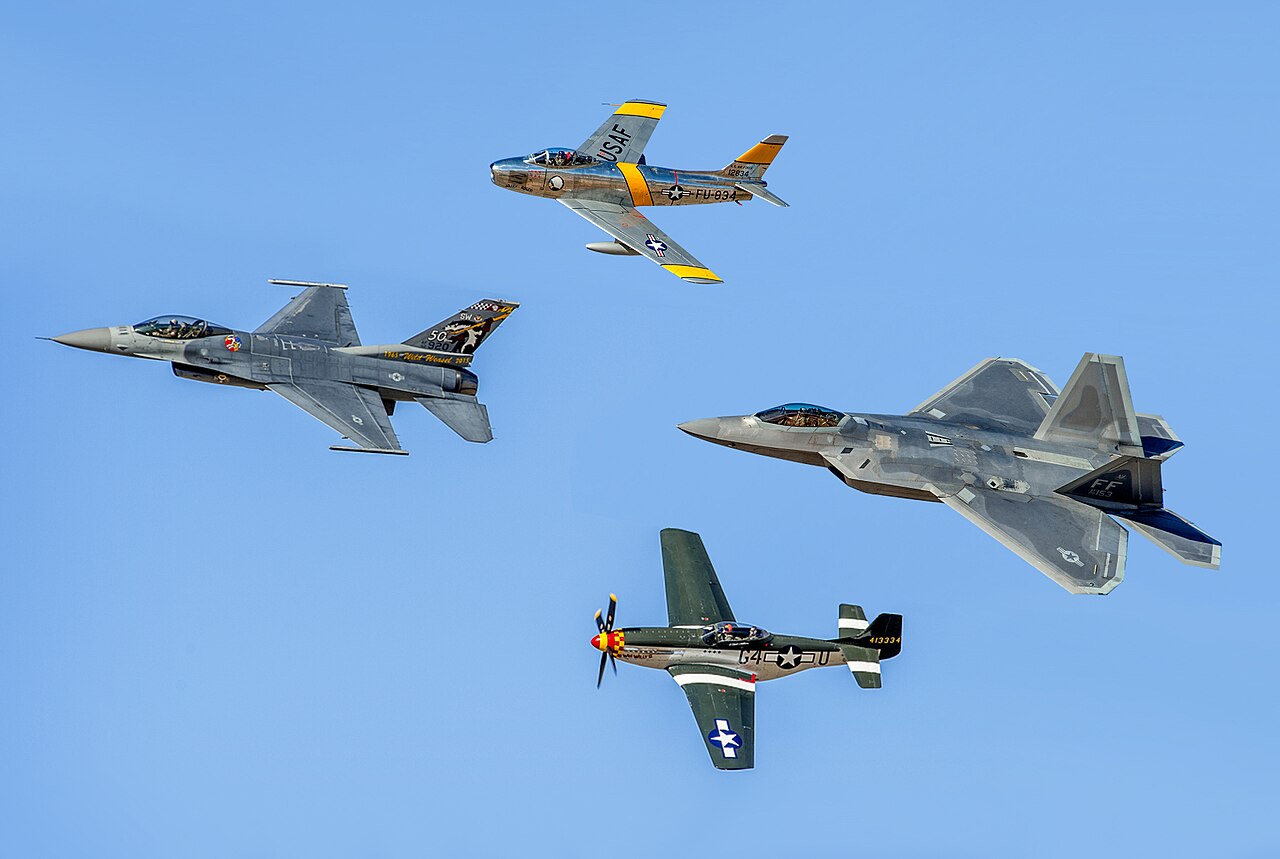
→ Fighter jet: after “tagline”, what about “Scores compare fighter jet with the other types on speed, effici”?
High-performance military aircraft optimized for air superiority and strike. Fighter jet is one of 48 vehicle types in this atlas. The pages treat it as a full system — history, anatomy, operating principles, culture, icons, future pressure and market shape — not a product brochure.
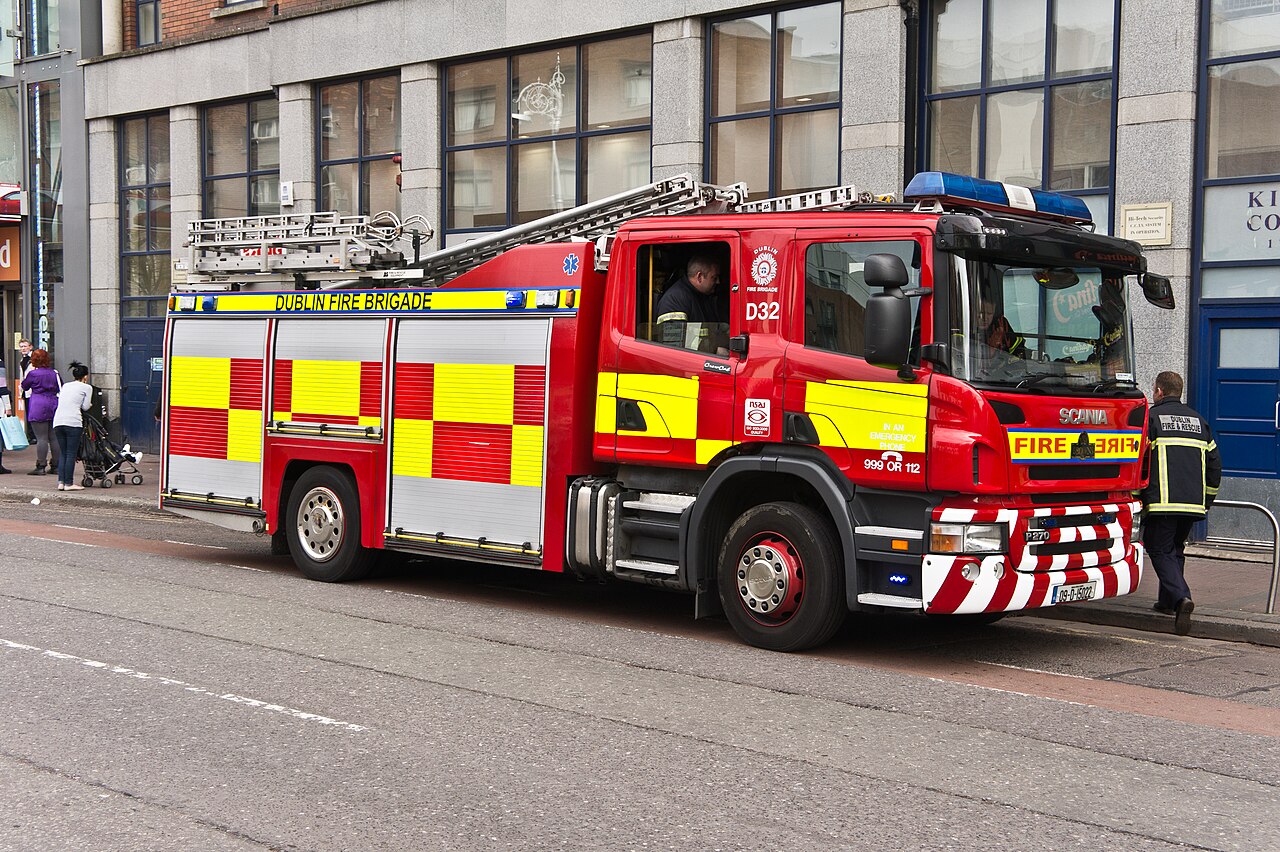
→ Fire engine: after “tagline”, what about “Scores compare fire engine with the other types on speed, effici”?
Pump, ladder and rescue appliances that bring water and crews to the fireground. Fire engine is one of 48 vehicle types in this atlas. The pages treat it as a full system — history, anatomy, operating principles, culture, icons, future pressure and market shape — not a product brochure.
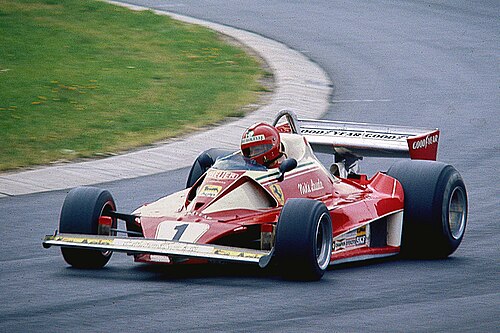
→ Formula One car: after “tagline”, what about “Scores compare formula one car with the other types on speed, ef”?
Open-wheel single-seaters that push tyres, aero and hybrid power units to the edge. Formula One car is one of 48 vehicle types in this atlas. The pages treat it as a full system — history, anatomy, operating principles, culture, icons, future pressure and market shape — not a product brochure.
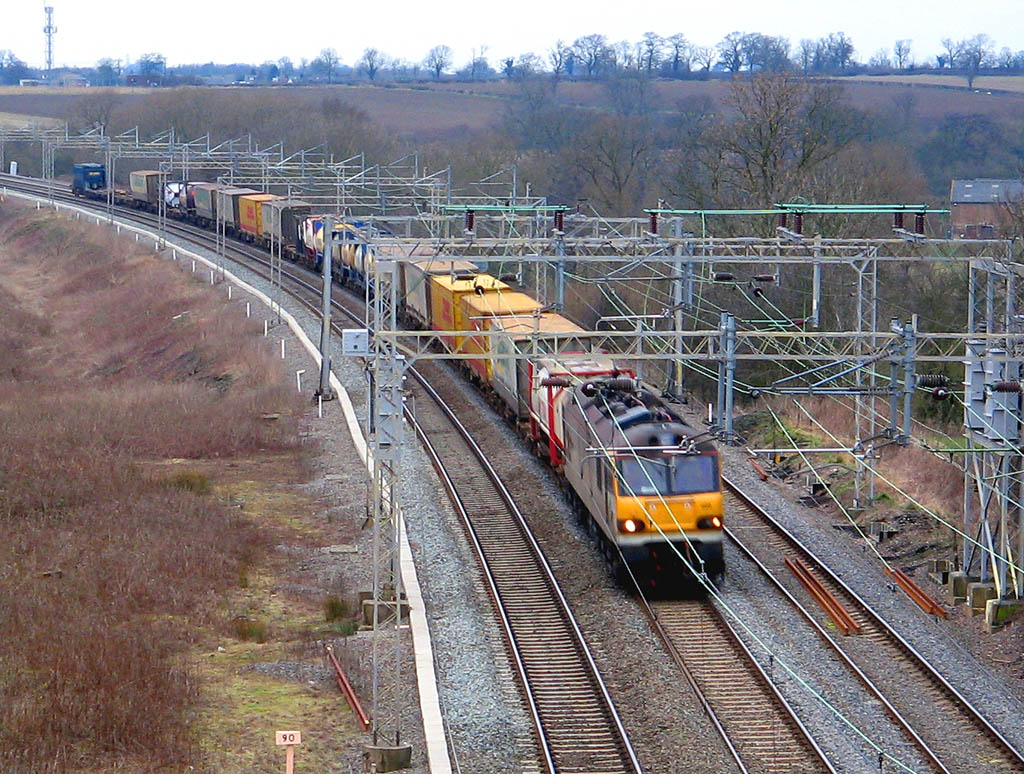
→ Freight train: after “tagline”, what about “Scores compare freight train with the other types on speed, effi”?
Heavy rail consists that move bulk and containers across continents. Freight train is one of 48 vehicle types in this atlas. The pages treat it as a full system — history, anatomy, operating principles, culture, icons, future pressure and market shape — not a product brochure.
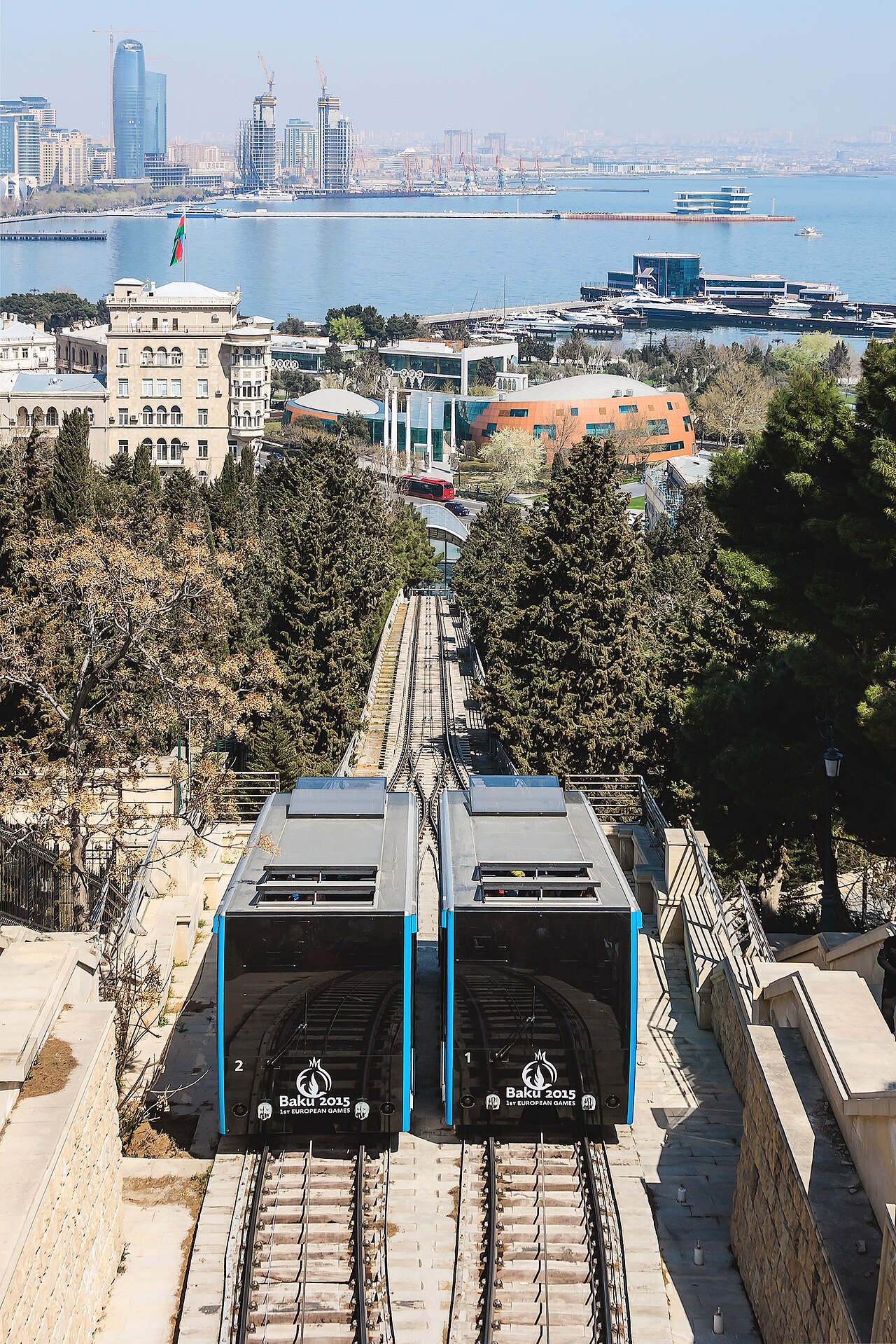
→ Funicular: after “paras 1”, what about “paras 2”?
Cable tension monitoring, fail-safe brakes and evacuation procedures dominate design more than top speed. (5)
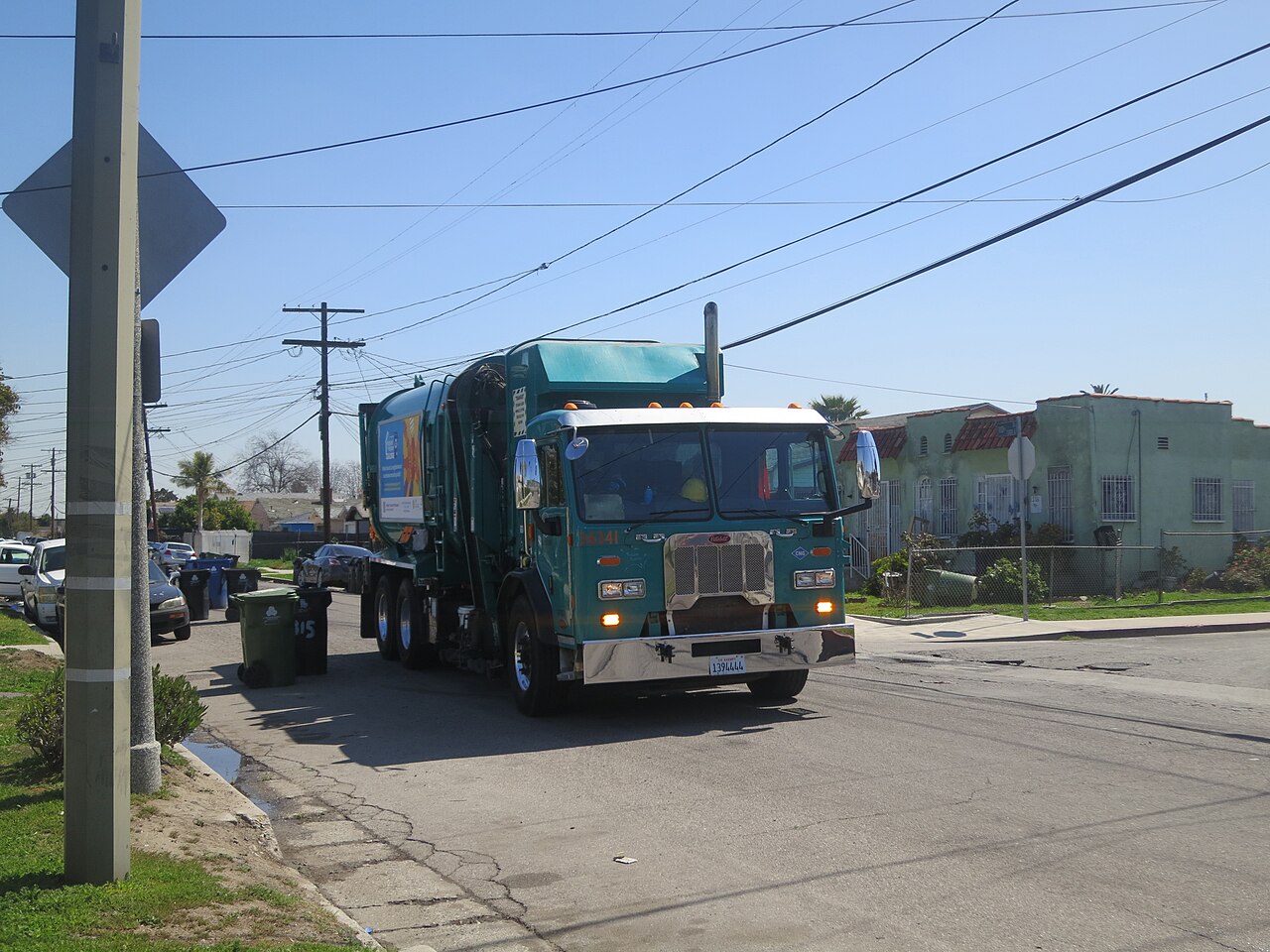
→ Garbage truck: after “Garbage truck is one of 48 vehicle types in this atlas”, what about “Scores compare garbage truck with the other types
Garbage truck is one of 48 vehicle types in this atlas. The pages treat it as a full system — history, anatomy, operating principles, culture, icons, future pressure and market shape — not a product brochure.
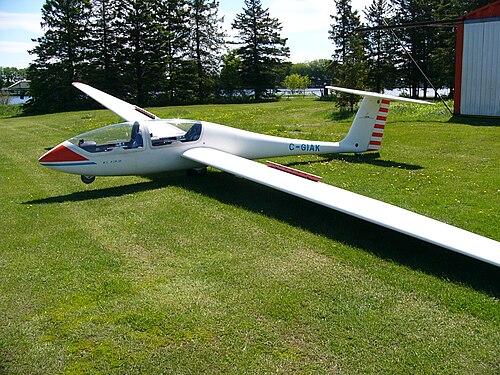
→ Glider: after “Glider is one of 48 vehicle types in this atlas”, what about “Scores compare glider with the other types on speed, efficiency
Glider is one of 48 vehicle types in this atlas. The pages treat it as a full system — history, anatomy, operating principles, culture, icons, future pressure and market shape — not a product brochure.
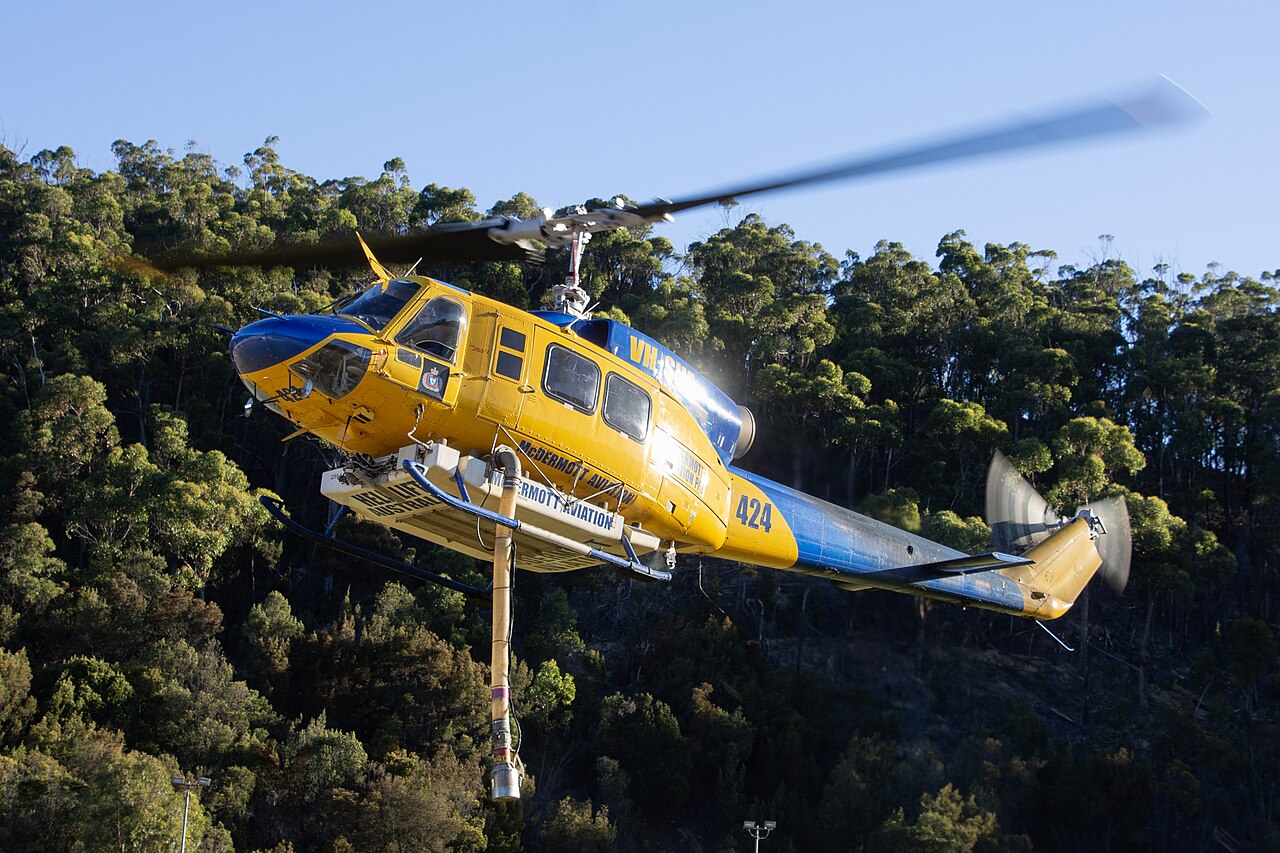
→ Helicopter: after “tagline”, what about “Scores compare helicopter with the other types on speed, efficie”?
Rotary-wing aircraft for vertical lift, hover and point landings. Helicopter is one of 48 vehicle types in this atlas. The pages treat it as a full system — history, anatomy, operating principles, culture, icons, future pressure and market shape — not a product brochure.
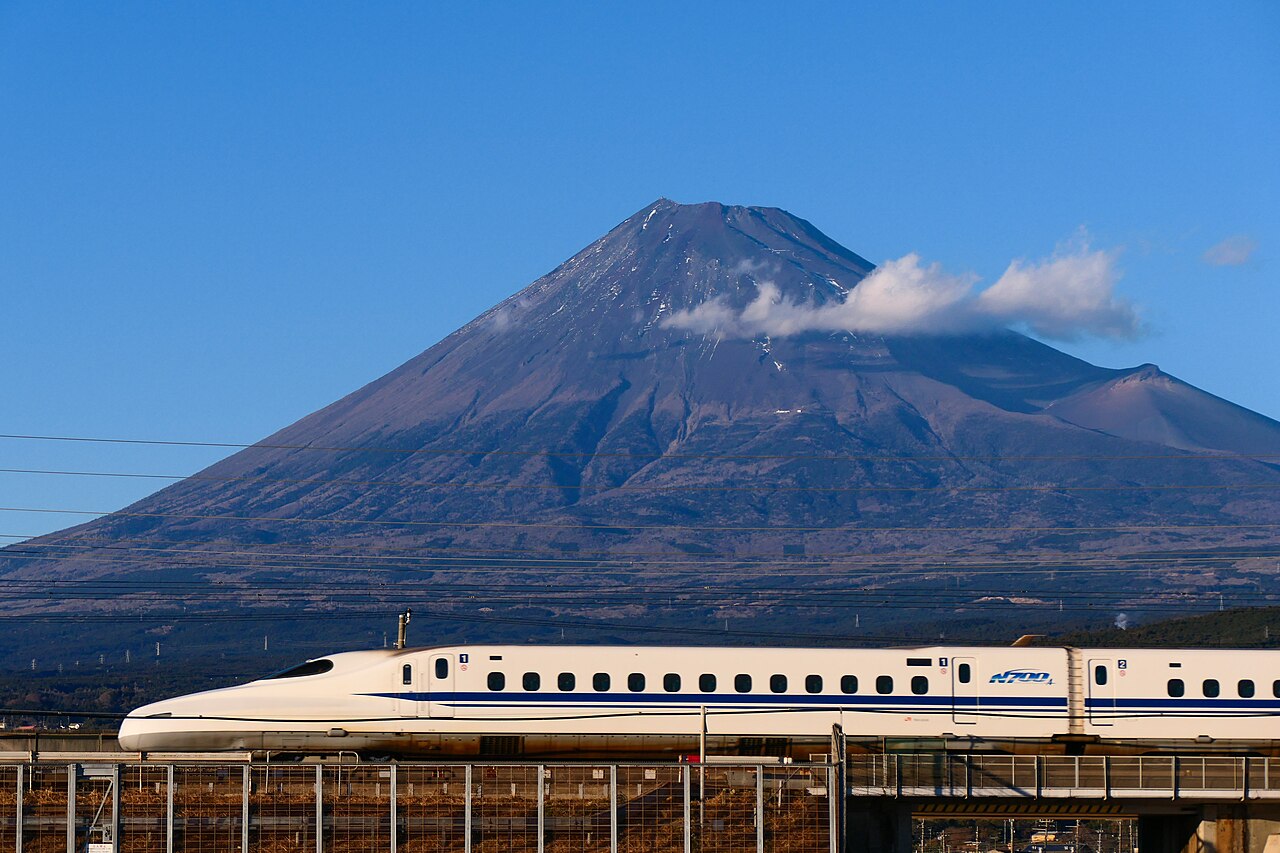
→ High-speed rail: after “tagline”, what about “Scores compare high-speed rail with the other types on speed, ef”?
Dedicated high-speed passenger trains reshaping corridors between cities. High-speed rail is one of 48 vehicle types in this atlas. The pages treat it as a full system — history, anatomy, operating principles, culture, icons, future pressure and market shape — not a product brochure.
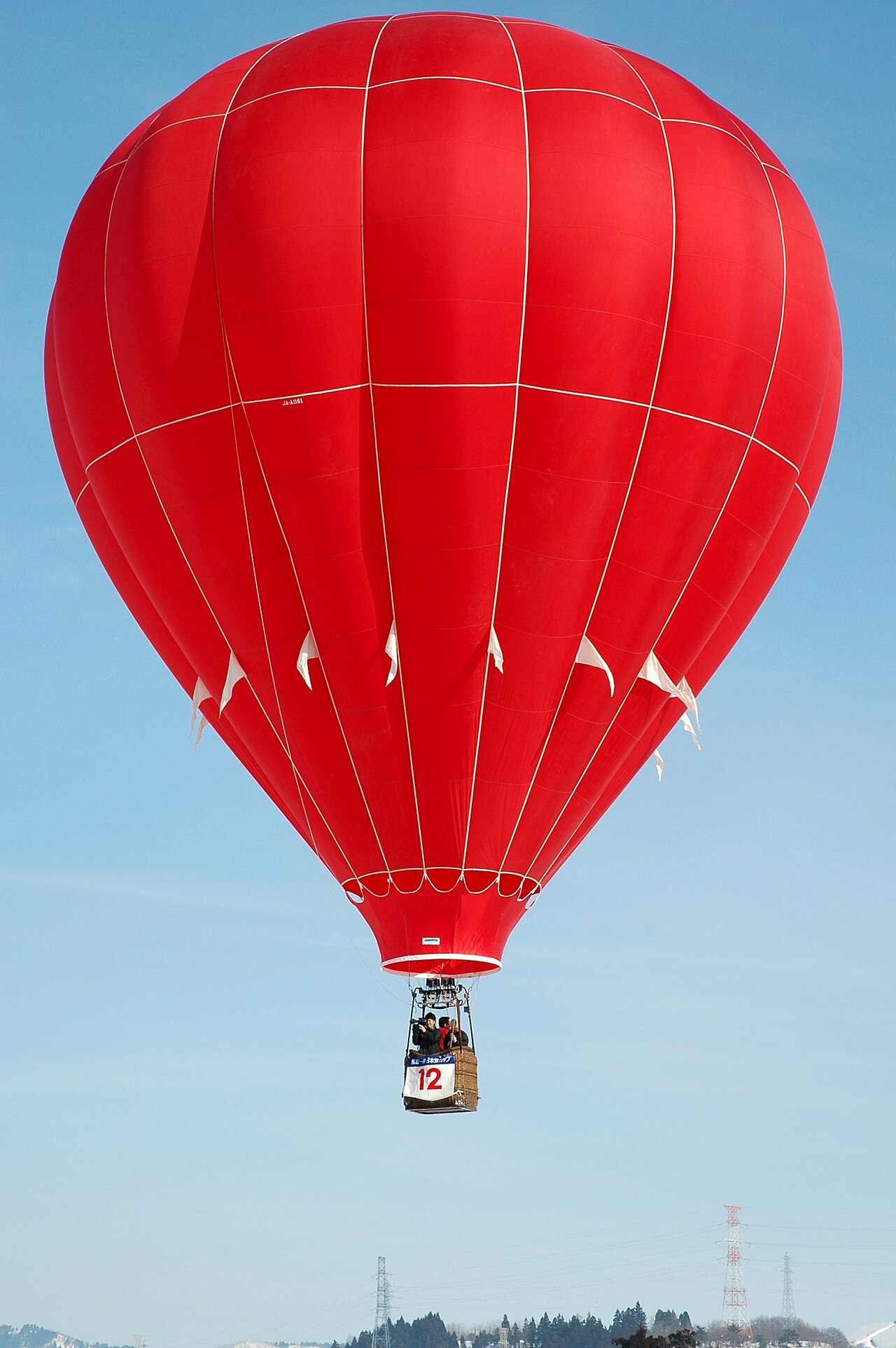
→ Hot-air balloon: after “tagline”, what about “Scores compare hot-air balloon with the other types on speed, ef”?
Buoyant envelopes heated by burners — the oldest human-carrying flight technology still aloft. Hot-air balloon is one of 48 vehicle types in this atlas. The pages treat it as a full system — history, anatomy, operating principles, culture, icons, future pressure and market shape — not a product brochure.
→ Hovercraft: after “tagline”, what about “Scores compare hovercraft with the other types on speed, efficie”?
A hull that rides a trapped air cushion — amphibious ferries and rescue craft, not a displacement ship. Hovercraft is one of 49 vehicle types in this atlas. The pages treat it as a full system — history, anatomy, operating principles, culture, icons, future pressure and market shape — not a product brochure.
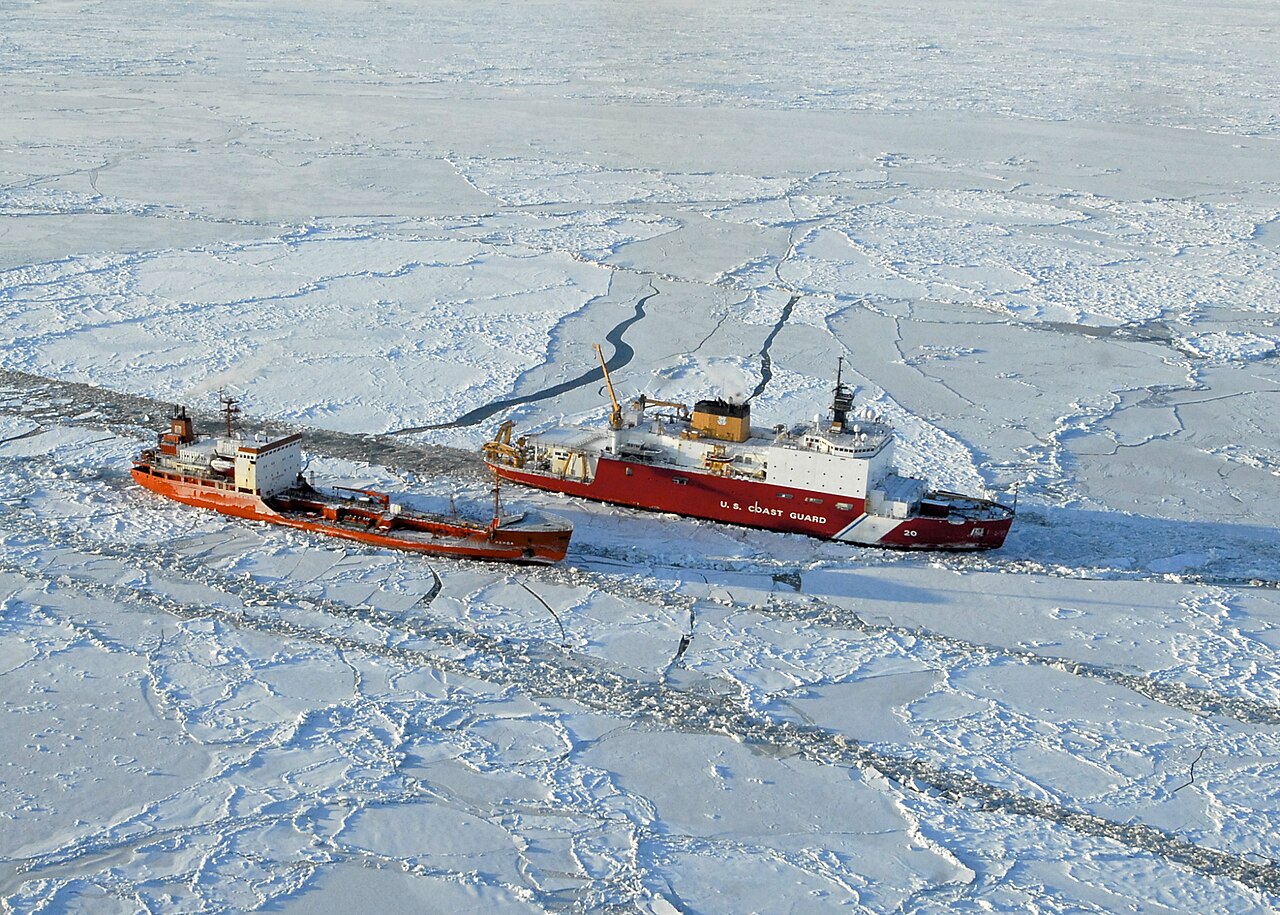
→ Icebreaker: after “tagline”, what about “Scores compare icebreaker with the other types on speed, efficie”?
Ships built to crush and ride over ice — keeping polar and winter ports open. Icebreaker is one of 48 vehicle types in this atlas. The pages treat it as a full system — history, anatomy, operating principles, culture, icons, future pressure and market shape — not a product brochure.
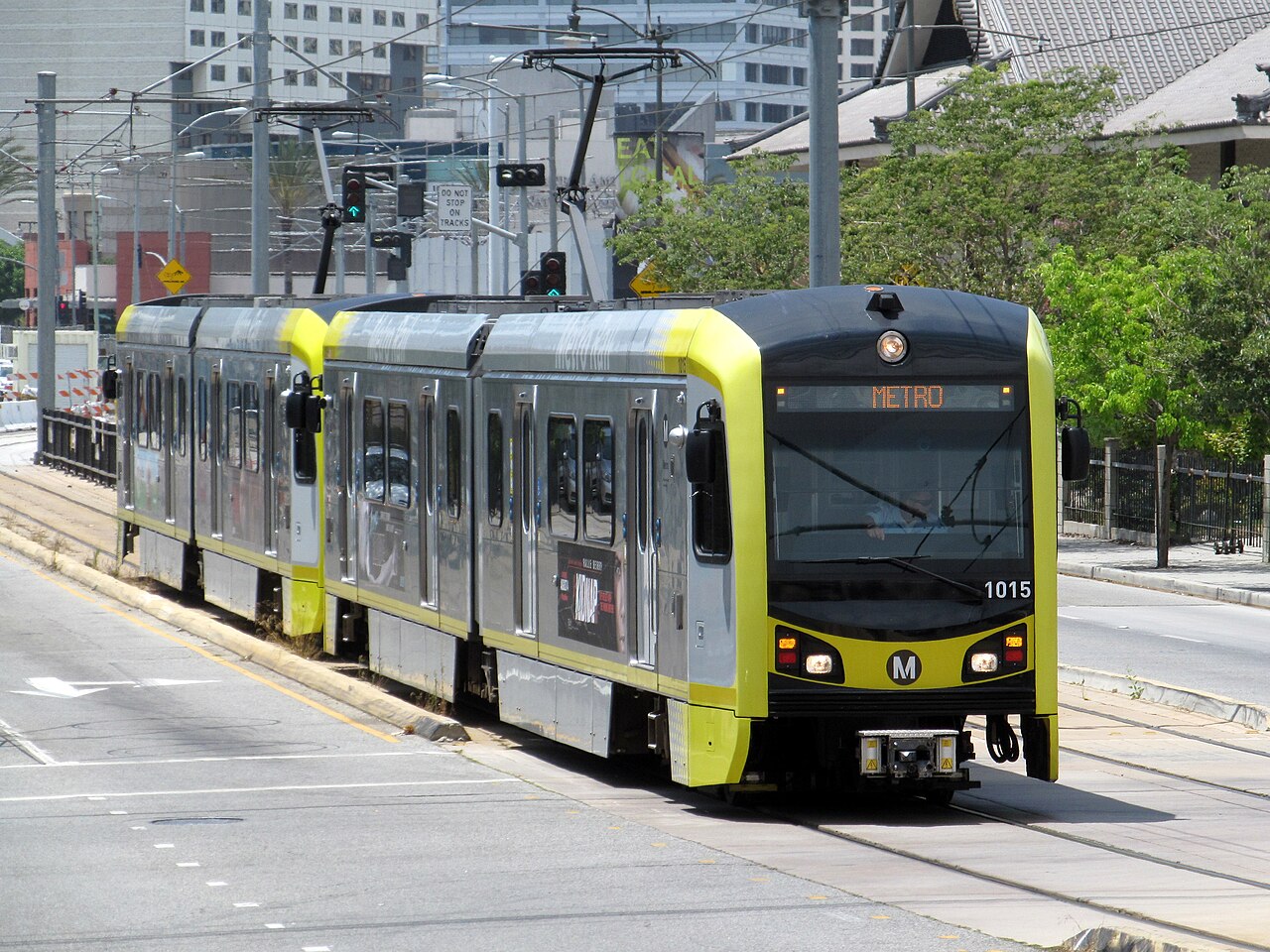
→ Light rail: after “tagline”, what about “Scores compare light rail with the other types on speed, efficie”?
Urban and suburban rail between tram and metro — reserved rights-of-way with street running. Light rail is one of 48 vehicle types in this atlas. The pages treat it as a full system — history, anatomy, operating principles, culture, icons, future pressure and market shape — not a product brochure.
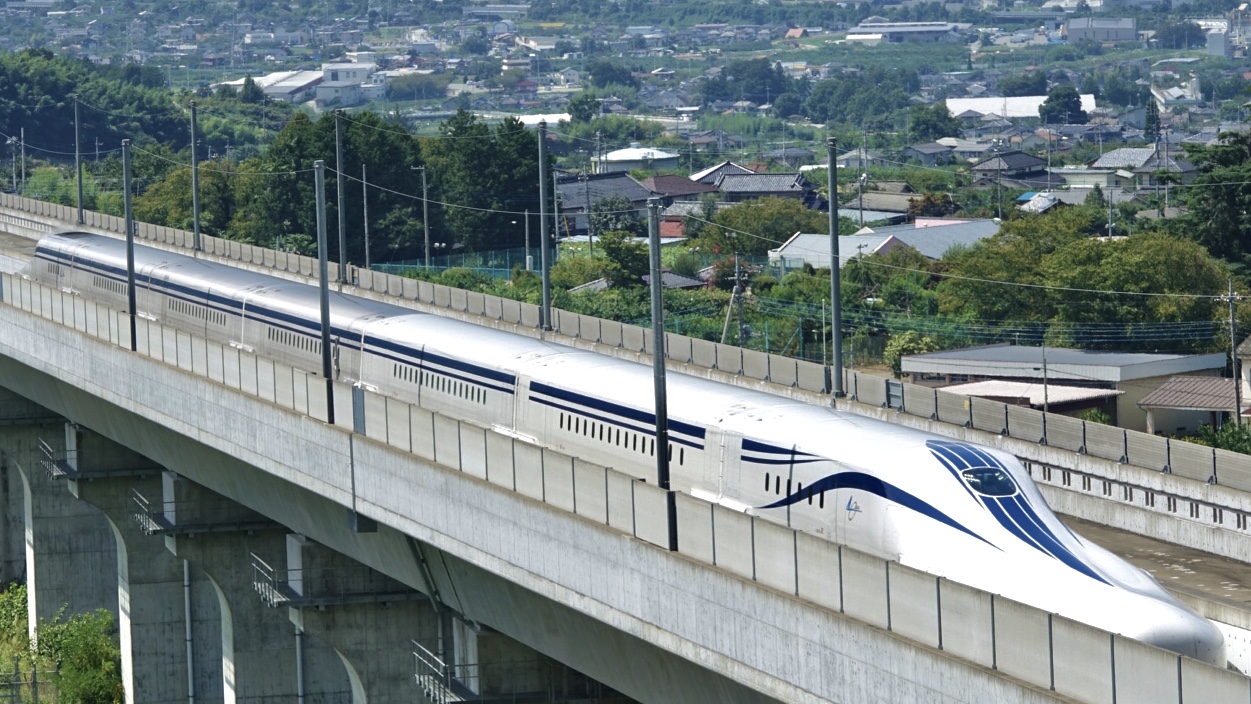
→ Maglev: after “tagline”, what about “Scores compare maglev with the other types on speed, efficiency,”?
Trains that float on magnetic fields — frictionless guideways at airliner speeds. Maglev is one of 48 vehicle types in this atlas. The pages treat it as a full system — history, anatomy, operating principles, culture, icons, future pressure and market shape — not a product brochure.
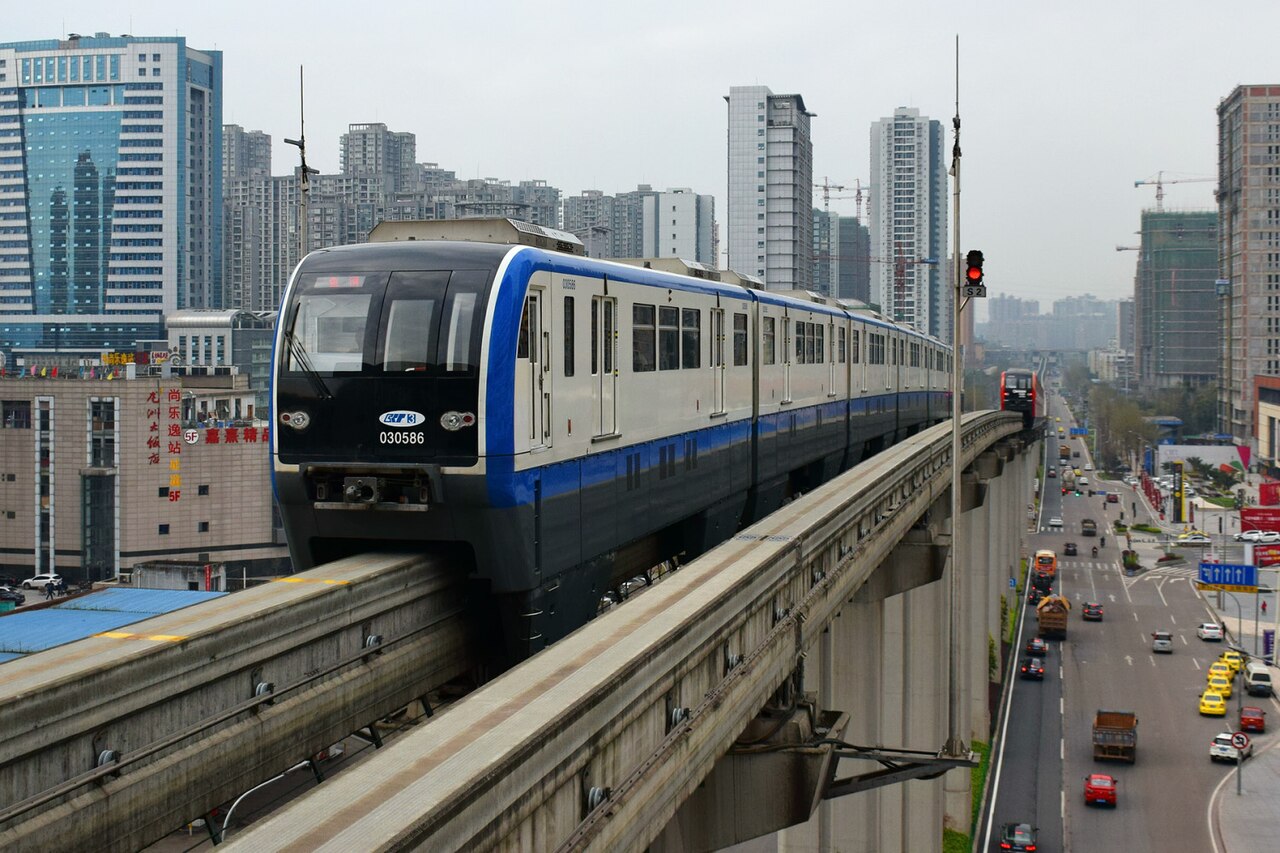
→ Monorail: after “paras 1”, what about “paras 2”?
Switch designs, evacuation walkways, propulsion redundancy and tyre/guideway wear set reliability. (5)
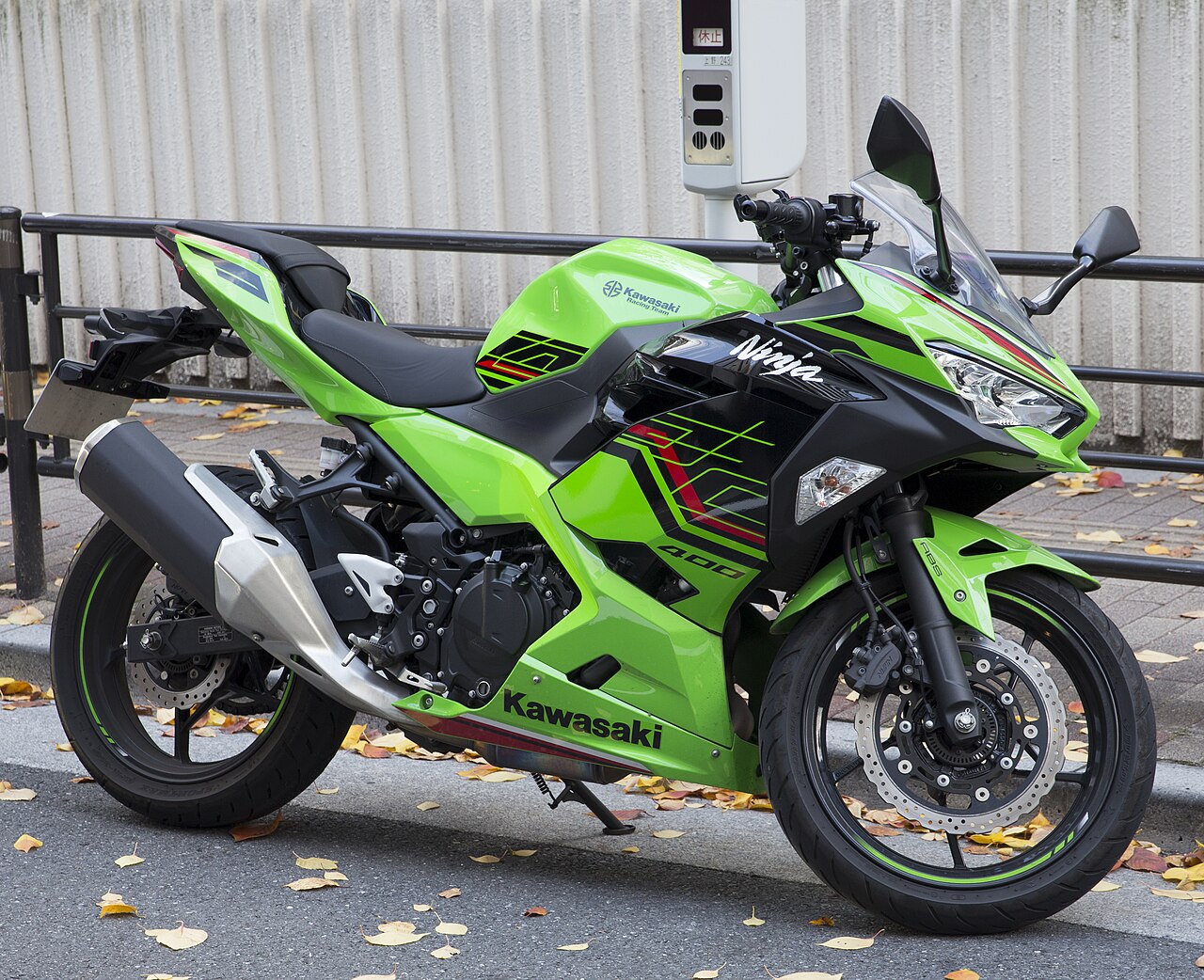
→ Motorcycle: after “tagline”, what about “Scores compare motorcycle with the other types on speed, efficie”?
Two-wheeled motor transport spanning scooters, sport bikes and touring machines. Motorcycle is one of 48 vehicle types in this atlas. The pages treat it as a full system — history, anatomy, operating principles, culture, icons, future pressure and market shape — not a product brochure.
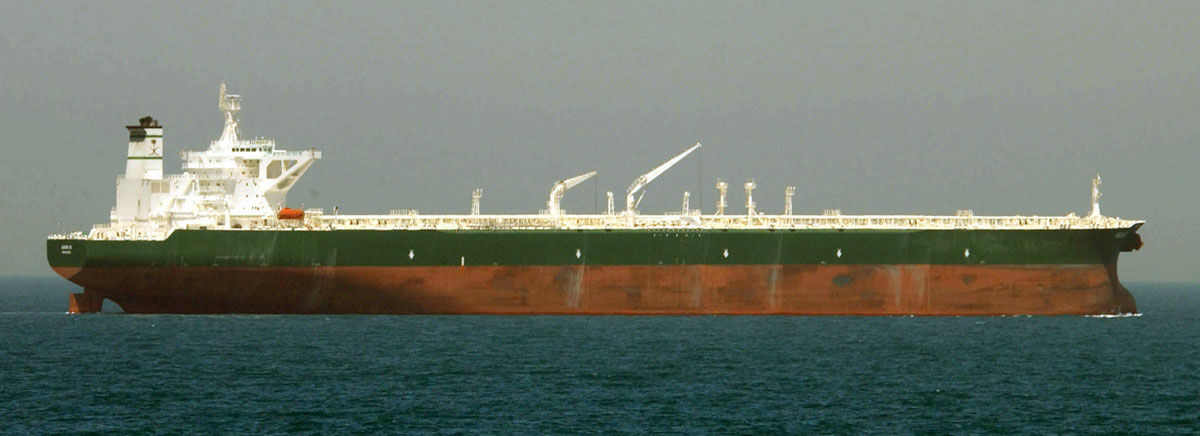
→ Oil tanker: after “tagline”, what about “Scores compare oil tanker with the other types on speed, efficie”?
Tank ships that move crude and products — the liquid spine of global energy trade. Oil tanker is one of 48 vehicle types in this atlas. The pages treat it as a full system — history, anatomy, operating principles, culture, icons, future pressure and market shape — not a product brochure.
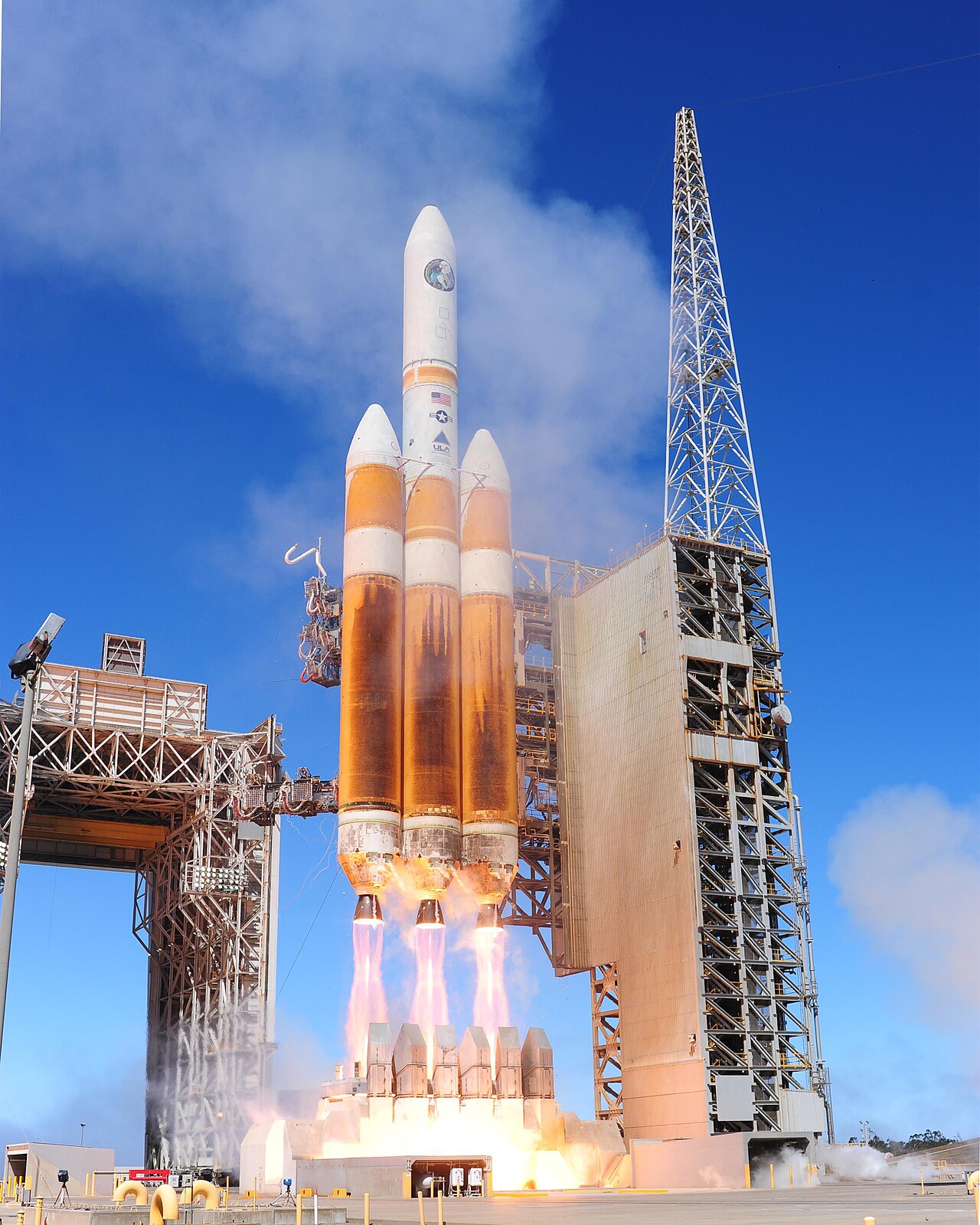
→ Orbital rocket: after “tagline”, what about “Scores compare orbital rocket with the other types on speed, eff”?
Multi-stage rockets that deliver payloads — and crews — beyond the atmosphere. Orbital rocket is one of 48 vehicle types in this atlas. The pages treat it as a full system — history, anatomy, operating principles, culture, icons, future pressure and market shape — not a product brochure.
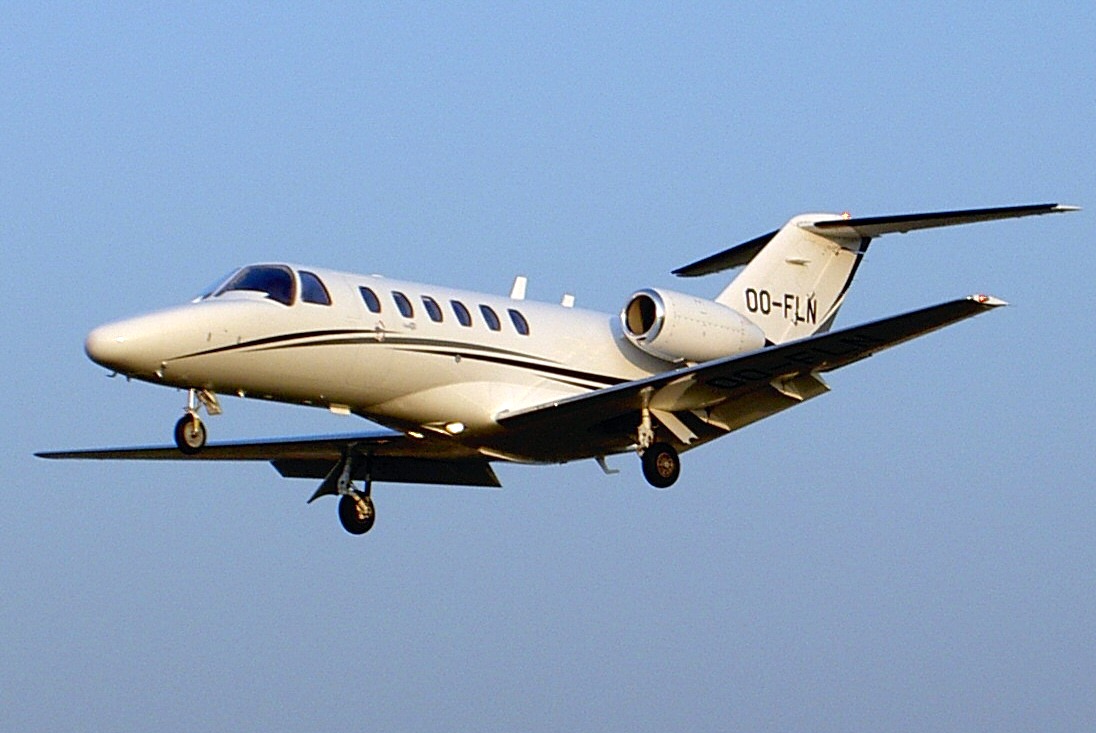
→ Private jet: after “tagline”, what about “Scores compare private jet with the other types on speed, effici”?
Small cabin jets for point-to-point travel outside airline schedules. Private jet is one of 48 vehicle types in this atlas. The pages treat it as a full system — history, anatomy, operating principles, culture, icons, future pressure and market shape — not a product brochure.
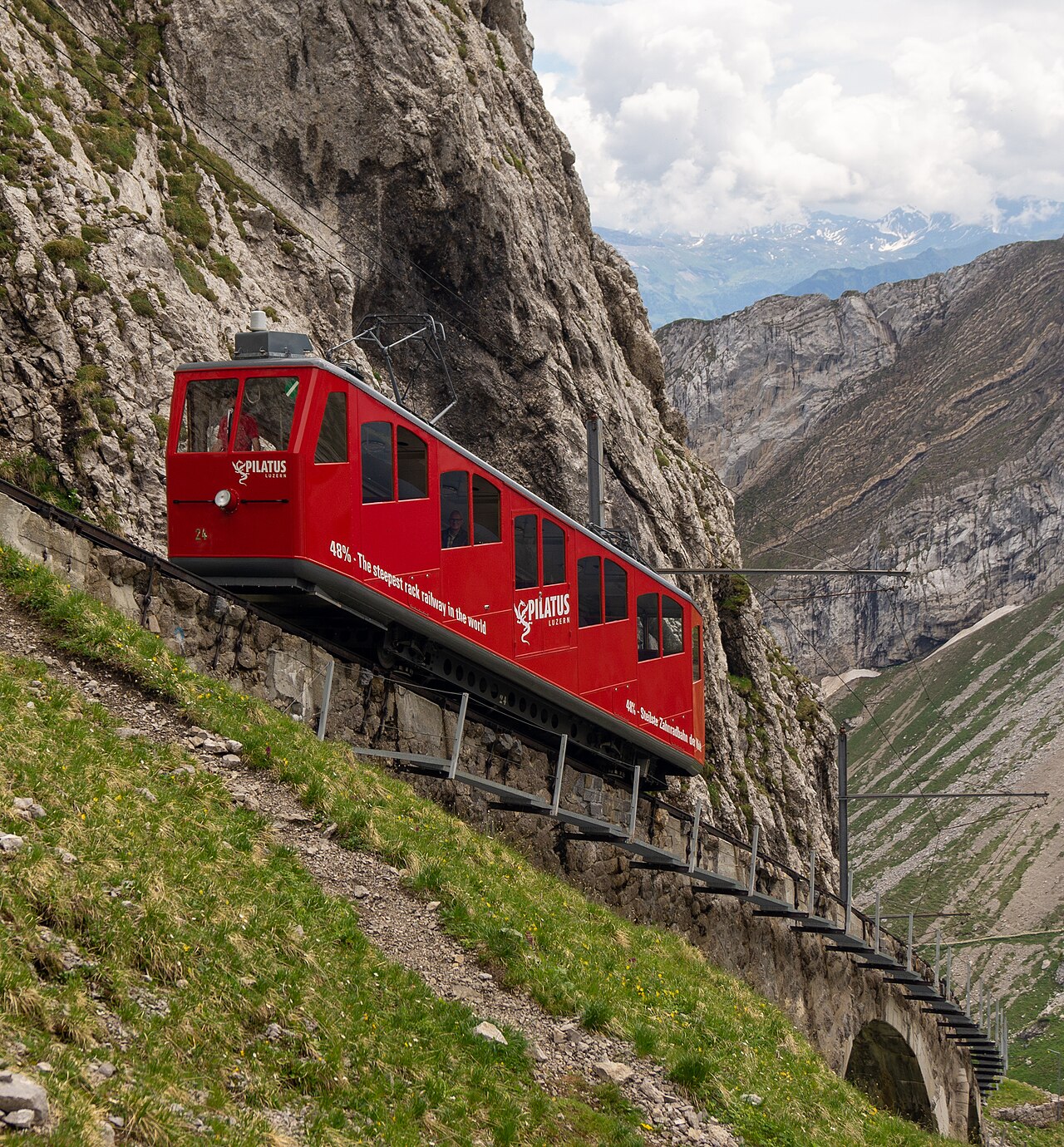
→ Rack railway: after “Rack railway is one of 48 vehicle types in this atlas”, what about “Scores compare rack railway with the other types on
Rack railway is one of 48 vehicle types in this atlas. The pages treat it as a full system — history, anatomy, operating principles, culture, icons, future pressure and market shape — not a product brochure.
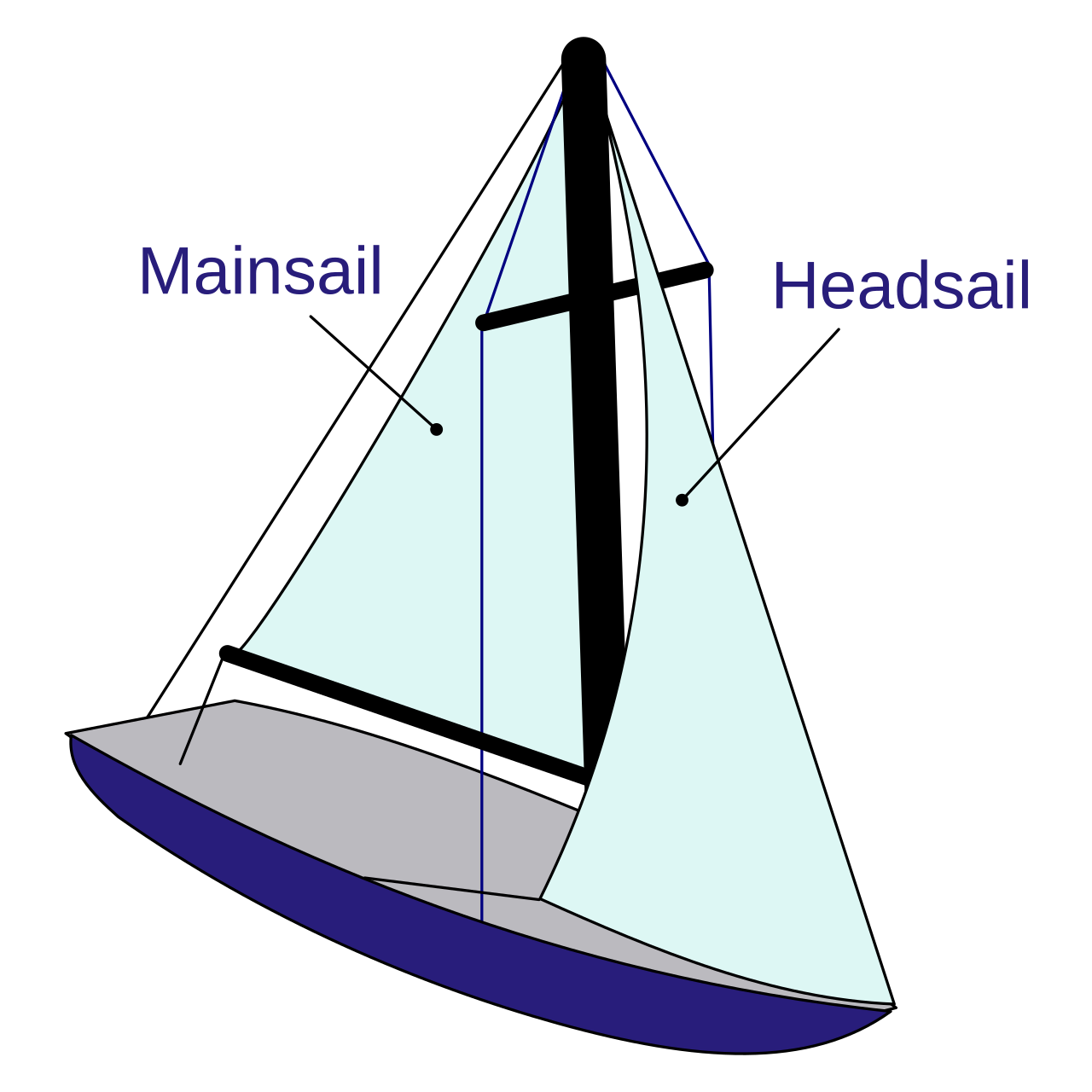
→ Sailboat: after “paras 2”, what about “paras 2”?
Life-raft, EPIRB and jackline culture are safety systems sailors argue about forever. Club racing, liveaboard communities and luxury charter Instagrams split the culture. (5)
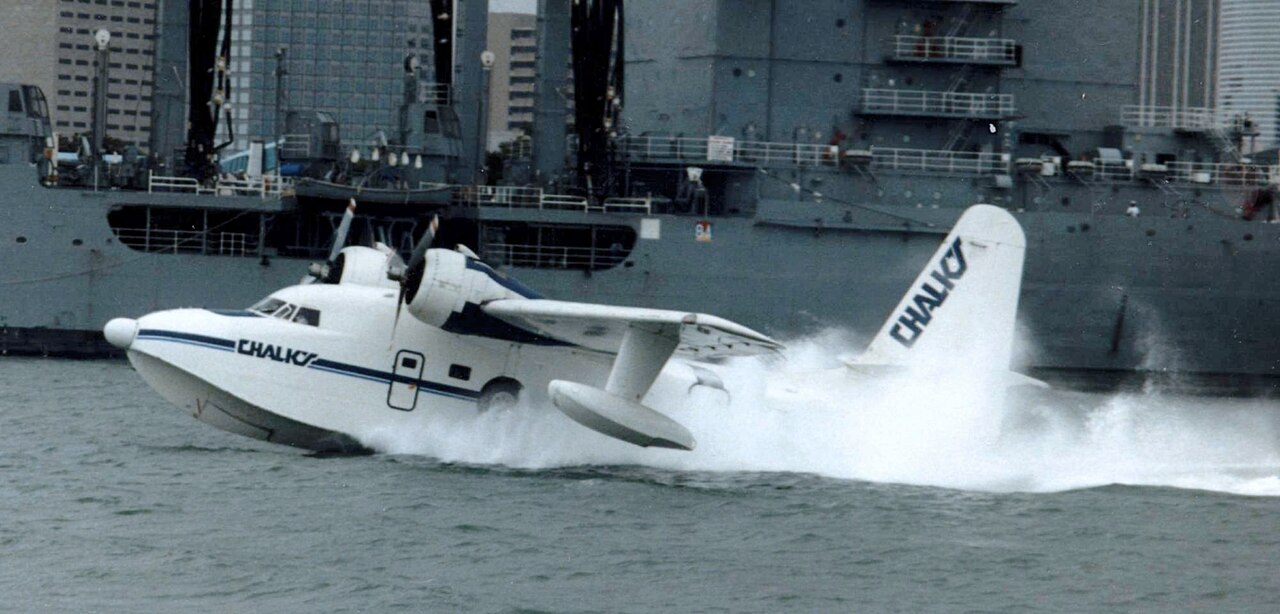
→ Seaplane: after “tagline”, what about “Scores compare seaplane with the other types on speed, efficienc”?
Aircraft that take off and land on water — flying boats, floatplanes and amphibians. Seaplane is one of 48 vehicle types in this atlas. The pages treat it as a full system — history, anatomy, operating principles, culture, icons, future pressure and market shape — not a product brochure.
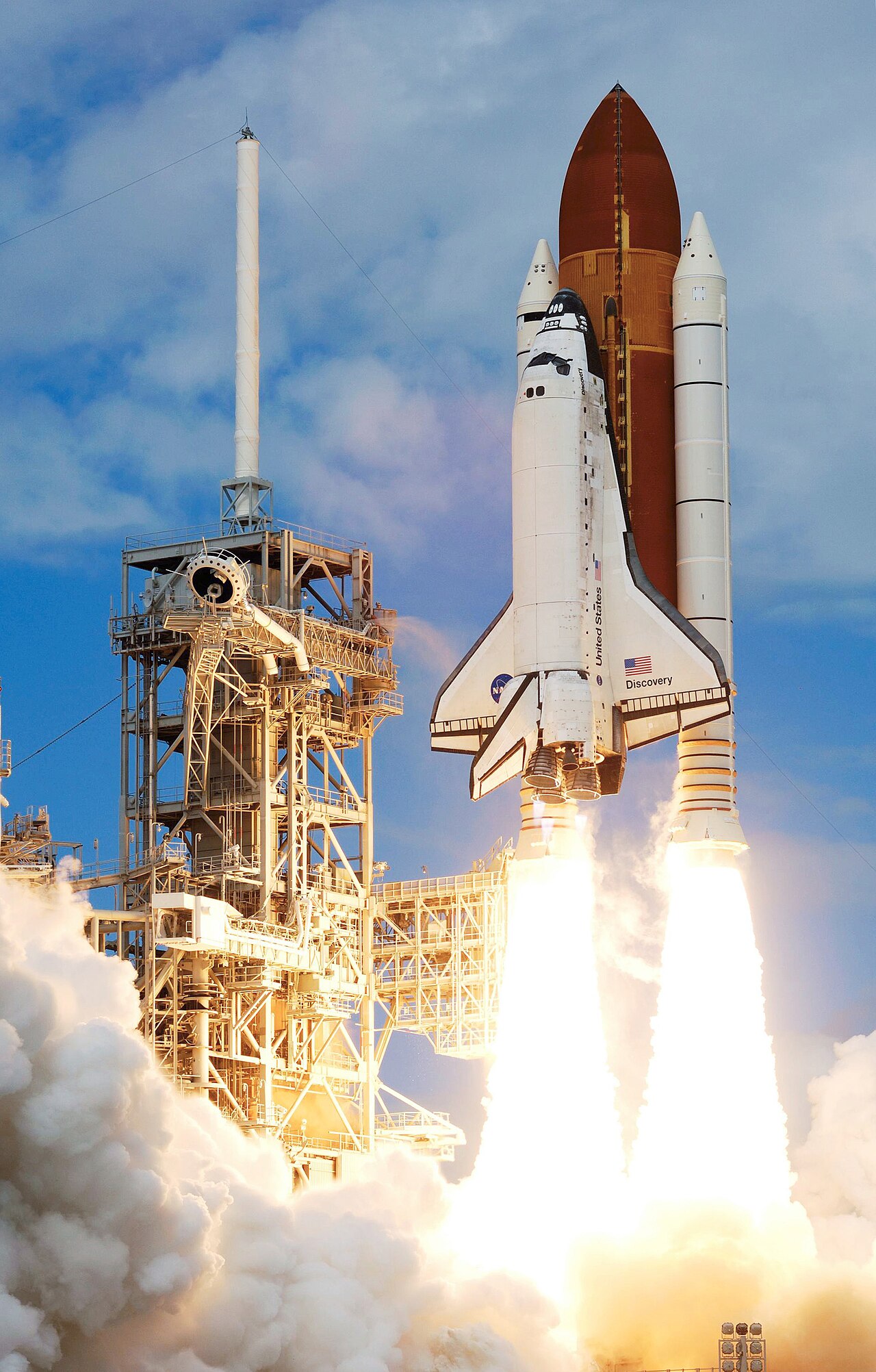
→ Space Shuttle: after “tagline”, what about “Scores compare space shuttle with the other types on speed, effi”?
Reusable winged orbiters that launched like rockets and landed like gliders. Space Shuttle is one of 48 vehicle types in this atlas. The pages treat it as a full system — history, anatomy, operating principles, culture, icons, future pressure and market shape — not a product brochure.
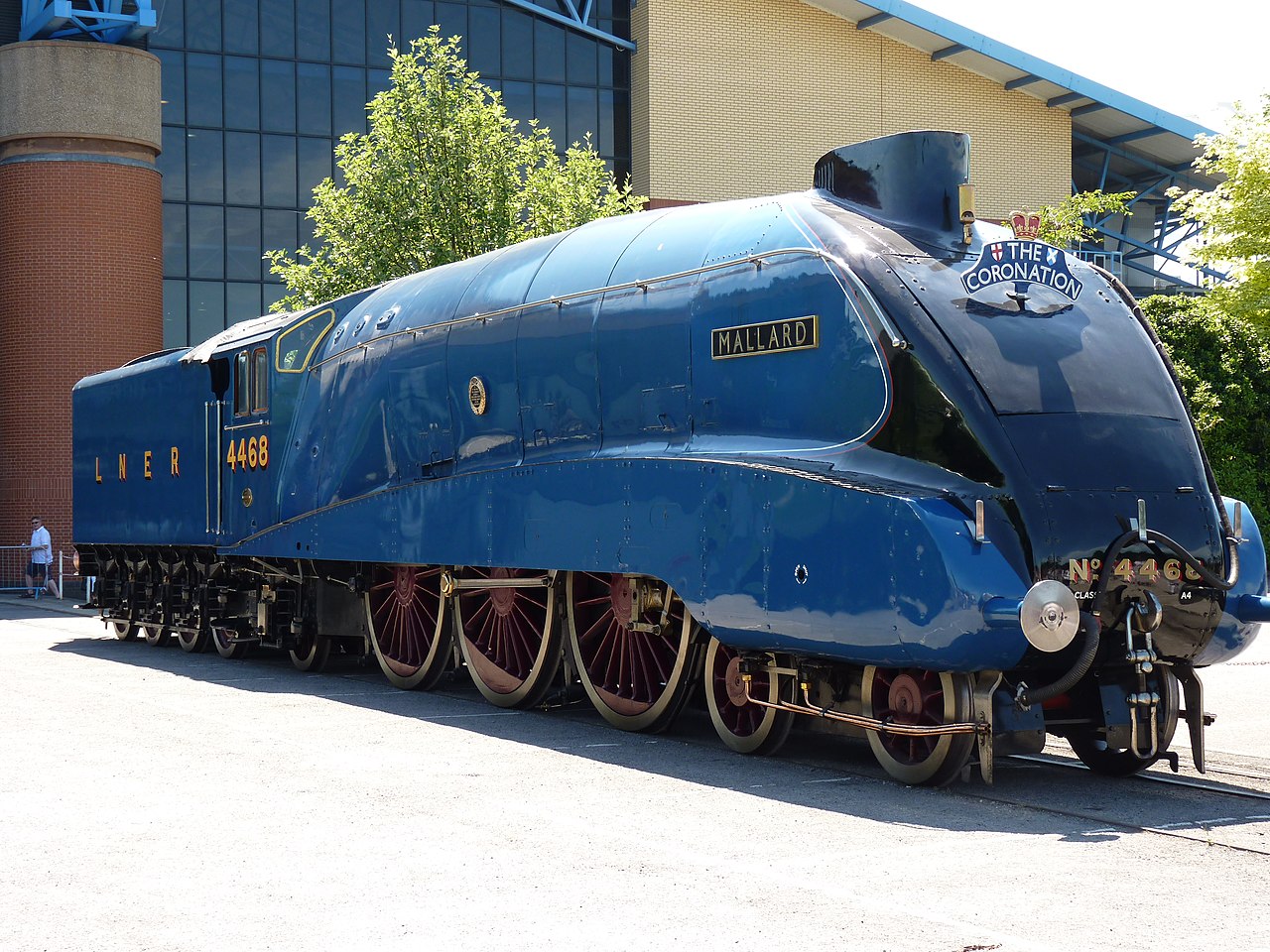
→ Steam locomotive: after “tagline”, what about “Scores compare steam locomotive with the other types on speed, e”?
Coal-and-water iron horses that invented the railway age — still steaming in heritage service. Steam locomotive is one of 48 vehicle types in this atlas. The pages treat it as a full system — history, anatomy, operating principles, culture, icons, future pressure and market shape — not a product brochure.
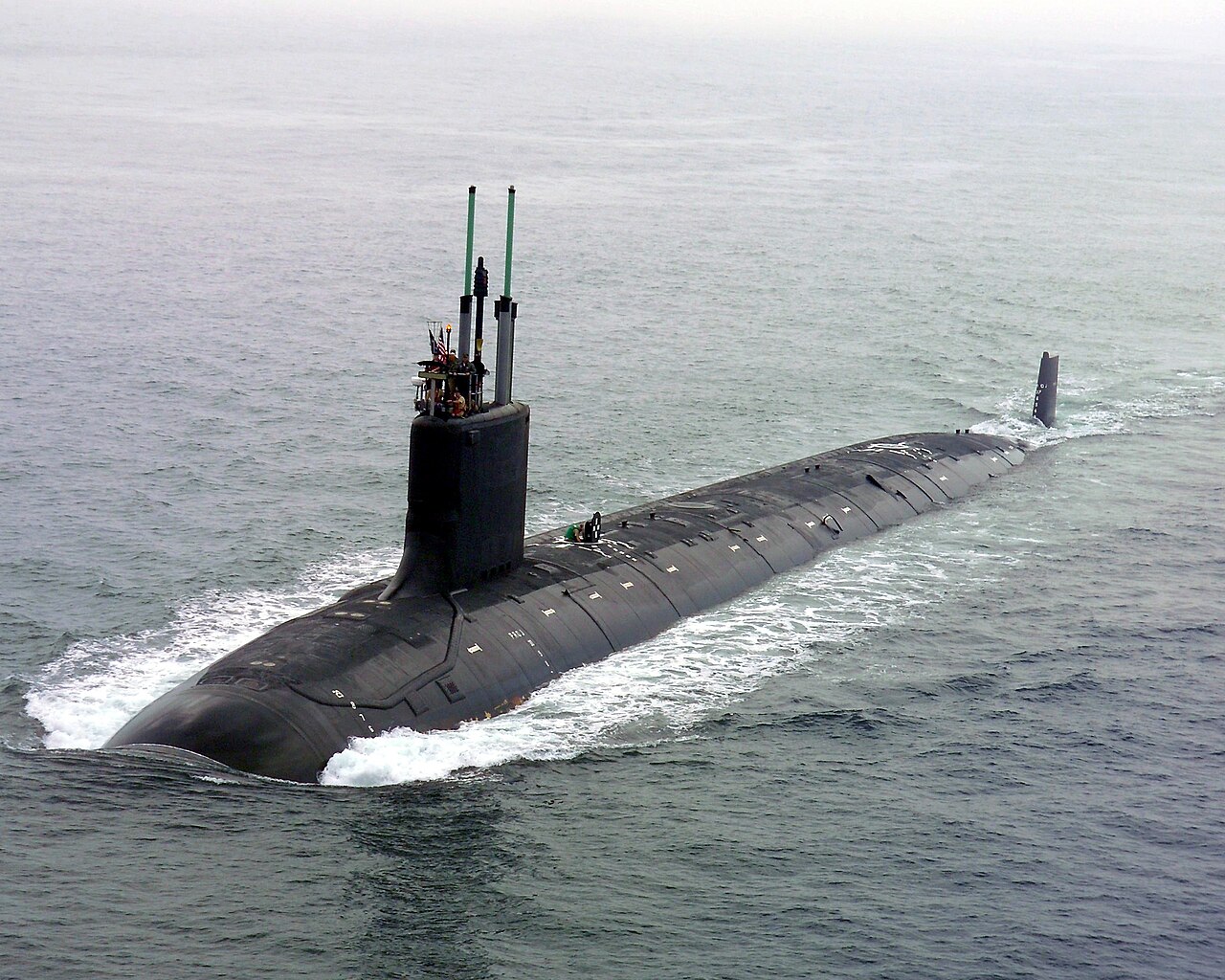
→ Submarine: after “paras 1”, what about “paras 2”?
Atmosphere control, sonar suites, quieting coatings and reactor/battery endurance define the mission box. (5)
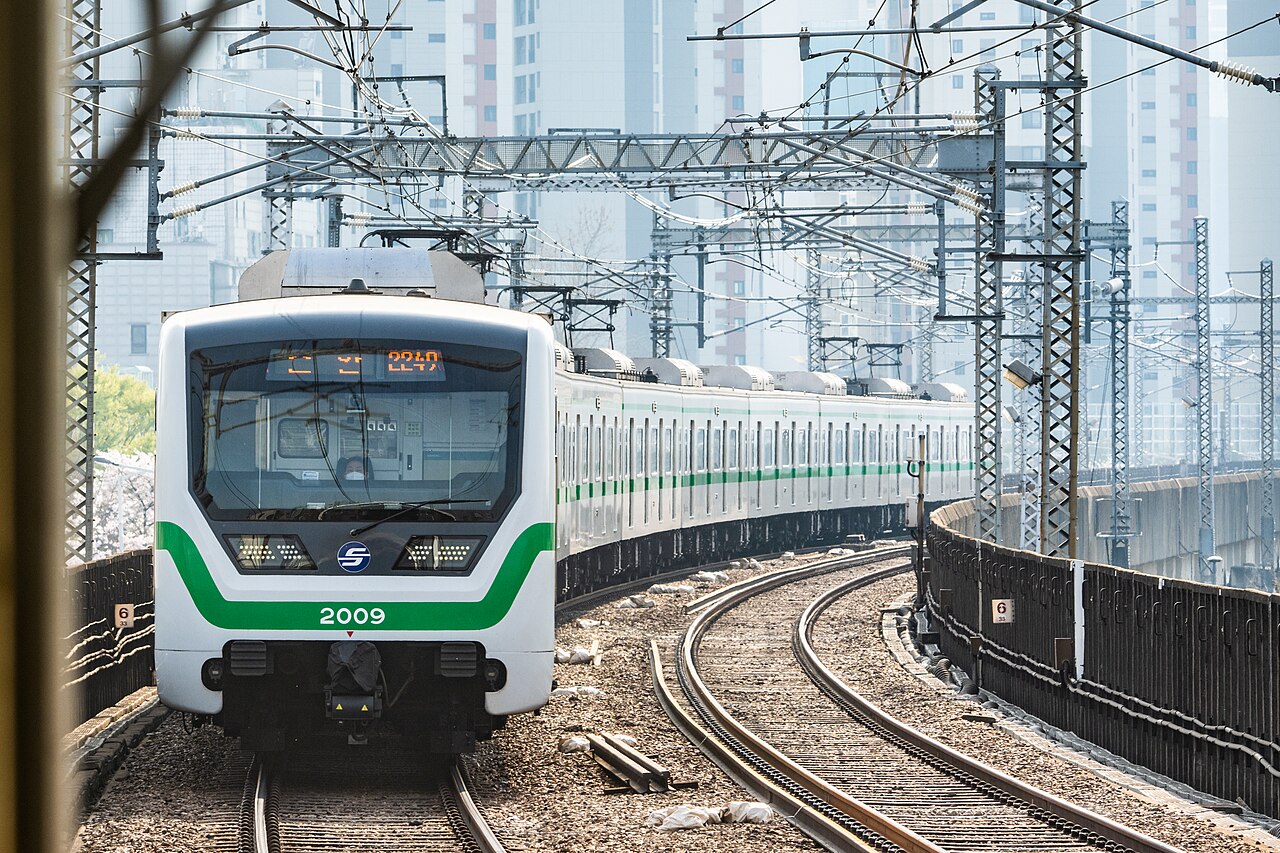
→ Subway: after “tagline”, what about “Scores compare subway with the other types on speed, efficiency,”?
Urban rapid transit in tunnels and elevated guideways — the spine of dense cities. Subway is one of 48 vehicle types in this atlas. The pages treat it as a full system — history, anatomy, operating principles, culture, icons, future pressure and market shape — not a product brochure.
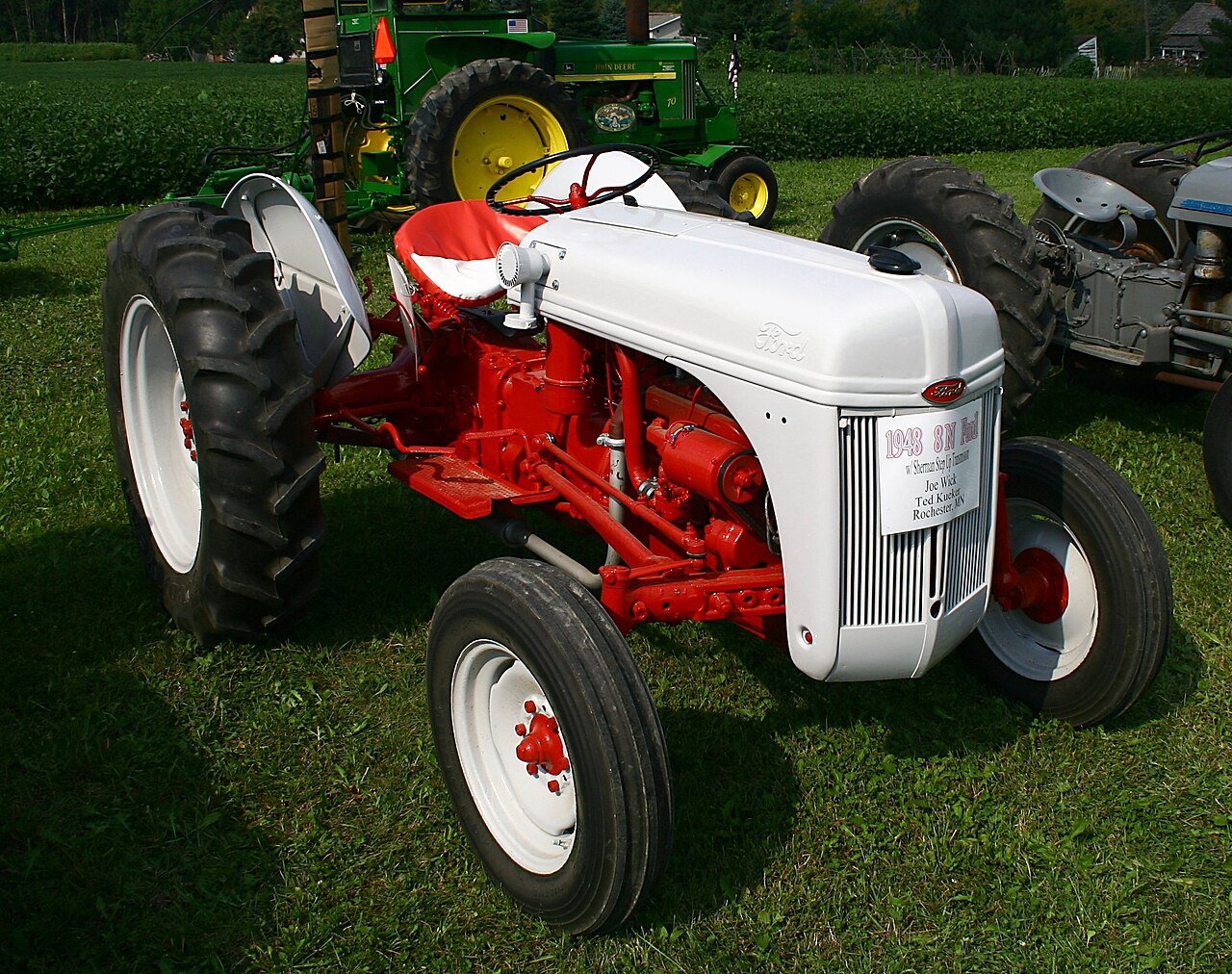
→ Tractor: after “tagline”, what about “Scores compare tractor with the other types on speed, efficiency”?
The powered workhorse of fields — pulling, PTO and hydraulic muscle for farms. Tractor is one of 48 vehicle types in this atlas. The pages treat it as a full system — history, anatomy, operating principles, culture, icons, future pressure and market shape — not a product brochure.
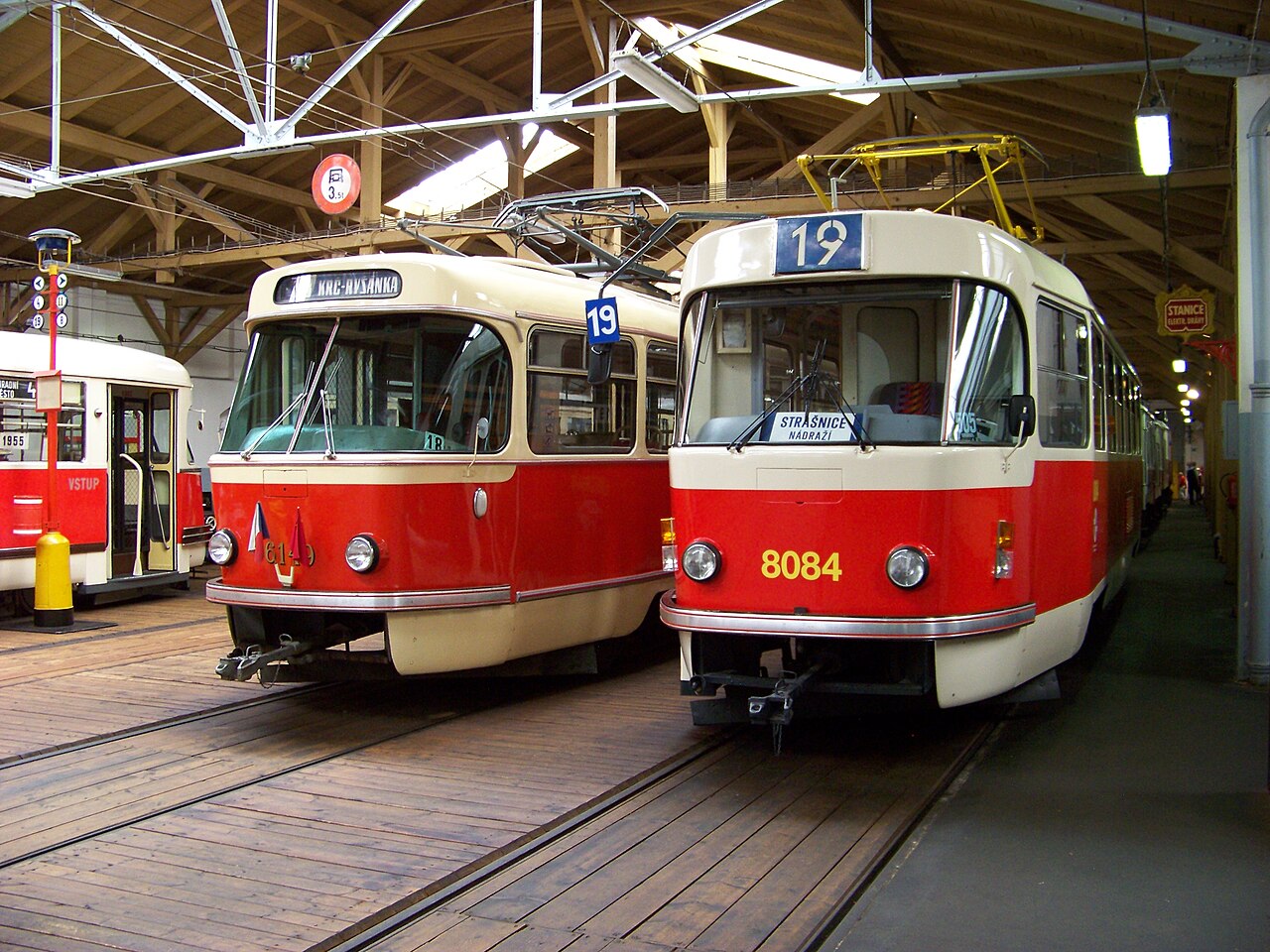
→ Tram: after “tagline”, what about “Scores compare tram with the other types on speed, efficiency, a”?
Street-running and light-rail vehicles stitching neighborhoods to centers. Tram is one of 48 vehicle types in this atlas. The pages treat it as a full system — history, anatomy, operating principles, culture, icons, future pressure and market shape — not a product brochure.
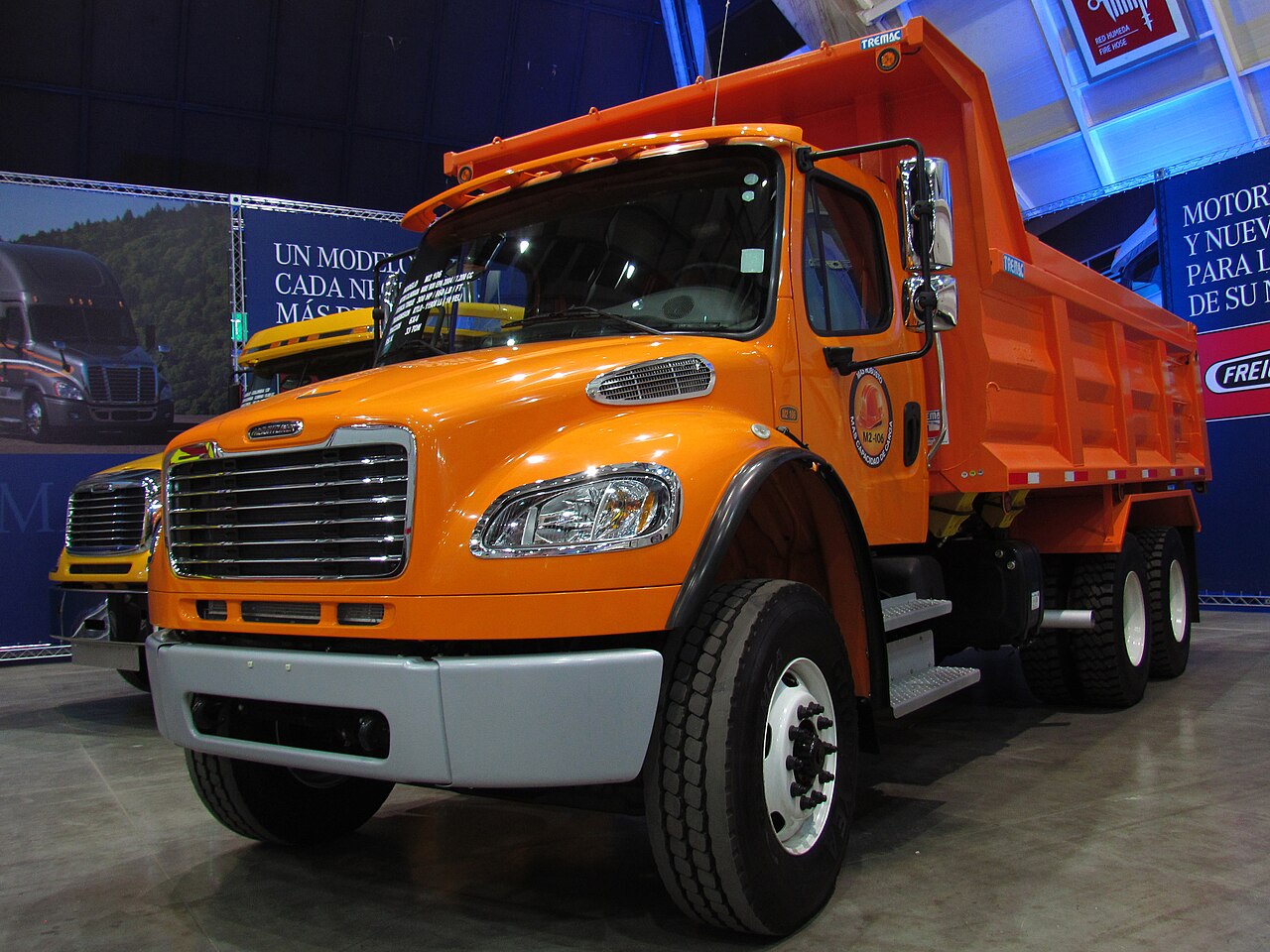
→ Truck: after “tagline”, what about “Scores compare truck with the other types on speed, efficiency, ”?
Road freight workhorses — pickups to tractor-trailers that stock the modern supply chain. Truck is one of 48 vehicle types in this atlas. The pages treat it as a full system — history, anatomy, operating principles, culture, icons, future pressure and market shape — not a product brochure.
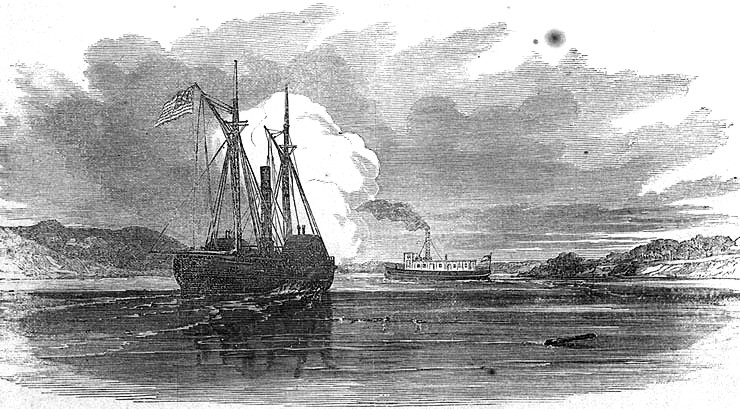
→ Tugboat: after “Tugboat is one of 48 vehicle types in this atlas”, what about “Scores compare tugboat with the other types on speed, efficie
Tugboat is one of 48 vehicle types in this atlas. The pages treat it as a full system — history, anatomy, operating principles, culture, icons, future pressure and market shape — not a product brochure.
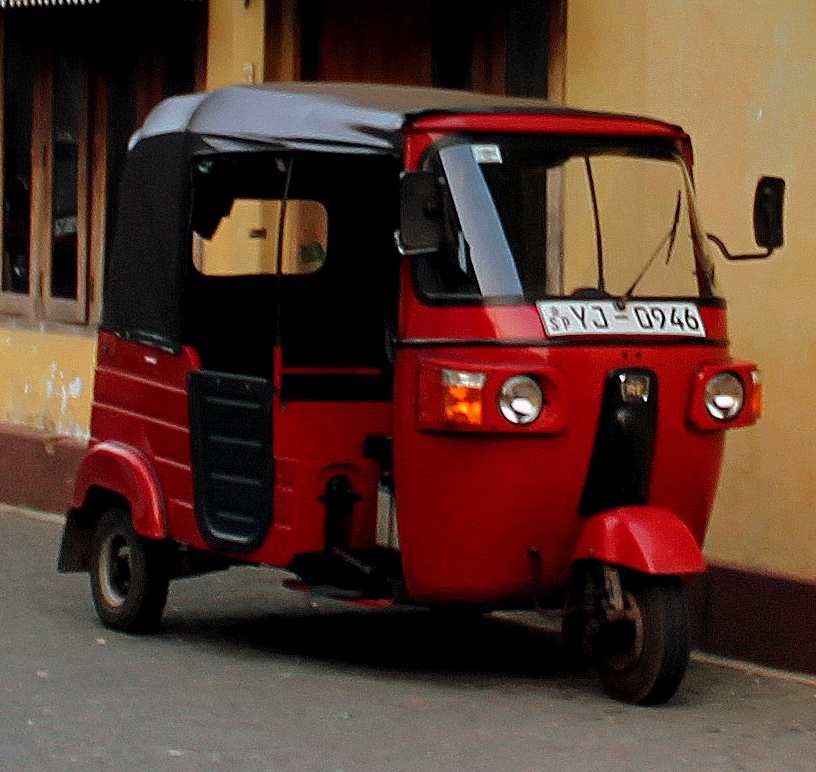
→ Tuk-tuk: after “Tuk-tuk is one of 48 vehicle types in this atlas”, what about “Scores compare tuk-tuk with the other types on speed, efficie
Tuk-tuk is one of 48 vehicle types in this atlas. The pages treat it as a full system — history, anatomy, operating principles, culture, icons, future pressure and market shape — not a product brochure.
→ Aircraft carrier: after “paras 2”, what about “paras 2”?
Magazine protection and island radar suites are combat-system critical. Carriers become national prestige symbols — floating airports of soft and hard power. (5)
→ Airliner: after “paras 2”, what about “paras 2”?
ETOPS, noise chapters and evacuation demos are regulatory systems baked into design. Liveries become national flags; seat-pitch arguments become class politics at 35,000 ft.
→ Airship: after “paras 2”, what about “paras 2”?
Weather limits are operational systems more than footnotes. Hindenburg memory and gentle-giant branding pull in opposite emotional directions. (5)
→ Ambulance: after “paras 1”, what about “paras 2”?
Patient compartment restraint, oxygen and defibrillator power, siren/lighting legality and infection control define the working envelope. (5)
→ Automobile: after “paras 1”, what about “paras 2”?
City hatchbacks, pickups, luxury saloons and off-road frames all sit under automobile — body style is a duty statement, not decoration. (5)
→ Bicycle: after “paras 2”, what about “paras 2”?
Helmet norms and separated lanes are infrastructure systems, not rider personality tests. Critical Mass, school runs and gravel Instagram tribes give bikes social scripts. (5)
→ Bulk carrier: after “paras 2”, what about “paras 1”?
Operators choose variants for duty cycle first — peak brochure numbers rarely decide the fleet mix. (5)
→ Bulldozer: after “paras 2”, what about “paras 1”?
Operators choose variants for duty cycle first — peak brochure numbers rarely decide the fleet mix. (5)
→ Bus: after “paras 1”, what about “paras 2”?
Kneeling suspensions, destination systems, wheelchair ramps and driver sightlines set accessibility in practice. (5)
→ Cable car: after “paras 2”, what about “paras 2”?
Tower spacing and rescue drills are non-optional systems. Mountain tourism romance and urban “cable metro” futurism sell different dreams. (5)
→ Cargo aircraft: after “paras 2”, what about “paras 1”?
Operators choose variants for duty cycle first — peak brochure numbers rarely decide the fleet mix. (5)
→ Container ship: after “paras 2”, what about “paras 2”?
Lashing bridges, fire detection in stacks and bridge ECDIS are safety systems at sea. Ever-larger ships become symbols of globalisation — and of port-city anxiety when they fail. (5)
→ Crewed capsule: after “paras 2”, what about “paras 2”?
Docking adapters and suit interfaces lock international partnerships. Splashdown photos and astronaut celebrity culture humanise orbital logistics. (5)
→ Cruise ship: after “paras 2”, what about “paras 2”?
Stability, fire zoning and muster drills are non-negotiable marine systems. Balcony Instagram culture and “floating city” metaphors sell dreams — and invite overtourism critique. (5)
→ Drone: after “paras 2”, what about “paras 2”?
Remote ID and geofencing are airspace systems as real as airframes. Hobbyist parks and wartime footage collide in the public mind. (5)
→ E-scooter: after “paras 2”, what about “paras 2”?
Parking corrals and sidewalk clutter rules are infrastructure systems. Youth freedom narratives collide with pedestrian anger — scooters are culture wars on tiny wheels. (5)
→ Electric car: after “paras 1”, what about “paras 2”?
Cell chemistry, thermal management, inverter maps and regenerative braking calibrate both range anxiety and brake feel. (5)
→ Ferry: after “paras 2”, what about “paras 2”?
Timetable reliability often hinges on weather limits more than engine power. Island life depends on ferry schedules as much as bridges — cancellations become civic crises. (5)
→ Fighter jet: after “paras 2”, what about “paras 2”?
Weapons pylons and electronic warfare pods are modular mission systems. Airshow thunder and film Top-Gun myths recruit public support for expensive programmes. (5)
→ Fire engine: after “paras 2”, what about “paras 2”?
Crew cab crashworthiness and PPE stowage are safety systems as critical as hose loads. Community fundraisers, station open houses and media ride-alongs build civic identity around apparatus. (5)
→ Formula One car: after “paras 1”, what about “paras 2”?
Chassis stiffness, power-unit maps, brake-by-wire and tyre thermal windows decide lap time more than peak horsepower myths.
→ Freight train: after “paras 1”, what about “paras 2”?
Distributed power, air-brake continuity, hot-box detection and PTC/ERTMS overlays keep tonnage moving safely. (5)
→ Funicular: after “paras 2”, what about “seoExtra”?
Gauge, signalling and safety cases gate rolling stock — not brochure speeds. Yards, depots and OEM clusters sit on freight and passenger spines. (13)
→ Garbage truck: after “paras 2”, what about “paras 1”?
Operators choose variants for duty cycle first — peak brochure numbers rarely decide the fleet mix. (5)
→ Glider: after “paras 2”, what about “paras 1”?
Operators choose variants for duty cycle first — peak brochure numbers rarely decide the fleet mix. (5)
→ Helicopter: after “paras 2”, what about “paras 2”?
Wire-strike protection and NVG compatibility are mission systems. Medevac heroism and rooftop-landing glamour compete with noise-complaint politics. (5)
→ High-speed rail: after “paras 1”, what about “paras 2”?
Traction packages, ATC/ETCS signalling, pantograph–catenary dynamics and aerodynamic nose design set timetable reliability. (5)
→ Hot-air balloon: after “paras 1”, what about “paras 2”?
Envelope fabric porosity, burner reliability, basket load limits and chase-crew logistics define safety. (5)
→ Hovercraft: after “paras 1”, what about “paras 2”?
Structure, propulsion, energy store, control loops and human interfaces jointly set what a Hovercraft can promise on a timetable. (5)
→ Icebreaker: after “paras 2”, what about “paras 2”?
Helicopter decks and scientific winches turn many into dual-mission platforms. Polar sovereignty narratives hitch rides on icebreaker deployments. (5)
→ Light rail: after “paras 2”, what about “paras 2”?
Grade-crossing protection is a core safety system on shared corridors. New LRT lines become mayoral legacy projects — celebrated or contested block by block. (5)
→ Maglev: after “paras 2”, what about “paras 2”?
Power substations and guideway heating/icing systems are as critical as the vehicles. Futurist branding promises “flight without wings” — sometimes outrunning actual ridership. (5)
→ Monorail: after “paras 2”, what about “seoExtra”?
Gauge, signalling and safety cases gate rolling stock — not brochure speeds. Yards, depots and OEM clusters sit on freight and passenger spines. (13)
→ Motorcycle: after “paras 2”, what about “paras 2”?
Protective gear and rider training are part of the safety system even when they are not bolted on. Club runs, courier hustle and café-racer aesthetics give motorcycles meaning beyond transport. (5)
→ Oil tanker: after “paras 2”, what about “paras 2”?
Pilotage, tug escorts and traffic-separation schemes are coastal safety systems. Spill imagery and energy-security rhetoric make tankers politically loud despite quiet crews. (5)
→ Orbital rocket: after “paras 2”, what about “paras 2”?
Ground cryogenics and integration tents are part of the vehicle system. Countdown livestreams turn engineering into mass spectacle. (5)
→ Private jet: after “paras 1”, what about “paras 2”?
Cabin altitude, baggage volume, runway performance and satcom suites decide real utility. (5)
→ Rack railway: after “paras 2”, what about “paras 1”?
Operators choose variants for duty cycle first — peak brochure numbers rarely decide the fleet mix. (5)
→ Sailboat: after “paras 3”, what about “Editorial scores are browsing aids, not certificates”?
Shipyards, terminals and bunker hubs mark the real map. Live prices and peak figures change; prefer dated bands. (9)
→ Seaplane: after “paras 2”, what about “paras 2”?
Docking choreography and wave-height limits are operational systems. Bush-pilot romance and island-postcard tourism keep seaplanes charismatic. (5)
→ Space Shuttle: after “paras 1”, what about “paras 2”?
Tile TPS, SSMEs/OMS, remote manipulator and runway landing gear made a hybrid aircraft-spacecraft stack. (5)
→ Steam locomotive: after “paras 2”, what about “paras 2”?
Crew skill on the footplate was a living control system. Heritage railways, whistle language and smokebox aesthetics keep steam culturally loud after commercial death. (5)
→ Submarine: after “paras 2”, what about “seoExtra”?
Class societies and crew certificates gate commercial service. Shipyards, terminals and bunker hubs mark the real map. (13)
→ Subway: after “paras 1”, what about “paras 2”?
Train control (CBTC), third-rail/overhead power, dwell-time door cycles and ventilation/fire codes set capacity. (5)
→ Tractor: after “paras 2”, what about “paras 2”?
ROPS/FOPS cab safety and lighting packages are legal systems in most markets. County-fair pride, inheritance of family iron and precision-ag marketing rewrite rural status. (5)
→ Tram: after “paras 1”, what about “paras 2”?
Track embedding, priority signalling, pantograph height and step-free boarding decide rider experience. (5)
→ Truck: after “paras 1”, what about “paras 2”?
Powertrain torque curves, trailer coupling, brake fade management and telematics keep freight on schedule. (5)
→ Tugboat: after “paras 2”, what about “paras 1”?
Operators choose variants for duty cycle first — peak brochure numbers rarely decide the fleet mix. (5)
→ Tuk-tuk: after “paras 2”, what about “paras 1”?
Operators choose variants for duty cycle first — peak brochure numbers rarely decide the fleet mix. (5)
→ Aircraft carrier: after “paras 3”, what about “Editorial scores are browsing aids, not certificates”?
Shipyards, terminals and bunker hubs mark the real map. Live prices and peak figures change; prefer dated bands. (9)
→ Airliner: after “paras 1”, what about “paras 3”?
Civil aviation authorities own type certificates and ops specs. Airworthiness and crew ratings gate revenue flights. (9)