- 1 Start
- 2 Mid
- 3 End
Pelvic tilt
●○○○○2 × 12
Lying on the back with knees bent, gently flatten and then arch the low back by tilting the pelvis, keeping the motion small.
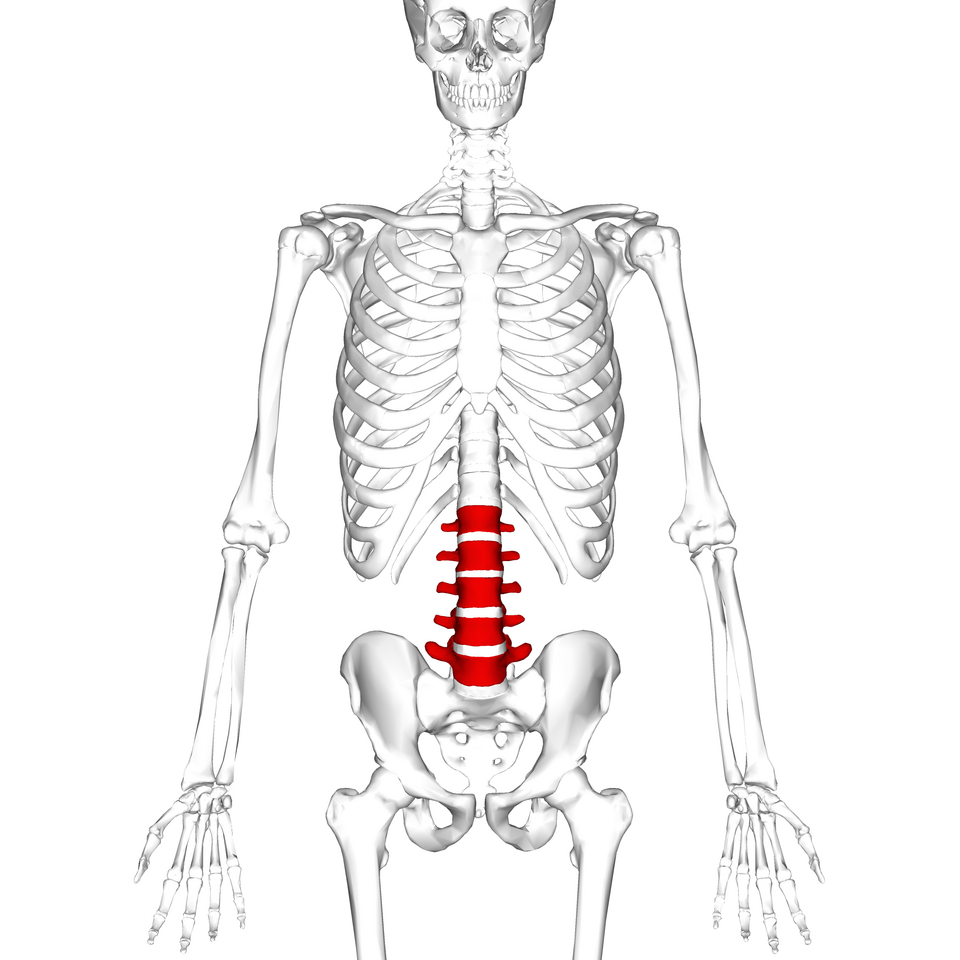
Lower Back · The lumbar spine bears more compressive load than any other spinal region, making low back pain the single most common musculoskeletal complaint worldwide.
Darker cells mean a higher score for this topic on that metric.
LessMore
Last reviewed Sources & creditsMedia creditsMethodology
Population studies suggest that a large majority of adults will experience at least one episode of low back pain during their lifetime, making it one of the most frequent reasons for clinic visits.
Current guidelines, including those from the American College of Physicians, generally advise against prolonged bed rest and instead recommend staying as active as tolerated.
Most disc herniations improve with conservative management such as exercise and time; surgery is typically reserved for cases with significant, persistent nerve compression or red-flag features.
Sciatica describes pain radiating along the sciatic nerve path into the buttock and leg, usually caused by irritation of a lumbar nerve root rather than the sciatic nerve itself being diseased.
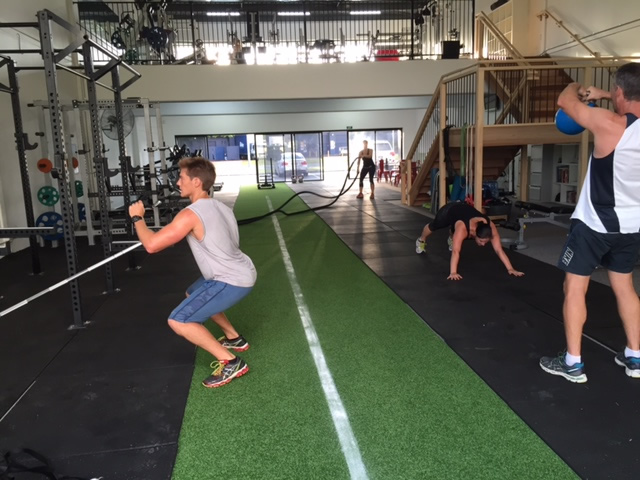
Trunk and hip strengthening is commonly recommended to support the lumbar spine, though research suggests general physical activity and load management play a comparably important role in prevention.
Recurrence is common because contributing factors such as deconditioning, prolonged sitting, or heavy lifting mechanics often persist after the initial episode resolves.
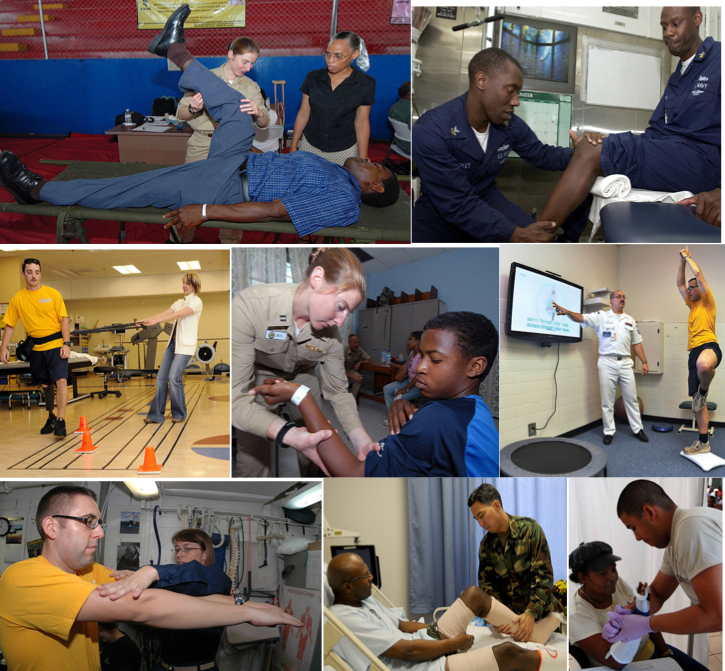
Exercise for low back pain typically begins with gentle, direction-specific movement to ease symptoms, then progresses toward core stabilization and general strengthening of the trunk, hips, and legs.
Guidelines such as those referenced by the American College of Physicians favor active exercise-based approaches over passive treatments alone, reflecting consistent evidence that graded movement supports recovery and reduces recurrence.
Simple picture of a move already published on this page — not a prescription or medical advice.
2 × 12
Lying on the back with knees bent, gently flatten and then arch the low back by tilting the pelvis, keeping the motion small.
2 × 10
On hands and knees, alternate slowly between arching and rounding the back through a comfortable range.
3 × 8 each side
From hands and knees, extend one arm and the opposite leg while keeping the trunk still and level.
3 × 10 each side
Lying on the back with arms and knees raised, slowly lower one arm and the opposite leg while keeping the low back pressed gently into the floor.
3 × 12
Lying on the back with knees bent, lift the hips by squeezing the glutes, avoiding overarching the low back.
3 × 20–30s
Support the body on forearms and toes in a straight line from head to heels, keeping the hips level.
3 × 10
Hinge at the hips with a slight knee bend, keeping the back neutral while lowering a light weight toward the floor.
3 × 30–40m
Walk a comfortable distance while holding a weight at the side or chest, maintaining an upright trunk throughout.
Exercise selection typically depends on which movements ease or aggravate symptoms, with direction-specific relief exercises used early and general strengthening added as tolerance improves.
Neighbouring topics share region literacy — not a severity ranking.
The seven cervical vertebrae and the soft tissues that carry the head — posture load, disc and facet pain, and graded mobility work.
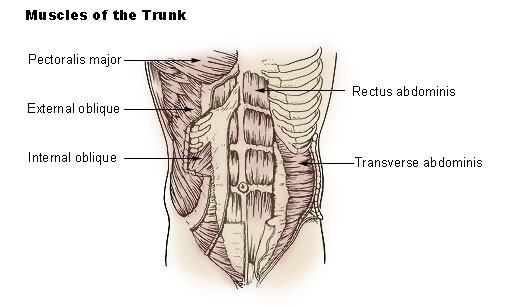
Pain frequency 82 Same body regionThe core is the coordinated group of trunk muscles that stabilizes the spine and pelvis, transferring force between the upper and lower body during nearly every movement.
Pain frequency 35 Same body region