Antigen
A piece or mimic of a microbe that lymphocytes can learn. Platforms differ in how they display it.
Vaccines and immunity — Antibodies, memory cells and community arithmetic — conceptual, not a prescription and not an anti-vaccine tract.
Darker cells mean a higher score for this topic on that metric.
LessMore
Last reviewed Sources & creditsMedia creditsMethodology
Read Identity → How they live → Body & health, then use compare rails.
Public-health education — not a care plan, prescription, or outbreak briefing.
It names everyday desks for Change & defence before English norms look universal.
No — editorial 0–100 browsing aids inside this atlas only.
Use related cards and best-of / quiz rails after the first three chapters.
How they live and Body & health carry mechanisms; skim Identity first.
Immunity is a set of recognition systems. Innate responses act quickly and broadly; adaptive responses learn specific shapes.
A vaccine is a public technology for teaching the adaptive system with less disease than the wild pathogen usually causes.
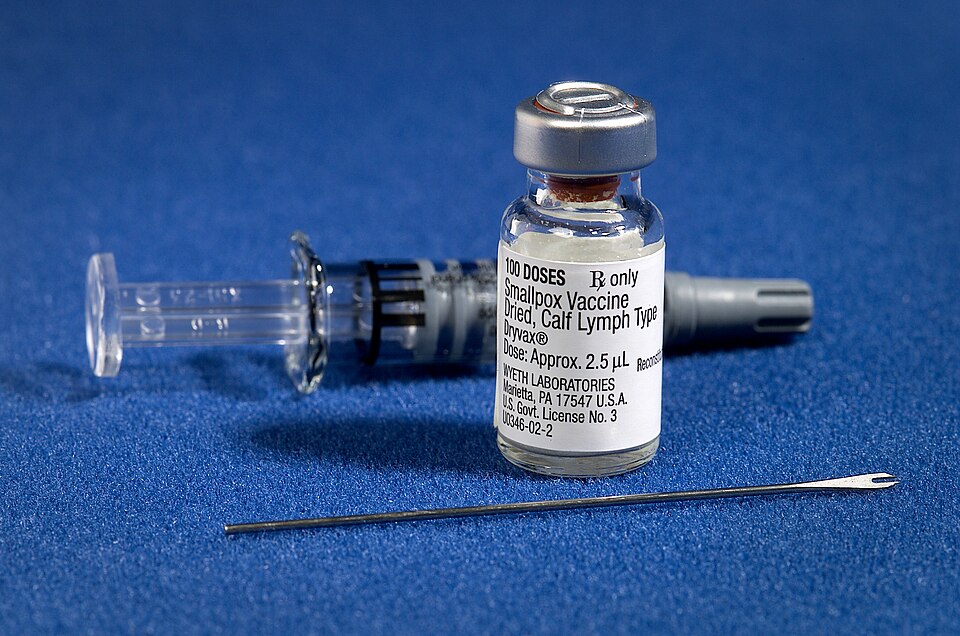
A piece or mimic of a microbe that lymphocytes can learn. Platforms differ in how they display it.
Proteins that bind antigens. Neutralization is one job; tagging for other cells is another.
Helper and killer T cells organize responses and can destroy infected cells — not visible on a home antibody kit.
After the first lesson, memory cells can shorten the next response. Some memories last decades; some fade.
High coverage protects people who cannot be vaccinated, if the agent spreads person to person.
A formula on paper fails without cold chains, clinics and credible explanation of risks.
Identity is both molecular (antigen) and civic (schedules, trust, supply).
Populations of genomes, not cartoon villains — RNA viruses copy sloppily, and public-health names track clusters that spread.
Familiarity 92A shared drug budget under selection in hospitals, farms and wastewater — stewardship, not a lab manual.
Familiarity 85Surface cities of microbes — plaque and catheters explain persistence, without a grow-your-own kit.
Familiarity 38Clean water saves lives; missing old microbial partners is a separate, still-debated immune story.
Familiarity 70Sideways DNA traffic — conjugation, transduction, transformation as names and history, not protocols.
Familiarity 45