Античность – 1800 г.
Блум и тигель
Кованое железо и небольшой тигель нагреваются; уголь, мастерство и сварка образцов определяют качество.
Сталь · Железо–углерод зданий, судов и рельсов — бесконечно переплавляется.
Вехи по порядку. Это история, не недельная сетка.
Чем темнее клетка, тем выше балл по этому показателю.
МеньшеБольше
Последняя проверка Источники и титрыМедиа-кредитыМетодология
Как металл это еврокласс А1, но он теряет текучесть при возгорании и обычно нуждается в защите в течение номинального срока.
Сталь — это железо с контролируемым углеродом (обычно <2%) и его сплавы; чугун имеет больше углерода и другой путь затвердевания.
Нет. Теплопроводность составляет десятки Вт/м·К. Утеплитель – отдельный слой (минеральная вата, плиты, ВИП).
Железо окисляется в присутствии воды и кислорода. Сплавы, цинк, краска или бетонное покрытие замедляют этот процесс.
Нет. Хлориды, щели и ямы неправильного сорта. 304 против 316 — это химический выбор, а не лозунг.
Магнитно, да, как семья. Медные загрязнения и покрытия ограничивают работу некоторых высокотехнических контуров.
heat 72 · fire 84
Сталь не поступала в виде готового товара. цветение c. 1800 г. до н. э. / Бессемер 1856 г. в окрестностях Анатолии → Шеффилд до сих пор объясняет, кто его делает и в каких испытаниях он проходит.
Десять датированных точек, пять эпох и три вехи ниже — это позвоночник, а не полная индустриальная история.
Твердофазное восстановление руды в угольных печах позволило получить блюмы из кованого железа в Анатолии и Леванте.
Южно-индийские тигельные стали, позже продававшиеся как дамасские лезвия, имели микроструктуру с высоким содержанием углерода.
В период Хань китайские фабрики и финишники использовали сельскохозяйственные инструменты и оружие.
Бенджамин Хантсман из Шеффилда переплавлял черновую сталь в глиняных тиглях для часовых пружин и столовых приборов.
Конвертер с воздушной продувкой Генри Бессемера снизил стоимость сыпучей стали и открыл рельсы и корабельную плиту.
Поды Сименса-Мартина позволяли использовать лом + загрузку чугуна и более строгий химический контроль.
Кислородный конвертер Линца-Донавитца сократил время цикла по сравнению с мартеновским и стал глобальным стандартом.
Слябы и заготовки застыли в движении, что привело к снижению энергопотребления и снижению производительности по сравнению с переполнением слитков.
Двухфазные стали и стали TRIP позволяют сделать кузов автомобиля тоньше, а поглощение энергии при ударе увеличивается.
Железо прямого восстановления водородом направлено на сокращение выбросов CO₂ в доменных печах; первые коммерческие линии по-прежнему являются региональными.
Кованое железо и небольшой тигель нагреваются; уголь, мастерство и сварка образцов определяют качество.
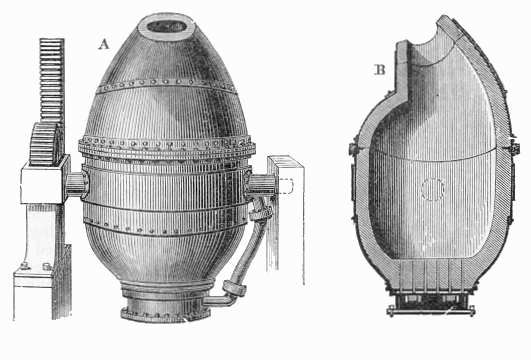
Бессемерская и мартеновская сталь сделали рельсы, мосты и корпуса массовым товаром.
Марки никеля, хрома и молибдена использовались в бронетехнике, самолетах и станках.
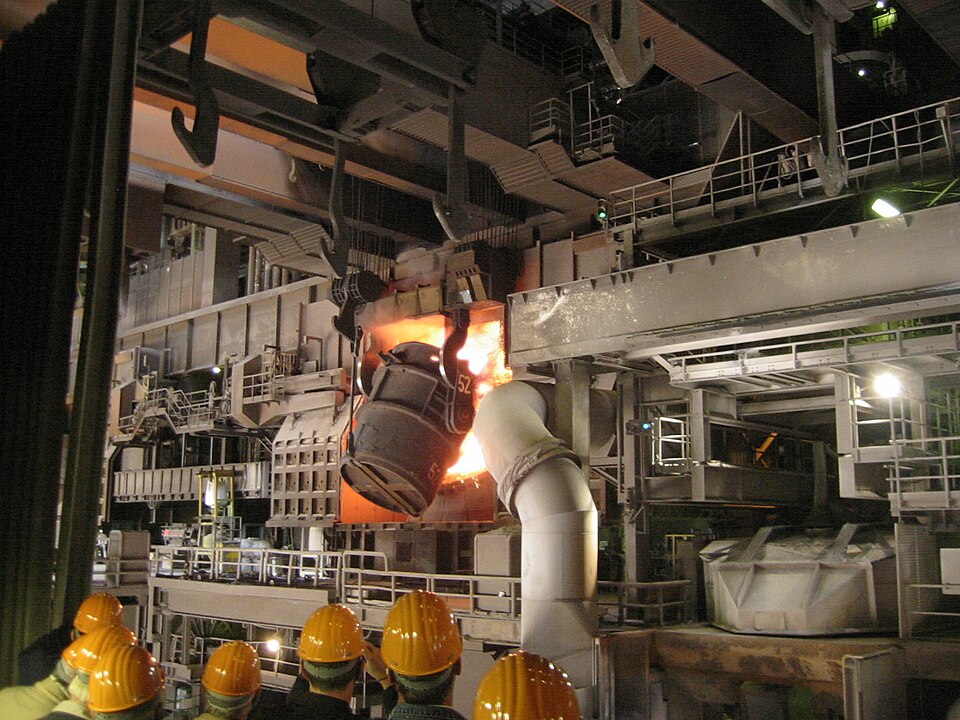
Кислородное производство стали и электродуговые заводы по производству металлолома разделяют первичный и перерабатывающий маршруты.
Усовершенствованные высокопрочные автомобильные стали и водородные технологии DRI переписывают как автомобили, так и математику климата.
Продувка воздухом расплавленного чугуна сделала возможной дешевую объемную сталь.
Преобразователи кислорода стали доминирующим основным маршрутом во всем мире.
Многофазные микроструктуры позволяют разрушающимся конструкциям терять массу без потери поглощения энергии.
Зная эту временную шкалу, вы сможете прочитать сертификат завода, не рассматривая сталь как нечто вневременное.
Лёгкий конструкционный металл ванн Холла–Эру: обшивки, банки, фасады.
Итого 59 ✈️Высокая удельная прочность и плёнки, стойкие к хлоридам.
Итого 58 🔶Первый промышленный проводник: кабели, теплообменники, зелёные крыши.
Итого 57 🍴Пассивные плёнки хрома для кухонь, химии и фасадов.
Итого 64