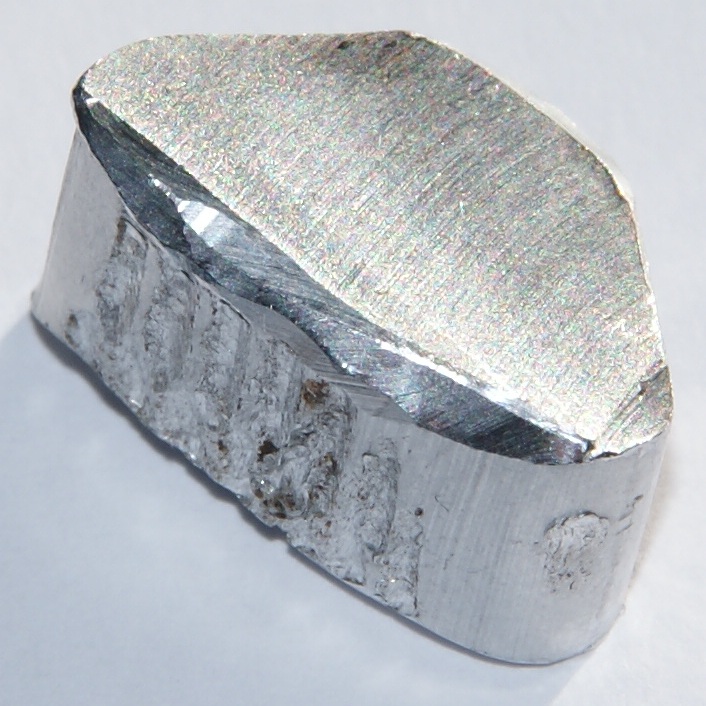
Pre-1886
Precious metal
Electrochemical isolation without cheap electricity kept aluminium a showcase metal.
Aluminium · Light structural metal from Hall–Héroult cells — aircraft skins, cans and façades.
Milestones in order. This is history, not a weekly activity grid.
Darker cells mean a higher score for this topic on that metric.
LessMore
Last reviewed Sources & creditsMedia creditsMethodology
Same metal. IUPAC aluminium; US spelling aluminum. Specs use either.
Specific strength of 7075 can beat mild steel; stiffness per volume still loses to steel.
Bulk metal melts in fire; powders and some façade cores are the combustible stories.
No. It is a heat spreader. Foil radiant barriers reflect radiation; they are not bulk λ insulation.
Single alloy family, magnetic-free sort, huge volume, remelt energy is low.
Generally a bad idea for strength; designers rivet, bond or use 2000/5000 weldables instead.
heat 48 · fire 70
Aluminium did not arrive as a finished commodity. Hall–Héroult 1886 around USA / France still explains who makes it and which tests it sits in.
Ten dated points, five eras and three milestones below are the spine — not a complete industrial history.
Tiny samples of aluminium were scientific curiosities, costlier than gold in display culture.
Henri Sainte-Claire Deville made aluminium a luxury metal for Napoleon III’s tableware lore.
Independent US and French patents electrolysed alumina in cryolite — still the core cell chemistry.
Karl Bayer digested bauxite to pure alumina, feeding the cells.
Age-hardening Al–Cu alloys made airframes think in aluminium, not wood and fabric only.
Duralumin skins and spars defined interwar and WWII airframes.
Coors and later two-piece DWI cans created a closed-loop scrap stream.
Al–Mg–Si extrusions became architecture’s default curtain-wall metal.
Audi Space Frame and others proved aluminium bodies at a cost premium.
Used-beverage-can loops in some regions exceed 70% recycled content.
Electrochemical isolation without cheap electricity kept aluminium a showcase metal.
Hall–Héroult plus duralumin put aluminium into aircraft and power lines.
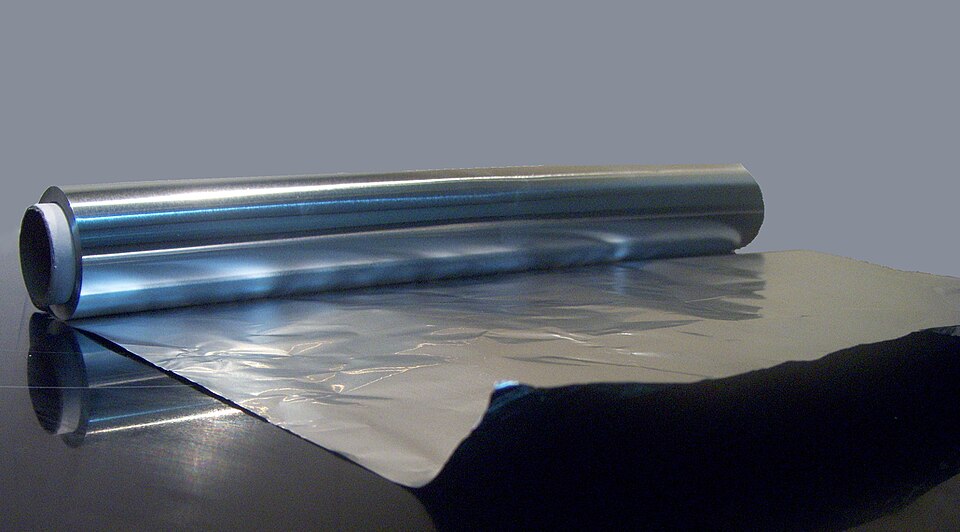
Pots, foil and early cans; hydroelectric smelters clustered on cheap power.
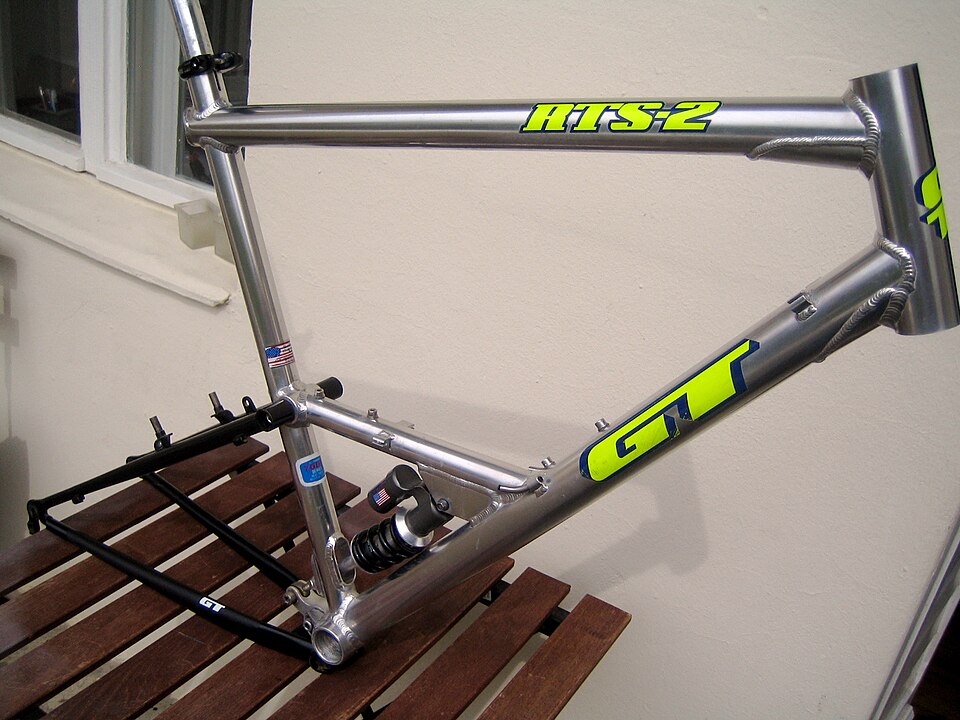
6000-series profiles remade façades and window walls.

EV battery enclosures and high-scrap can sheet dominate the sustainability story.
Electrolysis made aluminium an industrial metal.
Precipitation hardening unlocked aircraft structure.
Beverage cans became a textbook closed-loop aluminium product.
Knowing this timeline is how to read a mill certificate without treating Aluminium as timeless.
The iron–carbon workhorse of buildings, ships, rails and tools — endlessly recast.
Overall 66 ✈️High specific strength and chloride-tolerant films — airframes, implants and seawater.
Overall 58 🔶The first industrial conductor — wiring, heat exchangers, roofs that go green.
Overall 57 🍴Chromium passive films that keep kitchens, chemical plant and façades from rusting like carbon steel.
Overall 64