18 min read
If you only read one thing
The first industrial conductor — wiring, heat exchangers, roofs that go green.
Key takeaways
Copper is one of 32 materials in this atlas, grouped under metals: history, structure, measured properties, process routes, uses, safety and market — not a product catalogue. Scores compare Copper with the rest of the atlas on strength, heat, fire behaviour, insulation, workability and circularity. They are editorial, not certificates. Seven chapters follow. Fire and insulation claims name test families (Euroclass, ASTM E84, ISO 5660, KS F) rather than inventing a single safety number.
Jump to section
Previous
Titanium
Next
Stainless steel
Local systems
ASTM / building codes Spec sheets and fire-class language readers meet in English markets.
Insulation climate Heating/cooling bands change which “R-value talk” matters.
Recycling streams Local collection labels for metals, polymers, textiles. Local examples Steel and polymer grades as shop labels, not pure chemistry. Fire-class talk tied to building envelopes. Local FAQ Can I use these grades in my local code? Treat them as teaching maps — verify against your building/fire code.
Are recycling labels universal? No. Follow the collection rules printed for your city.
Local terms
Fire class Reaction-to-fire grade used in building talk.
R-value Insulation resistance shorthand — units vary.
Alloy / polymer grade Shop and mill labels, not pure chemistry. Local systems
ASTM / building codes Spec sheets and fire-class language readers meet in English markets.
Insulation climate Heating/cooling bands change which “R-value talk” matters.
Recycling streams Local collection labels for metals, polymers, textiles. Local examples Steel and polymer grades as shop labels, not pure chemistry. Fire-class talk tied to building envelopes. Local FAQ Can I use these grades in my local code? Treat them as teaching maps — verify against your building/fire code.
Are recycling labels universal? No. Follow the collection rules printed for your city.
Local terms
Euroclass
ASTM E84
λ (lambda)
FR Sources ISO / ASTM / EN fire & thermal families KS / JIS / GB national mirrors Producer datasheets (dated) Wikimedia Commons (CC/PD) Local institutions
KS / JIS / GB / DIN / NF / ASTM Locale standards families commonly referenced on material pages.
Building / fire authorities Occupancy and fire rules are jurisdiction-specific.
Supplier SDS / DoP Safety and performance declarations belong with the supplier of record. Myths vs facts Stronger always means better → Weight, cost, corrosion, fire, and fabrication often dominate the real choice. One global fire rating → Test methods and class names are jurisdiction-specific. Recyclable label means local pickup → Collection streams and accepted resins/metals differ by city and buyer. Deeper FAQ Can I use this instead of a building code? No. Use it to orient, then verify with current standards and licensed professionals.
Are scores lab test results? No. They are editorial comparison meters within Tool-Lifes.
Why show multiple standards systems? Readers work in different markets; we surface local acronyms without pretending they are identical.
Is fire class universal? No. Classification schemes and test methods vary by jurisdiction.
Checklist
1 Name the use environment (load, moisture, fire, chemicals).
2 Note which standards market you are in.
3 Pair mechanical claims with fire/thermal notes.
4 Verify with current standards before specifying. Important caveat Not a building-code manual, SDS substitute, or structural calculation. Always verify with licensed professionals and current standards.
Editor depth Editorial meters help compare families inside this atlas; they are not ASTM/KS pass-fail results. On VS pages, pair mechanical story with fire/thermal and supply-region notes.
Deeper sources Current national / regional material standards Fire-test method documents for your jurisdiction Commons-licensed process imagery credits Important caveat Not a building-code manual, SDS substitute, or structural calculation. Always verify with licensed professionals and current standards.
Who this is for The first industrial conductor — wiring, heat exchangers, roofs that go green.
Print this page
Key scores Strength 40 Heat resistance 55 Fire performance 76 Insulation 6 Workability 88 Circularity 78 Steel Aluminium Titanium Stainless steel Fire role or insulation role Pick the fire-performance reading or the insulation reading already scored on this material. Teaching marks — not a specification.
Atlas scores and on-page facts only. A named product test, thickness and assembly decide any real wall or garment. No lab stamp.
Fire-performance role Editorial score: Fire performance 76 Fact already on this page: Reaction to fire — Typical declared class: A1 metal. This is not a universal passport.
Insulation role Editorial score: Insulation 6 Fact already on this page: Conductivity — ~400 W/m·K — Copper is not a substitute for a dedicated λ layer.
Stored on this device. Change the pick to reuse the same reading.
Restore last pick Forget pick
Metals Strength and workability scores are relative across the atlas, not mill certificates.
Name the test Fire and insulation claims name Euroclass, ASTM, ISO or KS/JIS/GB families.
Standards terms
Euroclass EU reaction-to-fire classes (A1–F) — name the product system.
ASTM E84 Steiner tunnel surface-burning test family (North America).
λ (lambda) Thermal conductivity band — lower often means better insulation.
FR Flame-retardant behaviour — not a single universal score. How to read a material Pick a family — Metals to fire — start with the performance question.Read scores — Relative 0–100 aids, not lab certificates.Open safety — Named test families beat a single “safe” label.Check market — Dated cost bands and regional producers.Practical tools Open compare lab
Next tool After properties/safety, open the Compare lab.
Use this page Pick a family — Metals to fire — start with the performance question. Read scores — Relative 0–100 aids, not lab certificates. Open safety — Named test families beat a single “safe” label. Quick facts 8.96 g/cm³ Density
1085 °C Melting
~400 W/m·K K
100% by definition IACS
A1 metal Fire
metals Family
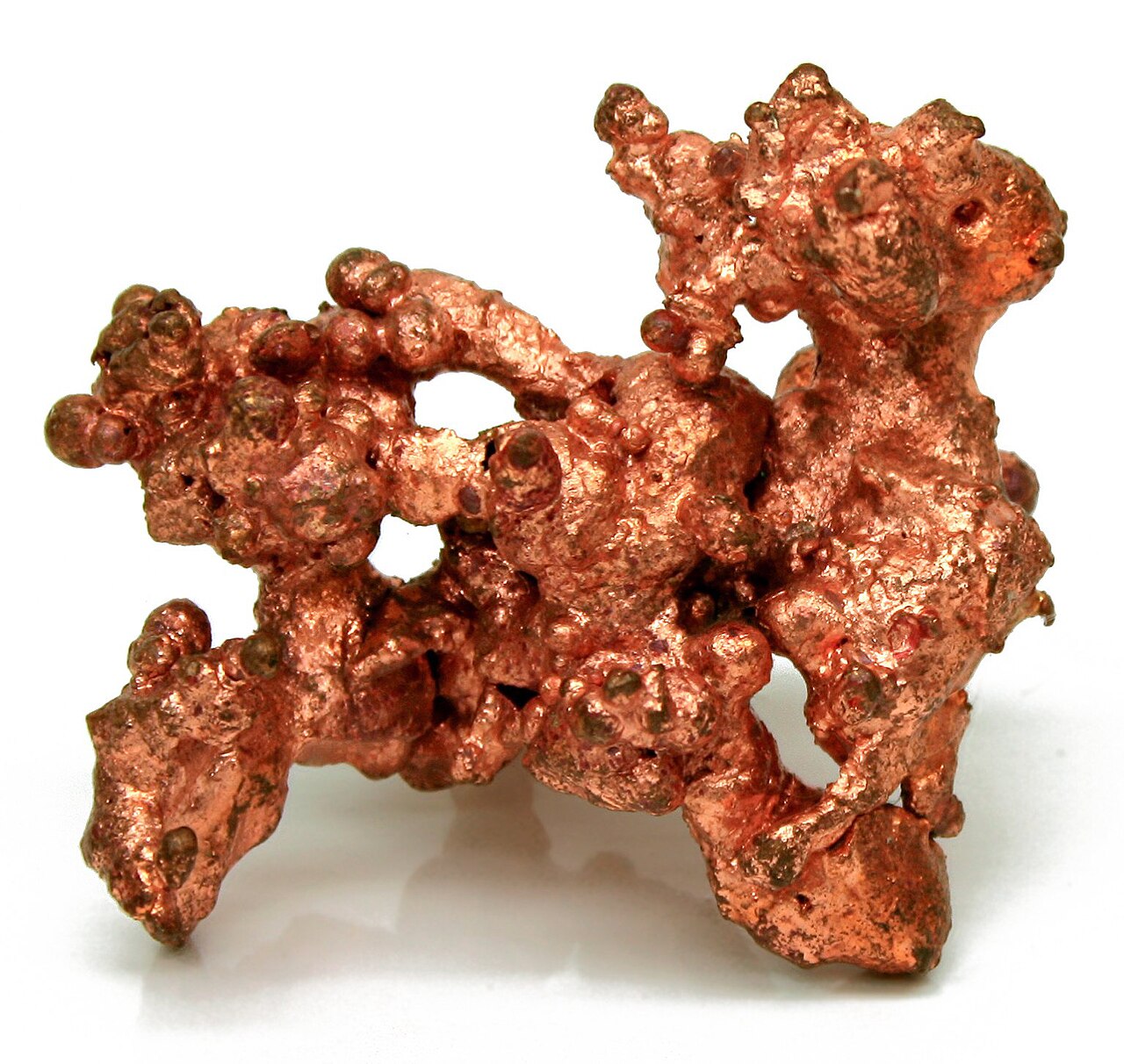
Copper is one of 32 materials in this atlas, grouped under metals: history, structure, measured properties, process routes, uses, safety and market — not a product catalogue.
Scores compare Copper with the rest of the atlas on strength, heat, fire behaviour, insulation, workability and circularity. They are editorial, not certificates.
Seven chapters follow. Fire and insulation claims name test families (Euroclass, ASTM E84, ISO 5660, KS F) rather than inventing a single safety number.
Deep introduction
Deep dive: Copper
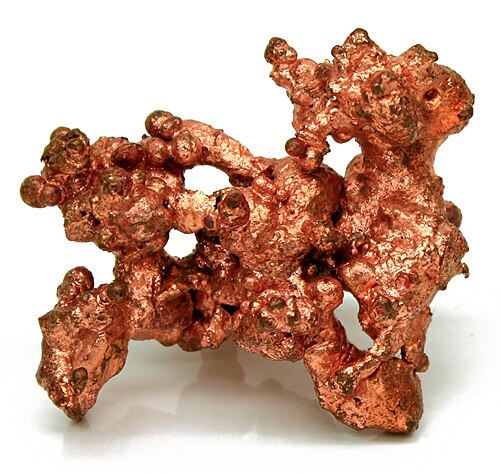
Copper (Cu) is a family of grades whose density 8.96 g/cm³, heat band 1085 °C, and fire letter A1 metal.
What “the material” actually is Copper is sold as grades, not as a single substance. Chemistry Cu, density 8.96 g/cm³, heat band 1085 °C.
This atlas treats Copper as a system: mill route, coatings, tests and the cavity it sits in.
Heat, fire and insulation Conductivity note: ~400 W/m·K. Insulation score 6/100 is relative to 32 entries — metals lose, VIPs and aerogels win.
Fire letter in editorial use: A1 metal. Do not equate A1 with “safe in a blaze” or E with “illegal”. Assemblies decide.
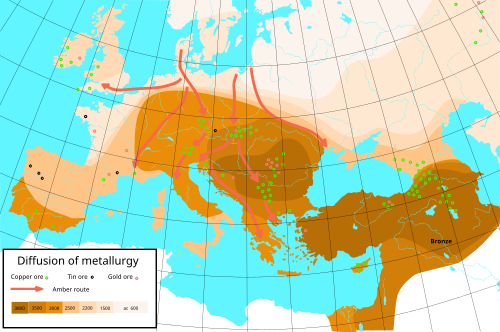
How it is made and used Origin: Chalcolithic / industrial electrorefining 1860s, Cyprus / global. The process chapter follows feedstock → conversion → forming → finish → install.
Uses span buildings to defence / safety. Pairings matter: aluminum.
Market and circularity Producers below are landmarks, not an endorsement ranking. Prices are bands, not live quotes.
Circularity mark 78/100. Ask which scrap, which certificate, which year.
Local lens
English-language codes and markets
US and UK documents still dominate Google for Copper: ASTM, NFPA, BS, EN. Always check whether the job is under IBC, Eurocodes or a national annex.
Commodity indices (LME, fibre auctions, board list prices) are not installed cost. Labour and fire-protection layers usually dwarf the kilogram.
For other languages this lens is rewritten: KS F / JIS / GB / DIN and local mills appear there — never as English leftover copy.
Fire role or insulation role Pick the fire-performance reading or the insulation reading already scored on this material. Teaching marks — not a specification.
Atlas scores and on-page facts only. A named product test, thickness and assembly decide any real wall or garment. No lab stamp.
Fire-performance role Editorial score: Fire performance 76 Fact already on this page: Reaction to fire — Typical declared class: A1 metal. This is not a universal passport.
Insulation role Editorial score: Insulation 6 Fact already on this page: Conductivity — ~400 W/m·K — Copper is not a substitute for a dedicated λ layer.
Stored on this device. Change the pick to reuse the same reading.
Restore last pick Forget pick
Seven chapters
01
Origins & milestones From Chalcolithic / industrial electrorefining 1860s to present: timeline, eras and three turning points for Copper.
Read →
02
Structure & grades Chemistry Cu, microstructure, grades and bonding for Copper.
Read →
03
Measured properties Strength, heat, electrical behaviour and fire notes for Copper, with named test families.
Read →
04
How it is made Process steps, industrial routes, diagrams and hard limits for Copper.
Read →
05
Uses & pairings Sectors, emblematic products and materials commonly specified with Copper.
Read →
06
Safety & fire class Hazards, fire-class language, environment and handling notes for Copper.
Read →
07
Market & cost Cost bands, producing regions, stats and landmark producers for Copper.
Read →
Fire mark or insulation mark first? Decision walkthrough on Copper: fire 76, insulation 6, and one fact already on file — not a code stamp.
Read the fire-performance mark — Fire on this hub is 76/100 — teaching comparison among atlas materials.Read the insulation mark — Insulation is 6/100 — heat-flow story, not the same question as flame.Sit one published fact beside them — Quick fact on file: Density: 8.96 g/cm³.Sustainability is not a fire skip — A high sustainability mark does not replace fire protection in a real assembly.Not a building-code rating — Named tests, thickness and build-up still decide compliance — this page is literacy only.On Copper, fire 76 and insulation 6 answer different jobs; Density: 8.96 g/cm³ grounds one real detail.
Editorial atlas marks. Not a code certificate or product approval.
Thermal mark or safety fact first? Second lab decision on Copper: heat-resistance 55 beside published thermal fact Conductivity — literacy, not a code stamp.
Read the heat-resistance mark — Heat resistance on this hub is 55/100 — a thermal story, different from the fire/insulation pair.Sit one thermal fact beside it — Properties chapter lists Conductivity among published thermal rows.Heat resistance is not a fire skip — A high thermal mark does not replace named fire tests in a real assembly.Still not a building-code rating — Thickness, build-up and named tests decide compliance — this page teaches axes only.On Copper, heat 55 and Conductivity are a second thermal/safety reading after fire vs insulation.
Editorial atlas marks. Not a code certificate or product approval.
Frequently asked questions Is Copper non-combustible? Declared reaction class in this atlas: A1 metal. Assemblies still need resistance tests.
Does Copper insulate? Thermal mark 6/100 versus the atlas. Conductivity note: ~400 W/m·K.
What is the density band? 8.96 g/cm³
How is it made? Origin story: Chalcolithic / industrial electrorefining 1860s (Cyprus / global).
Can it be recycled? Circularity mark 78/100 — editorial, route-specific.
Typical melting or failure heat? 1085 °C
What should it be paired with? aluminum: The lighter conductor when cross-section is free.
Where is it specified? Buildings, transport, energy and consumer goods — see the uses chapter.
Is the fire-performance score a building-code rating? No. It is an editorial 0–100 teaching mark among materials in this atlas. A real wall or garment needs a named product test, thickness and assembly. This page is not a lab stamp.
When should I read insulation instead of fire? Use the insulation pick when the question is heat flow — lining, loft, or a cold-bridge — and the fire pick when the question is how the same material behaves in flame. Both numbers already sit on this hub; they answer different jobs.
Does a high sustainability score mean I can skip fire protection? No. Sustainability here is a relative atlas mark (growth, reuse, embodied story). Bamboo and timber can still char like wood. Fire protection stays a separate specification.
Why is bamboo missing in some languages? A language URL is published only when the seven chapters are real prose in that language. Bamboo exists in English, Korean, Japanese, Chinese and Spanish. French, German, Portuguese and Russian stay withheld — earlier machine drafts leaked English, so those URLs are not opened.
Icons
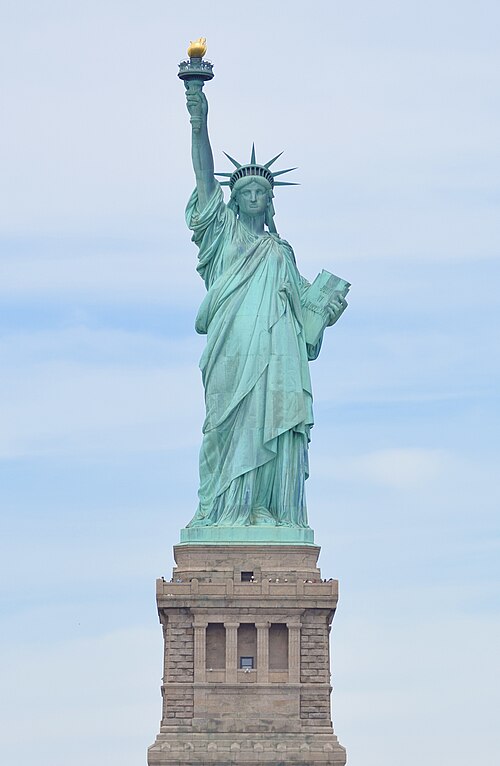
Statue of Liberty skin
France / US · 1886
Statue of Liberty skin is a reference point in the public image of Copper.
Edison wiring
United States · 1880s
Edison wiring is a reference point in the public image of Copper.
3
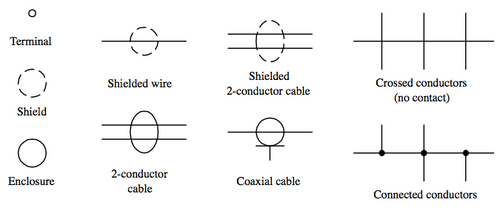
IACS bar
International · 1913
IACS bar is a reference point in the public image of Copper.
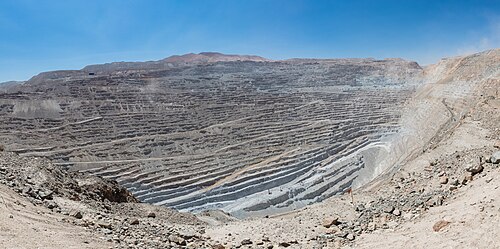
Chuquicamata
Chile · 1910s–
Chuquicamata is a reference point in the public image of Copper.
Bronze Age palstave
Europe · 2nd mill. BCE
Bronze Age palstave is a reference point in the public image of Copper.
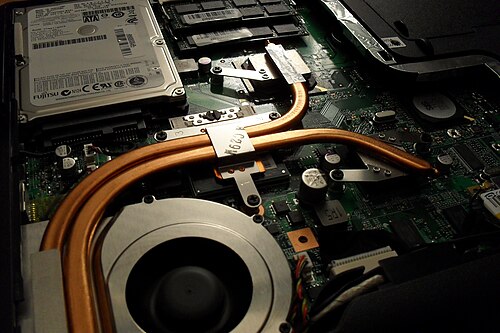
Heat pipe
Global · 1960s–
Heat pipe is a reference point in the public image of Copper.
Cu roof patina
Europe · historic
Cu roof patina is a reference point in the public image of Copper.
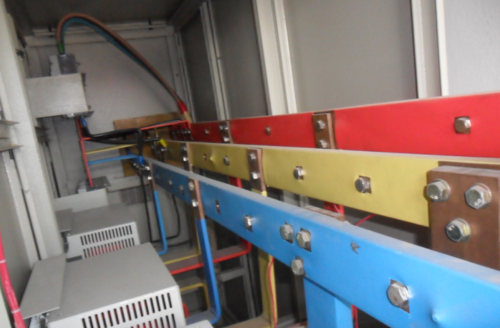
Busbar
Global · 20th c.–
Busbar is a reference point in the public image of Copper.
Toggle icons on and off — every bar rescales to the leader of your selection.
Select all
Clear
5 / 8
Everything About Materials
Which material fits?
Twelve questions reorder all thirty-two materials around your priorities.
Take the quiz →
Atlas rankings
Head-to-head
Same family or rival physics — pick a duel.
Similar materials
Closest neighbours on the six atlas axes — strength, heat, fire, insulation, workability and circularity.