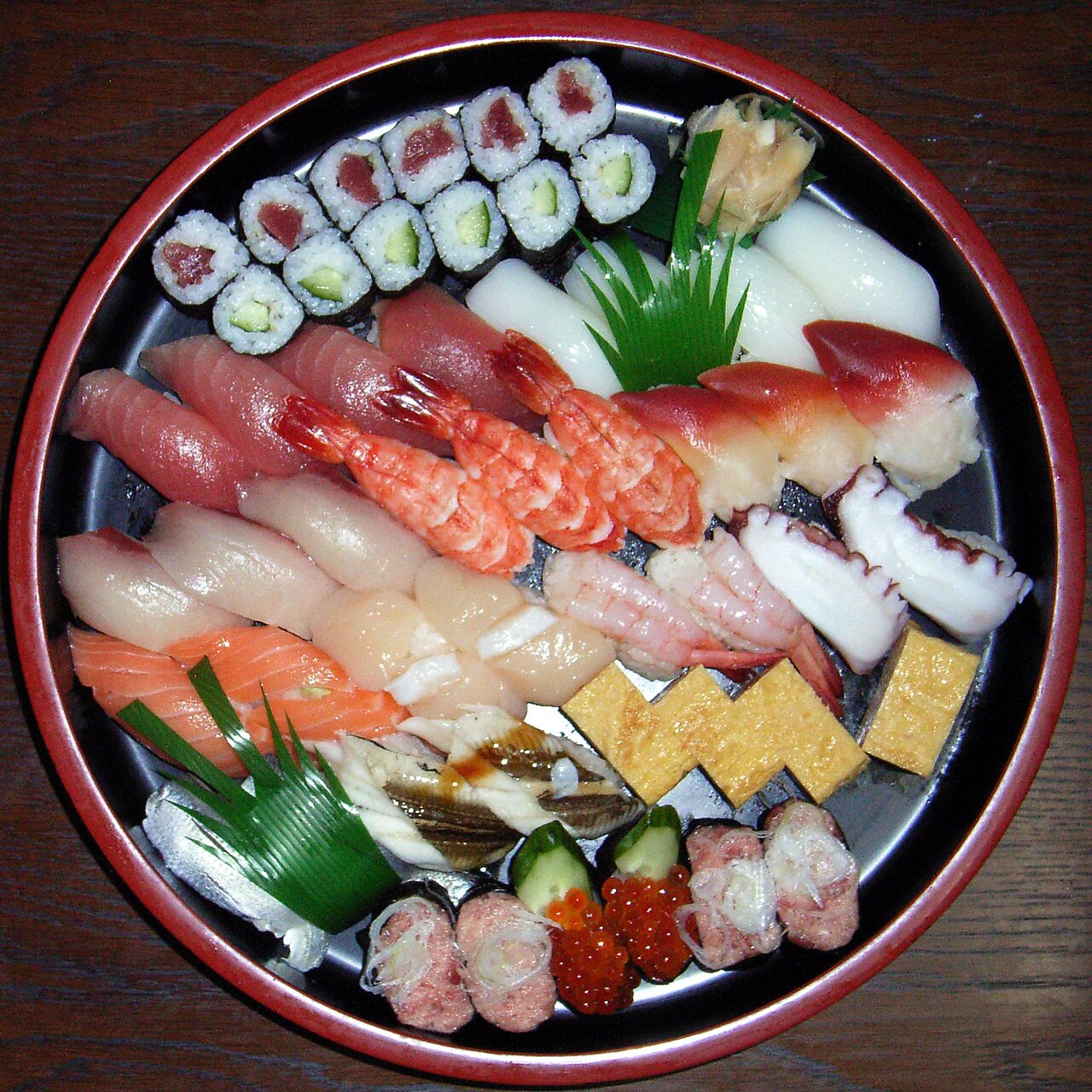
Japanese cuisine: after “paras 1”, what about “paras 1”?
Sushi and ramen colonised the world; washoku's everyday grilled fish did not. Overseas "Japanese" often means spicy tuna rolls that Tokyo would file under American food. Kikkoman, instant ramen and convenience onigiri industrialised the export pantry. Kaiseki tasting rooms abroad sell seasonality at a price that home miso soup never asked for. (5)
At a glance
Japanese cuisine · paras 1Sushi and ramen colonised the world; washoku's everyday grilled fish did not.…
Japanese cuisine · paras 1US grocery sushi and ramen shops taught a generation before anyone bought…
Japanese cuisine · paras 2Seasonal fish landings still set sushi prices more than any chef manifesto.…
Japanese cuisine · paras 1Japanese-American and Brazilian-Japanese kitchens remade teriyaki and sushi…
US grocery sushi and ramen shops taught a generation before anyone bought kombu. Serious home cooks now keep katsuobushi and a rice cooker; most still buy bottled teriyaki. Rice paddies, coastal kombu (Hokkaido) and katsuobushi production in southern ports underwrite dashi. Soy for miso and shoyu is both domestic and imported.
Decide what to order
Pick the room and the heat. The instruction changes. The plate, the pantry and the atlas spice number stay the ones for this cuisine.
UNESCOWashoku (2013)
Heat levelLow chili; wasabi / sansho
Stock baseDashi (kombu + katsuobushi)
Atlas spice28/100
Teaching marks from the atlas, not a reservation or a food-safety certificate.
Japanese cuisine · paras 1
Sushi and ramen colonised the world; washoku's everyday grilled fish did not. Overseas "Japanese" often means spicy tuna rolls that Tokyo would file under American food. Kikkoman, instant ramen and convenience onigiri industrialised the export pantry. Kaiseki tasting rooms abroad sell seasonality at a price that home miso soup never asked for.
Japanese cuisine · paras 1
US grocery sushi and ramen shops taught a generation before anyone bought kombu. Serious home cooks now keep katsuobushi and a rice cooker; most still buy bottled teriyaki. Rice paddies, coastal kombu (Hokkaido) and katsuobushi production in southern ports underwrite dashi. Soy for miso and shoyu is both domestic and imported.
Japanese cuisine · paras 2
Seasonal fish landings still set sushi prices more than any chef manifesto. Aging populations emptied some rural pickle traditions into supermarket tubs. Yatai carts shrank under hygiene rules; ramen and conveyor sushi absorbed the street impulse. Tsukiji's inner market move to Toyosu was a labour story as much as a tourist one.
Japanese cuisine · paras 1
Japanese-American and Brazilian-Japanese kitchens remade teriyaki and sushi rolls. Sao Paulo and Honolulu are part of the cuisine's modern map. Overseas sushi is often a California roll economy. Reverse imports — spicy rolls, extra-rich tonkotsu — now appear in Tokyo as "American" or "Jiro-adjacent" theatre.
This is a reading check for the atlas, not personal advice, a live price, or a booking. It does not replace the full topic page.
Questions
What is the next question after this?
Seasonal fish landings still set sushi prices more than any chef manifesto. Aging populations emptied some rural pickle traditions into supermarket tubs. Yatai carts shrank under hygiene rules; ramen and conveyor sushi absorbed the street impulse. Tsukiji's inner market move to Toyosu was a labour story as much as a tourist one.
Does this page rank people or nations?
This is a reading check for the atlas, not personal advice, a live price, or a booking. It does not replace the full topic page.
Where is the longer entry?
Japanese-American and Brazilian-Japanese kitchens remade teriyaki and sushi rolls. Sao Paulo and Honolulu are part of the cuisine's modern map. Overseas sushi is often a California roll economy. Reverse imports — spicy rolls, extra-rich tonkotsu — now appear in Tokyo as "American" or "Jiro-adjacent" theatre.