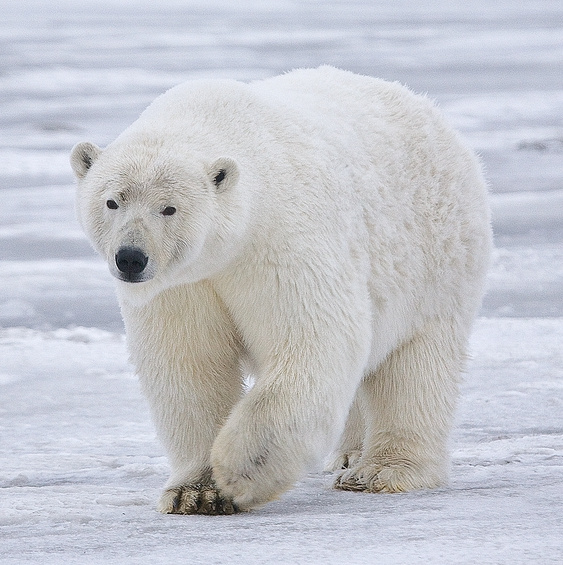
Eisbär ist eine der 24 Arten in diesem Atlas. Kein Katalog: Evolution, Anatomie, Verhalten, Kultur, Ikonen, Schutz und Areal sind ein System.
Scores vergleichen Tempo, Intelligenz, Areal, Resilienz, kulturellen Einfluss und ökologische Rolle. Redaktionelle Relativwerte, kein Laborranking.
Sieben Kapitel graben nach: Ursprünge, Körper und Sinne, Leben und Verhalten, Kultur, Ikonen, Schutzdruck und das mit Menschen geteilte Areal.
Tiefe Einführung
Tiefgang: Eisbär
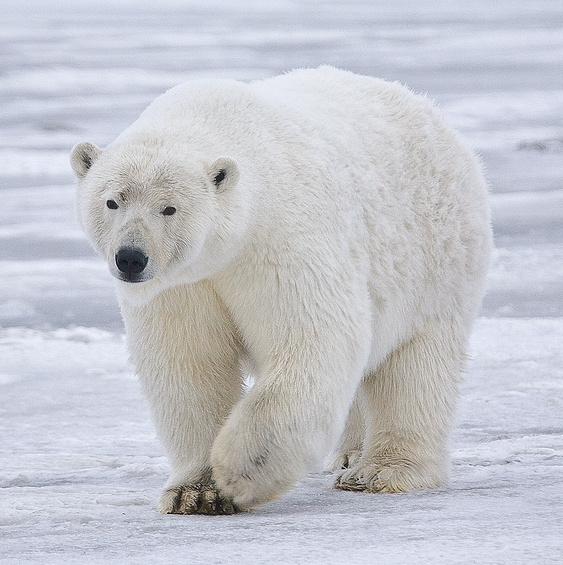
Eisbär ist kein Postkarten-Tier. Es ist ein Satz von Populationen, Unterarten und menschlichen Regeln in der Familie Wildtiere dieses Atlas.
Vielfalt, Körper, Kultur und Areale — plus eine Linse für diese Sprachregion.
Vielfalt im Typ
Feldführer falten viele Linien in das Wort Eisbär. Unterarten, Zugwege und Haltungslinien teilen nicht ein Schicksal.
Dieser Atlas wählt einen Wikipedia-Titel als Heldenbild und lässt den Rest der Stufe sichtbar, damit ein erholter Bestand keine vom Aussterben bedrohte Cousine wäscht.
Life in the landscape
A long-skulled ursid with huge forepaws, black skin under hollow guard hairs, and a gut built for seal fat. It is a marine mammal in habit, a bear in clade.
Still-hunt at seal holes and break-in on birth lairs. Fat, not lean meat, pays the ice year. Onshore summers are a deficit for many stocks.
Kultur und Bedeutung
Film, Recht, Heraldik, Zoos und lokale Geschichte trafen Eisbär. Diese Bilder bewegen Geld; sie sind keine Feldzählung.
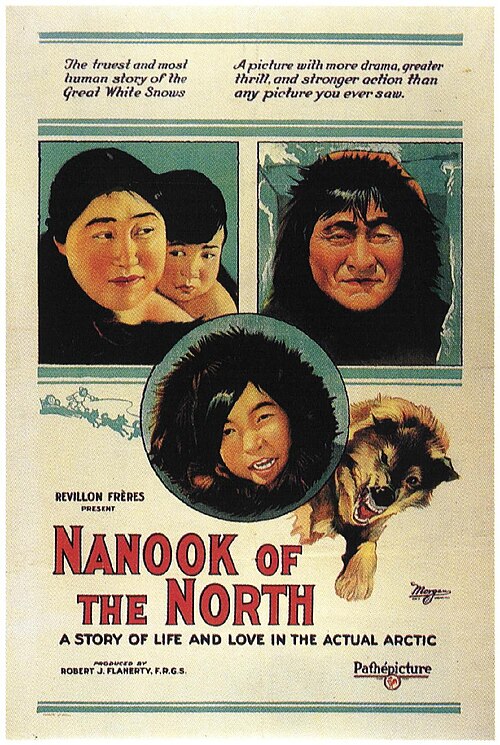
Das Kulturkapitel datiert Plakate und Gesetze, damit ein Film von 1975 oder ein Logo von 1961 nicht als Rote Liste der 2020er auftreten.
Conservation and money
Vulnerable. The 2008 US ESA listing treated sea-ice loss as the primary threat -- a climate instrument more than a hunt story.
Tourism, conflict payments, quotas and captive loans are dated economic bands in the market chapter -- not live prices and not a best-species prize.
Lebenswissenschaftlicher Tiefgang
Biologie im Tiefgang: Eisbär
Die Biologie von Eisbär stapelt Struktur, Energie, Sinne und harte Grenzen. Die vier Abschnitte nutzen dieselben Atlas-Überschriften, damit Typen ohne Best-Species-Rahmen vergleichbar bleiben.
Anatomie, Sinne, Verhalten und Grenzen — plus Feldsprach dieser Region.
Structure
A long-skulled ursid with huge forepaws, black skin under hollow guard hairs, and a gut built for seal fat. It is a marine mammal in habit, a bear in clade.
Load paths and tissues (not metals) are expanded in the anatomy chapter.
Energy and foraging
Still-hunt at seal holes and break-in on birth lairs. Fat, not lean meat, pays the ice year. Onshore summers are a deficit for many stocks.
The how-it-works diagrams reduce that budget to a six-node loop.
Senses and control
Smell through ice and a patience that looks like stillness. Vision is secondary to a hole in the ice.
Control here means the animal steering itself -- not a vehicle ECU.
Limits
Ice-season length. A stable stock in one basin does not retire a VU card written on a melt curve.
Resilience scores encode those limits relative to the other 23 types.
Why is resilience low if some subpopulations look stable?
IUCN VU and the 2008 ESA listing rest on ice-season length. A few stable stocks do not cancel a circumpolar ice forecast. High resilience in this atlas means secure (koi, many owls), not famous.
What did the 2008 US listing change?
It treated greenhouse gases as a listed-species threat. Courts later limited how far that could reach power plants; the biological finding stayed.
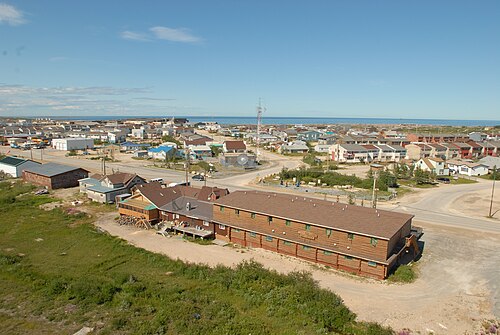
Is Churchill typical?
Western Hudson Bay is an early-ice-loss stock and a tourist town. It is a visible subpopulation, not the whole Arctic.
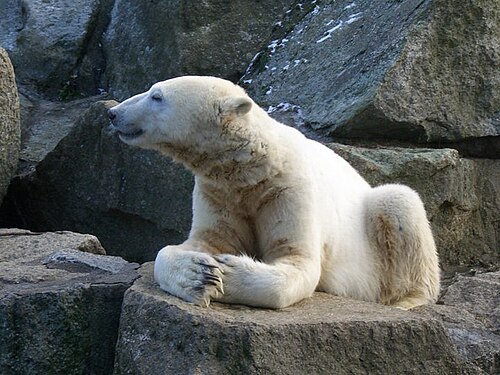
Who was Knut?
A hand-reared Berlin cub (2006-2011) whose fame and death made zoo ethics a tabloid. He is culture, not a sea-ice time series.
Do polar bears eat only seals?
Seals (especially ringed) are the fat that pays. Bird eggs, carrion and land food appear more in long ice-free summers -- a budget problem, not a new niche that replaces ice.
What is Nanook of the North to this file?
The 1922 film staged Inuit life for a southern camera. It is a portrayal, not an ethnography of nanuq knowledge.
Are Coca-Cola bears biology?
No. They are cultural impact. The atlas keeps them off the scores for ice.
How do USGS and PBSG fit?
The IUCN Polar Bear Specialist Group and USGS ice-bear models are the technical chorus behind the VU card.
Rolle, kein Sieger
Naturschutzlesen. Kein Live-Abruf der IUCN.
Dieses Ranking einbetten
Fügen Sie diesen Code in Ihr Blog oder Ihre Website ein — das Ranking bleibt aktuell.
Kopiert!
Ähnliche Arten
Nächste Nachbarn auf den sechs Achsen — Tempo, Intelligenz, Areal, Resilienz, Kultur und ökologische Rolle.