Kolibri ist eine der 24 Arten in diesem Atlas. Kein Katalog: Evolution, Anatomie, Verhalten, Kultur, Ikonen, Schutz und Areal sind ein System.
Scores vergleichen Tempo, Intelligenz, Areal, Resilienz, kulturellen Einfluss und ökologische Rolle. Redaktionelle Relativwerte, kein Laborranking.
Sieben Kapitel graben nach: Ursprünge, Körper und Sinne, Leben und Verhalten, Kultur, Ikonen, Schutzdruck und das mit Menschen geteilte Areal.
Tiefe Einführung
Tiefgang: Kolibri
Kolibri ist kein Postkarten-Tier. Es ist ein Satz von Populationen, Unterarten und menschlichen Regeln in der Familie Vögel dieses Atlas.
Vielfalt, Körper, Kultur und Areale — plus eine Linse für diese Sprachregion.
Vielfalt im Typ
Feldführer falten viele Linien in das Wort Kolibri. Unterarten, Zugwege und Haltungslinien teilen nicht ein Schicksal.
Dieser Atlas wählt einen Wikipedia-Titel als Heldenbild und lässt den Rest der Stufe sichtbar, damit ein erholter Bestand keine vom Aussterben bedrohte Cousine wäscht.
Life in the landscape
A tiny fuselage, a long bill and a shoulder joint that lets the wing invert. Pectoralis and supracoracoideus are both huge for the upstroke’s lift.
Nectar sugars plus insect protein. Hovering is among the costliest vertebrate gaits; torpor is the nightly rebate.
Kultur und Bedeutung
Film, Recht, Heraldik, Zoos und lokale Geschichte trafen Kolibri. Diese Bilder bewegen Geld; sie sind keine Feldzählung.
Das Kulturkapitel datiert Plakate und Gesetze, damit ein Film von 1975 oder ein Logo von 1961 nicht als Rote Liste der 2020er auftreten.
Conservation and money
Most continental species are Least Concern; island and cloud-forest endemics carry the Red List weight.
Tourism, conflict payments, quotas and captive loans are dated economic bands in the market chapter -- not live prices and not a best-species prize.
Lebenswissenschaftlicher Tiefgang
Biologie im Tiefgang: Kolibri
Die Biologie von Kolibri stapelt Struktur, Energie, Sinne und harte Grenzen. Die vier Abschnitte nutzen dieselben Atlas-Überschriften, damit Typen ohne Best-Species-Rahmen vergleichbar bleiben.
Anatomie, Sinne, Verhalten und Grenzen — plus Feldsprach dieser Region.
Structure
A tiny fuselage, a long bill and a shoulder joint that lets the wing invert. Pectoralis and supracoracoideus are both huge for the upstroke’s lift.
Load paths and tissues (not metals) are expanded in the anatomy chapter.
Energy and foraging
Nectar sugars plus insect protein. Hovering is among the costliest vertebrate gaits; torpor is the nightly rebate.
The how-it-works diagrams reduce that budget to a six-node loop.
Senses and control
Colour vision into the near-ultraviolet helps flower finding. Spatial memory of traplines is the cognitive load.
Control here means the animal steering itself -- not a vehicle ECU.
Limits
Gram-scale fat stores and weather windows bound migration. Island endemics have nowhere to shift when scrub is cleared.
Resilience scores encode those limits relative to the other 23 types.
Four other atlas types, six terms, three threads and three local notes -- a map out of the Kolibri page without leaving the 24-id taxonomy.
Siehe-auch-Arten, Begriffe, Nachbarfäden und Regionalnoten für diese Sprache.
Siehe auch
🦩FlamingoAnother bird whose diet paints the body — nectar vs brine shrimp.
🪽AlbatrosOpposite wing: hover specialist vs dynamic soarer.
🐴SeepferdchenAnother hovering feeder that looks delicate and is metabolically expensive.
🦜PapageiNeotropical canopy neighbour with a different social intelligence.
Schlüsselbegriffe
Figure-eight stroke
Wing-tip path that makes lift on both down and upstroke — the hover trick.
Torpor
Night-time metabolic drop that keeps a 3 g bird from starving before dawn.
Gorget
Iridescent throat patch in many males — angle-dependent, not pigment-only.
Trapline
Repeated nectar circuit of scattered flowers, as opposed to a defended patch.
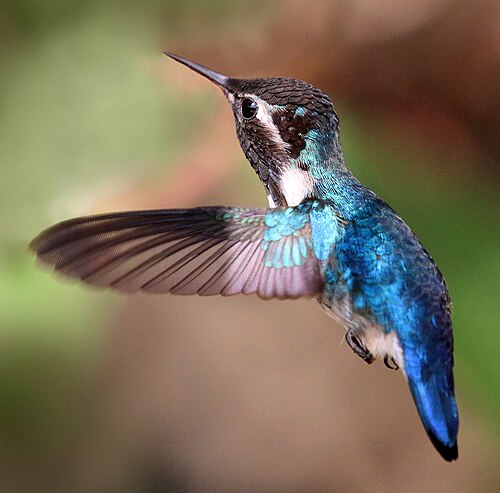
Bee Kolibri
Mellisuga helenae — smallest living bird, Cuban endemic.
Gulf crossing
Ruby-throated nonstop flight over the Gulf of Mexico on spring and autumn migration.
Habitat and movement
Where the Kolibri breeds and feeds is the first constraint. Single lakes, islands and forests appear again in the history timeline.
Range scores in this atlas mark how widely that movement runs -- albatross and blue whale high, koi and panda low -- not a quality ranking.
Research and law
Named projects (Project Tiger, ACAP, ICCAT, Amboseli) are the English-language bureaucracy of the type.
Listings and downlists are dated events in the timeline, not eternal essences.
Culture and price
Film, auction and logo years are filed under culture and market so they cannot masquerade as demography.
The icons chapter keeps eight real Wikipedia titles so a later language pack can attach the same faces.
Visuelle Feldnotizen
Lizenzierte Fotos dieser Art — Helden, Epochen und Ikonen an einer Wand.
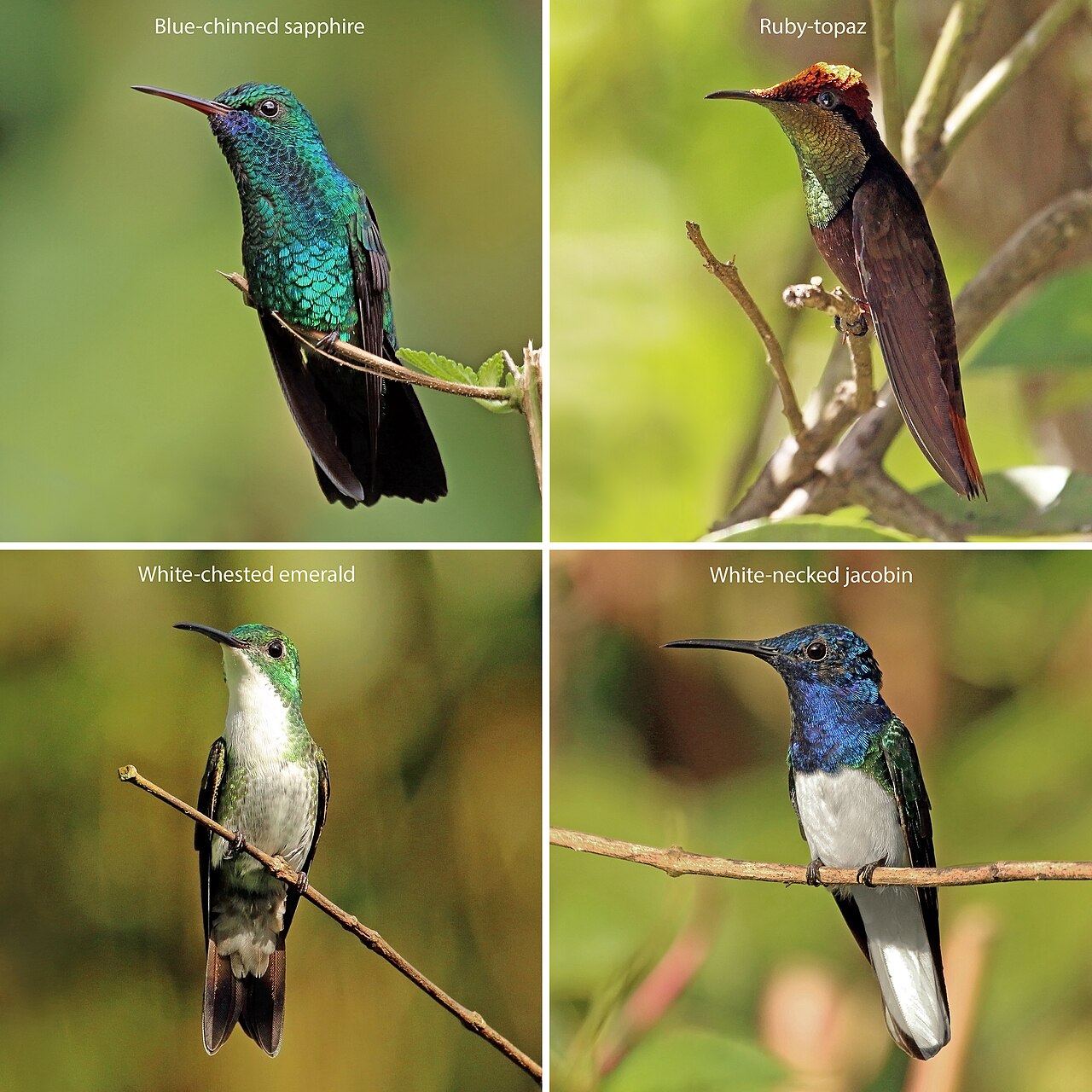
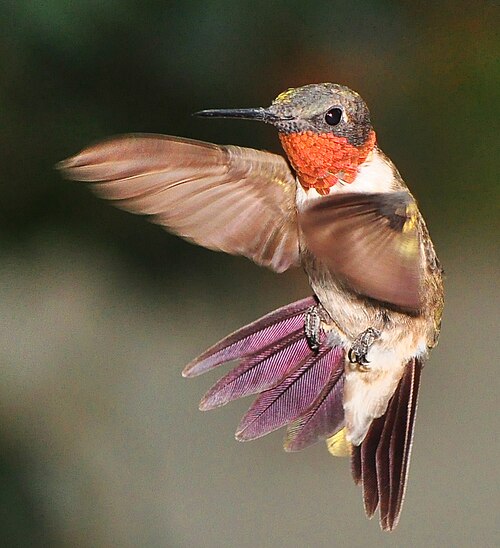
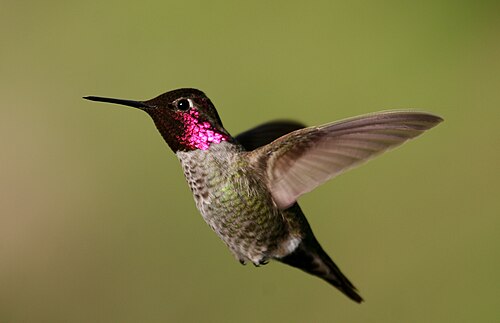
Charles J. SharpCharles J. SharpjeffreywRobert McMorran, United States Fish and Wildlife ServiceAndy Morffew from Itchen Abbas, Hampshire, UKCharles J. SharpUnknown authorNate Lee
Das Profil
Tempo91
Intelligenz48
Areal58
Resilienz73
Kultureller Einfluss34
Ökologische Rolle76
Anatomie gegen Verhalten heften
Wählen Sie ein Anatomiesystem und eine Betriebsfakt, die schon auf dieser Artseite stehen. Ein Lesepaar — kein Siegerbrett.
Lesehilfe in diesem Atlas. Feldbiologie und örtliches Recht entscheiden jede echte Begegnung. Kein Live-Feed.
How can a hummingbird hover when other birds cannot?
The shoulder allows a nearly horizontal figure-eight. Lift on the upstroke as well as the downstroke pays the hover bill that a typical avian stroke cannot.
Do hummingbirds live on sugar water alone?
No. Nectar is fuel. Arthropods supply protein, especially for chicks. Feeders that omit insects do not replace a territory.
How does a 3-gram bird cross the Gulf of Mexico?
Ruby-throated hummingbirds fatten, then fly 800+ km nonstop. Tailwinds and a high mass-specific power output make the crossing possible, not a rest on ships.
What is torpor in hummingbirds?
A controlled drop in body temperature and metabolic rate overnight. Without it, many species would exhaust nectar stores before sunrise.
Are hummingbirds only tropical?
Diversity peaks in the Andes. Anna’s hummingbirds now winter in Vancouver gardens; ruby-throated breed to southern Canada.
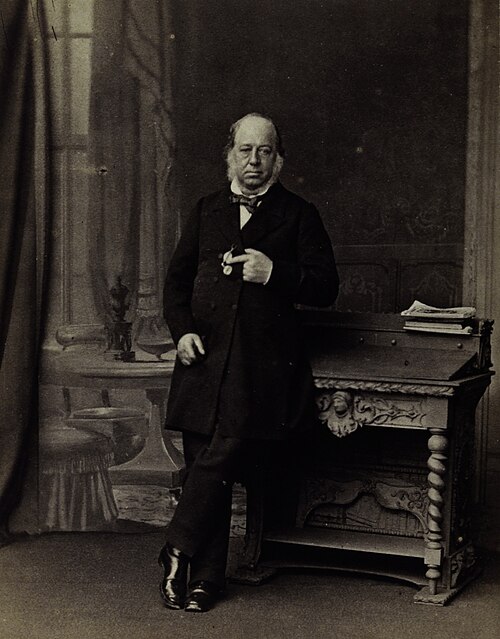
Who first illustrated hummingbirds for Europe?
John Gould’s 19th-century monographs and skins made trochilids a Victorian craze — with a collecting cost that modern field work still cites.
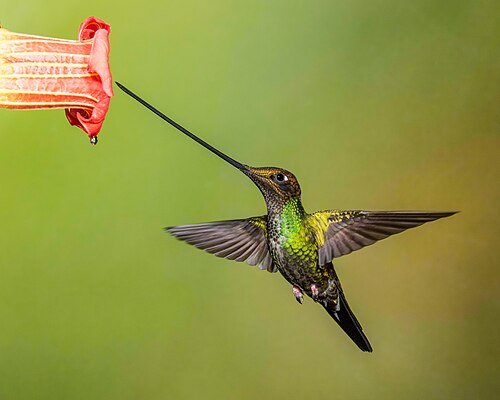
Why do some species have bills longer than the head?
Sword-billed hummingbirds match 10–14 cm bills to Datura and Passiflora corollas — a coevolution exhibit, not an ornament.
Is feeder sugar a conservation tool?
Feeders help watchers and some urban birds. Habitat corridors and native tubular plants decide whether migrants still find the Gulf’s far shore.
Rolle, kein Sieger
Naturschutzlesen. Kein Live-Abruf der IUCN.
Dieses Ranking einbetten
Fügen Sie diesen Code in Ihr Blog oder Ihre Website ein — das Ranking bleibt aktuell.
Kopiert!
Ähnliche Arten
Nächste Nachbarn auf den sechs Achsen — Tempo, Intelligenz, Areal, Resilienz, Kultur und ökologische Rolle.