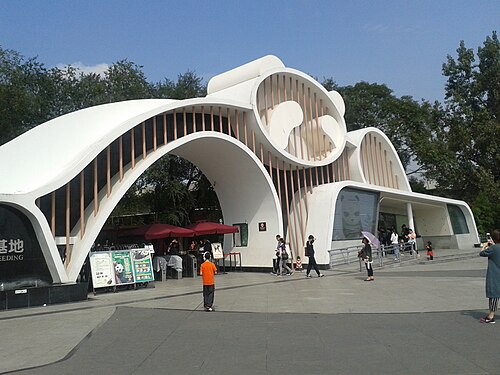
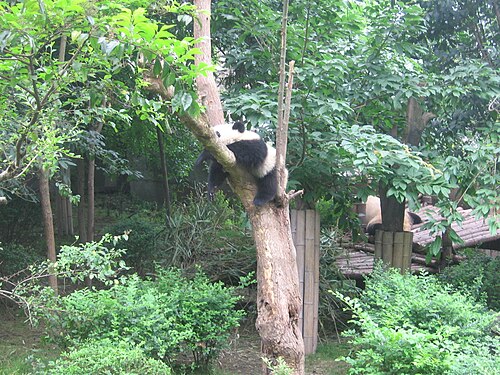
Großer Panda ist eine der 24 Arten in diesem Atlas. Kein Katalog: Evolution, Anatomie, Verhalten, Kultur, Ikonen, Schutz und Areal sind ein System.
Scores vergleichen Tempo, Intelligenz, Areal, Resilienz, kulturellen Einfluss und ökologische Rolle. Redaktionelle Relativwerte, kein Laborranking.
Sieben Kapitel graben nach: Ursprünge, Körper und Sinne, Leben und Verhalten, Kultur, Ikonen, Schutzdruck und das mit Menschen geteilte Areal.
Tiefe Einführung
Tiefgang: Großer Panda
Großer Panda ist kein Postkarten-Tier. Es ist ein Satz von Populationen, Unterarten und menschlichen Regeln in der Familie Wildtiere dieses Atlas.
Vielfalt, Körper, Kultur und Areale — plus eine Linse für diese Sprachregion.
Vielfalt im Typ
Feldführer falten viele Linien in das Wort Großer Panda. Unterarten, Zugwege und Haltungslinien teilen nicht ein Schicksal.
Dieser Atlas wählt einen Wikipedia-Titel als Heldenbild und lässt den Rest der Stufe sichtbar, damit ein erholter Bestand keine vom Aussterben bedrohte Cousine wäscht.
Life in the landscape
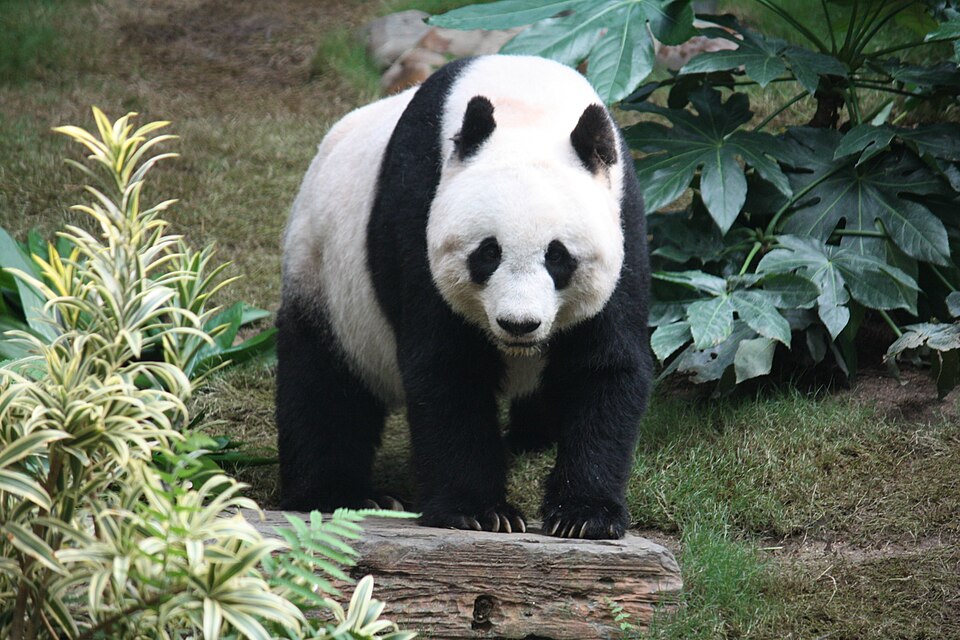
A bear with a false thumb (radial sesamoid) for bamboo, a massive skull for grinding, and a carnivore gut on a herbivore diet -- an expensive compromise.
Hours of bamboo to extract little protein. Low activity is a budget, not laziness. Meat is rare, not a secret second life.
Kultur und Bedeutung
Film, Recht, Heraldik, Zoos und lokale Geschichte trafen Großer Panda. Diese Bilder bewegen Geld; sie sind keine Feldzählung.
Das Kulturkapitel datiert Plakate und Gesetze, damit ein Film von 1975 oder ein Logo von 1961 nicht als Rote Liste der 2020er auftreten.
Conservation and money
Vulnerable after a 2016 downlist from Endangered; wild numbers remain a few thousand in fragmented Sichuan-Shaanxi-Gansu belts.
Tourism, conflict payments, quotas and captive loans are dated economic bands in the market chapter -- not live prices and not a best-species prize.
Lebenswissenschaftlicher Tiefgang
Biologie im Tiefgang: Großer Panda
Die Biologie von Großer Panda stapelt Struktur, Energie, Sinne und harte Grenzen. Die vier Abschnitte nutzen dieselben Atlas-Überschriften, damit Typen ohne Best-Species-Rahmen vergleichbar bleiben.
Anatomie, Sinne, Verhalten und Grenzen — plus Feldsprach dieser Region.
Structure
A bear with a false thumb (radial sesamoid) for bamboo, a massive skull for grinding, and a carnivore gut on a herbivore diet -- an expensive compromise.
Load paths and tissues (not metals) are expanded in the anatomy chapter.
Energy and foraging
Hours of bamboo to extract little protein. Low activity is a budget, not laziness. Meat is rare, not a secret second life.
The how-it-works diagrams reduce that budget to a six-node loop.
Senses and control
Smell and a session of sit-and-grind. The false thumb is the famous morphological sense of touch on culms.
Control here means the animal steering itself -- not a vehicle ECU.
Limits
A narrow diet and a narrow map. High culture, mid resilience -- the WWF face is not a recovered generalist.
Resilience scores encode those limits relative to the other 23 types.
Pandas are bamboo specialists in a small mountain belt. They do not engineer continents like elephants or move ocean nutrients like whales. The score is relative, not an insult.
Did the 2016 downlist mean the crisis ended?
VU is better than EN. Fragmented habitat, bamboo die-off cycles and a still-small wild number keep the species in a watch band, not a recovered one like koi or many owls.
Why does WWF use a panda?
The 1961 logo drew on Chi-Chi at London Zoo -- a high-contrast animal that printed well. The brand and the wild census later had to share one face.
What did Nixon 1972 change?
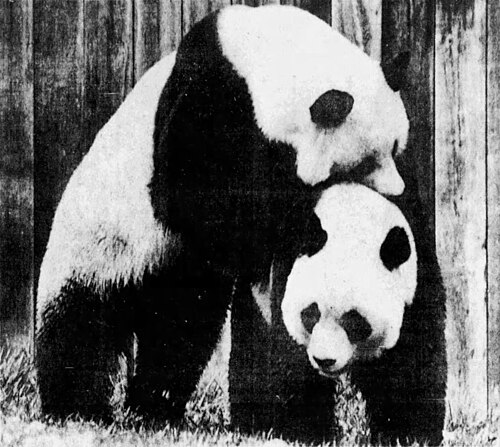
Ling-Ling and Hsing-Hsing at the National Zoo made panda diplomacy a Cold War soft-power tool that China still uses as loans, not gifts.
What happened at Wolong in 2008?
The Sichuan earthquake killed staff and animals and wrecked the breeding centre. Rebuilding became a national reconstruction exhibit.
Who was Ruth Harkness?
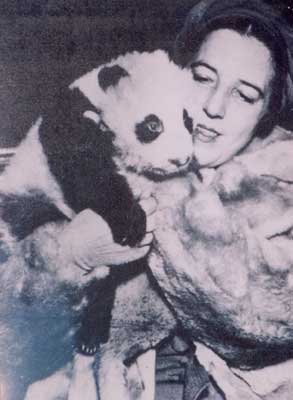
An American who took Su Lin out of China in 1936 -- a living-export story that predates modern loan contracts.
Is captive breeding the wild recovery?
Captive numbers rose. Wild recovery needs corridors (the national park idea) more than more cubs on camera.
Are red pandas the same file?
No. Ailurus is a different family. This atlas type is the giant panda only.
Rolle, kein Sieger
Naturschutzlesen. Kein Live-Abruf der IUCN.
Dieses Ranking einbetten
Fügen Sie diesen Code in Ihr Blog oder Ihre Website ein — das Ranking bleibt aktuell.
Kopiert!
Ähnliche Arten
Nächste Nachbarn auf den sechs Achsen — Tempo, Intelligenz, Areal, Resilienz, Kultur und ökologische Rolle.