Weißer Hai ist eine der 24 Arten in diesem Atlas. Kein Katalog: Evolution, Anatomie, Verhalten, Kultur, Ikonen, Schutz und Areal sind ein System.
Scores vergleichen Tempo, Intelligenz, Areal, Resilienz, kulturellen Einfluss und ökologische Rolle. Redaktionelle Relativwerte, kein Laborranking.
Sieben Kapitel graben nach: Ursprünge, Körper und Sinne, Leben und Verhalten, Kultur, Ikonen, Schutzdruck und das mit Menschen geteilte Areal.
Tiefe Einführung
Tiefgang: Weißer Hai
Weißer Hai ist kein Postkarten-Tier. Es ist ein Satz von Populationen, Unterarten und menschlichen Regeln in der Familie Fische dieses Atlas.
Vielfalt, Körper, Kultur und Areale — plus eine Linse für diese Sprachregion.
Vielfalt im Typ
Feldführer falten viele Linien in das Wort Weißer Hai. Unterarten, Zugwege und Haltungslinien teilen nicht ein Schicksal.
Dieser Atlas wählt einen Wikipedia-Titel als Heldenbild und lässt den Rest der Stufe sichtbar, damit ein erholter Bestand keine vom Aussterben bedrohte Cousine wäscht.
Life in the landscape
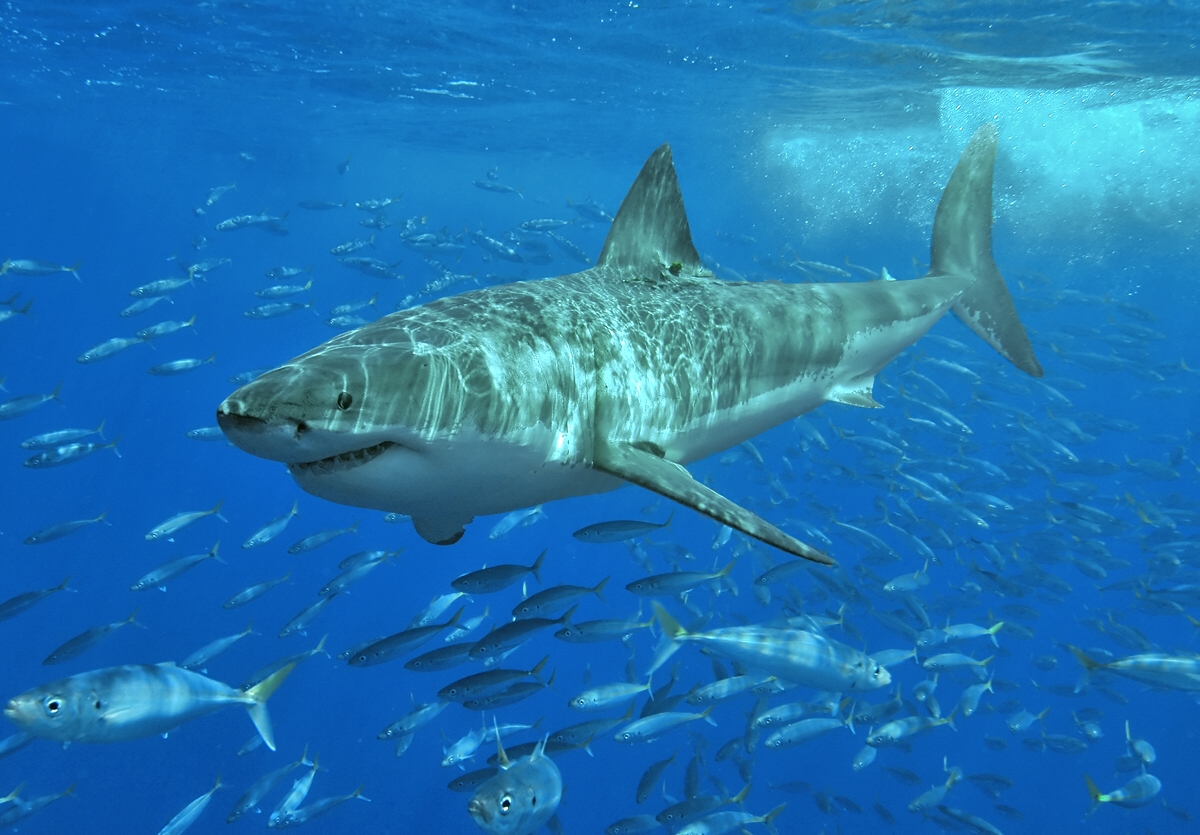
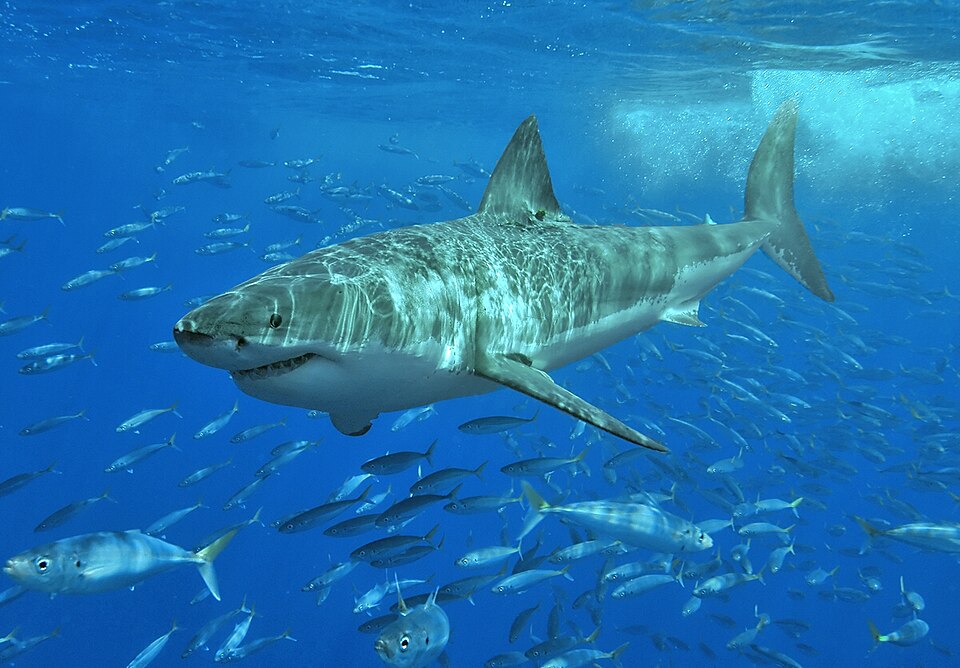
A conical snout, serrated triangular teeth and a homocercal tail. Vascular rete keep core muscle warm; the liver is a vast oil store for buoyancy.
Ontogenetic shift from fish to pinnipeds where seals are dense. A single seal can fund days; scavenging whales is documented opportunistic income.
Kultur und Bedeutung
Film, Recht, Heraldik, Zoos und lokale Geschichte trafen Weißer Hai. Diese Bilder bewegen Geld; sie sind keine Feldzählung.
Das Kulturkapitel datiert Plakate und Gesetze, damit ein Film von 1975 oder ein Logo von 1961 nicht als Rote Liste der 2020er auftreten.
Conservation and money
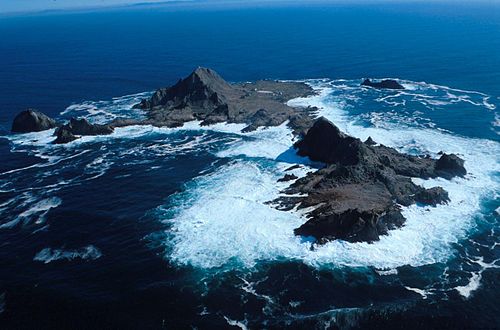
Vulnerable globally; Farallones, Gansbaai and Neptune Islands aggregations are better counted than oceanic juveniles.
Tourism, conflict payments, quotas and captive loans are dated economic bands in the market chapter -- not live prices and not a best-species prize.
Lebenswissenschaftlicher Tiefgang
Biologie im Tiefgang: Weißer Hai
Die Biologie von Weißer Hai stapelt Struktur, Energie, Sinne und harte Grenzen. Die vier Abschnitte nutzen dieselben Atlas-Überschriften, damit Typen ohne Best-Species-Rahmen vergleichbar bleiben.
Anatomie, Sinne, Verhalten und Grenzen — plus Feldsprach dieser Region.
Structure
A conical snout, serrated triangular teeth and a homocercal tail. Vascular rete keep core muscle warm; the liver is a vast oil store for buoyancy.
Load paths and tissues (not metals) are expanded in the anatomy chapter.
Energy and foraging
Ontogenetic shift from fish to pinnipeds where seals are dense. A single seal can fund days; scavenging whales is documented opportunistic income.
The how-it-works diagrams reduce that budget to a six-node loop.
Senses and control
Ampullae of Lorenzini, a keen nose and rod-rich vision for a silhouette against the surface -- the classic seal-shaped cue.
Control here means the animal steering itself -- not a vehicle ECU.
Limits
Late maturity and few pups. Hooks, nets and a 1975 story are ceilings teeth cannot cut.
Resilience scores encode those limits relative to the other 23 types.
Warm swimming muscle -- a lamnid trick shared with makos and some tunas.
White Shark Cafe
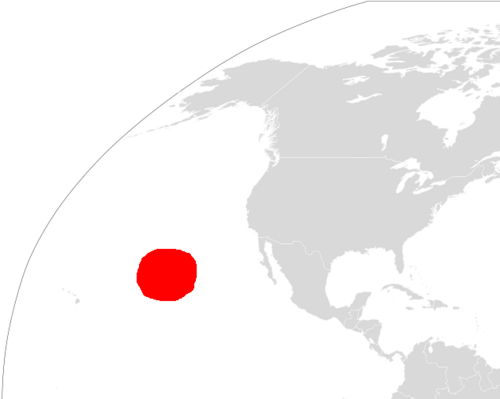
Offshore Pacific aggregation between Hawaii and Baja where tagged whites linger.
Breach hunt
False Bay / Seal Island launches that made 2000s magazine stills.
OCEARCH
Public satellite-tag platform that turned individual whites into named tracks.
Jaws effect
Post-1975 spike in fear and some trophy killing -- later regretted by Peter Benchley.
CITES App. II
2004 listing for Carcharodon -- trade documentation, not a harvest ban.
Habitat and movement
Where the Weißer Hai breeds and feeds is the first constraint. Single lakes, islands and forests appear again in the history timeline.
Range scores in this atlas mark how widely that movement runs -- albatross and blue whale high, koi and panda low -- not a quality ranking.
Research and law
Named projects (Project Tiger, ACAP, ICCAT, Amboseli) are the English-language bureaucracy of the type.
Listings and downlists are dated events in the timeline, not eternal essences.
Culture and price
Film, auction and logo years are filed under culture and market so they cannot masquerade as demography.
The icons chapter keeps eight real Wikipedia titles so a later language pack can attach the same faces.
Visuelle Feldnotizen
Lizenzierte Fotos dieser Art — Helden, Epochen und Ikonen an einer Wand.
Pterantula (Terry Goss) at en.wikipediaPterantula (Terry Goss) at en.wikipediaRoger KastelBack jacket photo by Alex GotfrydObtundJan RolettoSelfOriginal: IUCN Vector: Mysid
Das Profil
Tempo79
Intelligenz42
Areal82
Resilienz33
Kultureller Einfluss73
Ökologische Rolle85
Anatomie gegen Verhalten heften
Wählen Sie ein Anatomiesystem und eine Betriebsfakt, die schon auf dieser Artseite stehen. Ein Lesepaar — kein Siegerbrett.
Lesehilfe in diesem Atlas. Feldbiologie und örtliches Recht entscheiden jede echte Begegnung. Kein Live-Feed.
Did Jaws change great-white numbers or only stories?
The 1975 film increased trophy interest and beach fear. Later decline drivers are fins, bycatch and slow life history. Benchley later argued the fiction had been taken as a brief.
What is the White Shark Cafe?
A mid-Pacific patch where California-tagged whites linger. Foraging on midwater squid and fish is the working hypothesis, not a seal colony.
Are great whites warm-blooded?
They are regional endotherms. Countercurrent heat exchangers keep muscle and stomach above ambient -- not mammalian homeothermy.
Why Gansbaai and the Farallones?
Cape fur seals and elephant seals create predictable prey. Cage tourism and research boats stacked on those same reefs.
Who is Deep Blue?
A very large female photographed at Guadalupe and later Hawaii -- a media name, not a stock assessment.
When did CITES list the species?
Appendix II in 2004. Papers still move; the listing forces permits and data, not a zero quota.
Do whites migrate like tuna?
Many coastal adults make basin-scale loops (California-Cafe-Hawaii). Site fidelity to seal colonies is seasonal.
Is the species recovering where seals recovered?
Cape Cod and parts of California show more sightings as grey seals rebounded. Sightings are not a global Vulnerable reversal.
Rolle, kein Sieger
Naturschutzlesen. Kein Live-Abruf der IUCN.
Dieses Ranking einbetten
Fügen Sie diesen Code in Ihr Blog oder Ihre Website ein — das Ranking bleibt aktuell.
Kopiert!
Ähnliche Arten
Nächste Nachbarn auf den sechs Achsen — Tempo, Intelligenz, Areal, Resilienz, Kultur und ökologische Rolle.