Papagei ist eine der 24 Arten in diesem Atlas. Kein Katalog: Evolution, Anatomie, Verhalten, Kultur, Ikonen, Schutz und Areal sind ein System.
Scores vergleichen Tempo, Intelligenz, Areal, Resilienz, kulturellen Einfluss und ökologische Rolle. Redaktionelle Relativwerte, kein Laborranking.
Sieben Kapitel graben nach: Ursprünge, Körper und Sinne, Leben und Verhalten, Kultur, Ikonen, Schutzdruck und das mit Menschen geteilte Areal.
Tiefe Einführung
Tiefgang: Papagei
Papagei ist kein Postkarten-Tier. Es ist ein Satz von Populationen, Unterarten und menschlichen Regeln in der Familie Vögel dieses Atlas.
Vielfalt, Körper, Kultur und Areale — plus eine Linse für diese Sprachregion.
Vielfalt im Typ
Feldführer falten viele Linien in das Wort Papagei. Unterarten, Zugwege und Haltungslinien teilen nicht ein Schicksal.
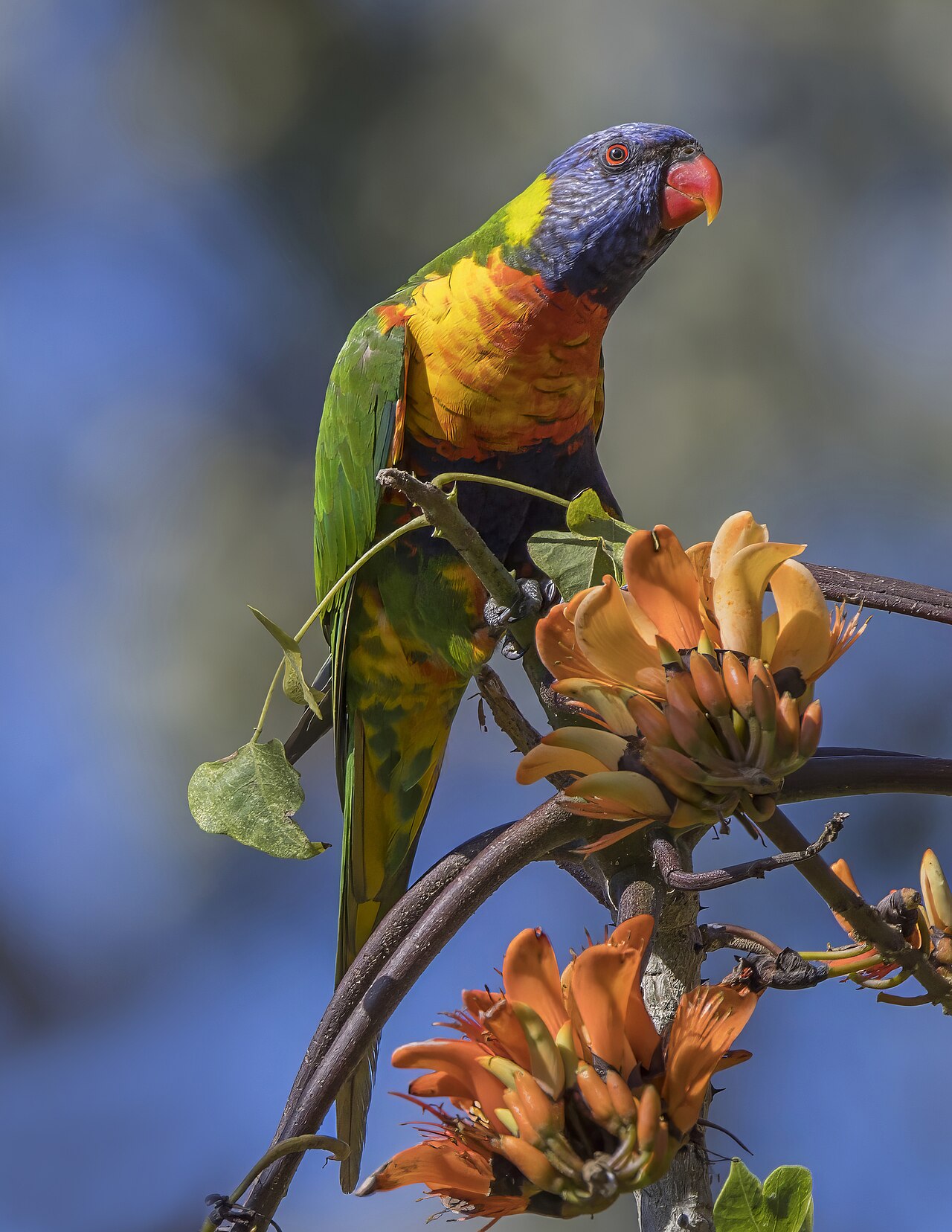
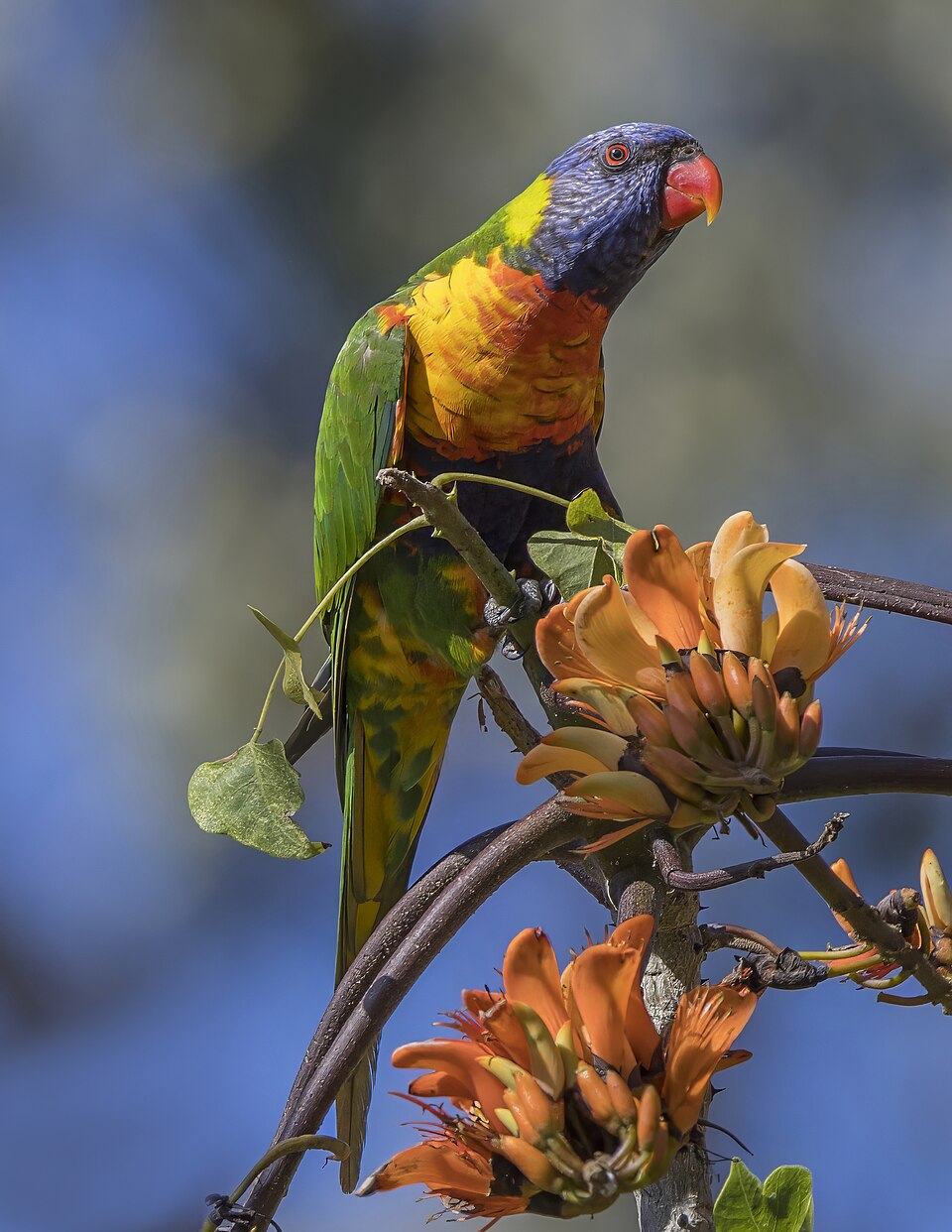
Dieser Atlas wählt einen Wikipedia-Titel als Heldenbild und lässt den Rest der Stufe sichtbar, damit ein erholter Bestand keine vom Aussterben bedrohte Cousine wäscht.
Life in the landscape
A kinetic upper mandible, zygodactyl feet and a muscular tongue. The skull is built to crack and to climb; the syrinx is built to learn.
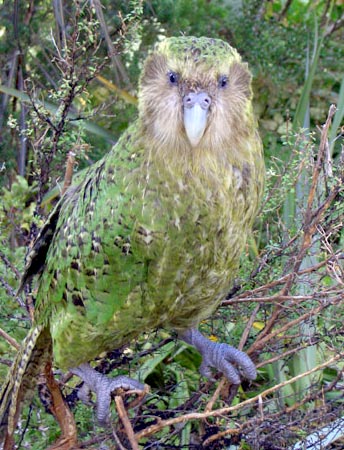
Fruits, seeds, nectar and clay licks. Large macaws commute to palm stands; kakapo browse night vegetation on a low metabolic budget.
Kultur und Bedeutung
Film, Recht, Heraldik, Zoos und lokale Geschichte trafen Papagei. Diese Bilder bewegen Geld; sie sind keine Feldzählung.
Das Kulturkapitel datiert Plakate und Gesetze, damit ein Film von 1975 oder ein Logo von 1961 nicht als Rote Liste der 2020er auftreten.
Conservation and money
African greys, macaws and kakapo sit on the threatened side; some urban parakeets are booming.
Tourism, conflict payments, quotas and captive loans are dated economic bands in the market chapter -- not live prices and not a best-species prize.
Lebenswissenschaftlicher Tiefgang
Biologie im Tiefgang: Papagei
Die Biologie von Papagei stapelt Struktur, Energie, Sinne und harte Grenzen. Die vier Abschnitte nutzen dieselben Atlas-Überschriften, damit Typen ohne Best-Species-Rahmen vergleichbar bleiben.
Anatomie, Sinne, Verhalten und Grenzen — plus Feldsprach dieser Region.
Structure
A kinetic upper mandible, zygodactyl feet and a muscular tongue. The skull is built to crack and to climb; the syrinx is built to learn.
Load paths and tissues (not metals) are expanded in the anatomy chapter.
Energy and foraging
Fruits, seeds, nectar and clay licks. Large macaws commute to palm stands; kakapo browse night vegetation on a low metabolic budget.
The how-it-works diagrams reduce that budget to a six-node loop.
Senses and control
High visual acuity and UV plumage signals. Vocal learning is the social sense that made the cage trade inevitable.
Control here means the animal steering itself -- not a vehicle ECU.
Limits
Cavity trees and legal trade loopholes. Long lives in cages do not replace wild recruitment.
Resilience scores encode those limits relative to the other 23 types.
Irene Pepperberg’s papers treated English tokens as categories, not circus tricks. Alex (1976–2007) identified colours, shapes and same/different above chance. The debate is about the ceiling, not whether the tasks happened.
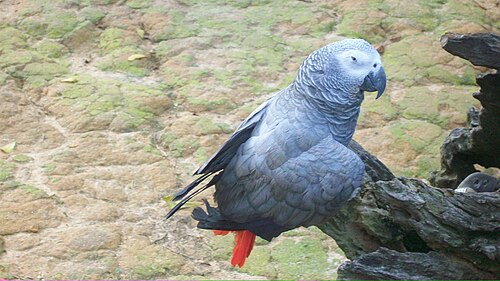
Why did African greys move to CITES Appendix I in 2017?
Wild capture for pets plus forest loss cut Psittacus erithacus. Appendix I ended most commercial international trade in wild greys.
What is the kakapo recovery model?
Every Strigops is named and managed on predator-free New Zealand islands. Supplementary feeding and nest cameras make it closer to intensive care than to a hands-off reserve.
Are London’s ring-necked parakeets a conservation win?
They are an introduced boom, not a restored native. Cavity competition with starlings and bats is the local argument.
Why do so many macaws remain threatened?
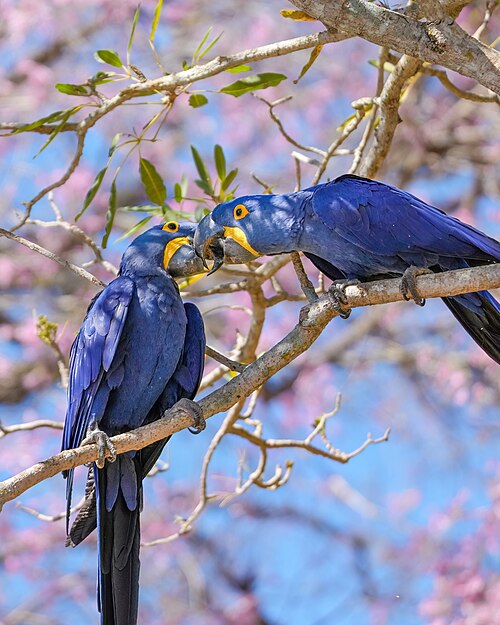
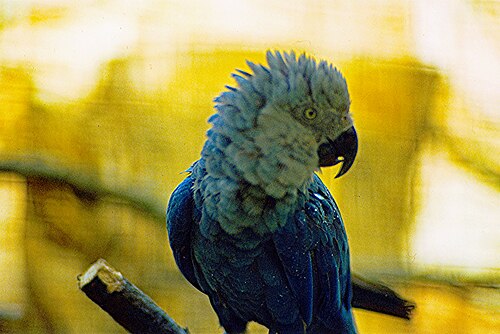
Cavity trees come down with forest. The pet trade added a second cut. Spix’s macaw went extinct in the wild before a 2019–20s reintroduction attempt in Bahia.
Do parrots “talk” in the wild?
They learn contact calls in flocks. Human-word mimicry is the lab and living-room version of a general vocal-learning kit shared with songbirds and hummingbirds.
What did the World Parrot Trust change?
Since 1989 it funded trade research, in-situ projects and the journal PsittaScene — a counterweight to avicultural magazines.
Is a hooked bill only for cracking?
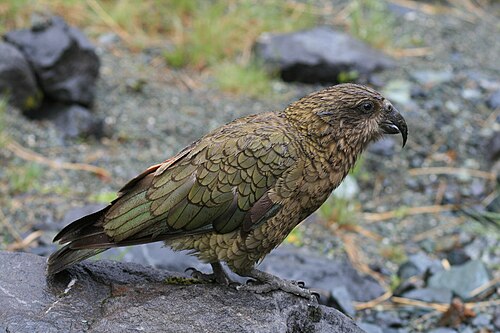
Kea pry, lories brush nectar, and hyacinth macaws crack palm nuts. The bill is a Swiss-army kinetic tool, not a single nutcracker.
Rolle, kein Sieger
Naturschutzlesen. Kein Live-Abruf der IUCN.
Dieses Ranking einbetten
Fügen Sie diesen Code in Ihr Blog oder Ihre Website ein — das Ranking bleibt aktuell.
Kopiert!
Ähnliche Arten
Nächste Nachbarn auf den sechs Achsen — Tempo, Intelligenz, Areal, Resilienz, Kultur und ökologische Rolle.