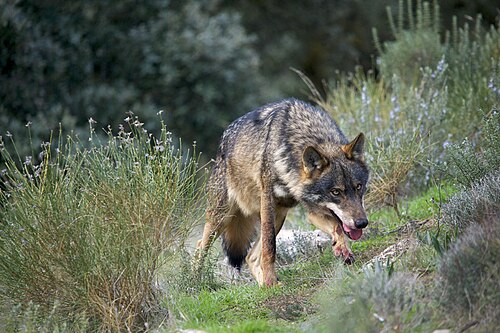
Grauwolf ist eine der 24 Arten in diesem Atlas. Kein Katalog: Evolution, Anatomie, Verhalten, Kultur, Ikonen, Schutz und Areal sind ein System.
Scores vergleichen Tempo, Intelligenz, Areal, Resilienz, kulturellen Einfluss und ökologische Rolle. Redaktionelle Relativwerte, kein Laborranking.
Sieben Kapitel graben nach: Ursprünge, Körper und Sinne, Leben und Verhalten, Kultur, Ikonen, Schutzdruck und das mit Menschen geteilte Areal.
Tiefe Einführung
Tiefgang: Grauwolf
Grauwolf ist kein Postkarten-Tier. Es ist ein Satz von Populationen, Unterarten und menschlichen Regeln in der Familie Wildtiere dieses Atlas.
Vielfalt, Körper, Kultur und Areale — plus eine Linse für diese Sprachregion.
Vielfalt im Typ
Feldführer falten viele Linien in das Wort Grauwolf. Unterarten, Zugwege und Haltungslinien teilen nicht ein Schicksal.
Dieser Atlas wählt einen Wikipedia-Titel als Heldenbild und lässt den Rest der Stufe sichtbar, damit ein erholter Bestand keine vom Aussterben bedrohte Cousine wäscht.
Life in the landscape
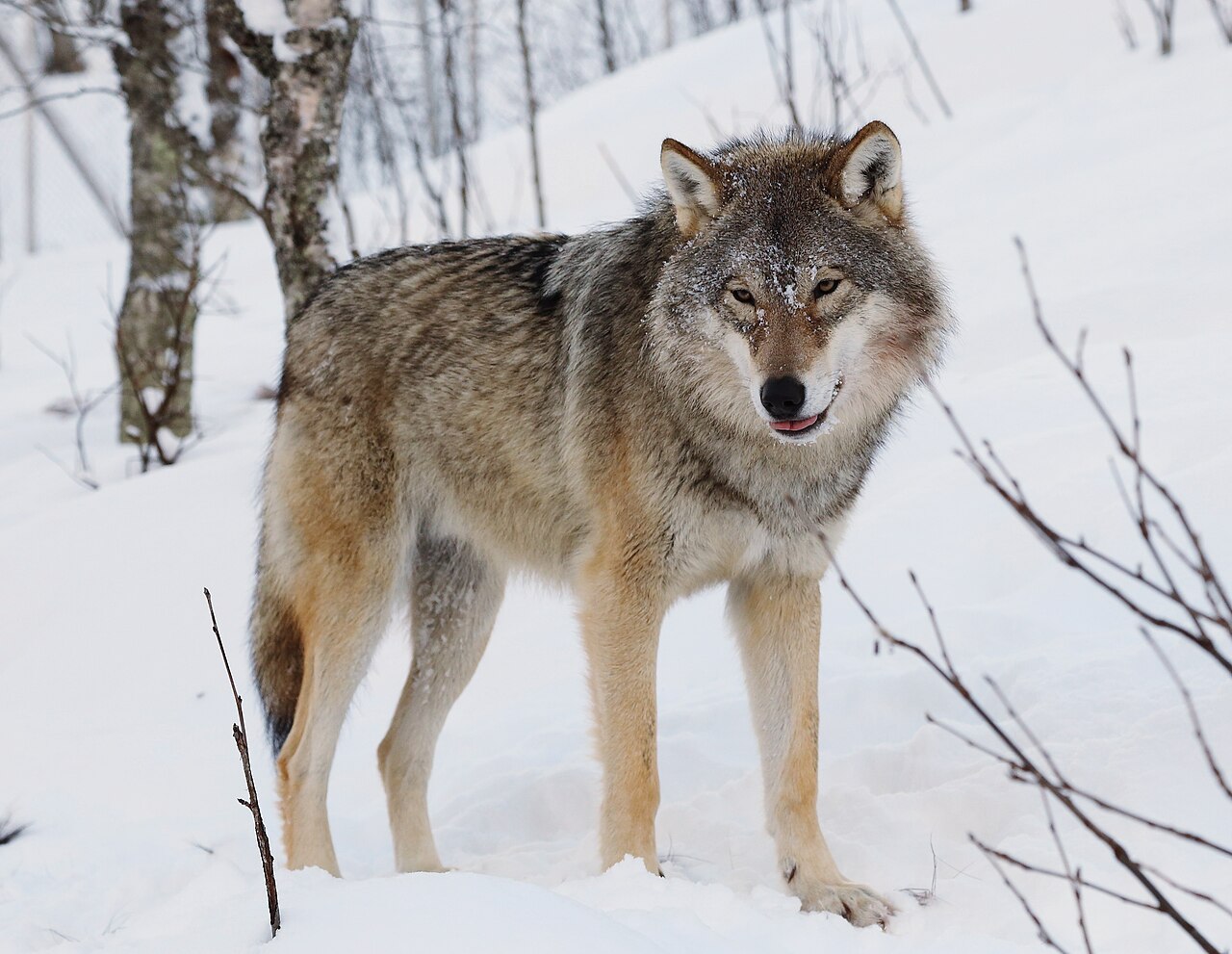
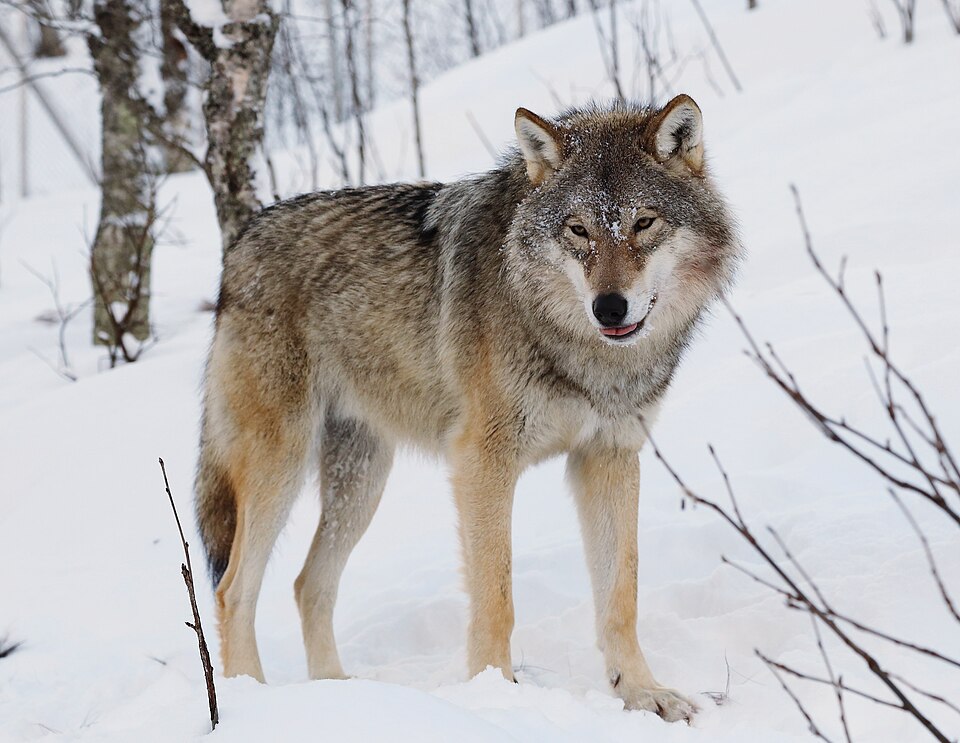
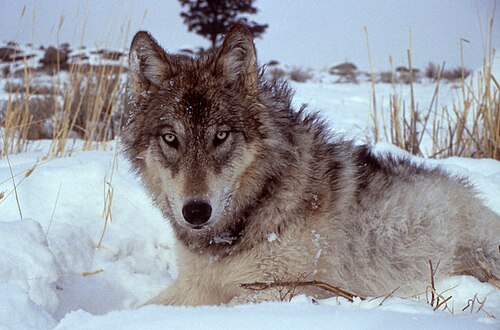
A long-legged canid with a sagittal crest for temporalis muscle and a dentition for both flesh and bone. Packs are families more often than Hollywood armies.
Endurance chase and ambush on ungulates; winter moose or elk, summer more deer and beaver. Scavenge is ordinary.
Kultur und Bedeutung
Film, Recht, Heraldik, Zoos und lokale Geschichte trafen Grauwolf. Diese Bilder bewegen Geld; sie sind keine Feldzählung.
Das Kulturkapitel datiert Plakate und Gesetze, damit ein Film von 1975 oder ein Logo von 1961 nicht als Rote Liste der 2020er auftreten.
Conservation and money
Least Concern globally after recoveries in parts of Europe and North America; Mexican and some regional wolves remain separately endangered.
Tourism, conflict payments, quotas and captive loans are dated economic bands in the market chapter -- not live prices and not a best-species prize.
Lebenswissenschaftlicher Tiefgang
Biologie im Tiefgang: Grauwolf
Die Biologie von Grauwolf stapelt Struktur, Energie, Sinne und harte Grenzen. Die vier Abschnitte nutzen dieselben Atlas-Überschriften, damit Typen ohne Best-Species-Rahmen vergleichbar bleiben.
Anatomie, Sinne, Verhalten und Grenzen — plus Feldsprach dieser Region.
Structure
A long-legged canid with a sagittal crest for temporalis muscle and a dentition for both flesh and bone. Packs are families more often than Hollywood armies.
Load paths and tissues (not metals) are expanded in the anatomy chapter.
Energy and foraging
Endurance chase and ambush on ungulates; winter moose or elk, summer more deer and beaver. Scavenge is ordinary.
The how-it-works diagrams reduce that budget to a six-node loop.
Senses and control
Smell and a howl that spaces packs. Night hunts use hearing as much as the postcard stare.
Control here means the animal steering itself -- not a vehicle ECU.
Limits
Lead, poison, and a ballot. LC globally does not retire a rancher or a Mexican-wolf recovery plan.
Resilience scores encode those limits relative to the other 23 types.
Four other atlas types, six terms, three threads and three local notes -- a map out of the Grauwolf page without leaving the 24-id taxonomy.
Siehe-auch-Arten, Begriffe, Nachbarfäden und Regionalnoten für diese Sprache.
Siehe auch
🐅TigerAnother predator whose recovery is national and method-dependent.
🦁LöweSocial hunter -- pride versus pack, VU versus global LC.
🦅AdlerRecovered North American emblem (bald eagle) on a different clade.
🐟LachsYellowstone-to-river nutrient stories sometimes over-claim; salmon are the clearer ocean-to-forest pump.
Schlüsselbegriffe
Yellowstone 1995
Reintroduction of Canadian wolves -- the most cited predator-return experiment.
Trophic cascade
Elk-willow-beaver story; later papers added nuance and climate.
Leopold
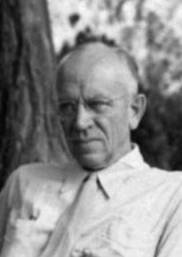
Thinking Like a Mountain (1949) -- the wolf as an ethics turn.
Lobo
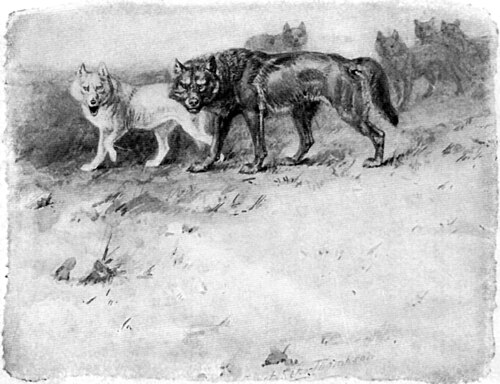
Ernest Thompson Seton 1890s New Mexico -- King of Currumpaw as a guilt story.
Mexican wolf
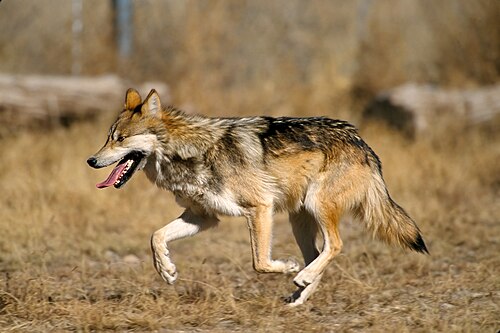
C. l. baileyi -- captive-bred releases in the Southwest, still a few hundred.
Isle Royale
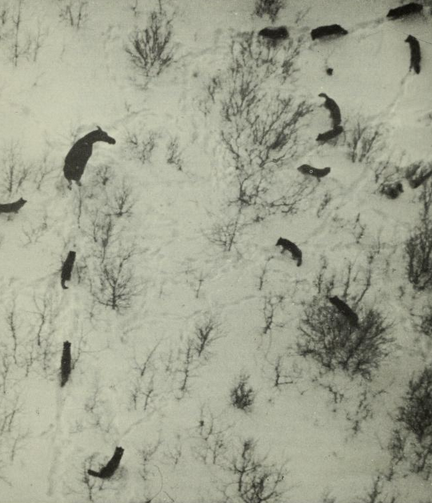
Wolf-moose study since 1958 -- the longest predator-prey project.
Habitat and movement
Where the Grauwolf breeds and feeds is the first constraint. Single lakes, islands and forests appear again in the history timeline.
Range scores in this atlas mark how widely that movement runs -- albatross and blue whale high, koi and panda low -- not a quality ranking.
Research and law
Named projects (Project Tiger, ACAP, ICCAT, Amboseli) are the English-language bureaucracy of the type.
Listings and downlists are dated events in the timeline, not eternal essences.
Culture and price
Film, auction and logo years are filed under culture and market so they cannot masquerade as demography.
The icons chapter keeps eight real Wikipedia titles so a later language pack can attach the same faces.
Visuelle Feldnotizen
Lizenzierte Fotos dieser Art — Helden, Epochen und Ikonen an einer Wand.
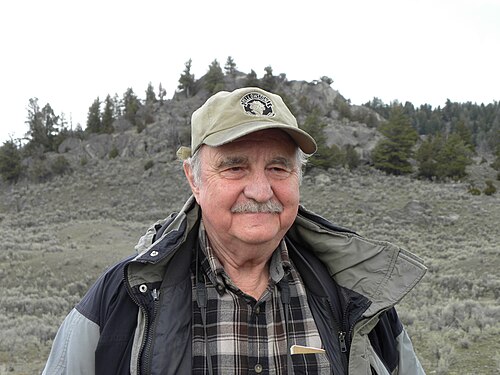
User:Mas3cfUser:Mas3cfDoug SmithHoward ZahniserIllustrated by the author, Ernest Seton ThompsonClark, Jim (U.S. Fish and Wildlife Service)ShakataGaNaiL. David MechArturo de Frias MarquesL. David Mech
Das Profil
Tempo66
Intelligenz83
Areal75
Resilienz62
Kultureller Einfluss85
Ökologische Rolle94
Anatomie gegen Verhalten heften
Wählen Sie ein Anatomiesystem und eine Betriebsfakt, die schon auf dieser Artseite stehen. Ein Lesepaar — kein Siegerbrett.
Lesehilfe in diesem Atlas. Feldbiologie und örtliches Recht entscheiden jede echte Begegnung. Kein Live-Feed.
Global LC hides Mexican wolves, some European growing pains, and US delisting fights. Resilience here is mid-high because many Holarctic populations rebounded -- not because conflict ended.
What happened in Yellowstone in 1995?
Fourteen wolves from Canada were released (more in 1996). Elk behaviour and riparian vegetation became a long argument, not a cartoon instant forest.
Is the trophic cascade settled?
Early popular accounts over-simplified. Later work kept wolves important and added drought, human hunting, and beaver. The cascade is a research programme, not a poster.
Who was Aldo Leopold here?
A forester who had killed wolves and later wrote the mountain-as-ethics essay (1949). The US environmental canon still starts many wolf talks there.
What is Isle Royale?
A closed wolf-moose system studied since 1958. Inbreeding and later genetic rescue (2018-) made it a lab of isolation.
Are wolves more intelligent than big cats in this atlas?
Pack coordination and canine social cognition sit high. Gorillas and elephants still outrank them. Scores are relative, not IQ certificates.
Did Europe recover wolves too?
Yes in parts of Germany, France, Spain and Italy after legal protection. Livestock compensation is the daily politics, not a Yellowstone clone.
What about the Three Little Pigs?
Folklore is a cultural-impact input. It is not a diet study.
Rolle, kein Sieger
Naturschutzlesen. Kein Live-Abruf der IUCN.
Dieses Ranking einbetten
Fügen Sie diesen Code in Ihr Blog oder Ihre Website ein — das Ranking bleibt aktuell.
Kopiert!
Ähnliche Arten
Nächste Nachbarn auf den sechs Achsen — Tempo, Intelligenz, Areal, Resilienz, Kultur und ökologische Rolle.