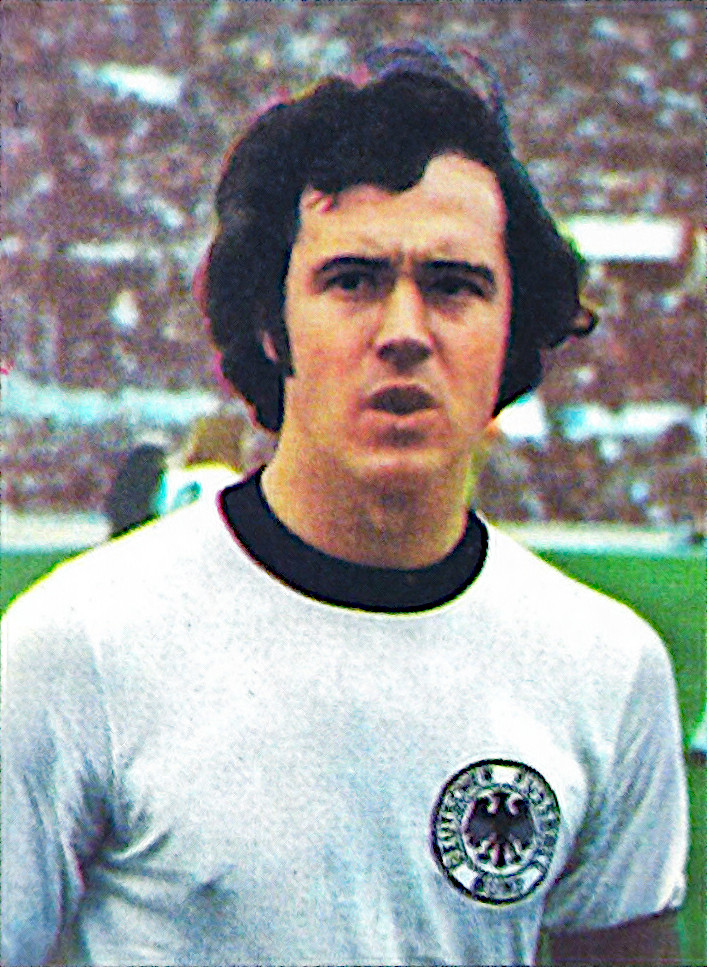
Franz Beckenbauer
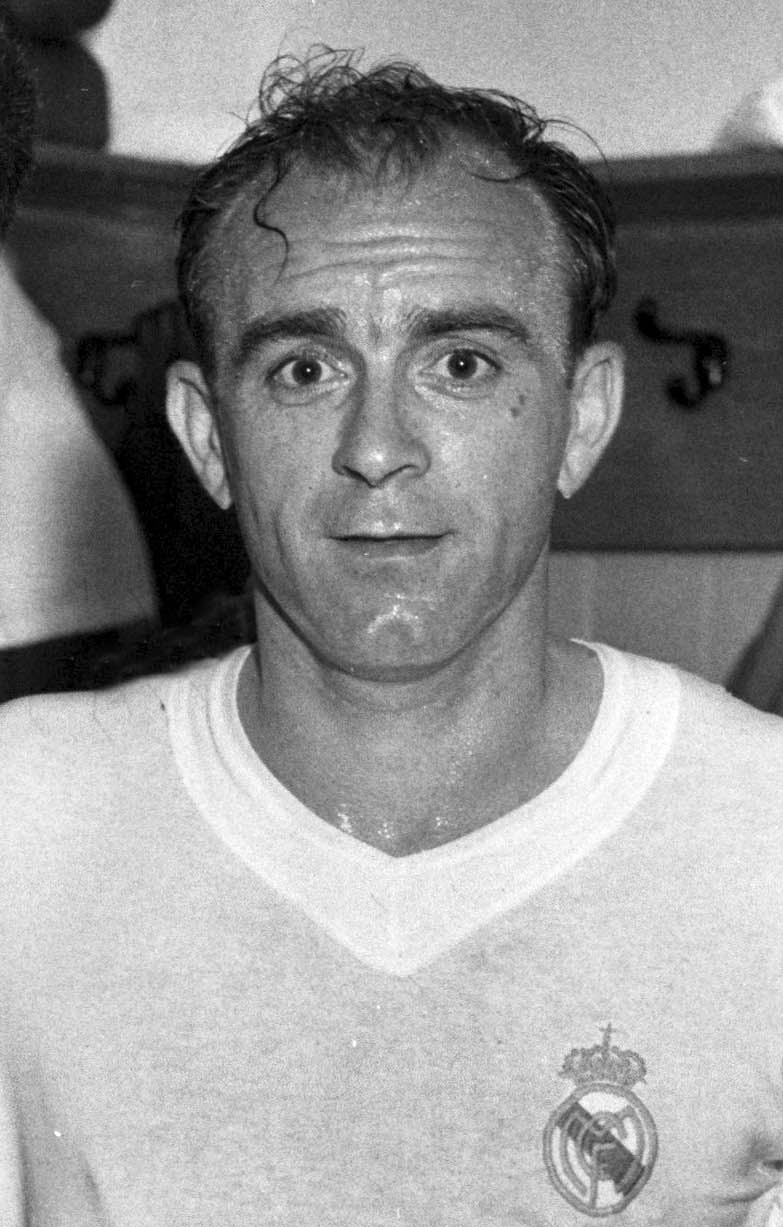
Alfredo Di Stéfano
Stat by stat
Bars are scaled to the leader in this list.
The verdict
Alfredo Di Stéfano leads 1 of 2 categories. Our all-time ranking places Franz Beckenbauer at #6 and Alfredo Di Stéfano at #8.
Head-to-head FAQ
Who leads more shared metrics?
How do the published ranks compare?
Are these live stats?
The case for Franz Beckenbauer
The greatest defender ever, ranked here because he invented the position he mastered. Beckenbauer took the sweeper role — until then a purely destructive job — and turned it into the attacking libero, striding out of defence to become an extra midfielder, a concept that echoes in every modern ball-playing center-back and every full-back inverting into midfield. The honors are staggering: European champion with West Germany in 1972 (a side often rated the best European international team of its era), World Cup-winning captain in 1974, three consecutive European Cups with Bayern Munich from 1974 to 1976, and the only defender with two Ballons d'Or (1972, 1976). He then managed West Germany to the 1990 World Cup, joining Mário Zagallo (and later Didier Deschamps) in the tiny club of men who won it as player and coach. Over 103 caps he combined elegance with ruthless game-management; his duel with Cruyff in the 1974 final — pragmatism against poetry, 2-1 — remains the sport's great philosophical argument in ninety minutes.
The case for Alfredo Di Stéfano
The engine of the greatest dynasty in club history. Real Madrid won the first five European Cups, 1956 through 1960, and Di Stéfano scored in all five finals — seven goals in total, including a hat-trick in the 7-3 demolition of Eintracht Frankfurt at Hampden Park that many older critics still call the finest club performance ever staged. He was the total footballer before the term existed: nominally a center-forward, he defended, built play from deep, dictated tempo and finished, prefiguring Cruyff by fifteen years. His Madrid totals — 308 goals in 396 matches, eight league titles — came alongside two Ballons d'Or (1957, 1959), and in 1989 France Football awarded him its only Super Ballon d'Or as the outstanding winner of the award's first three decades. The gap in his record is circumstantial: caught between Argentine, Colombian and Spanish federations amid transfer disputes, he never played a World Cup match. Judged by what he controlled — every club competition of his era — he bows to no one.