At a glance
Constraint-induced movement therapy is a rehabilitation approach that involves restricting use of the less-affected limb to encourage increased use and relearning in the more affected limb, applied in appropriate candidates.
Weigh it for yourself
Mark each measure High, Any or Low for what you want. The fit number moves with every mark, and your marks follow you to the next page in this app.
| Measure | Post-Stroke | Shoulder | You want |
|---|---|---|---|
| Pain frequency | |||
| Recovery length | |||
| Exercise load | |||
| Clinician need | |||
| Self-care fit | |||
| Recurrence risk |
Mark at least one measure to see a fit number.
Scores are the atlas’s 0–100 teaching marks for each topic. They are not a diagnosis, a dose or a treatment choice.
Reading checklist
Tick a point once you could explain it in your own words. Ticks stay on this device.
0 of 4 points done
All points done. Next: Open the topic: Post-Stroke
Post-Stroke · How much recovery is possible after a stroke?
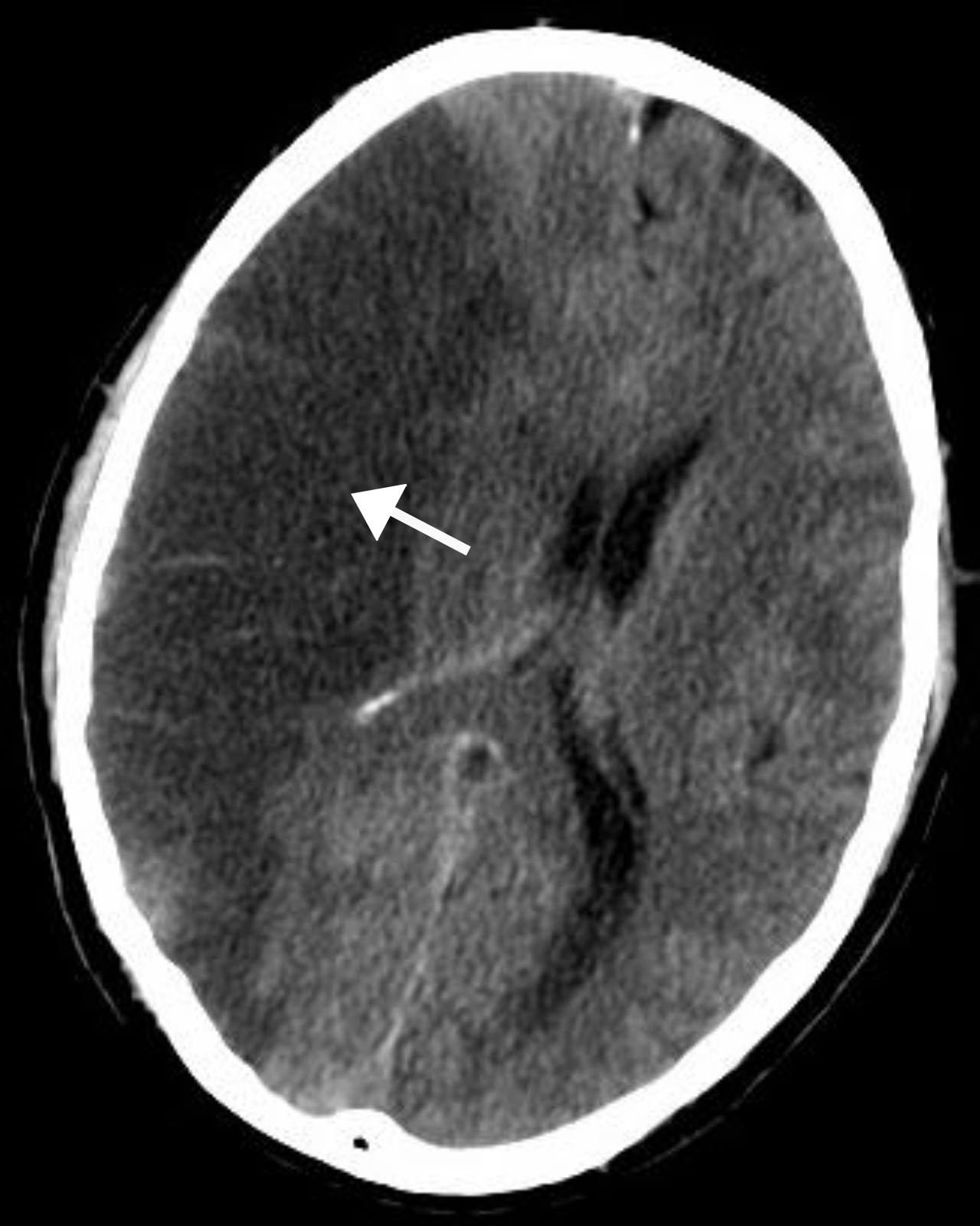
The degree of recovery varies widely depending on stroke severity, location, and how quickly rehabilitation begins, with many people making significant functional gains, though some degree of lasting impairment is common, particularly after more severe strokes.
Post-Stroke · What is constraint-induced movement therapy?
Constraint-induced movement therapy is a rehabilitation approach that involves restricting use of the less-affected limb to encourage increased use and relearning in the more affected limb, applied in appropriate candidates.
Post-Stroke · Can stroke affect speech and cognition, not just movement?
Yes — depending on the affected brain area, stroke can impact speech and language (aphasia), swallowing, memory, attention, and other cognitive functions alongside or instead of physical movement changes.
Post-Stroke · The physical effects of a stroke depend heavily on which brain r
The physical effects of a stroke depend heavily on which brain region and blood vessel territory were affected, since different areas of the brain control different combinations of movement, sensation, vision, speech, and cognition.
This is education from the atlas. It does not diagnose and does not prescribe a dose. It does not replace the full topic page.
What is the next question after this?
Yes — depending on the affected brain area, stroke can impact speech and language (aphasia), swallowing, memory, attention, and other cognitive functions alongside or instead of physical movement changes.
Does this page rank people or nations?
This is education from the atlas. It does not diagnose and does not prescribe a dose. It does not replace the full topic page.
Where is the longer entry?
The physical effects of a stroke depend heavily on which brain region and blood vessel territory were affected, since different areas of the brain control different combinations of movement, sensation, vision, speech, and cognition.