At a glance
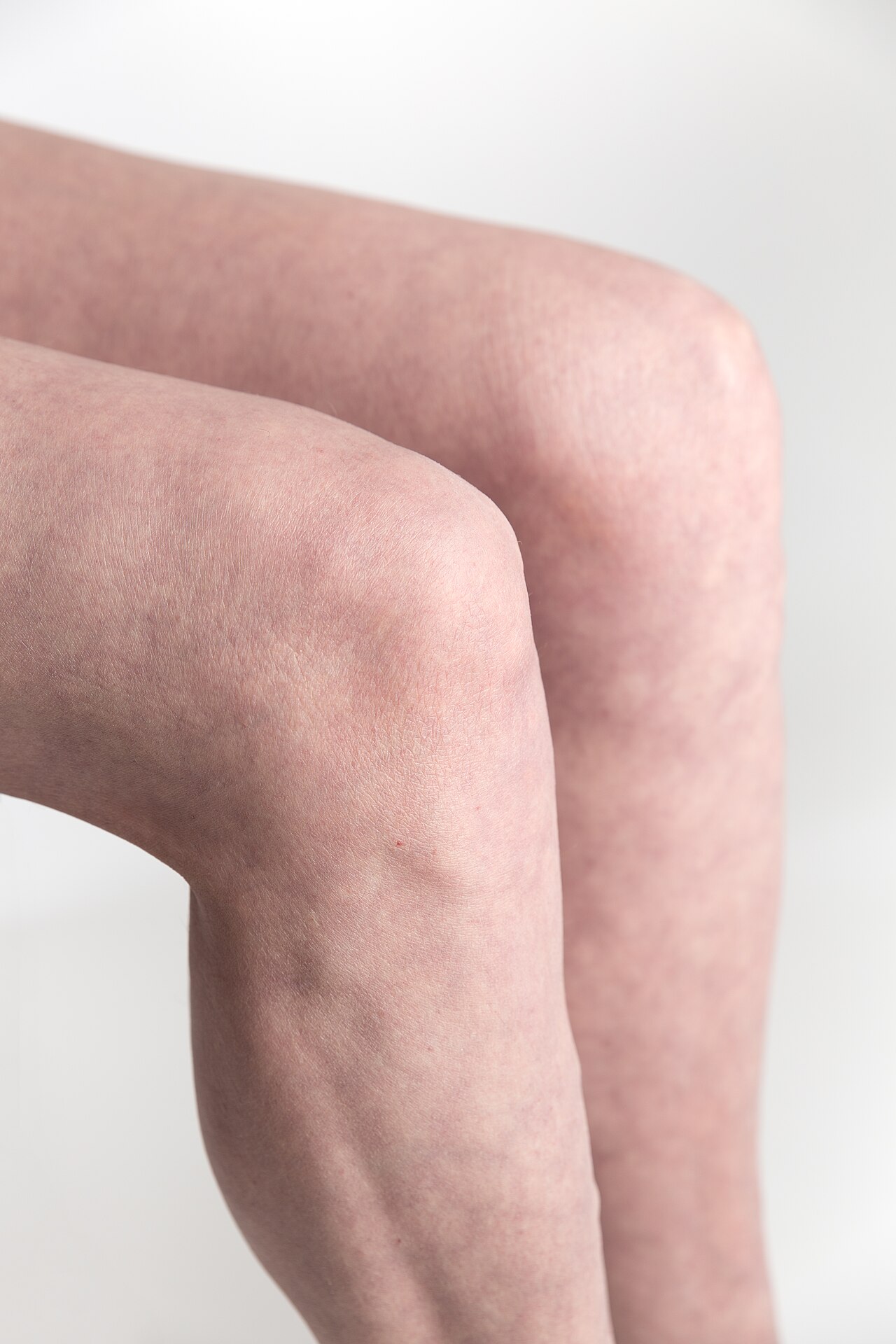
Iliotibial band syndrome describes pain at the outer knee related to irritation where the iliotibial band crosses the outside of the joint, common in runners and cyclists during periods of increased training load. Reduced quadriceps strength is commonly associated with several knee conditions, since this muscle group plays a central role in absorbing load and controlling the kneecap's position during movement.
Weigh it for yourself
Mark each measure High, Any or Low for what you want. The fit number moves with every mark, and your marks follow you to the next page in this app.
| Measure | Knee | Lower Back | You want |
|---|---|---|---|
| Pain frequency | |||
| Recovery length | |||
| Exercise load | |||
| Clinician need | |||
| Self-care fit | |||
| Recurrence risk |
Mark at least one measure to see a fit number.
Scores are the atlas’s 0–100 teaching marks for each topic. They are not a diagnosis, a dose or a treatment choice.
Reading checklist
Tick a point once you could explain it in your own words. Ticks stay on this device.
0 of 4 points done
All points done. Next: Open the topic: Knee
Knee · Is running bad for the knees?
Current evidence generally does not support the idea that recreational running increases the risk of knee osteoarthritis, and moderate running is often considered compatible with long-term joint health for most people.
Knee · What is IT band syndrome?
Iliotibial band syndrome describes pain at the outer knee related to irritation where the iliotibial band crosses the outside of the joint, common in runners and cyclists during periods of increased training load. Reduced quadriceps strength is commonly associated with several knee conditions, since this muscle group plays a central role in absorbing load and controlling the kneecap's position during movement.
Knee · The knee joint combines two articulations: the tibiofemoral join
The knee joint combines two articulations: the tibiofemoral joint between the thigh and shin bones, which primarily allows bending and straightening, and the patellofemoral joint between the kneecap and thigh bone, which assists the quadriceps in extending the leg.
Knee · closing 1
This reliance on ligaments and cartilage rather than bony shape for stability explains why the knee is prone to both acute traumatic injuries during sport and gradual, cumulative wear over decades of use. Two C-shaped cartilage pads between the thigh and shin bones cushion load and improve the fit between the joint surfaces, and can tear from twisting injuries or gradual degeneration.
This is education from the atlas. It does not diagnose and does not prescribe a dose. It does not replace the full topic page.
What is the next question after this?
The knee joint combines two articulations: the tibiofemoral joint between the thigh and shin bones, which primarily allows bending and straightening, and the patellofemoral joint between the kneecap and thigh bone, which assists the quadriceps in extending the leg.
Does this page rank people or nations?
This is education from the atlas. It does not diagnose and does not prescribe a dose. It does not replace the full topic page.
Where is the longer entry?
This reliance on ligaments and cartilage rather than bony shape for stability explains why the knee is prone to both acute traumatic injuries during sport and gradual, cumulative wear over decades of use. Two C-shaped cartilage pads between the thigh and shin bones cushion load and improve the fit between the joint surfaces, and can tear from twisting injuries or gradual degeneration.