At a glance
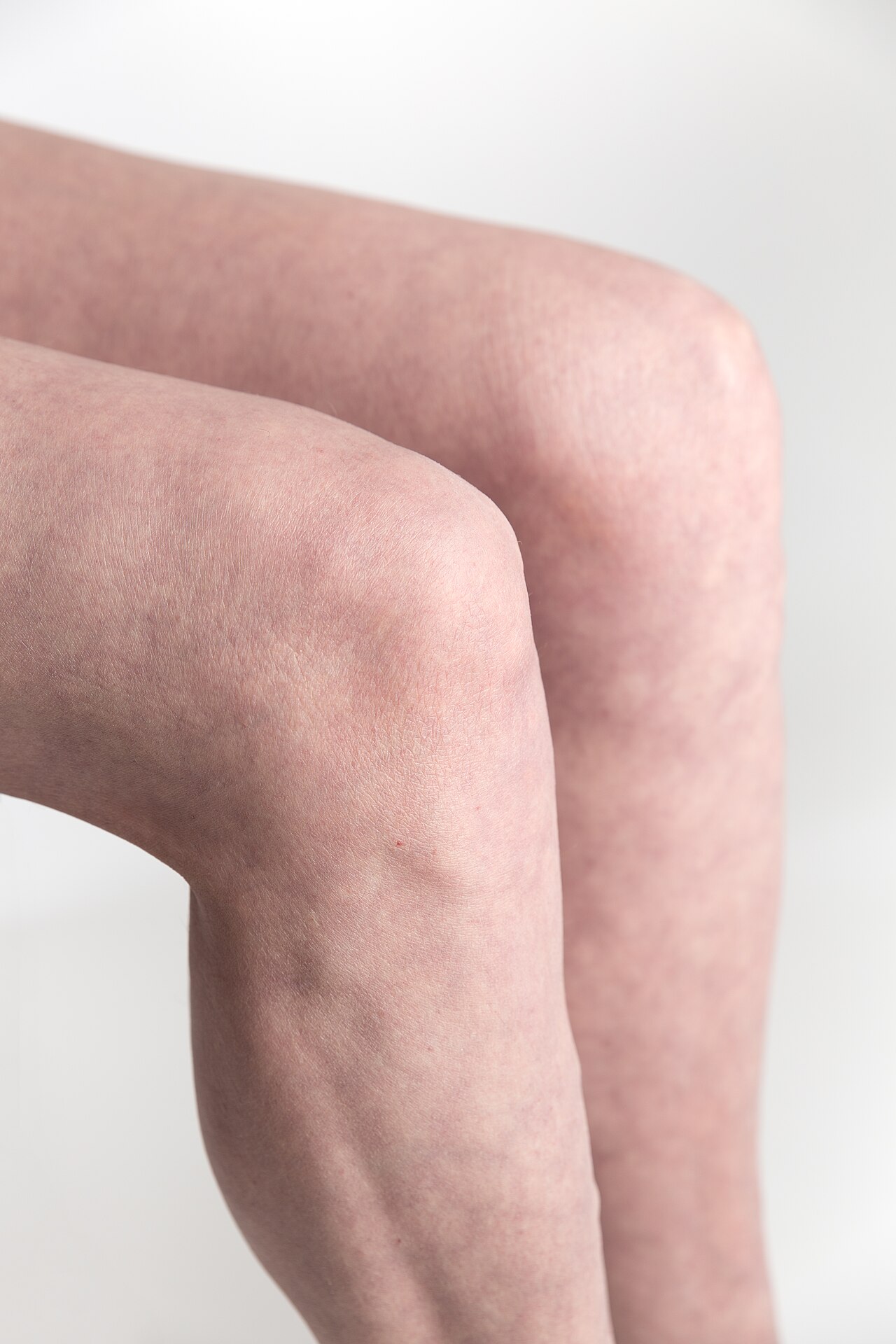
Because the knee bears substantial load during walking, running, jumping, and pivoting, it is among the most frequently injured joints in sport and one of the most common sites of age-related osteoarthritis. Conditions range from overuse-related tendon and cartilage irritation to acute ligament and meniscus injuries.
Weigh it for yourself
Mark each measure High, Any or Low for what you want. The fit number moves with every mark, and your marks follow you to the next page in this app.
| Measure | Knee | Lower Back | You want |
|---|---|---|---|
| Pain frequency | |||
| Recovery length | |||
| Exercise load | |||
| Clinician need | |||
| Self-care fit | |||
| Recurrence risk |
Mark at least one measure to see a fit number.
Scores are the atlas’s 0–100 teaching marks for each topic. They are not a diagnosis, a dose or a treatment choice.
Reading checklist
Tick a point once you could explain it in your own words. Ticks stay on this device.
0 of 4 points done
All points done. Next: Open the topic: Knee
Knee · tagline
The knee is the body's largest joint and one of its most frequently injured, relying on ligaments and surrounding muscles rather than bony shape for stability. The knee is the largest and one of the most heavily loaded joints in the body, connecting the thigh bone to the shin bone while the kneecap glides in a groove at the front to assist with leg extension.
Knee · Because the knee bears substantial load during walking, running,
Because the knee bears substantial load during walking, running, jumping, and pivoting, it is among the most frequently injured joints in sport and one of the most common sites of age-related osteoarthritis. Conditions range from overuse-related tendon and cartilage irritation to acute ligament and meniscus injuries.
Knee · This page reviews the knee's anatomy, common conditions across a
This page reviews the knee's anatomy, common conditions across age groups and activity levels, how clinicians assess it, and general exercise and recovery patterns used in both non-surgical and post-surgical rehabilitation.
Knee · What is the difference between the meniscus and the ACL?
The menisci are C-shaped cartilage cushions that absorb shock between the thigh and shin bones, while the anterior cruciate ligament (ACL) is one of several ligaments that control the knee's stability during rotation and forward sliding of the shin bone.
This is education from the atlas. It does not diagnose and does not prescribe a dose. It does not replace the full topic page.
What is the next question after this?
This page reviews the knee's anatomy, common conditions across age groups and activity levels, how clinicians assess it, and general exercise and recovery patterns used in both non-surgical and post-surgical rehabilitation.
Does this page rank people or nations?
This is education from the atlas. It does not diagnose and does not prescribe a dose. It does not replace the full topic page.
Where is the longer entry?
The menisci are C-shaped cartilage cushions that absorb shock between the thigh and shin bones, while the anterior cruciate ligament (ACL) is one of several ligaments that control the knee's stability during rotation and forward sliding of the shin bone.