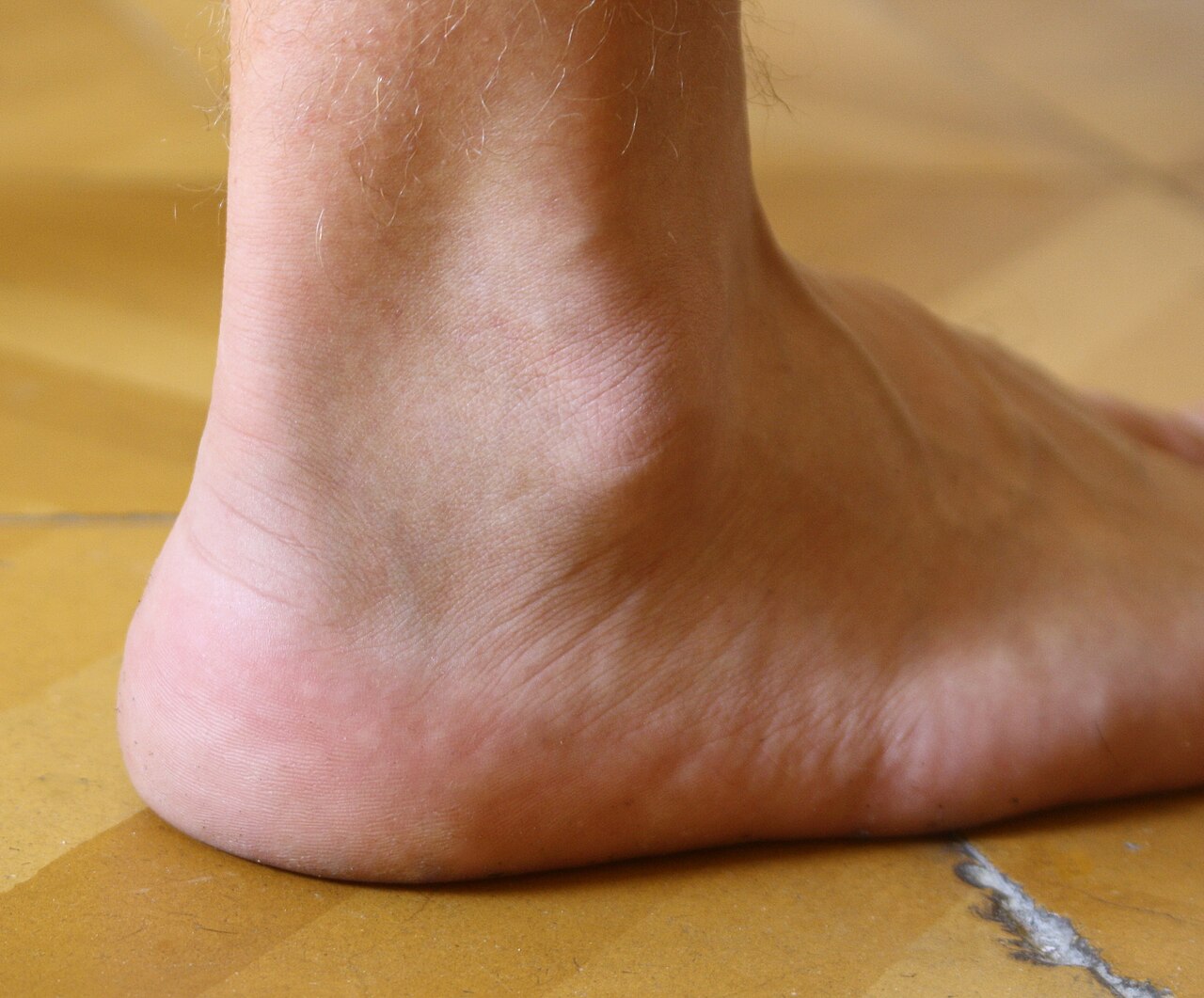
At a glance
This group of ligaments, most notably the anterior talofibular ligament, resists excessive inward rolling of the foot and is the structure most often injured in a typical ankle sprain. This strong ligament on the inner ankle resists excessive outward rolling of the foot and is injured less frequently than the lateral ligaments, though such injuries can be more significant when they occur.
Weigh it for yourself
Mark each measure High, Any or Low for what you want. The fit number moves with every mark, and your marks follow you to the next page in this app.
| Measure | Ankle & Foot | Balance | You want |
|---|---|---|---|
| Pain frequency | |||
| Recovery length | |||
| Exercise load | |||
| Clinician need | |||
| Self-care fit | |||
| Recurrence risk |
Mark at least one measure to see a fit number.
Scores are the atlas’s 0–100 teaching marks for each topic. They are not a diagnosis, a dose or a treatment choice.
Reading checklist
Tick a point once you could explain it in your own words. Ticks stay on this device.
0 of 4 points done
All points done. Next: Open the topic: Ankle & Foot
Ankle & Foot · Ankle plantarflexion, pointing the toes downward, represents the
Ankle plantarflexion, pointing the toes downward, represents the joint's largest single motion, complemented by roughly 15–20° of dorsiflexion and additional inversion and eversion at the subtalar joint below. This joint between the shin bones and the talus allows dorsiflexion and plantarflexion, the ankle's largest range of motion, essential for walking, running, and absorbing impact.
Ankle & Foot · Lateral ligament complex
This group of ligaments, most notably the anterior talofibular ligament, resists excessive inward rolling of the foot and is the structure most often injured in a typical ankle sprain. This strong ligament on the inner ankle resists excessive outward rolling of the foot and is injured less frequently than the lateral ligaments, though such injuries can be more significant when they occur.
Ankle & Foot · Achilles tendon
The body's largest tendon connects the calf muscles to the heel bone and is essential for propulsion during walking, running, and jumping, making it a common site of overuse injury. Located just below the ankle joint, this joint allows the foot to tilt side to side, which is important for adapting to uneven ground and is involved in the mechanism of most ankle sprains.
Ankle & Foot · Ankle and foot conditions include acute ligament sprains, chroni
Ankle and foot conditions include acute ligament sprains, chronic instability following inadequate recovery, and a range of overuse conditions affecting the Achilles tendon and plantar fascia. Sprains dominate acute presentations, particularly in sport, while overuse conditions become more prominent among runners and people with high levels of standing or walking activity.
This is education from the atlas. It does not diagnose and does not prescribe a dose. It does not replace the full topic page.
What is the next question after this?
The body's largest tendon connects the calf muscles to the heel bone and is essential for propulsion during walking, running, and jumping, making it a common site of overuse injury. Located just below the ankle joint, this joint allows the foot to tilt side to side, which is important for adapting to uneven ground and is involved in the mechanism of most ankle sprains.
Does this page rank people or nations?
This is education from the atlas. It does not diagnose and does not prescribe a dose. It does not replace the full topic page.
Where is the longer entry?
Ankle and foot conditions include acute ligament sprains, chronic instability following inadequate recovery, and a range of overuse conditions affecting the Achilles tendon and plantar fascia. Sprains dominate acute presentations, particularly in sport, while overuse conditions become more prominent among runners and people with high levels of standing or walking activity.