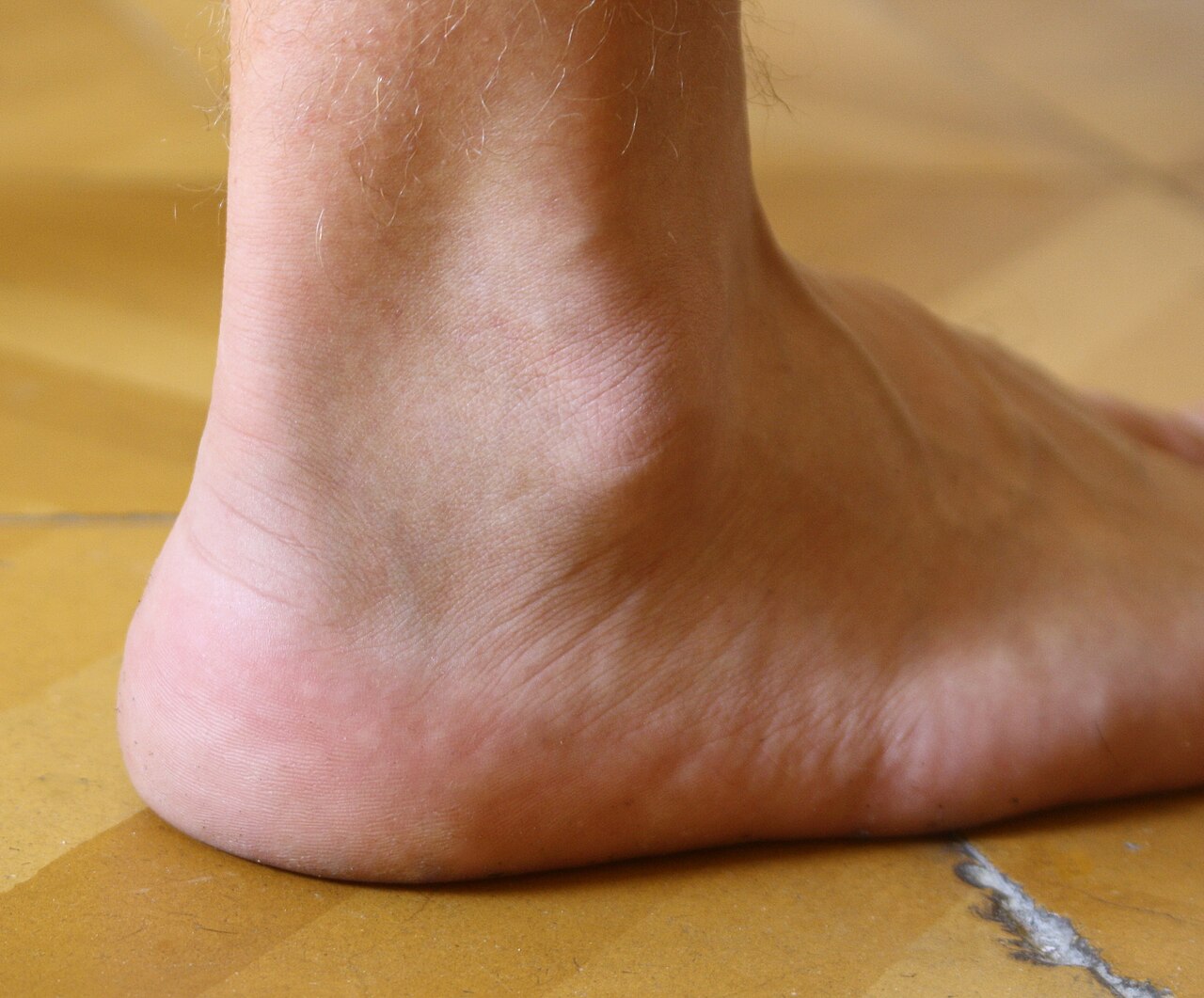
At a glance
These general precautions reflect common patterns in ankle and foot rehabilitation and are not a substitute for individualized guidance, particularly for suspected fracture or tendon rupture. Extended use of a rigid boot or complete avoidance of movement beyond the first few days is generally discouraged, since early protected motion tends to support better outcomes than prolonged immobilization.
Weigh it for yourself
Mark each measure High, Any or Low for what you want. The fit number moves with every mark, and your marks follow you to the next page in this app.
| Measure | Ankle & Foot | Balance | You want |
|---|---|---|---|
| Pain frequency | |||
| Recovery length | |||
| Exercise load | |||
| Clinician need | |||
| Self-care fit | |||
| Recurrence risk |
Mark at least one measure to see a fit number.
Scores are the atlas’s 0–100 teaching marks for each topic. They are not a diagnosis, a dose or a treatment choice.
Reading checklist
Tick a point once you could explain it in your own words. Ticks stay on this device.
0 of 4 points done
All points done. Next: Open the topic: Ankle & Foot
Ankle & Foot · Progressive calf and foot strengthening rounds out most programs
Progressive calf and foot strengthening rounds out most programs, since adequate strength in these muscles supports both shock absorption and propulsion during walking, running, and sport. Balance and proprioceptive exercises are typically continued well beyond the point of symptom resolution, given strong evidence that ongoing balance training reduces the risk of repeat ankle sprains.
Ankle & Foot · closing 1
These general precautions reflect common patterns in ankle and foot rehabilitation and are not a substitute for individualized guidance, particularly for suspected fracture or tendon rupture. Extended use of a rigid boot or complete avoidance of movement beyond the first few days is generally discouraged, since early protected motion tends to support better outcomes than prolonged immobilization.
Ankle & Foot · Returning to sport before balance is restored
Resuming cutting or jumping sports before balance and proprioceptive control have been adequately retrained is a well-documented risk factor for repeat sprains. Ankle and foot rehabilitation generally progresses from protecting and calming an acute injury toward restoring balance and strength, and finally toward the higher-impact loading required for sport.
Ankle & Foot · Because ankle sprains are so common and heal at variable rates d
Because ankle sprains are so common and heal at variable rates depending on severity, the pace of this progression is typically adjusted based on symptom response rather than a single fixed timeline. More severe injuries, such as high ankle sprains, Achilles tendon rupture, or stress fractures, typically follow a longer and more protected version of this progression under closer clinical guidance.
This is education from the atlas. It does not diagnose and does not prescribe a dose. It does not replace the full topic page.
What is the next question after this?
Resuming cutting or jumping sports before balance and proprioceptive control have been adequately retrained is a well-documented risk factor for repeat sprains. Ankle and foot rehabilitation generally progresses from protecting and calming an acute injury toward restoring balance and strength, and finally toward the higher-impact loading required for sport.
Does this page rank people or nations?
This is education from the atlas. It does not diagnose and does not prescribe a dose. It does not replace the full topic page.
Where is the longer entry?
Because ankle sprains are so common and heal at variable rates depending on severity, the pace of this progression is typically adjusted based on symptom response rather than a single fixed timeline. More severe injuries, such as high ankle sprains, Achilles tendon rupture, or stress fractures, typically follow a longer and more protected version of this progression under closer clinical guidance.