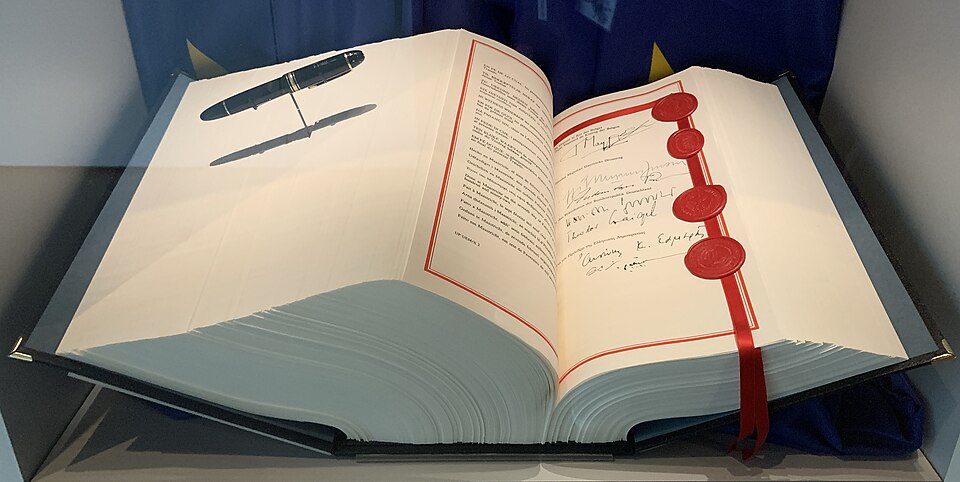
1992–1998
Design phase
Maastricht criteria and EMI preparations.
Euro · The shared currency of the euro area — second only to the dollar in reserves and FX turnover.
Milestones in order. This is history, not a weekly activity grid.
Darker cells mean a higher score for this topic on that metric.
LessMore
Last reviewed Sources & creditsMedia creditsMethodology
Euro (EUR) is issued or defined under European Central Bank. The shared currency of the euro area — second only to the dollar in reserves and FX turnover.
Eurosystem sets monetary policy and oversees the unit; physical production involves National mints.
No. Tool-Lifes /money is a static educational atlas. It explains regimes, history and design without live tickers.
Global importance comes from trade invoicing, reserve holdings, financial contracts and migrant remittances — measured here as relative scores, not prices.
It ranks how heavily central banks and global finance rely on this unit compared with others in the atlas — an editorial 0–100 score.
The Design chapter covers major note and coin types; images come from Wikimedia Commons when a free licence is available.
Euro did not appear fully formed. The euro launched as book money on 1 January 1999 for eleven EU members; euro banknotes and coins followed in 2002.
Later reforms — decimalisation, central-bank charters, pegs and floats — matter as much as the founding date for how the unit behaves now.
The euro launched as book money on 1 January 1999 for eleven EU members; euro banknotes and coins followed in 2002.
Treaty sets the path to monetary union.
Euro becomes the unit for eleven members.
Notes and coins replace national cash.
Bank stress tests euro-area solidarity.
Greece and periphery force rescue architecture.
ECB pledge calms redenomination fears.
SSM centralises supervision of large banks.
Expanded asset purchases fight low inflation.
Emergency purchases shield spreads.
ECB exits negative rates as inflation surges.
Maastricht criteria and EMI preparations.
Quiet early years of monetary union.
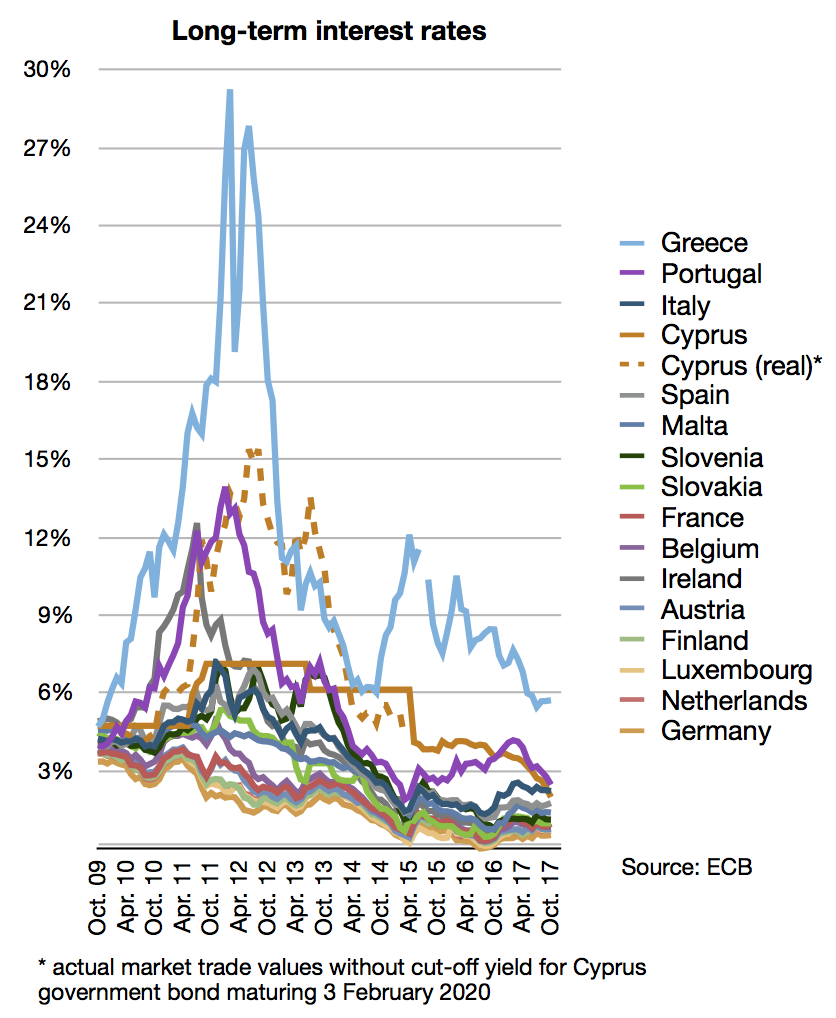
Bank and sovereign crises threaten the euro.
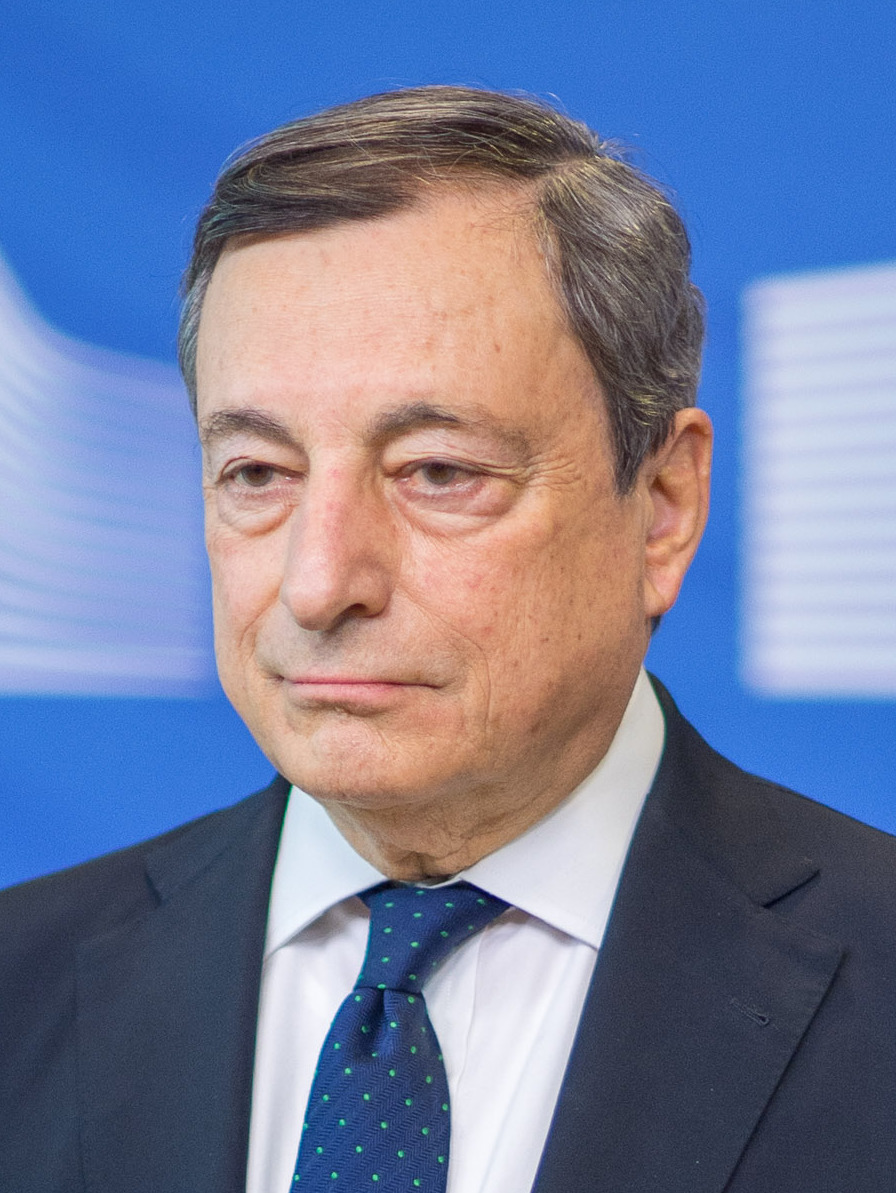
OMT, banking union and QE reshape the toolkit.
Pandemic, energy war and inflation reset policy.
Legal creation or major restatement of Euro as a unit of account.
Eurosystem (or its predecessor) took primary responsibility for note issue and monetary stability.
Peg, basket or float arrangements were redefined as capital flows and inflation targets evolved.
Understanding Euro starts with its legal birth and the crises that forced redesigns of convertibility and trust.
The world's primary reserve and invoicing currency since Bretton Woods unravelled.
Reserve weight 98 💴 JPYAsia's deep funding currency — low rates, vast government-bond market, and a major reserve holding.
Reserve weight 78 💷 GBPOne of the oldest continuously used currencies — still a top FX and reserve currency.
Reserve weight 70 🇨🇭 CHFA safe-haven franc backed by a conservative central bank and a large financial centre.
Reserve weight 55 🇨🇳 CNYChina's currency — rising in trade settlement while capital controls still shape how freely it moves.
Reserve weight 48 🇨🇦 CADA commodity-linked G10 currency with polymer notes and a floating regime since 1970.
Reserve weight 42 🇦🇺 AUDA liquid commodity currency and pioneer of polymer banknotes.
Reserve weight 40