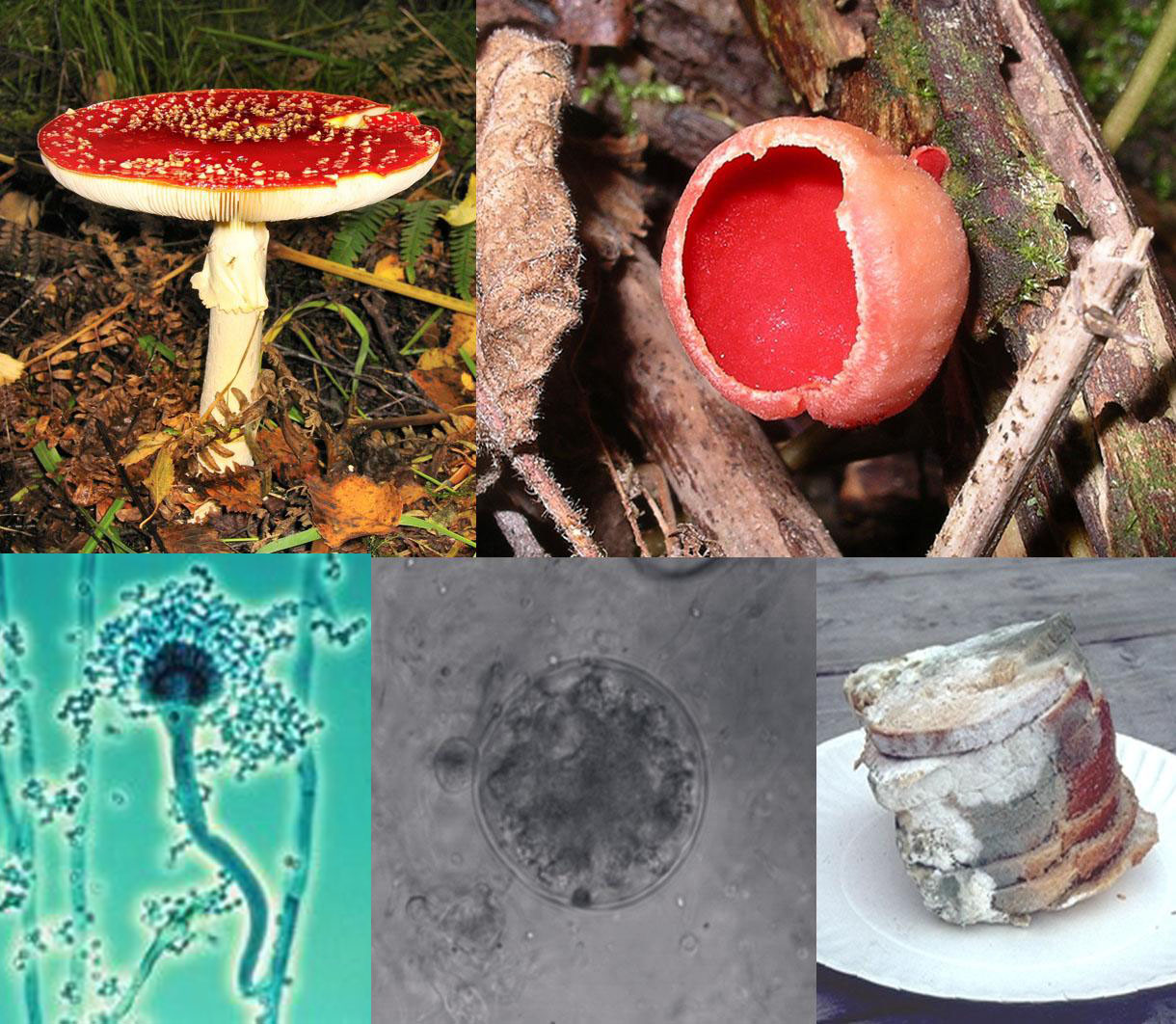
At a glance
Fungi · Invasive aspergillosis and cryptococcal meningitis matter in hosInvasive aspergillosis and cryptococcal meningitis matter in hospitals and in…
Fungi · Skin and mucosal yeastsMalassezia lives on sebum. Candida can bloom after broad antibiotics.…
Fungi · Drug discovery historyPenicillin (noted 1928) and statins from fungi rewired clinics. Soil and…
Fungi · closing 1Once you see fungi as a kingdom, 'mould on bread' becomes one lifestyle among…
Malassezia lives on sebum. Candida can bloom after broad antibiotics. Occupancy is normal; overgrowth is the complaint. Neutropenia, transplants and some HIV stages raise risk. Treatment is specialist medicine, not home remedies.
Fungi · Invasive aspergillosis and cryptococcal meningitis matter in hos
Invasive aspergillosis and cryptococcal meningitis matter in hospitals and in people with damaged immunity. They are not the median mushroom walk. Foraging is culture and risk management: identity first, never 'if animals eat it'. This page does not identify wild mushrooms for the table.
Fungi · Skin and mucosal yeasts
Malassezia lives on sebum. Candida can bloom after broad antibiotics. Occupancy is normal; overgrowth is the complaint. Neutropenia, transplants and some HIV stages raise risk. Treatment is specialist medicine, not home remedies.
Fungi · Drug discovery history
Penicillin (noted 1928) and statins from fungi rewired clinics. Soil and moulds remain chemical libraries. Fungi are neither plants nor animals, though molecular trees place them closer to animals. They digest outside the cell and absorb the soup — osmotrophy — behind a chitin-rich wall.
Fungi · closing 1
Once you see fungi as a kingdom, 'mould on bread' becomes one lifestyle among yeasts, mycorrhizae and human pathogens. Unlike cellulose in plants or peptidoglycan in bacteria. Chitin also appears in arthropod shells — a hint of shared history with animals.
This is education from the atlas. It does not diagnose and does not prescribe a dose. It does not replace the full topic page.
Questions
- What is the next question after this?
- Penicillin (noted 1928) and statins from fungi rewired clinics. Soil and moulds remain chemical libraries. Fungi are neither plants nor animals, though molecular trees place them closer to animals. They digest outside the cell and absorb the soup — osmotrophy — behind a chitin-rich wall.
- Does this page rank people or nations?
- This is education from the atlas. It does not diagnose and does not prescribe a dose. It does not replace the full topic page.
- Where is the longer entry?
- Once you see fungi as a kingdom, 'mould on bread' becomes one lifestyle among yeasts, mycorrhizae and human pathogens. Unlike cellulose in plants or peptidoglycan in bacteria. Chitin also appears in arthropod shells — a hint of shared history with animals.
Next question: Protozoa · Open the topic: Fungi
🤧 Is a common cold a virus or a bacterium? · 🧫 Does a virus carry its own ribosomes? · 🔵 Are coccus, bacillus and spirillum three species? · 🦠 Is one cell enough to count as a bacterium? · 🍞 Is baker’s yeast a bacterium or a fungus? · 🍄 Are a mold and a mushroom two different kingdoms? · Microbe lookups