At a glance
Fermentation · Fermentation is how microbes finish sugars when oxygen is not thFermentation is how microbes finish sugars when oxygen is not the main…
Fermentation · This atlas treats fermentation as an ally of flavour and storageThis atlas treats fermentation as an ally of flavour and storage. It names…
Fermentation · Jars are ecosystems: salt selects, oxygen gradients formJars are ecosystems: salt selects, oxygen gradients form. This page is public…
Fermentation · Trust your senses for household jarsTrust your senses for household jars. Rotting smells, strange colours and…
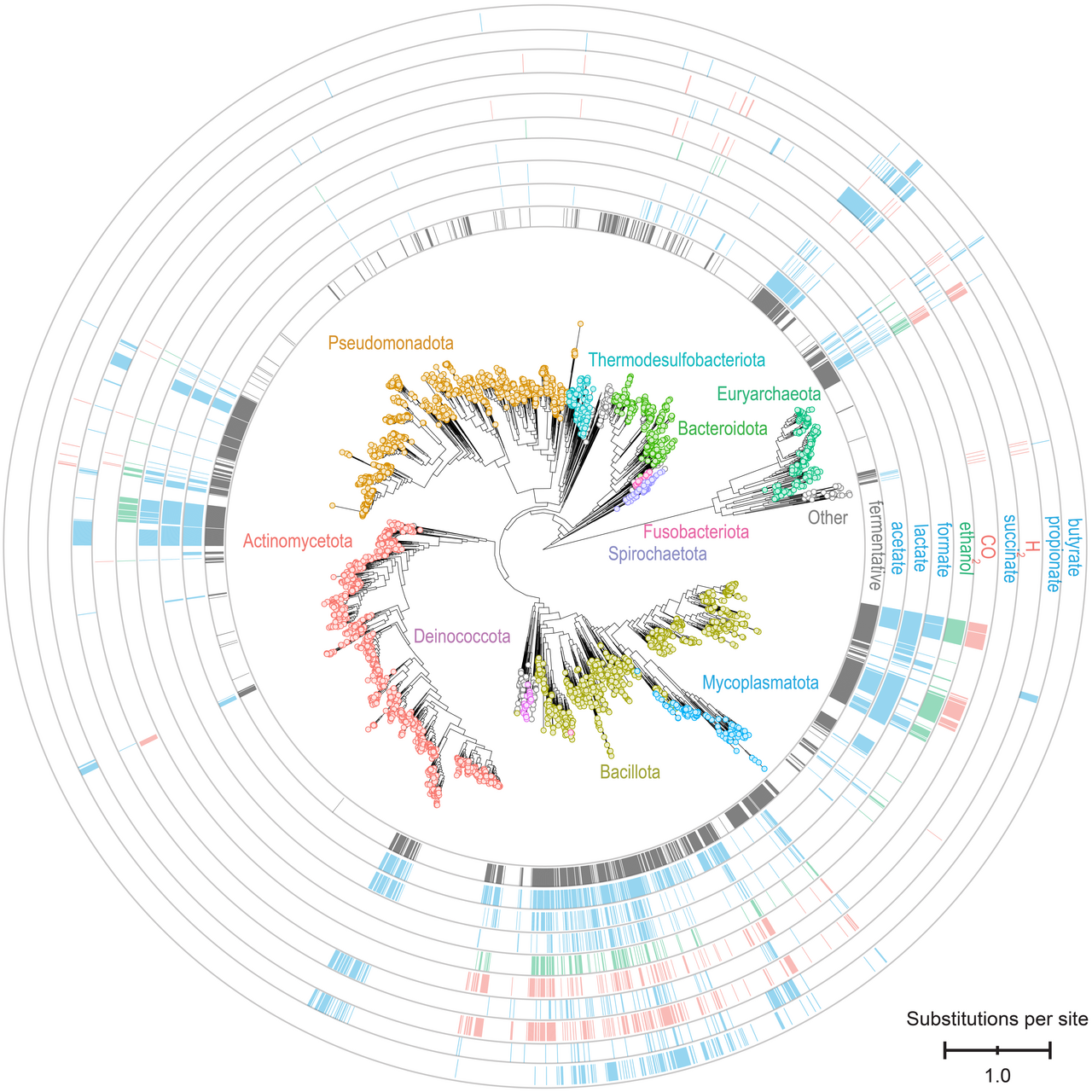
This atlas treats fermentation as an ally of flavour and storage. It names kimchi, doenjang and yoghurt as everyday uses and refuses medical or laboratory how-tos. A lactic cell takes glucose to lactate. A yeast takes it toward ethanol and CO2 — the bubbles in bread and beer.
Fermentation · Fermentation is how microbes finish sugars when oxygen is not th
Fermentation is how microbes finish sugars when oxygen is not the main electron sink — and how kitchens turn cabbage, soy and milk into kimchi, doenjang and yoghurt. Pasteur showed the vat is alive. Buchner later showed enzymes can work in a juice. Neither invented the jar already on the table.
Fermentation · This atlas treats fermentation as an ally of flavour and storage
This atlas treats fermentation as an ally of flavour and storage. It names kimchi, doenjang and yoghurt as everyday uses and refuses medical or laboratory how-tos. A lactic cell takes glucose to lactate. A yeast takes it toward ethanol and CO2 — the bubbles in bread and beer.
Fermentation · Jars are ecosystems: salt selects, oxygen gradients form
Jars are ecosystems: salt selects, oxygen gradients form. This page is public food chemistry, not a pathogen culture guide. A Korean table already teaches the atlas: kimchi at almost every meal, doenjang in soups, yoghurt in fridges.
Fermentation · Trust your senses for household jars
Trust your senses for household jars. Rotting smells, strange colours and swollen tins are stop signs. When unsure, discard. In the kitchen, fermentation is controlled change: lactic bacteria sour cabbage into kimchi, moulds and bacteria build doenjang, yoghurt cultures thicken milk.
This is education from the atlas. It does not diagnose and does not prescribe a dose. It does not replace the full topic page.
Questions
- What is the next question after this?
- Jars are ecosystems: salt selects, oxygen gradients form. This page is public food chemistry, not a pathogen culture guide. A Korean table already teaches the atlas: kimchi at almost every meal, doenjang in soups, yoghurt in fridges.
- Does this page rank people or nations?
- This is education from the atlas. It does not diagnose and does not prescribe a dose. It does not replace the full topic page.
- Where is the longer entry?
- Trust your senses for household jars. Rotting smells, strange colours and swollen tins are stop signs. When unsure, discard. In the kitchen, fermentation is controlled change: lactic bacteria sour cabbage into kimchi, moulds and bacteria build doenjang, yoghurt cultures thicken milk.
Next question: Fungi · Open the topic: Fermentation
🤧 Is a common cold a virus or a bacterium? · 🧫 Does a virus carry its own ribosomes? · 🔵 Are coccus, bacillus and spirillum three species? · 🦠 Is one cell enough to count as a bacterium? · 🍞 Is baker’s yeast a bacterium or a fungus? · 🍄 Are a mold and a mushroom two different kingdoms? · Microbe lookups