지표 밀도진한 칸일수록 이 직업에서 해당 지표가 높습니다.
강도10
내열22
화재 성능24
단열52
가공성58
순환성48
낮음높음
각 막대는 이 주제의 0-100 도감 점수입니다. 시간축이 아닙니다.
강도10
내열22
화재 성능24
단열52
가공성58
순환성48
화재내열제원강도10
내열22
화재 성능24
단열52
가공성58
순환성48
연표시간 순 이정표입니다. 주간 활동 격자가 아닙니다.
- Telkes 도버 하우스
- NASA PCM
- 염수화물 연구개발
- 마이크로캡슐화된 파라핀
- PCM 석고보드
- EN / ASTM 테스트 방법
- 콜드체인 팩
- 흑연 복합 PCM
- 배터리 팩
- 바이오 기반 왁스
약 13분
비교 랩 열기
핵심 정보
잠열쓰임
컴포트 밴드 ~21~26°CTm
파라핀 화상화재
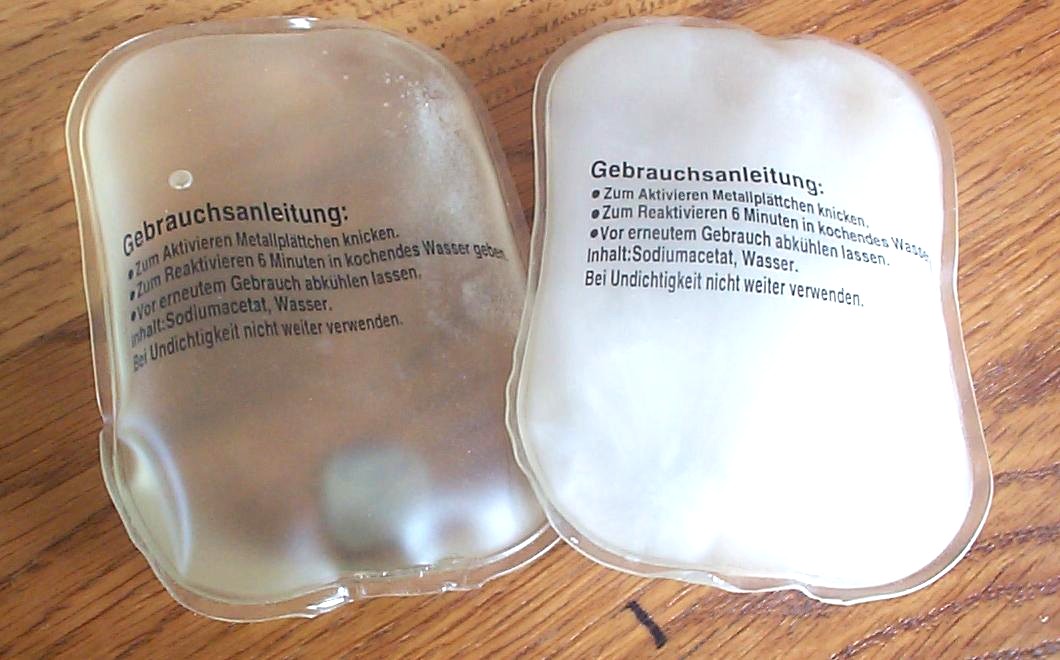
Glauber의 소금 전설아이콘
울/PIR 대신 사용하지 않음짝
단열계열
상변화소재는 이 도감 32개 소재 중 하나이며, 단열 계열에 둡니다. 역사·구조·물성·공정·쓰임·안전·시장 — 제품 카탈로그가 아닙니다.
점수는 강도·내열·화재 거동·단열·가공성·순환에서 상변화소재를 나머지 소재와 견줍니다. 편집용 상대 점수이며 인증서가 아닙니다.
일곱 장이 이어집니다. 화재·단열 주장은 Euroclass, ASTM E84, ISO 5660, KS F 같은 시험 족보를 밝히고, 단일 안전 숫자를 만들지 않습니다.
깊이 읽기
깊이 읽기: 상변화소재
상변화 물질(파라핀/소금 수화물/바이오왁스)은 밀도가 ~0.8~1.6g/cm3이고 열 밴드가 건물용으로 18~28°C로 설계되었으며 화재 편지 파라핀 = 가연성인 등급 제품군입니다. 소금은 다양합니다.
실제로 이 소재가 무엇인지
상변화 물질은 단일 물질이 아닌 등급으로 판매됩니다. 화학 파라핀/소금 수화물/바이오왁스, 밀도 ~0.8~1.6g/cm3, 건물용으로 18~28°C로 설계된 열 밴드.
이 아틀라스는 위상 변화 재료를 밀링 경로, 코팅, 테스트 및 그것이 위치한 캐비티 등 하나의 시스템으로 취급합니다.
열·화재·단열
전도도 참고: 낮음에서 중간 정도; 종종 핀이나 흑연이 필요합니다. 절연 점수 52/100은 32개 항목을 기준으로 합니다. 즉, 금속이 손실되고 VIP 및 에어로겔이 승리합니다.
편집용 방화 편지: 파라핀 = 가연성; 소금은 다양합니다. A1을 "화재 시 안전함"과 동일시하거나 E를 "불법"과 동일시하지 마십시오. 의회가 결정합니다.
만드는 법과 쓰임
출신: NASA / Telkes 1940년대~70년대; PCM 2000년대 구축, 미국/독일. 공정 장은 공급원료 → 전환 → 성형 → 마감 → 설치 순으로 진행됩니다.
방어/안전을 위해 경간 건물을 사용합니다. 중요한 페어링: 미네랄울.
시장과 순환
아래 프로듀서들은 지지도 순위가 아닌 랜드마크입니다. 가격은 실시간 견적이 아닌 밴드 기준입니다.
원형도 표시 48/100. 어떤 스크랩, 어떤 인증서, 어느 연도인지 물어보세요.
일곱 장
01
기원과 이정표
NASA / Telkes 1940년대~70년대; PCM 2000년대를 현재까지 구축: 단계 변화 자료의 타임라인, 시대 및 세 가지 전환점.
읽기 →
02
구조와 등급
화학 파라핀/소금 수화물/바이오왁스, 미세구조, 상변화 물질 등급 및 결합.
읽기 →
03
측정 물성
명명된 테스트 제품군과 함께 상변화 물질에 대한 강도, 열, 전기적 동작 및 화재 노트.
읽기 →
04
만드는 법
상변화 물질에 대한 공정 단계, 산업 경로, 다이어그램 및 엄격한 제한.
읽기 →
05
쓰임과 짝
상변화 물질과 함께 일반적으로 지정되는 분야, 상징적인 제품 및 물질.
읽기 →
06
안전과 화재 등급
상변화 물질에 대한 위험, 화재 등급 언어, 환경 및 취급 참고사항.
읽기 →
07
시장과 비용
상변화 물질에 대한 비용 범위, 생산 지역, 통계 및 랜드마크 생산자.
읽기 →
내화 점수 먼저, 단열 점수 먼저?
상변화소재 결정 연습: 내화 24, 단열 52, 실린 사실 하나 — 코드 인증 아님.
- 내화 성능 점수 — 내화 24/100 — 아틀라스 교육 비교.
- 단열 점수 — 단열 52/100 — 열흐름 이야기.
- 공개 사실 하나 — 빠른 사실: 쓰임: 잠열.
- 지속가능성≠내화 생략 — 높은 지속가능성도 실제 조립에서 내화 대체 못 함.
- 건축 코드 등급 아님 — 명명 시험·두께·체계가 준수를 결정.
상변화소재: 내화 24, 단열 52 — 다른 질문; 쓰임: 잠열로 한 가지 디테일.
편집용 표시. 코드 인증 아님.
내열 점수 먼저, 열 사실 먼저?
상변화소재 두 번째 랩 결정: 내열 22과 실린 열 사실 전도도 — 코드 인증 아님.
- 내열 점수 — 내열 22/100 — 화재/단열 쌍과 다른 열 이야기.
- 열 사실 하나 — 물성 장에 전도도이(가) 실려 있음.
- 내열≠내화 생략 — 높은 내열도 실제 조립의 명명 내화 시험을 대체하지 않음.
- 건축 코드 등급 아님 — 두께·체계·명명 시험이 준수를 결정.
상변화소재: 내열 22과 전도도은 화재/단열 다음 두 번째 열·안전 읽기.
편집용 표시. 코드 인증 아님.
자주 묻는 질문
상변화물질은 불연성인가요?
이 아틀라스에 선언된 반응 등급: 파라핀 = 가연성; 소금은 다양합니다. 어셈블리에는 여전히 저항 테스트가 필요합니다.
상변화 물질은 절연성이 있나요?
열 마크 52/100 대 아틀라스. 전도도 참고: 낮음에서 중간 정도; 종종 핀이나 흑연이 필요합니다.
밀도대란 무엇입니까?
~0.8~1.6g/cm³
어떻게 만들어지나요?
원작 이야기: NASA / Telkes 1940년대~70년대; PCM 2000년대 구축(미국/독일).
재활용이 가능한가요?
순환성 표시 48/100 — 편집, 경로별.
전형적인 용융열 또는 고장열?
건물의 경우 18~28°C로 설계됨
무엇과 짝을 이루어야 할까요?
미네랄 울: 열 흐름을 차단합니다. PCM이 저장합니다.
어디에 명시되어 있나요?
건물, 운송, 에너지 및 소비재 - 용도 장을 참조하세요.
화재 성능 점수는 건축 법규 등급인가요?
아닙니다. 이 아틀라스 재료들 사이의 0–100 편집용 학습 표시입니다. 실제 벽이나 의복은 제품 시험·두께·조립이 필요합니다. 이 페이지는 실험실 도장이 아닙니다.
화재 대신 단열을 언제 읽어야 하나요?
열 흐름 — 안감, 다락, 냉교 — 가 물음이면 단열을, 같은 재료가 불에서 어떻게 버티는지가 물음이면 화재를 고르세요. 두 숫자 모두 이 허브에 이미 있으며 하는 일이 다릅니다.
지속가능성 점수가 높으면 방화를 건너뛰어도 되나요?
안 됩니다. 여기서 지속가능성은 성장·재사용·내재 이야기의 상대 표시입니다. 대나무와 목재도 나무처럼 탄화할 수 있습니다. 방화는 별도의 사양입니다.
대나무가 어떤 언어에는 없나요?
언어 URL은 일곱 장이 그 언어의 진짜 산문일 때만 열립니다. 대나무는 영어·한국어·일본어·중국어·스페인어만 있습니다. 프랑스어·독일어·포르투갈어·러시아어는 보류입니다. 이전 기계 초안이 영어를 흘렸기 때문에 그 URL을 열지 않습니다.
아이콘
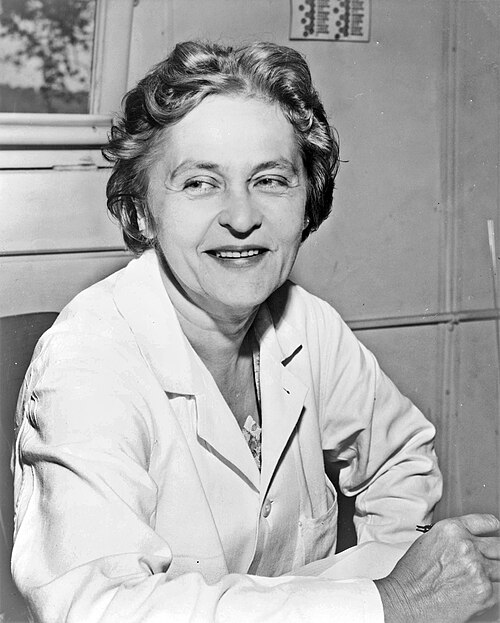
마리아 텔케스
미국 · 1948
Maria Telkes는 상변화 자료의 공개 이미지에서 기준점입니다.

글로버소금
유럽 · 역사적인
Glauber의 소금은 상변화 물질의 공개 이미지에서 기준점입니다.
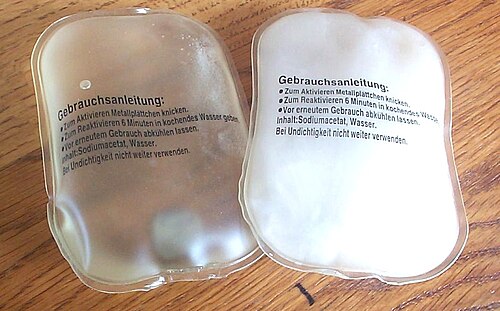
마이크로널 보드
독일 · 2000년대
마이크로널 보드는 상변화 자료의 공개 이미지에서 기준점입니다.
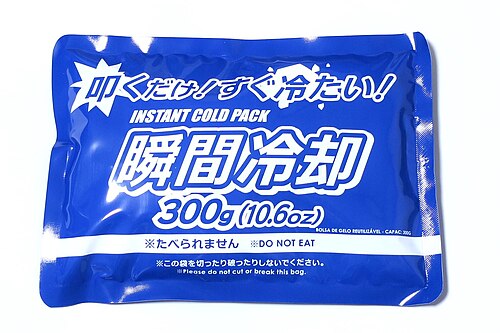
아이스팩
글로벌 · 20세기~
아이스팩은 상변화 물질 공개 이미지의 기준점입니다.
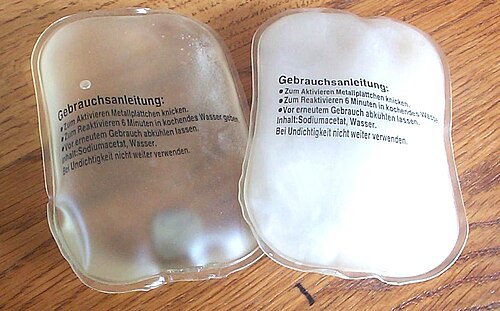
NASA PCM 조끼
미국 · 1990년대~
NASA PCM 조끼는 상변화 물질의 공개 이미지에서 기준점입니다.
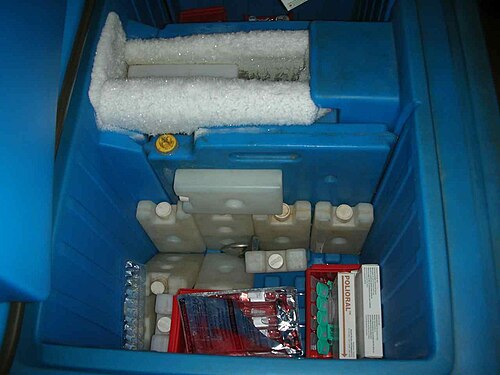
콜드체인 박스
글로벌 · 2010년대~
콜드체인 박스는 상변화 물질 공개 이미지의 기준점입니다.
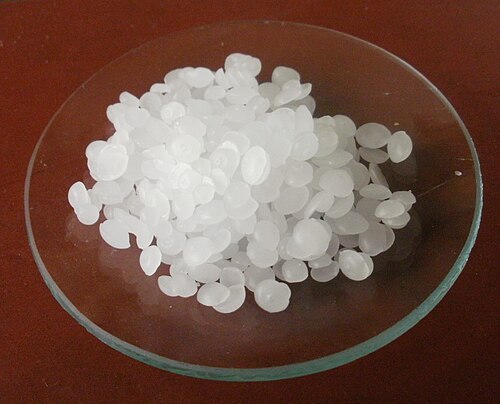
파라핀 캔들 물리학
글로벌 · 역사적인
파라핀 양초 물리학은 상변화 물질의 공개 이미지에서 기준점입니다.
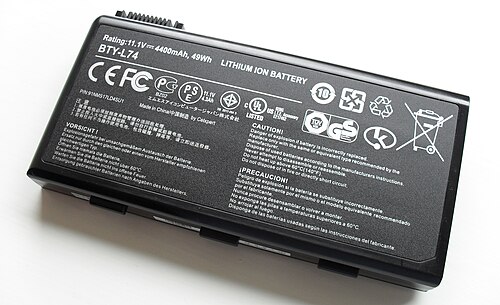
배터리 PCM 패드
글로벌 · 2020년대
배터리 PCM 패드는 상변화 소재 공개 이미지의 기준점입니다.
아이콘을 켜고 끄면 막대가 선택 안의 선두에 맞춰 다시 스케일됩니다.
5 / 8
맞대결
같은 가족, 다른 점수 — 한 판을 고르세요.
비슷한 소재
여섯 축에서 가장 가까운 이웃 — 강도, 내열, 화재, 단열, 가공성, 순환성.