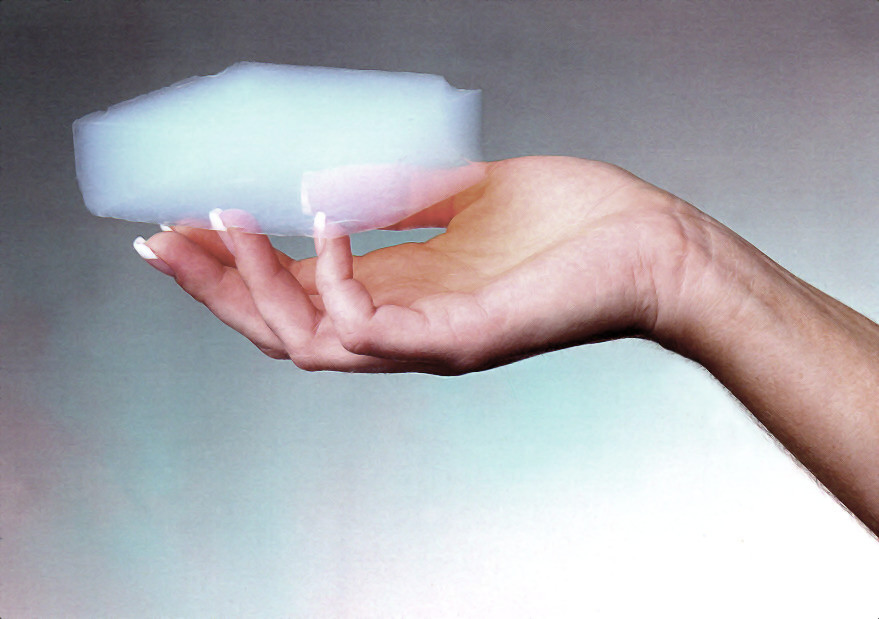
約13分
火災役か断熱役か
この材料にすでに付いた火災性能の読みか断熱の読みを選ぶ。教材の点であり仕様ではない。
アトラス点とこの頁の事実のみ。実際の壁や衣服は製品試験・厚さ・組立てが決める。実験室の印なし。
比較ラボを開く
基本データ
~0.015~0.025 W/m・Kλ
>90%空気
シリカA1火災
スターダストコレクターアイコン
窓ガラスではなく毛布形態
先端固体家族
エアロゲルはこの図鑑32素材の一つで、先端固体に分類する。歴史・構造・物性・工程・用途・安全・市場であり、製品カタログではない。
得点は強度・耐熱・火災挙動・断熱・加工性・循環でエアロゲルを他素材と比較する。編集上の相対点であり証明書ではない。
七章が続く。火災と断熱の主張は Euroclass、ASTM E84、ISO 5660、KS F など試験の系統を名指しし、単一の安全数字は作らない。
深く読む
深く読む: エアロゲル
エアロゲル (SiO2 ネットワーク + >90% 空気) は、密度が約 0.003 ~ 0.15 g/cm3、ヒートバンド シリカ焼結体であるグレードのファミリーです。有機エアロゲルが燃焼し、レターシリカ A1 が発火します。ポリマーエアロゲルはそうではありません。
この素材が実際に何か
エアロゲルは、単一の物質としてではなく、グレードとして販売されます。化学的性質 SiO2 ネットワーク + >90% 空気、密度 ~0.003 ~ 0.15 g/cm3、ヒートバンド シリカ焼結。有機エアロゲルは燃えます。
このアトラスでは、エアロゲルをシステムとして扱います。つまり、ミルルート、コーティング、テスト、およびエアロゲルが置かれているキャビティです。
熱・火災・断熱
導電率メモ: シリカブランケット ~0.015 ~ 0.025 W/m・K クラス。断熱スコア 98/100 は 32 件のエントリーに関連しており、金属が負け、VIP とエアロゲルが勝ちます。
エディトリアル使用中のファイアレター: シリカ A1;ポリマーエアロゲルはそうではありません。 A1 を「火災の中でも安全」と同一視したり、E を「違法」と同一視したりしないでください。議会が決める。
作り方と用途
起源: キスラー 1931; NASA / アスペン 1990 年代–、米国。プロセスの章では、原料→変換→成形→仕上げ→設置と続きます。
防御/安全のために建物をまたがって使用します。組み合わせは真空断熱が重要です。
市場と循環
以下のプロデューサーは目印であり、推奨ランキングではありません。価格はバンドであり、ライブ相場ではありません。
円形度マーク 50/100。どのスクラップ、どの証明書、どの年のものかを尋ねてください。
火災役か断熱役か
この材料にすでに付いた火災性能の読みか断熱の読みを選ぶ。教材の点であり仕様ではない。
アトラス点とこの頁の事実のみ。実際の壁や衣服は製品試験・厚さ・組立てが決める。実験室の印なし。
耐火か断熱か、どちらを先に読むか
エアロゲルの判断例:耐火86、断熱98、掲載ファクト1つ — 法規認定ではない。
- 耐火マーク — 耐火86/100 — アトラス教材。
- 断熱マーク — 断熱98/100 — 熱流の話。
- 公開ファクト1つ — λ: ~0.015~0.025 W/m・K。
- 持続可能性≠耐火省略 — 高い持続性も実組立の耐火を代替しない。
- 建築コード評価ではない — 試験名・厚み・構成が適合を決める。
エアロゲル:耐火86と断熱98は別の仕事;λ: ~0.015~0.025 W/m・Kで一つ具体化。
編集マーク。認証書ではない。
耐熱マークか熱ファクトか、どちらを先に
エアロゲルの二巡目ラボ:耐熱84と掲載熱ファクト導電率 — 法規認定ではない。
- 耐熱マーク — 耐熱84/100 — 耐火/断熱ペアとは別の熱の話。
- 熱ファクト1つ — 物性章に導電率。
- 耐熱≠耐火省略 — 高い耐熱も実組立の指名耐火試験を代替しない。
- 建築コード評価ではない — 厚み・構成・試験名が適合を決める。
エアロゲル:耐熱84と導電率は耐火/断熱の次の熱・安全読み。
編集マーク。認証書ではない。
よくある質問
エアロゲルは不燃性ですか?
このアトラスで宣言されている反応クラス: シリカ A1;ポリマーエアロゲルはそうではありません。アセンブリにはまだ耐性テストが必要です。
エアロゲルは断熱効果があるのでしょうか?
サーマルマークはアトラスに対して 98/100 です。導電率メモ: シリカブランケット ~0.015 ~ 0.025 W/m・K クラス。
密度バンドとは何ですか?
~0.003 ~ 0.15 g/cm3
どのように作られているのでしょうか?
元ネタ:キスラー1931年。 NASA / アスペン 1990 年代 – (米国)。
リサイクルできますか?
循環性マーク 50/100 — 編集、ルート固有。
典型的な溶解熱または破壊熱?
シリカ焼結体。有機エアロゲルが燃える
何と組み合わせる必要がありますか?
真空断熱:もう一つの超低λパネル。
どこに指定されていますか?
建物、輸送、エネルギーおよび消費財 — 用途の章を参照してください。
火災性能の点は建築基準の等級ですか?
いいえ。このアトラスの材料同士の0–100の編集用学習点です。実際の壁や衣服には製品試験・厚さ・組立てが要ります。この頁は実験室の印ではありません。
火災ではなく断熱を読むのはいつですか?
熱の流れ — 裏地、屋根裏、冷橋 — が問いなら断熱を、同じ材料が炎でどう振る舞うかが問いなら火災を選びます。両方の数はこのハブに既にあり、仕事が違います。
持続可能性の点が高ければ防火を省略できますか?
できません。ここでの持続可能性は成長・再利用・内蔵の物語の相対点です。竹や木材も木のように炭化します。防火は別の仕様のままです。
竹が一部の言語にないのはなぜ?
言語URLは七つの章がその言語の本物の散文であるときだけ公開されます。竹は英語・韓国語・日本語・中国語・スペイン語だけです。フランス語・ドイツ語・ポルトガル語・ロシア語は保留です。以前の機械草稿が英語を漏らしたので、それらのURLは開きません。
アイコン
1
サミュエル・キスラー
米国 · 1931
サミュエル・キスラーはエアロジェルのパブリックイメージの基準点です。
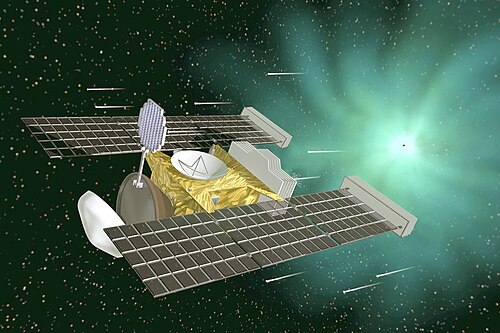
スターダストエアロゲル
米国 · 1999–2006
スターダスト エアロゲルは、エアロゲルのパブリック イメージの基準点です。
アスペンパイロジェル
米国 · 2000年代〜
アスペン パイロジェルは、エアロジェルのパブリック イメージの基準点です。
火星探査機の断熱に関する伝承
米国 · 2000年代
火星探査機の断熱に関する伝説は、エアロゲルのパブリック イメージの基準点です。
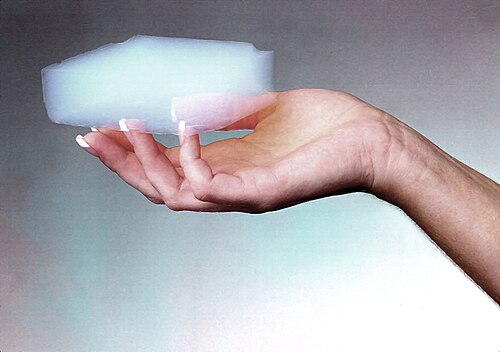
半透明顆粒IGU
ヨーロッパ · 2010年代
半透明の顆粒 IGU は、エアロゲルのパブリック イメージの基準点です。
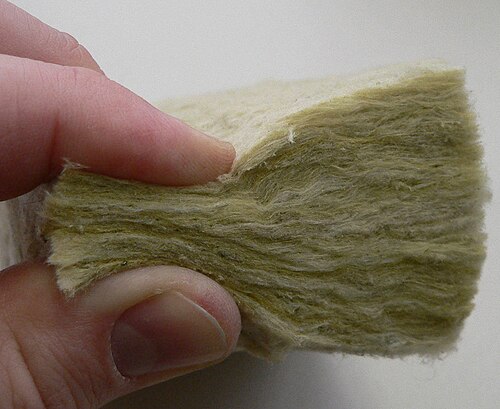
パイプ断熱材
石油とガス · 2000年代〜
パイプ断熱材は、エアロゲルのパブリック イメージの基準点です。
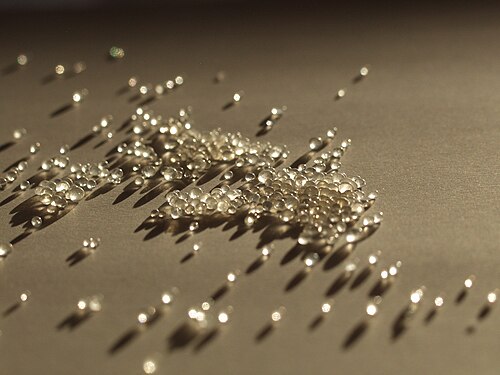
シリカゲルのいとこ
グローバル · 歴史的な
シリカゲルのいとこは、エアロゲルのパブリックイメージの基準点です。
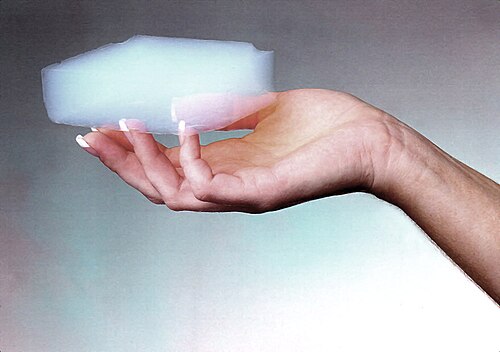
凍った煙の写真
研究室 · 1990年代~
凍った煙の写真は、エアロジェルのパブリック イメージの基準点です。
アイコンのオンオフで、棒が選択内の首位に合わせて再スケールされる。
5 / 8
近い素材
六軸で最も近い隣人 — 強度、耐熱、火災、断熱、加工性、循環性。