Choisissez la lecture de réaction au feu ou d’isolation déjà notée sur ce matériau. Marques pédagogiques — pas une spécification.
Notes d’atlas et faits de cette page seulement. Un essai de produit nommé, l’épaisseur et l’assemblage décident de tout mur ou vêtement réel. Pas de tampon de labo.
Polyester est l’un des 32 matériaux de cet atlas, classé en Textiles : histoire, structure, propriétés, procédé, usages, sécurité et marché — pas un catalogue.
Les notes comparent Polyester aux autres sur résistance, chaleur, feu, isolation, ouvrabilité et circularité. Elles sont éditoriales, pas des certificats.
Sept chapitres suivent. Feu et isolation nomment des familles d’essai (Euroclass, ASTM E84, ISO 5660, KS F), sans inventer un chiffre unique de sécurité.
Introduction approfondie
Lecture approfondie : Polyester
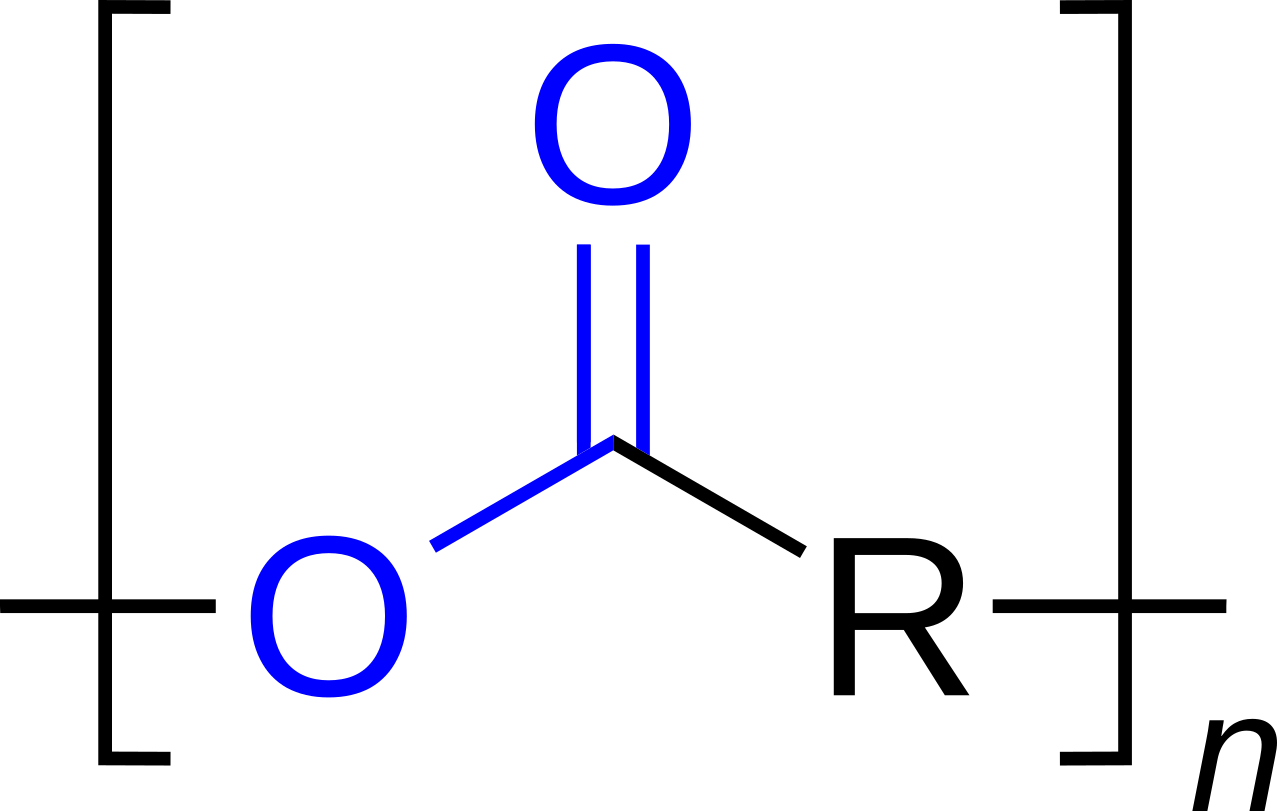
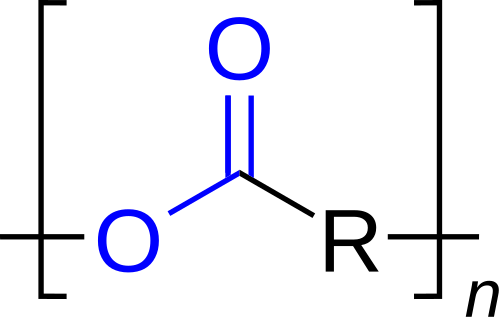
Le polyester ((C10H8O4)n PET) est une famille de qualités dont la densité ~1,38 g/cm³, la bande thermique ~250-260 °C et la lettre de feu fondent et coulent sauf si FR.
Ce que le matériau est vraiment
Le polyester est vendu sous forme de qualités et non sous forme de substance unique. Chimie (C10H8O4)n PET, densité ~1,38 g/cm³, bande thermique ~250-260 °C.
Cet atlas traite le polyester comme un système : le parcours de fabrication, les revêtements, les tests et la cavité dans laquelle il se trouve.
Chaleur, feu et isolation
Note de conductivité : faible teneur en solides ; les tissus emprisonnent l’air. Le score d'isolation 50/100 est relatif à 32 entrées : les métaux perdent, les VIP et les aérogels gagnent.
Lettre de feu à usage éditorial : fond et coule à moins que FR. N’assimilez pas A1 à « en sécurité en cas d’incendie » ou E à « illégal ». Les assemblées décident.
Fabrication et usages
Origine : Whinfield & Dickson 1941 / DuPont Dacron, Royaume-Uni / États-Unis. Le chapitre sur le processus suit matière première → conversion → formage → finition → installation.
Utilise les bâtiments étendus pour la défense/sécurité. Les associations comptent : le nylon.
Marché et circularité
Les producteurs ci-dessous sont des points de repère et non un classement d'approbation. Les prix sont des fourchettes et non des cotations en direct.
Marque de circularité 34/100. Demandez quelle ferraille, quel certificat, quelle année.
Atlas lié
Autour de Polyester
Entrées liées, un court glossaire, trois fils qui gardent Polyester honnête.
Voir aussi
🪢NylonLe rival du polyamide : plus résistant à l'humidité, classe de teinture différente.
🌱CotonLe mélange qui a fait des chemises égouttées.
🧴PolyéthylèneCousin oléfine, fusion et main différentes.
🦺AramideLorsque la fonte du polyester est inacceptable.
Termes clés
Euroclasse
Lettre de réaction au feu EN 13501-1 (A1–F), pas une évaluation murale.
λ (lambda)
Conductivité thermique en W/m·K. Un niveau inférieur signifie une meilleure isolation en vrac.
Valeur vieillie
Performance déclarée après dérive d’agent gonflant ou d’humidité.
ZAT / fenêtre de processus
La zone où la chaleur ou la chimie modifie la fiche technique.
Grade
Une variante nommée de chimie/procédé, pas un slogan de marque.
EN, ASTM, ISO, KS et JIS ne se traduisent pas un à un. Une nappe Euroclasse A1 n'est pas un rapport ASTM E84.
Nommez l’année de la norme sur les dessins. Les méthodes retirées continuent d'apparaître dans les anciennes spécifications.
Travail et artisanat
Les soudeurs, fileurs, plâtriers, enduiseurs et maçons au four font partie des véritables propriétés du matériau.
Le DFT, les humidimètres et la compression des matelas sont des outils de qualité et non de la bureaucratie.
Énergie et déchets
Le polyester primaire transporte une énergie de traitement que le recyclage ou les bioroutes ne battent que parfois.
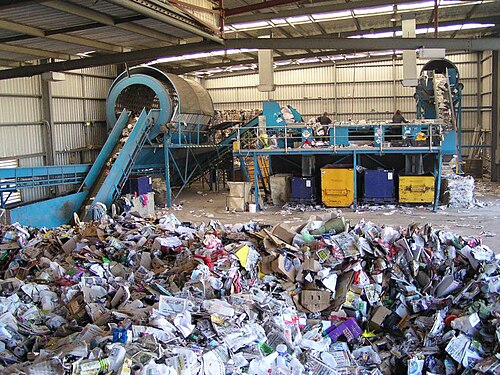
Les chutes, la boue rouge, les scories, la poussière et les agents gonflants utilisés constituent un bilan de masse peu glamour.
Profil
Résistance58
Résistance à la chaleur42
Performance au feu24
Isolation50
Ouvrabilité88
Circularité34
Rôle feu ou rôle isolation
Choisissez la lecture de réaction au feu ou d’isolation déjà notée sur ce matériau. Marques pédagogiques — pas une spécification.
Notes d’atlas et faits de cette page seulement. Un essai de produit nommé, l’épaisseur et l’assemblage décident de tout mur ou vêtement réel. Pas de tampon de labo.
Marque de circularité 34/100 — éditoriale, spécifique à l'itinéraire.
Chaleur typique de fusion ou de défaillance ?
~250-260 °C
Avec quoi faut-il l'associer ?
nylon : Le rival du polyamide : plus résistant à l'humidité, classe de teinture différente.
Où est-il précisé ?
Bâtiments, transports, énergie et biens de consommation — voir le chapitre usages.
Le score de performance au feu est-il un classement réglementaire ?
Non. C’est une marque éditoriale 0–100 d’enseignement entre matériaux de cet atlas. Un mur ou un vêtement réel exige un essai de produit nommé, une épaisseur et un assemblage. Cette page n’est pas un tampon de laboratoire.
Quand lire l’isolation plutôt que le feu ?
Choisissez isolation si la question est le flux de chaleur — doublure, comble ou pont thermique — et feu si la question est le comportement de la même matière en flamme. Les deux nombres sont déjà sur ce hub ; ils répondent à des métiers différents.
Un score de durabilité élevé permet-il de sauter la protection feu ?
Non. La durabilité ici est une marque relative de l’atlas (croissance, réemploi, récit d’empreinte). Le bambou et le bois peuvent encore carboniser comme du bois. La protection feu reste une spécification à part.
Pourquoi le bambou manque-t-il dans certaines langues ?
Une URL de langue n’est publiée que lorsque les sept chapitres sont de la vraie prose dans cette langue. Le bambou existe en anglais, coréen, japonais, chinois et espagnol. Français, allemand, portugais et russe restent retenus — des brouillons machine avaient laissé de l’anglais, donc ces URL ne s’ouvrent pas.
Icônes
Térylène
Royaume-Uni · 1941–
Le térylène est une référence dans l'image publique du polyester.
Toile à voile en Dacron
États-Unis · années 1950–
La toile à voile Dacron est une référence dans l’image publique du Polyester.
Polaire
États-Unis · années 1980–
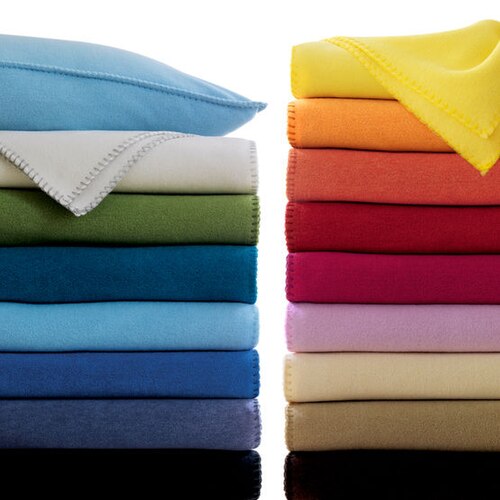
Le polaire est une référence dans l’image publique du polyester.
Bouteille PET
États-Unis · 1973–
La bouteille PET est une référence dans l’image publique du Polyester.
Mélange approprié
Mondial · années 1960–
Le mélange de costumes est un point de référence dans l’image publique du polyester.
Ceinture de sécurité HT
Mondial · années 1960–
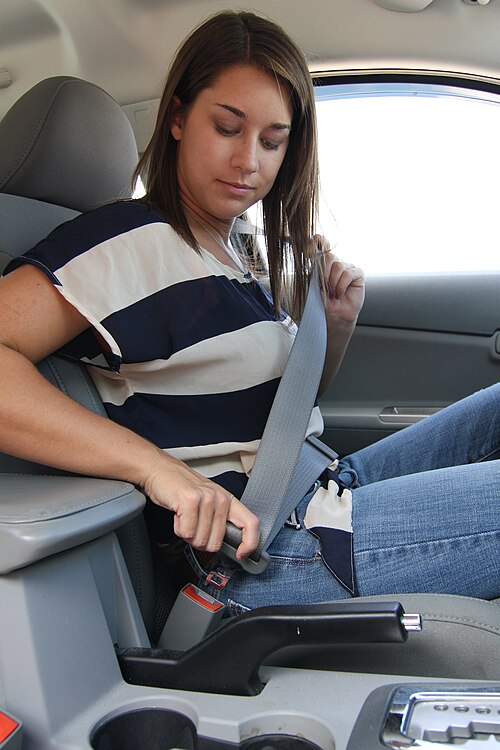
La ceinture de sécurité HT est une référence dans l’image publique du Polyester.
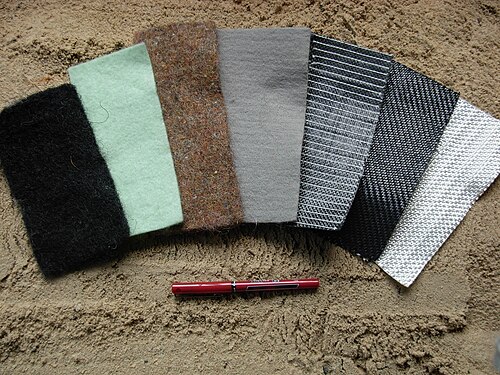
Géotextile
Mondial · années 1970–
Le géotextile est une référence dans l’image publique du Polyester.
maillot rPET
Mondial · Années 2000–
Le jersey rPET est une référence dans l'image publique du polyester.
Activez ou désactivez les icônes : chaque barre se recalibre sur le leader de votre sélection.