Korean cuisine: after “Korean cuisine (hansik), is built on rice, soup and a rin”, what about “Jeolla namul, Gyeongsang raw-fish hoe,
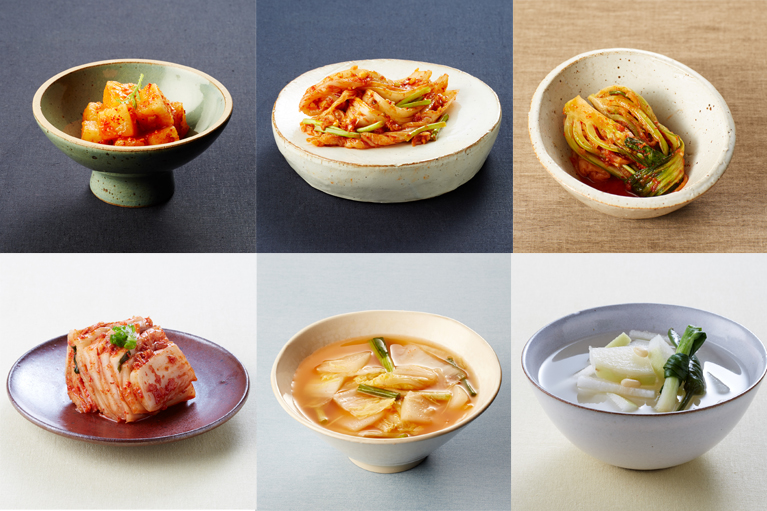
Korean cuisine (hansik), is built on rice, soup and a ring of banchan — kimchi, namul greens, jeon pancakes — rather than a single plated entree. Gochujang, doenjang and ganjang supply the fermented bass line; gochugaru supplies the heat.
At a glance
Korean cuisine · Korean cuisine (hansik), is built on rice, soup and a rinKorean cuisine (hansik), is built on rice, soup and a ring of banchan —…
Korean cuisine · Jeolla namul, Gyeongsang raw-fish hoe, and the Pyongyang naengmyJeolla namul, Gyeongsang raw-fish hoe, and the Pyongyang naengmyeon tradition…
Korean cuisine · paras 1Jeolla cooking is praised for namul depth and generous banchan; Gyeongsang…
Korean cuisine · paras 1Onggi jars breathe while kimchi, doenjang and ganjang age. Gochujang —…
Jeolla namul, Gyeongsang raw-fish hoe, and the Pyongyang naengmyeon tradition show how sharply the peninsula splits. Barbecue (gogi-gui) made samgyeopsal and galbi exportable, but the everyday table is still jjigae stew, leftover rice and last night's kimchi. Street rows in Seoul and Busan sell tteokbokki, odeng fish cakes and hotteok.
Decide what to order
Pick the room and the heat. The instruction changes. The plate, the pantry and the atlas spice number stay the ones for this cuisine.
Heat sourceGochugaru chili flakes
Table formBanchan side dishes
Core fermentKimchi / gochujang / doenjang
Atlas spice74/100
Teaching marks from the atlas, not a reservation or a food-safety certificate.
Korean cuisine · Korean cuisine (hansik), is built on rice, soup and a rin
Korean cuisine (hansik), is built on rice, soup and a ring of banchan — kimchi, namul greens, jeon pancakes — rather than a single plated entree. Gochujang, doenjang and ganjang supply the fermented bass line; gochugaru supplies the heat.
Korean cuisine · Jeolla namul, Gyeongsang raw-fish hoe, and the Pyongyang naengmy
Jeolla namul, Gyeongsang raw-fish hoe, and the Pyongyang naengmyeon tradition show how sharply the peninsula splits. Barbecue (gogi-gui) made samgyeopsal and galbi exportable, but the everyday table is still jjigae stew, leftover rice and last night's kimchi. Street rows in Seoul and Busan sell tteokbokki, odeng fish cakes and hotteok.
Korean cuisine · paras 1
Jeolla cooking is praised for namul depth and generous banchan; Gyeongsang leans saltier, with hoe and milmyeon. The Gangwon plateau keeps potato onggis and dried pollock; Jeju builds around haemul and black pork. North–south memory still matters: Pyongyang naengmyeon and Hamhung spicy noodles travelled south with refugees after 1950 and became Seoul restaurant genres rather than museum pieces.
Korean cuisine · paras 1
Onggi jars breathe while kimchi, doenjang and ganjang age. Gochujang — glutinous rice, soybean and gochugaru — is the sweet-hot paste that now flavours everything from bibimbap to fried chicken. Before chili arrived in the late sixteenth century, kimchi was white: napa, radish, garlic and jeotgal. The red style is historical, not eternal, which is why baek-kimchi still sits on careful tables.
This is a reading check for the atlas, not personal advice, a live price, or a booking. It does not replace the full topic page.
Questions
What is the next question after this?
Jeolla cooking is praised for namul depth and generous banchan; Gyeongsang leans saltier, with hoe and milmyeon. The Gangwon plateau keeps potato onggis and dried pollock; Jeju builds around haemul and black pork. North–south memory still matters: Pyongyang naengmyeon and Hamhung spicy noodles travelled south with refugees after 1950 and became Seoul restaurant genres rather than museum pieces.
Does this page rank people or nations?
This is a reading check for the atlas, not personal advice, a live price, or a booking. It does not replace the full topic page.
Where is the longer entry?
Onggi jars breathe while kimchi, doenjang and ganjang age. Gochujang — glutinous rice, soybean and gochugaru — is the sweet-hot paste that now flavours everything from bibimbap to fried chicken. Before chili arrived in the late sixteenth century, kimchi was white: napa, radish, garlic and jeotgal. The red style is historical, not eternal, which is why baek-kimchi still sits on careful tables.