Leão é uma das vinte e quatro espécies deste atlas. Não é um catálogo: evolução, anatomia, comportamento, cultura, ícones, conservação e área formam um só sistema.
As pontuações comparam velocidade, inteligência, área, resiliência, impacto cultural e papel ecológico. São juízos editoriais relativos, não um ranking de laboratório.
Sete capítulos aprofundam: origens, corpo e sentidos, vida e comportamento, cultura, ícones, pressão de conservação e a área partilhada com as pessoas.
Introdução profunda
Mergulho: Leão
Leão não é um animal de postal. É um conjunto de populações, subespécies e regras humanas na família fauna deste atlas.
Diversidade, corpos, cultura e áreas — mais uma lente desta região linguística.
Diversidade dentro do tipo
Os guias de campo comprimem muitas linhagens na palavra Leão. Subespécies, rotas e linhas cativas não partilham um só destino.
Este atlas escolhe um título da Wikipédia como imagem-herói e deixa o resto do grau visível para que um stock recuperado não lave uma prima Criticamente em perigo.
Life in the landscape
A sexually dimorphic pantherine: mane, heavier male forequarters, and a larynx built for a long-distance roar. Females do much of the coordinated hunt.
Cooperative stalks on zebra, wildebeest and buffalo. Scavenge and kleptoparasitism (including from hyenas, and the reverse) are ordinary, not shameful.
Cultura e significado
Cinema, lei, heráldica, zoos e relato local encontraram Leão. Esses retratos movem dinheiro; não são um censo de campo.
O capítulo de cultura data cartazes e leis para que um filme de 1975 ou um logótipo de 1961 não finjam ser a Lista Vermelha dos anos 2020.
Conservation and money
Vulnerable. African numbers fell through the 20th century; Asiatic lions persist as a single-forest relic in Gir.
Tourism, conflict payments, quotas and captive loans are dated economic bands in the market chapter -- not live prices and not a best-species prize.
Imersão em ciências da vida
Biologia a fundo: Leão
A biologia de Leão empilha estrutura, energia, sentidos e limites. As quatro secções usam os mesmos títulos do atlas para comparar sem um quadro de melhor espécie.
Anatomia, sentidos, comportamento e limites — mais a linguagem de campo desta região.
Structure
A sexually dimorphic pantherine: mane, heavier male forequarters, and a larynx built for a long-distance roar. Females do much of the coordinated hunt.
Load paths and tissues (not metals) are expanded in the anatomy chapter.
Energy and foraging
Cooperative stalks on zebra, wildebeest and buffalo. Scavenge and kleptoparasitism (including from hyenas, and the reverse) are ordinary, not shameful.
The how-it-works diagrams reduce that budget to a six-node loop.
Senses and control
Dawn and dusk vision, roar as a spacing sense. The mane is heat and status, not armour against a horn.
Control here means the animal steering itself -- not a vehicle ECU.
Limits
Poison, snares and shrinking prey outside fenced cores. VU is a continent-scale slide, not a Gir postcard.
Resilience scores encode those limits relative to the other 23 types.
Related females plus incoming males -- the social unit that is not a tiger range.
Gir Forest
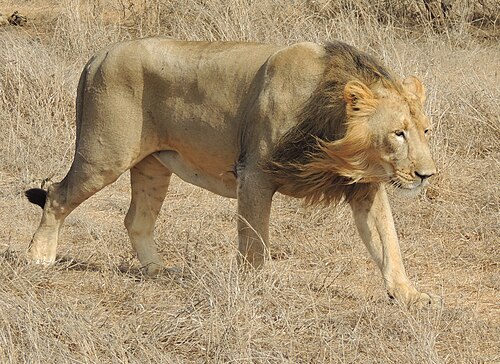
Last wild Asiatic lions -- a single-population risk in Gujarat.
Cecil
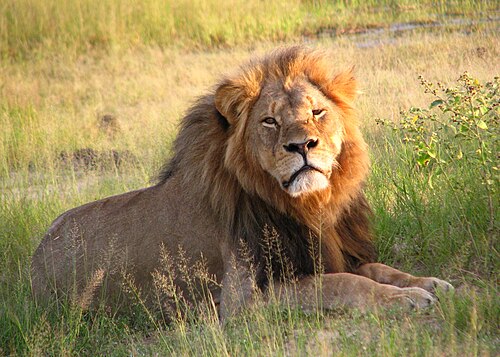
Hwange male killed in 2015 -- a named animal that moved US trophy law talk.
Born Free
1966 film of Joy and George Adamson and Elsa -- the orphan-Leão template.
Tsavo
1898 man-eaters -- Patterson account that still tours as horror.
Serengeti Leão Project
Craig Packer and colleagues -- decades of pride demography.
Habitat and movement
Where the Leão breeds and feeds is the first constraint. Single lakes, islands and forests appear again in the history timeline.
Range scores in this atlas mark how widely that movement runs -- albatross and blue whale high, koi and panda low -- not a quality ranking.
Research and law
Named projects (Project Tiger, ACAP, ICCAT, Amboseli) are the English-language bureaucracy of the type.
Listings and downlists are dated events in the timeline, not eternal essences.
Culture and price
Film, auction and logo years are filed under culture and market so they cannot masquerade as demography.
The icons chapter keeps eight real Wikipedia titles so a later language pack can attach the same faces.
Notas de campo visuais
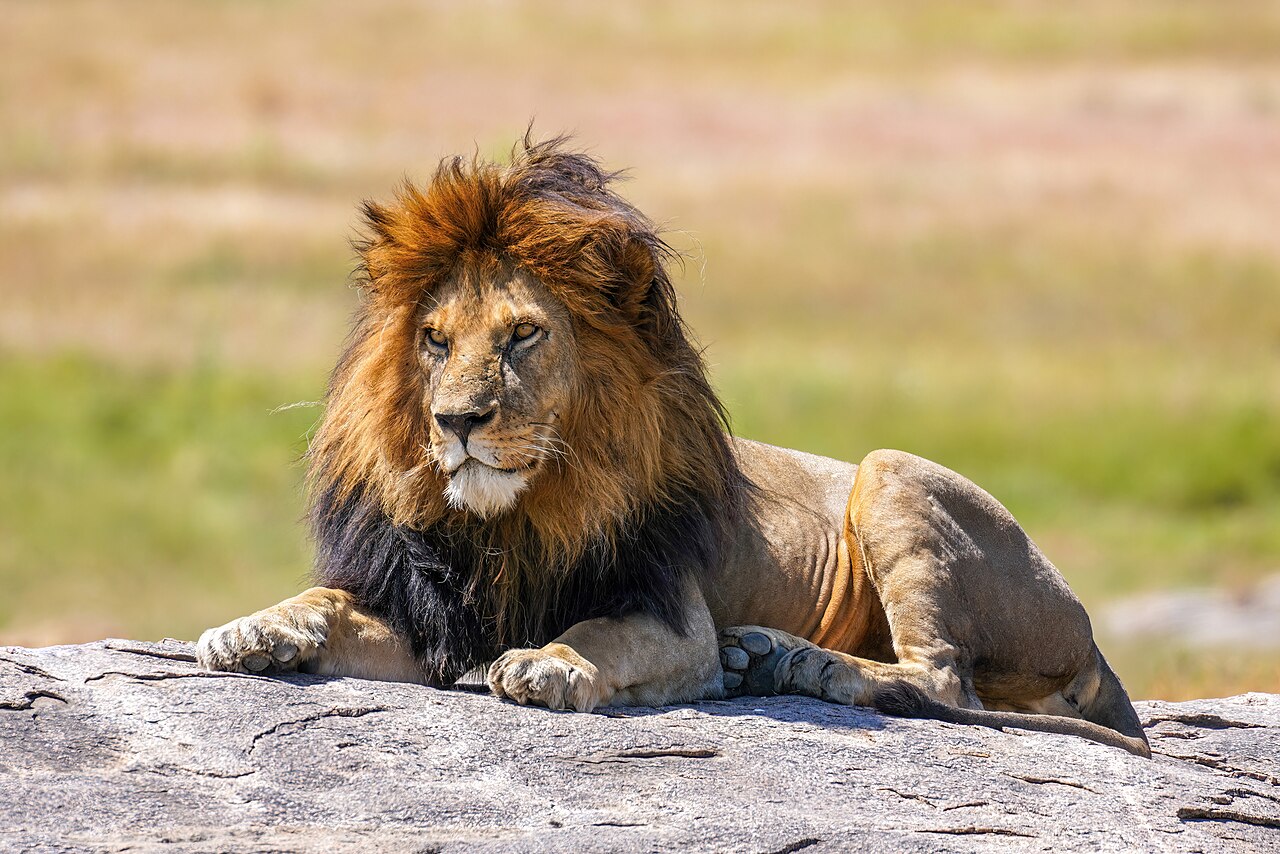
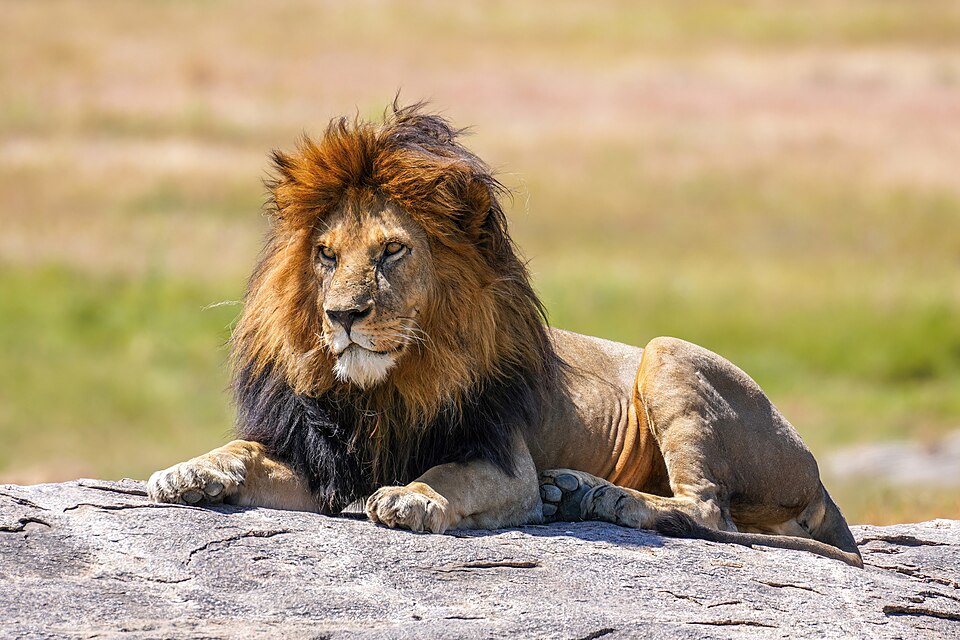
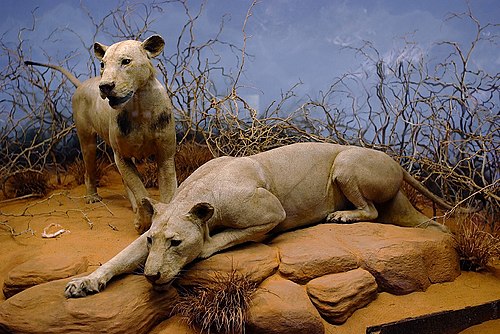
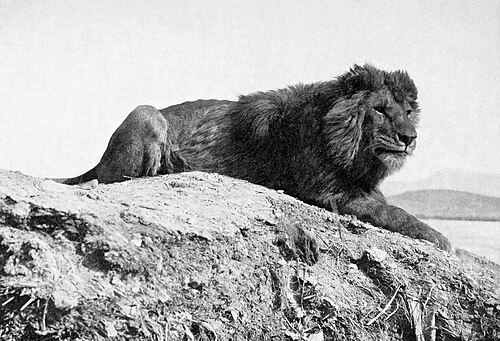
Fotos licenciadas desta espécie — heróis, eras e ícones numa parede.
Giles LaurentGiles LaurentDaughter#30720reemaguptaSuperx308 Jeffrey Jung email: superx308 at gmail.comPhotograph by Fernandus (formerly of Biskra, Algeria), published by Alfred Edward Pease (29 June 1857 – 27 April 1939)
O perfil
Velocidade73
Inteligência79
Área40
Resiliência27
Impacto cultural97
Papel ecológico79
Fixar anatomia contra comportamento
Escolha um sistema anatômico e um facto de operação já nesta página da espécie. Um par de leitura — não um quadro de vencedores.
Ajuda de navegação deste atlas. A biologia de campo e a lei local decidem qualquer encontro real. Sem feed ao vivo.
Why is the lion scored below the tiger on ecological role but above on culture?
Lions structure some savanna systems; elephants and wolves outrank both as engineers or keystones in this atlas. Culture is flags, churches and film -- lions win that axis. Scores stay relative across 24 types.
What is different about Gir lions?
Asiatic lions are a single-forest population with a distinctive belly fold and a thinner mane. A disease or fire there is a subspecies event.
Did Cecil change hunting policy?
The 2015 Hwange killing spiked petitions and some airline trophy bans. Zimbabwe and US Fish and Wildlife arguments did not end trophy hunting as a system.
Are lions recovering like some wolves?
No. Most African populations are still in long decline outside a few well-funded parks. VU is not a rebound band.
What did Born Free fix in the public mind?
Elsa the lioness (1960 book, 1966 film) made rehabilitation a children story. Field lion work is pride demography and conflict, not a single tame cat.
Who runs the Serengeti numbers?
The Serengeti Lion Project (Packer and successors) produced the long pride dataset that textbooks still mine.
Were the Tsavo man-eaters typical?
1898 bridge-camp killings were a specific railway-and-drought story. They are a genre, not a base rate.
Do male coalitions change the hunt?
Males take large prey and cubs of rivals. The postcard male-on-a-rock is a coalition politics, not a lazy king.
Papel, não um vencedor
Literacia de conservação. Não é uma consulta IUCN ao vivo.
Incorporar este ranking
Cole este código no seu blog ou site — o ranking permanece atualizado.
Copiado!
Espécies semelhantes
Vizinhos mais próximos nos seis eixos — velocidade, inteligência, área, resiliência, cultura e papel ecológico.