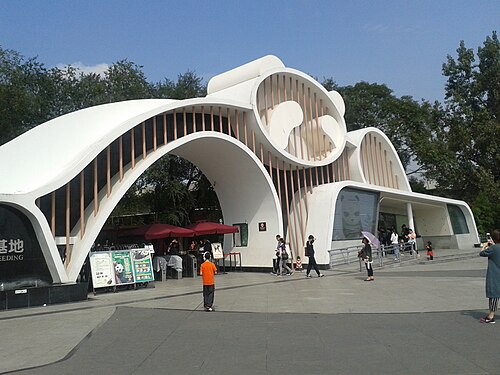
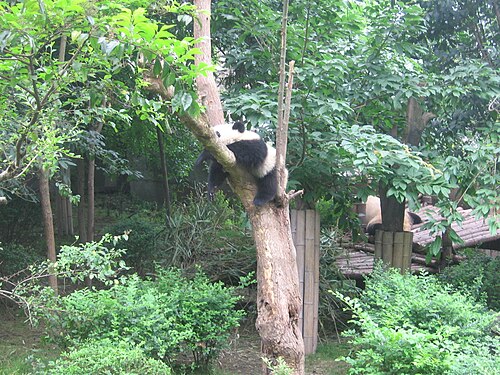
Panda-gigante é uma das vinte e quatro espécies deste atlas. Não é um catálogo: evolução, anatomia, comportamento, cultura, ícones, conservação e área formam um só sistema.
As pontuações comparam velocidade, inteligência, área, resiliência, impacto cultural e papel ecológico. São juízos editoriais relativos, não um ranking de laboratório.
Sete capítulos aprofundam: origens, corpo e sentidos, vida e comportamento, cultura, ícones, pressão de conservação e a área partilhada com as pessoas.
Introdução profunda
Mergulho: Panda-gigante
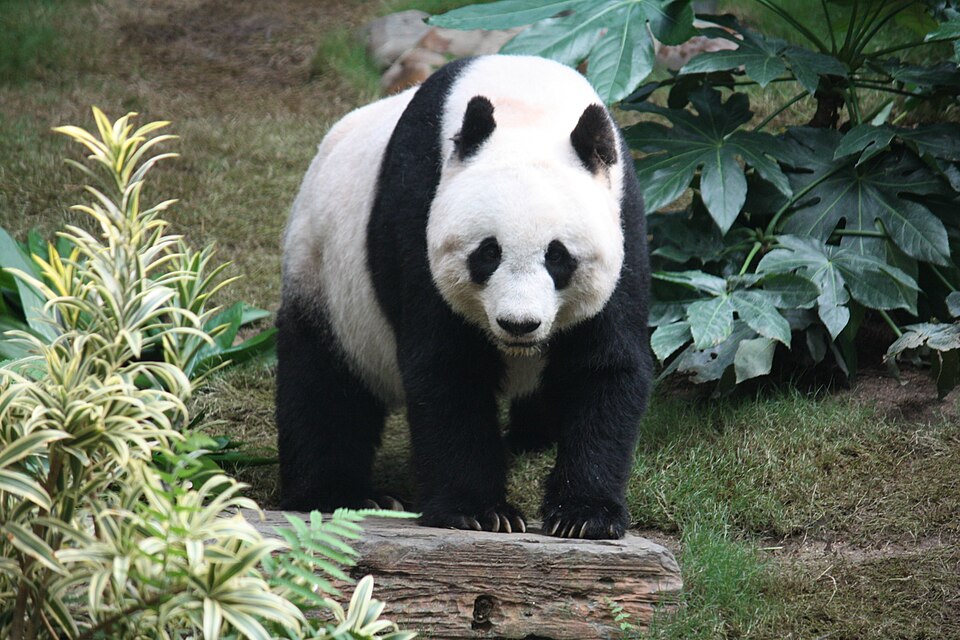
Panda-gigante não é um animal de postal. É um conjunto de populações, subespécies e regras humanas na família fauna deste atlas.
Diversidade, corpos, cultura e áreas — mais uma lente desta região linguística.
Diversidade dentro do tipo
Os guias de campo comprimem muitas linhagens na palavra Panda-gigante. Subespécies, rotas e linhas cativas não partilham um só destino.
Este atlas escolhe um título da Wikipédia como imagem-herói e deixa o resto do grau visível para que um stock recuperado não lave uma prima Criticamente em perigo.
Life in the landscape
A bear with a false thumb (radial sesamoid) for bamboo, a massive skull for grinding, and a carnivore gut on a herbivore diet -- an expensive compromise.
Hours of bamboo to extract little protein. Low activity is a budget, not laziness. Meat is rare, not a secret second life.
Cultura e significado
Cinema, lei, heráldica, zoos e relato local encontraram Panda-gigante. Esses retratos movem dinheiro; não são um censo de campo.
O capítulo de cultura data cartazes e leis para que um filme de 1975 ou um logótipo de 1961 não finjam ser a Lista Vermelha dos anos 2020.
Conservation and money
Vulnerable after a 2016 downlist from Endangered; wild numbers remain a few thousand in fragmented Sichuan-Shaanxi-Gansu belts.
Tourism, conflict payments, quotas and captive loans are dated economic bands in the market chapter -- not live prices and not a best-species prize.
Imersão em ciências da vida
Biologia a fundo: Panda-gigante
A biologia de Panda-gigante empilha estrutura, energia, sentidos e limites. As quatro secções usam os mesmos títulos do atlas para comparar sem um quadro de melhor espécie.
Anatomia, sentidos, comportamento e limites — mais a linguagem de campo desta região.
Structure
A bear with a false thumb (radial sesamoid) for bamboo, a massive skull for grinding, and a carnivore gut on a herbivore diet -- an expensive compromise.
Load paths and tissues (not metals) are expanded in the anatomy chapter.
Energy and foraging
Hours of bamboo to extract little protein. Low activity is a budget, not laziness. Meat is rare, not a secret second life.
The how-it-works diagrams reduce that budget to a six-node loop.
Senses and control
Smell and a session of sit-and-grind. The false thumb is the famous morphological sense of touch on culms.
Control here means the animal steering itself -- not a vehicle ECU.
Limits
A narrow diet and a narrow map. High culture, mid resilience -- the WWF face is not a recovered generalist.
Resilience scores encode those limits relative to the other 23 types.
Pandas are bamboo specialists in a small mountain belt. They do not engineer continents like elephants or move ocean nutrients like whales. The score is relative, not an insult.
Did the 2016 downlist mean the crisis ended?
VU is better than EN. Fragmented habitat, bamboo die-off cycles and a still-small wild number keep the species in a watch band, not a recovered one like koi or many owls.
Why does WWF use a panda?
The 1961 logo drew on Chi-Chi at London Zoo -- a high-contrast animal that printed well. The brand and the wild census later had to share one face.
What did Nixon 1972 change?
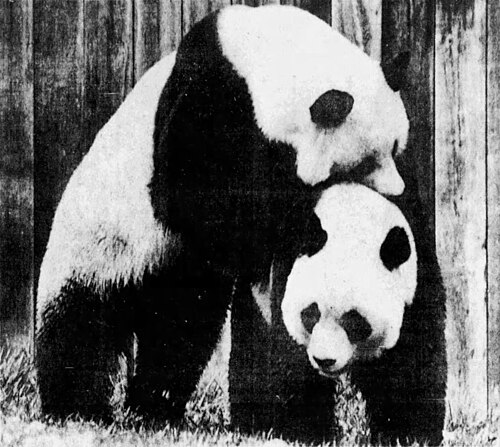
Ling-Ling and Hsing-Hsing at the National Zoo made panda diplomacy a Cold War soft-power tool that China still uses as loans, not gifts.
What happened at Wolong in 2008?
The Sichuan earthquake killed staff and animals and wrecked the breeding centre. Rebuilding became a national reconstruction exhibit.
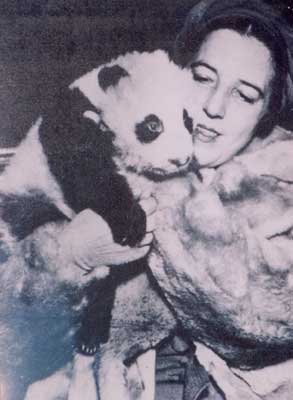
Who was Ruth Harkness?
An American who took Su Lin out of China in 1936 -- a living-export story that predates modern loan contracts.
Is captive breeding the wild recovery?
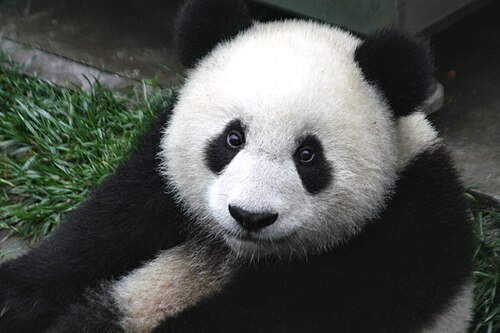
Captive numbers rose. Wild recovery needs corridors (the national park idea) more than more cubs on camera.
Are red pandas the same file?
No. Ailurus is a different family. This atlas type is the giant panda only.
Papel, não um vencedor
Literacia de conservação. Não é uma consulta IUCN ao vivo.
Incorporar este ranking
Cole este código no seu blog ou site — o ranking permanece atualizado.
Copiado!
Espécies semelhantes
Vizinhos mais próximos nos seis eixos — velocidade, inteligência, área, resiliência, cultura e papel ecológico.