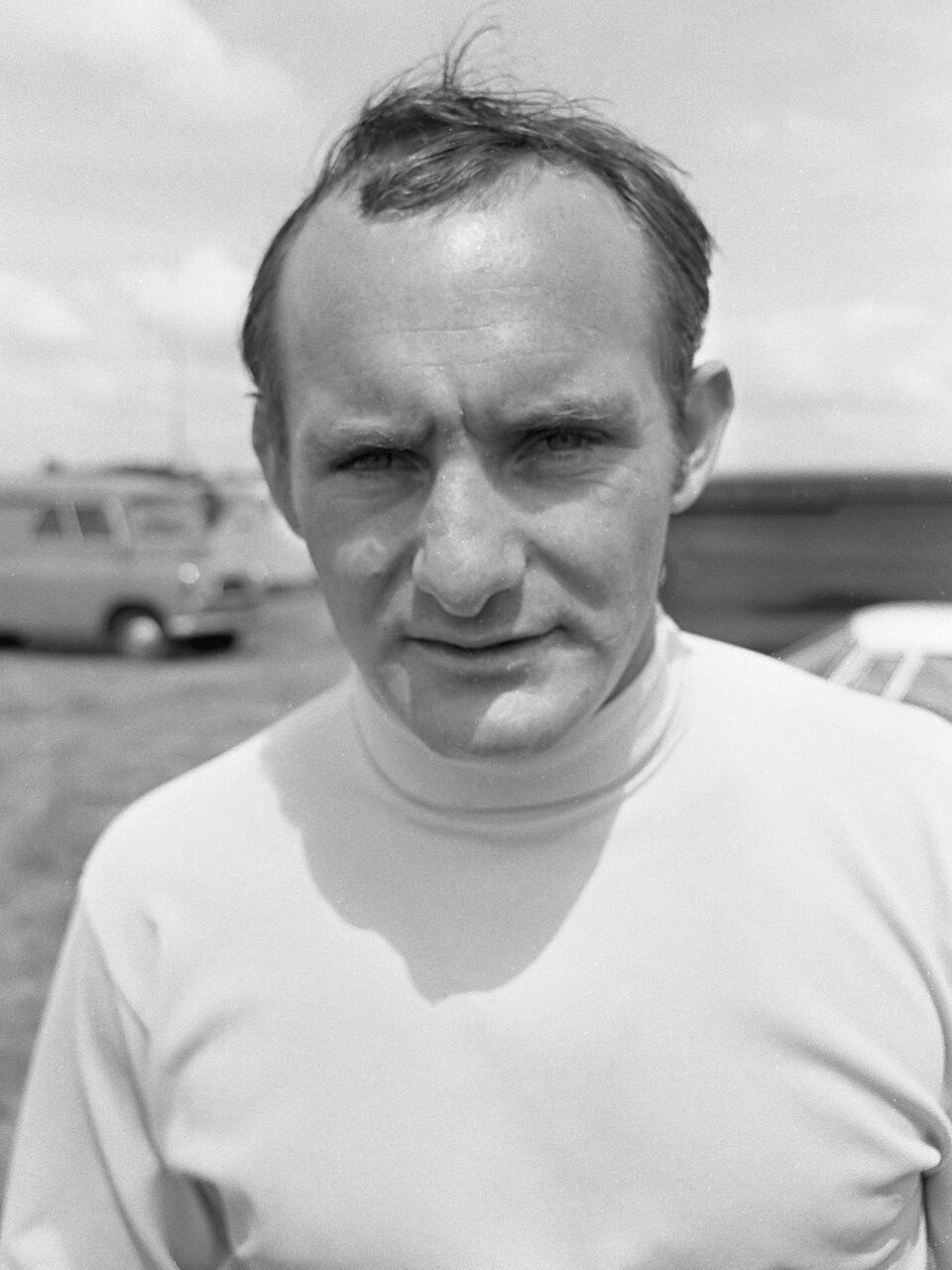
Mike Hailwood
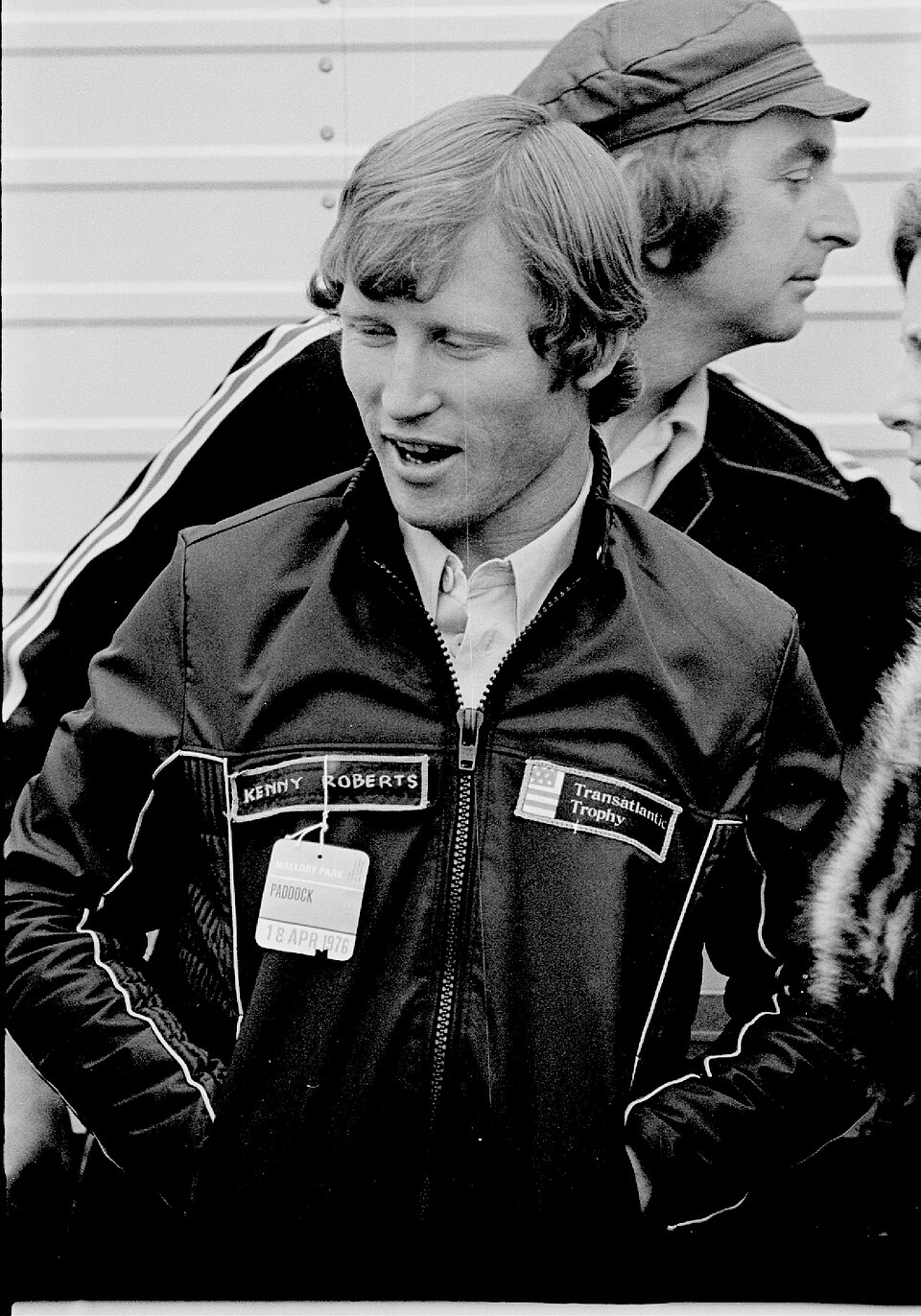
Kenny Roberts
Stat by stat
Bars are scaled to the leader in this list.
The verdict
Mike Hailwood leads 5 of 5 categories. Our all-time ranking places Mike Hailwood at #4 and Kenny Roberts at #7.
Head-to-head FAQ
Who leads more shared metrics?
How do the published ranks compare?
Are these live stats?
The case for Mike Hailwood
Nine world championships in ten seasons: 250cc in 1961, 1966 and 1967, 350cc in 1966 and 1967, and four consecutive 500cc titles from 1962 to 1965 with MV Agusta. He took 76 Grand Prix wins from just 152 starts, 37 of them in the premier class, and 112 podiums, all before his 28th birthday. Hailwood's range is what separates him: he won world titles on MV Agusta and Honda, competed across four capacity classes in a single weekend, and won 14 Isle of Man TTs. After leaving bikes he raced in Formula 1 across 50 entries with two podiums, and was awarded the George Medal for pulling Clay Regazzoni from a burning car at Kyalami in 1973. In 1978, aged 38 and eleven years out of the sport, he returned to the Isle of Man and won the Formula One TT on a Ducati.
The case for Kenny Roberts
Three consecutive 500cc world championships from 1978 to 1980, the first of them as a rookie, from a career of only 60 Grand Prix starts. Roberts took 24 wins, 22 in the premier class, and 44 podiums, having already won back-to-back AMA Grand National titles in 1973 and 1974 and completed the Grand Slam of victories across all five American dirt-track and road-race disciplines. His influence outweighs his totals. He imported dirt-track technique to Grand Prix racing, deliberately breaking rear traction to steer a 500cc two-stroke, and every rider since has ridden some version of that. Off track he was equally consequential: his threatened breakaway World Series in 1979 forced the FIM to improve circuit safety and lifted rider payments dramatically. He later ran his own team and built his own three-cylinder 500cc machine.