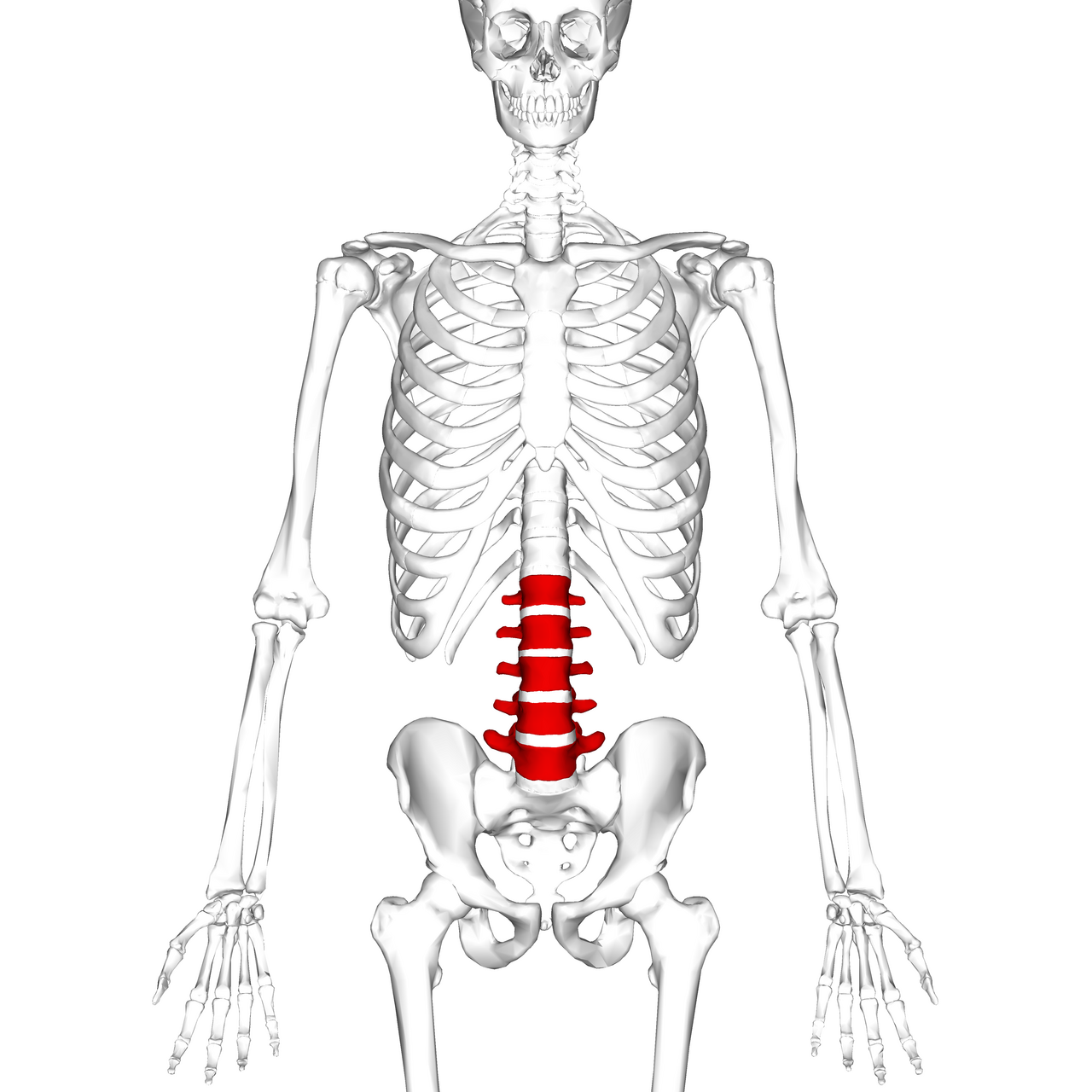
At a glance
Evaluation of the low back typically starts with a history exploring onset, aggravating movements, and any leg symptoms, followed by observation of posture, gait, and active range of motion. Special tests help distinguish nerve-related pain from purely muscular pain, while a structured red-flag screen identifies the small number of cases needing urgent referral rather than a graded exercise program.
Weigh it for yourself
Mark each measure High, Any or Low for what you want. The fit number moves with every mark, and your marks follow you to the next page in this app.
| Measure | Lower Back | Post-Stroke | You want |
|---|---|---|---|
| Pain frequency | |||
| Recovery length | |||
| Exercise load | |||
| Clinician need | |||
| Self-care fit | |||
| Recurrence risk |
Mark at least one measure to see a fit number.
Scores are the atlas’s 0–100 teaching marks for each topic. They are not a diagnosis, a dose or a treatment choice.
Reading checklist
Tick a point once you could explain it in your own words. Ticks stay on this device.
0 of 4 points done
All points done. Next: Open the topic: Lower Back
Lower Back · Non-specific low back pain
The most frequent diagnosis, describing pain without a clearly identifiable structural cause, often linked to muscular strain, deconditioning, or movement patterns under load. Displacement of disc material that can irritate or compress a nearby nerve root, often producing pain that radiates into the leg along with the back pain itself.
Lower Back · Evaluation of the low back typically starts with a history explo
Evaluation of the low back typically starts with a history exploring onset, aggravating movements, and any leg symptoms, followed by observation of posture, gait, and active range of motion. Special tests help distinguish nerve-related pain from purely muscular pain, while a structured red-flag screen identifies the small number of cases needing urgent referral rather than a graded exercise program.
Lower Back · closing 1
This staged approach — history, movement assessment, special tests, and red-flag screening — allows clinicians to direct the vast majority of patients toward active rehabilitation while identifying the few who need urgent or specialist care. Numbness in the groin or inner thighs alongside new bladder or bowel difficulty can indicate cauda equina syndrome, a surgical emergency.
Lower Back · Straight leg raise test
The examiner lifts the straightened leg while the patient lies supine; reproduction of radiating leg pain at a limited angle suggests nerve root irritation, often from a disc herniation. A seated sequence of trunk flexion, neck flexion, and knee extension that stretches the nerve pathway, used to help confirm a nerve-related source of leg symptoms.
This is education from the atlas. It does not diagnose and does not prescribe a dose. It does not replace the full topic page.
What is the next question after this?
This staged approach — history, movement assessment, special tests, and red-flag screening — allows clinicians to direct the vast majority of patients toward active rehabilitation while identifying the few who need urgent or specialist care. Numbness in the groin or inner thighs alongside new bladder or bowel difficulty can indicate cauda equina syndrome, a surgical emergency.
Does this page rank people or nations?
This is education from the atlas. It does not diagnose and does not prescribe a dose. It does not replace the full topic page.
Where is the longer entry?
The examiner lifts the straightened leg while the patient lies supine; reproduction of radiating leg pain at a limited angle suggests nerve root irritation, often from a disc herniation. A seated sequence of trunk flexion, neck flexion, and knee extension that stretches the nerve pathway, used to help confirm a nerve-related source of leg symptoms.