
Pre-1900
Folk practice
Play & Connection guidance lived in proverb, religion, and midwifery before academic child study.
Play & Connection · Play is the language of attachment — child-directed play builds trust, reduces behaviour problems, and teaches social rules.
Milestones in order. This is history, not a weekly activity grid.
Darker cells mean a higher score for this topic on that metric.
LessMore
Last reviewed Sources & creditsMedia creditsMethodology
Play is the language of attachment — framed by child-directed play and relational bonding.
Evidence score 84/100 reflects published cohort, RCT, and meta-analytic work — gaps remain in cross-cultural replication.
Age range 0–12 years marks peak relevance; principles may extend but intensity varies by developmental stage.
Difficulty score 45/100 captures typical caregiver load — context, support, and temperament modify real experience.
Consensus score 70/100 — areas of agreement and live debate appear in the science section.
Urgency 68/100 reflects time-sensitivity; some topics tolerate gradual change, others need early action.
Play & Connection history tracks shifting expert authority — from religious manuals through behaviourism to attachment and neuroscience frames.
Each era reinterpreted child-directed play and relational bonding through available science and cultural values about children, gender, and state responsibility.
Play & Connection entered formal childcare discourse around 1915 as psychology, paediatrics, and education institutions professionalised family life.
Mildred Parten described solitary-to-cooperative play sequences still taught today.
Axline and others framed play as the child’s language in clinical rooms.
Ethology-inspired work defended playful wrestling as social learning, not only aggression.
DIR/Floortime emphasised following the child’s lead to build connection.
Writers linked reduced free play with anxiety and attention complaints.
General Comment language reaffirmed play as a children’s right, not a luxury.
Public campaigns tied contingent play to early brain architecture metaphors.
Studies explored supervised risk (heights, speed) as competence-building.
Lockdowns and park closures made outdoor play access a policy issue.
Programmes stressed caregiver presence more than specialised toy kits.
Play & Connection guidance lived in proverb, religion, and midwifery before academic child study.
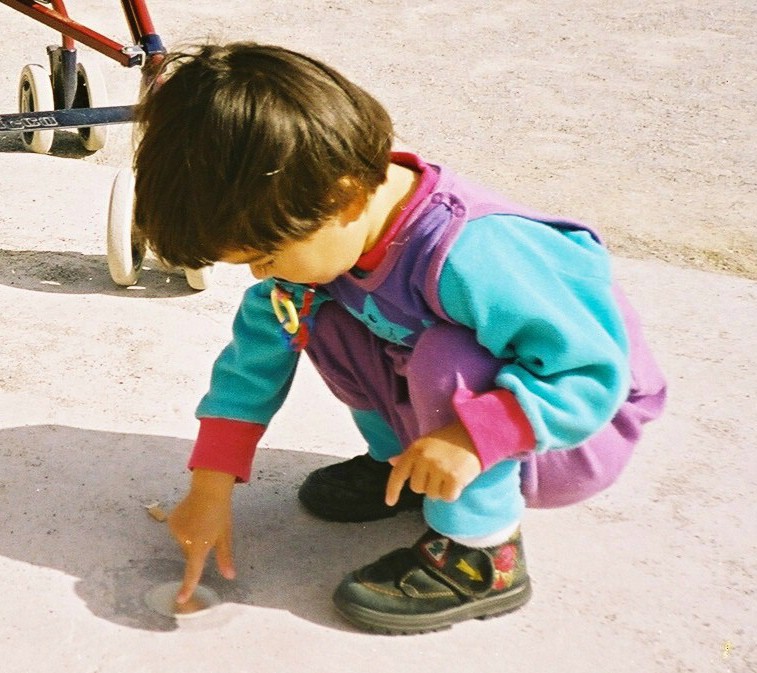
Universities and clinics began publishing age-stage norms and hygiene rules.
Bowlby, Ainsworth, and Baumrind reshaped how closeness and limits were discussed.
Neuroscience metaphors and international ECD programmes entered parenting culture.
Social media accelerates method wars; evidence reviews struggle to keep pace.
Approaches that faded, flipped or were replaced as evidence and culture moved on.
Harsh control models faded as child-directed play and relational bonding research linked warmth with better outcomes.
Parents expected to manage their own arousal while teaching children — not just enforce rules.
WHO and UNICEF standards interact with local kinship systems worldwide.
Today's play & connection discourse blends global WHO standards with local kinship practice and algorithmic parenting media.
Seeing the child's inner world — parental empathy predicts secure attachment and emotion coaching success across cultures.
Evidence 88 🔁Same rules, same calm — behavioural science shows children learn faster when caregiver responses are predictable and aligned.
Evidence 86 👁️Quality of attention over quantity of hours — presence means undistracted engagement, not perfection or constant entertainment.
Evidence 72 💬How families talk — Faber and Mazlish, Gordon, and Gottman research link communication patterns to conflict and closeness.
Evidence 90 🧘Managing one's own arousal before guiding a child — parental self-regulation mediates the impact of stress on discipline quality.
Evidence 87