Darker cells mean a higher score for this topic on that metric.
LessMore
Each bar is a 0-100 atlas score for this topic, not a timeline.
Both scores stay visible. Drag the slider to emphasize Evidence strength or Daily impact.
Evidence strength
Daily impact
Milestones in order. This is history, not a weekly activity grid.
- Incubator shows
- Bowlby attachment
- Strange Situation prep
- Kangaroo Mother Care
- Back to Sleep
- WHO KMC guidelines
- Rooming-in push
- Fourth trimester
- COVID birth policies
- Parental leave debate
Last reviewed Sources & creditsMedia creditsMethodology
Quick facts
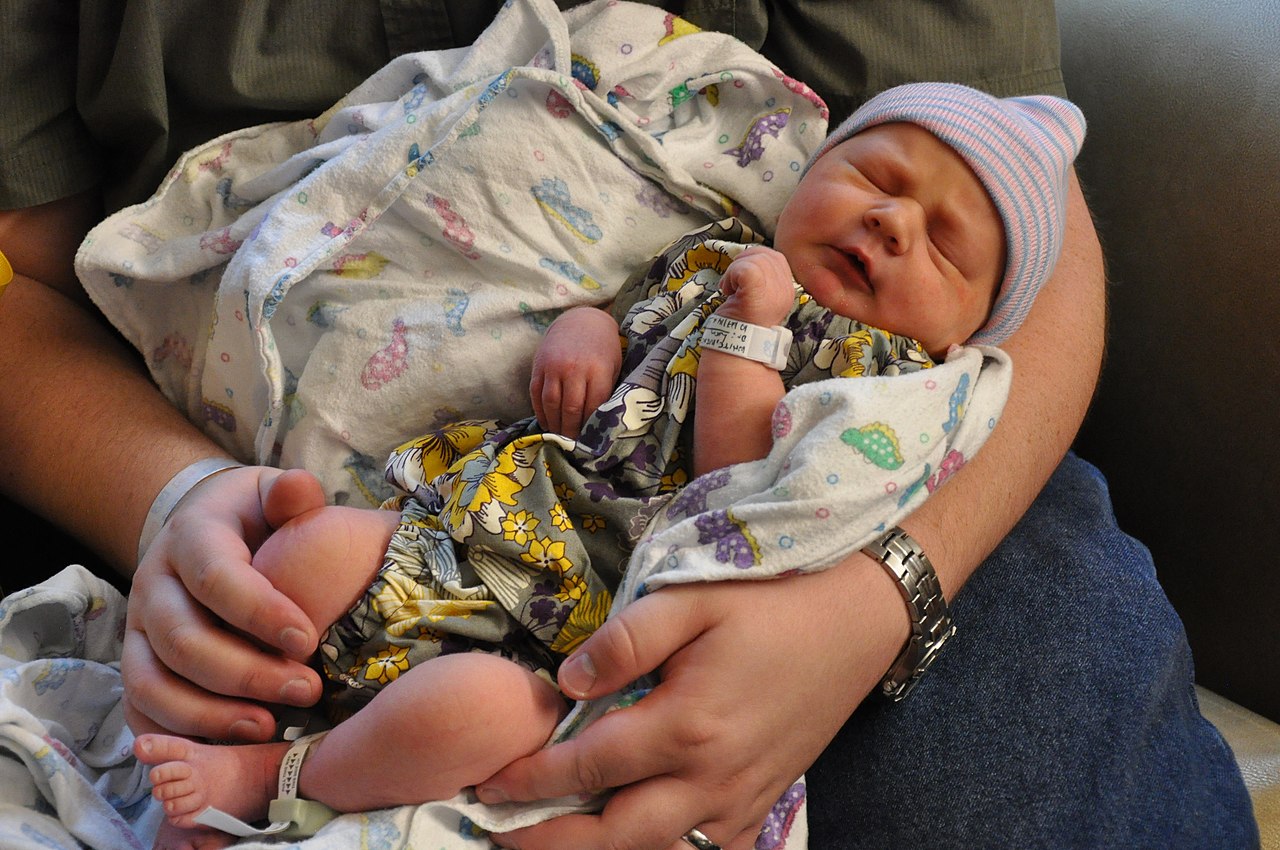
The newborn period spans roughly the first four weeks after birth — a time of rapid physiological adaptation, establishing feeding, and early attachment.
Research from Bowlby and Ainsworth onward treats these weeks as foundational for stress regulation and caregiver synchrony, though individual trajectories vary widely.
Global guidance from WHO and national pediatric societies emphasises skin-to-skin contact, safe sleep, and responsive feeding rather than rigid schedules.
The profile
- Evidence strength88
- Daily impact98
- Difficulty85
- Age span8
- Expert consensus82
- Urgency95
Age range
0–28 days
The first 28 days after birth — physiology, bonding, feeding rhythms, and the shift from womb to world.
Seven ways into this topic
Frequently asked questions
What is Newborn?
How do I start with Newborn?
What is the next practice step for Newborn?
What does research say about Newborn?
Myth check: Umbilical cord bath delay
Which ages does Newborn matter most for?
How does Newborn look around the world?
When does the newborn period end?
Wider pathways
Deep reads on this theme
Situations that include this
Collections that include this
Sources & research
Nearby ages & themes
Infant
From one month to twelve months — motor milestones, first foods, attachment deepening, and emerging sleep patterns.
Evidence 90 🧸Toddler
Walking, talking, and testing limits — the toddler years blend motor explosion, language bursts, and autonomy struggles.
Evidence 85 ✏️Preschool
Imaginative play, peer entry, and executive function growth define the preschool years before formal schooling.
Evidence 82 📚School Age
Industry, friendships, and academic skill-building mark middle childhood between toddler chaos and adolescent identity work.
Evidence 78 🧑🎓Teenager
Brain remodeling, identity formation, and increasing autonomy define adolescence — risk and capability both rise.
Evidence 80