Pre-1900
Folk practice
Attachment Parenting guidance lived in proverb, religion, and midwifery before academic child study.
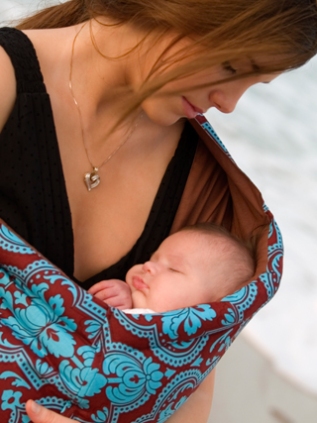
Attachment Parenting · Proximity, responsiveness, and physical closeness — attachment parenting emphasises cue-based care popularised by William Sears.
Milestones in order. This is history, not a weekly activity grid.
Darker cells mean a higher score for this topic on that metric.
LessMore
Last reviewed Sources & creditsMedia creditsMethodology
Proximity, responsiveness, and physical closeness — framed by responsive proximity and cue-based care.
Evidence score 75/100 reflects published cohort, RCT, and meta-analytic work — gaps remain in cross-cultural replication.
Age range Birth–5+ years marks peak relevance; principles may extend but intensity varies by developmental stage.
Difficulty score 70/100 captures typical caregiver load — context, support, and temperament modify real experience.
Consensus score 65/100 — areas of agreement and live debate appear in the science section.
Urgency 75/100 reflects time-sensitivity; some topics tolerate gradual change, others need early action.
Attachment Parenting history tracks shifting expert authority — from religious manuals through behaviourism to attachment and neuroscience frames.
Each era reinterpreted responsive proximity and cue-based care through available science and cultural values about children, gender, and state responsibility.
Attachment Parenting entered formal childcare discourse around 1968 as psychology, paediatrics, and education institutions professionalised family life.
Maternal Care and Mental Health linked early continuity of care to later mental health risk.
Bowlby’s Attachment trilogy popularised proximity-seeking as adaptive, not pathological.
Ainsworth’s coding system made attachment patterns observable in labs and clinics.
Parenting manuals and NGOs spread structured baby carriers beyond indigenous practice.
The Attachment Parenting label bundled breastfeeding, cosleeping debates, and responsiveness.
Attachment Parenting International published eight principles used in parent education.
Reviews separated responsive caregiving benefits from rigid method checklists.
Nurturing care frameworks stressed responsive caregiving without method branding.
Research and journalism highlighted caregiver load when AP is treated as total identity.
Scholars emphasised multiple caregivers and cultural pathways to security.
Attachment Parenting guidance lived in proverb, religion, and midwifery before academic child study.

Universities and clinics began publishing age-stage norms and hygiene rules.
Bowlby, Ainsworth, and Baumrind reshaped how closeness and limits were discussed.
Neuroscience metaphors and international ECD programmes entered parenting culture.
Social media accelerates method wars; evidence reviews struggle to keep pace.
Approaches that faded, flipped or were replaced as evidence and culture moved on.
Harsh control models faded as responsive proximity and cue-based care research linked warmth with better outcomes.
Parents expected to manage their own arousal while teaching children — not just enforce rules.
WHO and UNICEF standards interact with local kinship systems worldwide.
Today's attachment parenting discourse blends global WHO standards with local kinship practice and algorithmic parenting media.
High warmth plus clear expectations — Diana Baumrind's authoritative style links to competence in dozens of cohort studies.
Evidence 92 🧩Self-directed activity, hands-on materials, and mixed-age classrooms — Maria Montessori's method spread to over 20,000 schools worldwide.
Evidence 78 ✅Firm and kind limits without punishment — Jane Nelsen's Adlerian-based model teaches problem-solving over punitive control.
Evidence 85 🕊️Connection before correction — gentle parenting prioritises empathy and co-regulation over fear-based obedience.
Evidence 70 🤝Raising children across households — co-parenting frameworks address communication, schedules, and conflict when parents live apart.
Evidence 68