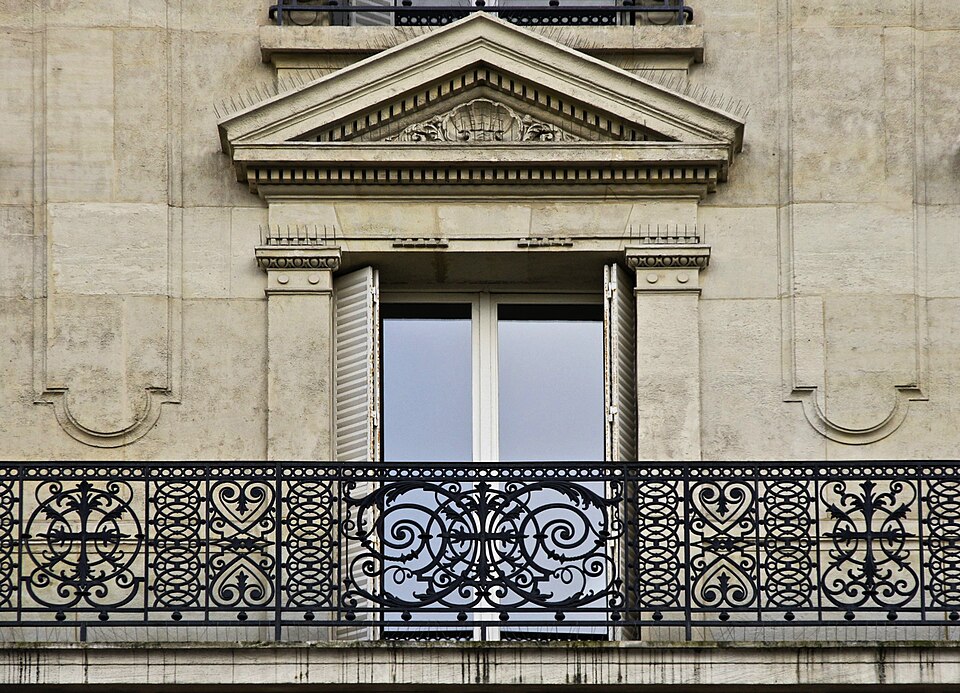
고대 - 1800년
꽃과 도가니
단철 및 작은 도가니 가열; 목탄, 기술 및 패턴 용접으로 품질이 결정됩니다.
강철 · 건물·선박·레일과 공구를 떠받친 철–탄소 일꾼 — 끝없이 다시 녹인다.
시간 순 이정표입니다. 주간 활동 격자가 아닙니다.
진한 칸일수록 이 직업에서 해당 지표가 높습니다.
낮음높음
금속으로서 Euroclass A1이지만 화재 시 생산량을 잃고 일반적으로 정격 기간 동안 보호가 필요합니다.
강철은 제어된 탄소(일반적으로 <2%)와 합금을 함유한 철입니다. 주철은 탄소가 더 많고 응고 경로도 다릅니다.
아니요. 열전도율은 수십 W/m·K입니다. 단열재는 별도의 층(미네랄울, 보드, VIP)입니다.
철은 물과 산소가 있으면 산화됩니다. 합금, 아연, 페인트 또는 콘크리트 덮개는 속도를 늦춥니다.
아니요. 염화물, 틈새 및 잘못된 등급의 구덩이입니다. 304 vs 316은 슬로건이 아닌 화학적 선택입니다.
자기적으로, 가족으로서 그렇습니다. 구리 오염 및 코팅으로 인해 일부 고사양 루프가 제한됩니다.
heat 72 · fire 84
강철은 완제품으로 도착하지 않았습니다. 꽃밭 ㄷ. 기원전 1800년 / 베세머 1856년 아나톨리아 주변 → 셰필드는 여전히 누가 그것을 만들고 어떤 테스트를 하는지 설명합니다.
아래의 10가지 날짜, 5가지 시대, 3가지 이정표는 완전한 산업 역사가 아닌 척추입니다.
숯불로에서 광석을 고체 상태로 환원하면 아나톨리아와 레반트에서 단철 꽃이 피어납니다.
나중에 다마스커스 블레이드로 거래된 인도 남부 도가니 강철은 고탄소 패턴의 미세 구조를 보여주었습니다.
중국의 꽃밭과 청징 경로는 한 시대에 농업 도구와 무기를 확장했습니다.
셰필드의 Benjamin Huntsman은 시계 스프링과 수저류용 점토 도가니에서 블리스터 강철을 재용해했습니다.
Henry Bessemer의 공기 주입식 변환기는 벌크 강철 비용을 낮추고 레일과 선박용 플레이트를 열었습니다.
Siemens-Martin 난로는 스크랩 + 선철 충전 및 보다 엄격한 화학물질 관리를 허용했습니다.
Linz-Donawitz 산소 변환기는 개방형 난로에 비해 사이클 시간을 단축하여 글로벌 기본값이 되었습니다.
슬래브와 빌렛이 움직이면서 얼어붙어 잉곳이 가득 차는 것에 비해 에너지와 수율 손실이 줄어듭니다.
이중상 및 TRIP 강철은 차체를 얇게 만들고 충돌 에너지 흡수를 증가시킵니다.
수소를 이용한 직접환원철은 고로 CO2를 줄이는 것을 목표로 합니다. 첫 번째 상용 노선은 여전히 지역적입니다.
단철 및 작은 도가니 가열; 목탄, 기술 및 패턴 용접으로 품질이 결정됩니다.
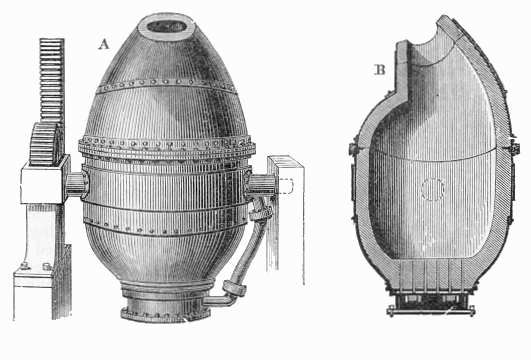
Bessemer와 노천 강철은 레일, 교량 및 선체를 대량 상품으로 만들었습니다.
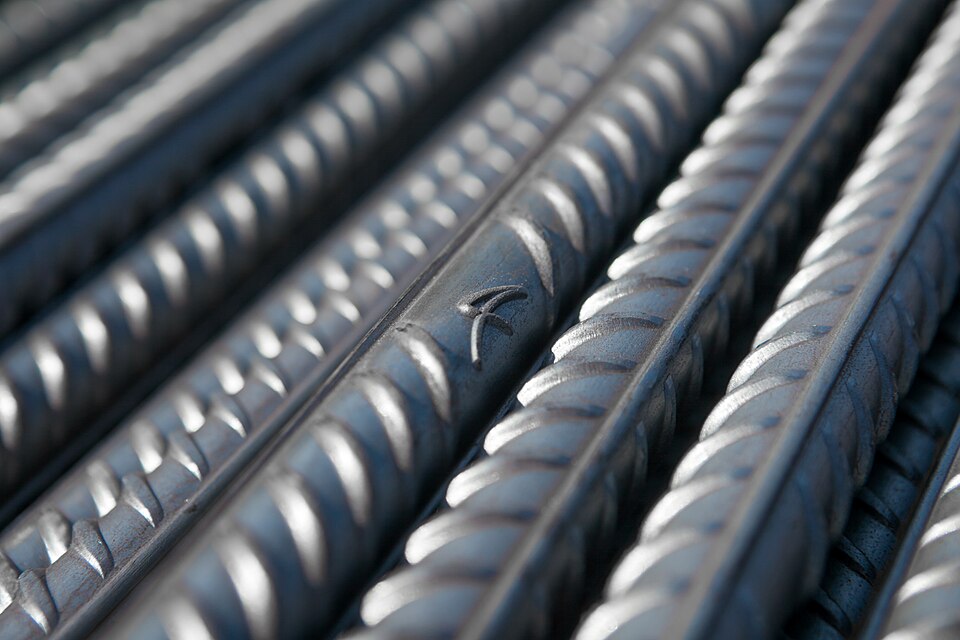
니켈, 크롬 및 몰리브덴 등급은 갑옷, 항공기 및 공작 기계에 사용되었습니다.
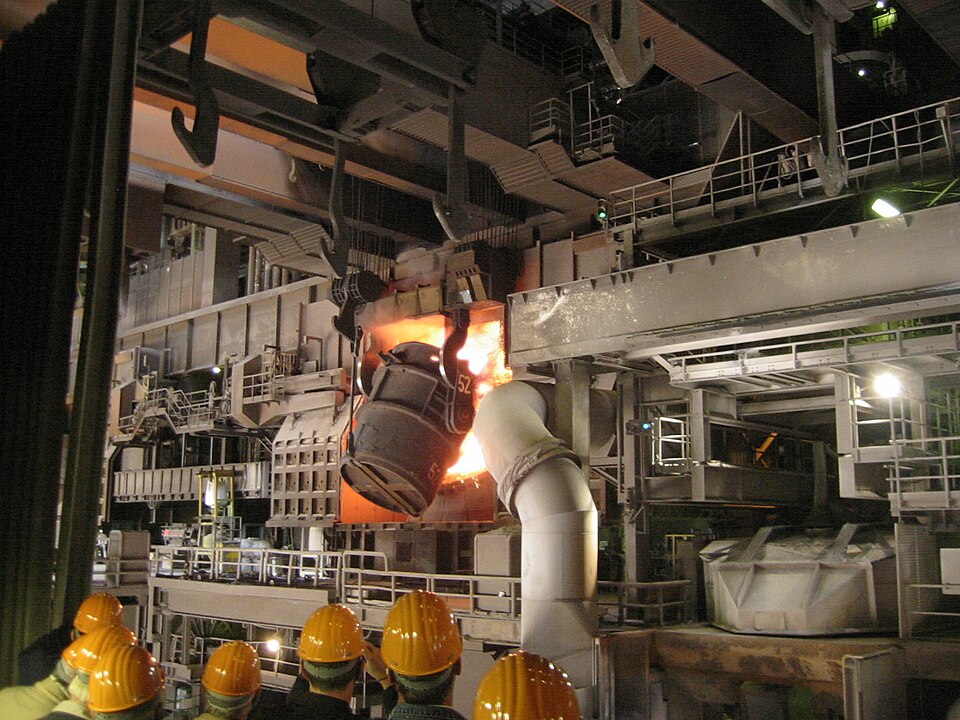
산소 제강과 전기 아크 스크랩 공장은 1차 경로와 재활용 경로를 분리합니다.
첨단 고강도 자동차강판과 수소-DRI 파일럿은 자동차와 기후 수학을 모두 다시 작성합니다.
용융 선철을 통한 공기 분사로 값싼 벌크 강철이 가능해졌습니다.
산소 변환기는 전 세계적으로 지배적인 기본 경로가 되었습니다.
다상 미세 구조를 사용하면 충돌 구조가 에너지 흡수를 잃지 않으면서 질량을 줄일 수 있습니다.
이 타임라인을 아는 것은 강철을 시대를 초월한 것으로 취급하지 않고 공장 인증서를 읽는 방법입니다.